

PPF cuts maintenance costs: extends wash intervals to 4-6 weeks, saving ~¥5k on polishing for a Tesla in 3 years.,Retains 80% ductility at -30℃.,Factory – Exclusive PPF: Tailored for Bulk Orders.
The construction and maintenance of PPF:
- Avoid Vinyl Cleaners on PPF – Vinyl-specific products can contain chemicals that dull or degrade PPF topcoats.
- Adhesive Priming – Using tack promoters on low-energy surfaces (e.g., plastic trim) enhances adhesion in challenging areas.
- Tool Sterilization – Cleaning squeegees and blades with isopropyl alcohol avoids cross-contamination of adhesives.
- Avoid Automated Car Washes with Brushes – Brushless washes prevent abrasive contact that can scratch PPF.
- UV-Protection Boosters – Applying UV-resistant sprays in high-sun regions extends anti-yellowing performance.
- Vinegar Solution for Water Spots – A mild vinegar rinse dissolves mineral deposits on PPF without harming the topcoat.
- Climate-Controlled Storage – Garage storage with stable temperatures reduces PPF edge lifting from extreme thermal swings.
- Adhesive Activation Heat Range – Applying 65–75°C heat to edges activates adhesives without damaging the PPF’s topcoat.
- Storage Protection – Covering vehicles with breathable car covers in storage prevents dust buildup and UV overexposure.
- Ceramic Coating Compatibility – Applying a PPF-safe ceramic coating after 30 days enhances scratch resistance by 40%.
The cost structure and price composition of PPF:
- Local Sourcing Savings – Regional TPU suppliers cut logistics costs by 10–15%, reflected in lower prices.
- Seasonal Material Adjustments – Cold-weather formulations cost 5–10% more in winter months due to demand spikes.
- EV-Specific Pricing – Radar-transparent PPF for EVs commands 10–15% premiums due to technical requirements.
- Small-Batch Premium – Custom colors or finishes cost 30–50% more due to low-volume production inefficiencies.
- Topcoat Quality Impact – Ceramic-infused topcoats add $0.50–$1.00 per square foot but enable 10–15% price premiums.
- Replacement Part Pricing – Small repair patches cost 2–3x per square foot vs. full rolls due to handling costs.
- Sales Commission – Dealer and distributor margins add 15–25% to wholesale prices before retail markup.
- Bio-Based TPU Premium – Plant-derived TPU increases raw material costs by 15–20% but supports premium pricing.
Before & After: How PPF Transforms a 10-Year-Old Car:
- Before: Wheel balance weights with rust staining around them; After: PPF covers weight areas, hiding stains and preventing rust from spreading under paint.
- Before: Fender flare mounting screws with rust around heads; After: PPF covers screw heads, hiding rust and preventing water from worsening corrosion.
- Before: Wheel center caps with faded logos and scratches; After: Clear PPF covers caps, preserving logos and resisting scratches from cleaning.
- Before: Door edges with countless scratch marks from parking mishaps; After: PPF’s self-healing layer covers scratches and resists new ones, creating crisp, unmarked edges.
- Before: Fender flares with paint peeling at the edges; After: PPF wraps flare edges, hiding peeling and preventing water from getting under the paint.
- Before: Roof with bird dropping etchings and tree sap stains; After: PPF’s chemical-resistant topcoat hides stains and prevents new etching, creating a uniform surface.
- Before: Wheel lug nut covers with faded and chipped paint; After: PPF covers covers, preserving color and resisting scratches during tire changes.
The regulations of PPF and after-sales services:
- Customer Support Hotlines – Brands like NAR PPF provide dedicated hotlines (4008 8181 07) for warranty claims, requiring vehicle details and installation records for processing .
- California CARB VOC Limits – PPF adhesives sold in California must comply with CARB’s strict VOC regulations, reducing harmful emissions during installation to align with regional air quality standards .
- EU Digital Product Passport – PPF manufacturers must disclose material composition and recycling details via the EU’s Digital Product Passport, enhancing supply chain transparency .
- Recall Protocols for Defects – In cases of material defects (e.g., delamination), manufacturers like PurePPF coordinate nationwide recalls and replacements via authorized installers .
- Regional Regulatory Exemptions – Medical device packaging and hazardous goods transportation are exempt from EU PPWR’s recyclability rules, affecting niche PPF applications .
The market trends and industry changes of PPF:
- Nano-Edge Sealing – Nanoscale adhesives in edge layers prevent water ingress, reducing edge lifting by 75% compared to traditional sealing methods.
- Detailing Chain Partnerships – PPF brands are collaborating with chains like Detail Garage, offering co-branded training and product bundles to expand reach.
- Shift Toward Touchless Installations – Automated robotic systems are being adopted in high-volume shops to minimize human error, particularly in edge trimming and heat-sealing processes.
- Regional Finish Preferences – Matte PPF dominates Europe (45% of sales) while glossy finishes lead in North America (60%), reflecting aesthetic cultural differences.
- 15-Year Anti-Yellowing Warranties – Premium brands now offer 15-year guarantees against yellowing, using advanced HALS stabilizers to outlast traditional 10-year warranties.
- Online Certification Courses – Platforms like PPF University offer $99 online installer certifications, increasing skilled labor availability in underserved markets.
- Southeast Asia Market Surge**- Indonesia and Vietnam’s PPF markets are growing at 11% CAGR, driven by rising middle-class car ownership and demand for affordable protection packages.
- DIY vs. Pro Installation Split – 30% of entry-level PPF sales are DIY kits, while 90% of luxury films require professional installation for warranty validation.
- OEM Integration and EV Demand – Original equipment manufacturers (OEMs) are increasingly factory-installing PPF, particularly for electric vehicles (EVs), which represent 19% of OEM PPF applications due to their premium paint protection needs.
- Nano-Edge Sealing – Nanoscale adhesives in edge layers prevent water ingress, reducing edge lifting by 75% compared to traditional sealing methods.
Why TPU PPF:
- Low Wind Load Impact – Aerodynamic designs reduce wind resistance compared to solid-roof structures.
- Low Maintenance – Eliminates need for painting, staining, or sealing, reducing upkeep costs by 70% vs. wood.
- Lightweight Construction – Aluminum’s low density (2.7 g/cm3) simplifies installation, requiring fewer structural supports than wooden alternatives.
- Powder-Coated Finishes – Polyester powder coatings provide scratch-resistant, UV-stable colors with 10 year warranties.
- Urban Space Friendly – Compact designs suitable for small yards and rooftop terraces.
- Custom Rafter Spacing – 400mm–600mm spacing options balance shade coverage and material efficiency.
- Snow Load Capacity – Reinforced beams support 20–30 kg/m2 snow loads in cold climates.
- Modular Components – Replaceable parts simplify repairs if individual pieces are damaged.
The construction and maintenance of PPF:
- Avoid Vinyl Cleaners on PPF – Vinyl-specific products can contain chemicals that dull or degrade PPF topcoats.
- Adhesive Priming – Using tack promoters on low-energy surfaces (e.g., plastic trim) enhances adhesion in challenging areas.
- Tool Sterilization – Cleaning squeegees and blades with isopropyl alcohol avoids cross-contamination of adhesives.
- Avoid Automated Car Washes with Brushes – Brushless washes prevent abrasive contact that can scratch PPF.
- UV-Protection Boosters – Applying UV-resistant sprays in high-sun regions extends anti-yellowing performance.
- Vinegar Solution for Water Spots – A mild vinegar rinse dissolves mineral deposits on PPF without harming the topcoat.
- Climate-Controlled Storage – Garage storage with stable temperatures reduces PPF edge lifting from extreme thermal swings.
- Adhesive Activation Heat Range – Applying 65–75°C heat to edges activates adhesives without damaging the PPF’s topcoat.
- Storage Protection – Covering vehicles with breathable car covers in storage prevents dust buildup and UV overexposure.
- Ceramic Coating Compatibility – Applying a PPF-safe ceramic coating after 30 days enhances scratch resistance by 40%.
The differentiated user group needs matching of PPF:
- Mobile Pet Grooming Vans – Select water-resistant PPF for exteriors, simplifying cleanup of pet hair, water, and grooming product splatters.
- Classic Motorcycle Riders – Seek thin (6–7mil) flexible PPF to conform to curved fuel tanks and fairings, protecting vintage paint from belt/buckle scratches.
- Beachside Rental Car Fleets – Choose sand-resistant PPF with enhanced hydrophobicity, reducing cleaning time between rentals in coastal areas.
- Mobile Hair Salon Vans – Select chemical-resistant PPF to protect exteriors from hair dye and product spills, maintaining professional appearance.
- Vintage Fire Engine Ralliers – Opt for heat-resistant PPF on hoods, protecting paint from engine heat during parade displays and demonstrations.
- Classic Muscle Car Racers – Opt for heat-dissipating PPF on hoods, reducing under-hood temperatures during vintage races.
- Mobile Farmers Market Vans – Need produce-safe PPF that resists fruit/vegetable juice stains, maintaining clean exteriors during market days.
The user pain points of PPF and their solutions:
- Warranty Claim Denials – Prevented by transparent warranty terms, certified installer networks, and digital claim tracking.
- Bubbles After Installation – Prevented by air-release adhesive channels and certified installers using dust-free environments.
- Scratches from Automated Car Washes – Prevented by scratch-resistant topcoats (9H hardness) and “brushless wash safe” certifications.
- Expensive Repairs for Damage – Reduced via self-healing technology (repairs 3μm scratches with heat) and patchable film sections.
- Uncertainty About Product Quality – Resolved by third-party certifications (ECOCERT, ISO 9001) and transparent material disclosure.
- ADAS Sensor Interference – Prevented by radar-transparent PPF (99.9% signal transmission) tested with OEM systems.
- Incompatibility with Custom Paint – Addressed by color-stable PPF formulated for matte, chameleon, and metallic finishes.
- Long Installation Downtime – Reduced to 1–2 days with pre-cut kits and rapid-cure adhesives (24-hour bonding).
- Difficulty Matching Vehicle Contours – Addressed by 3D-scanned, vehicle-specific pre-cut patterns for complex curves (fenders, mirrors).
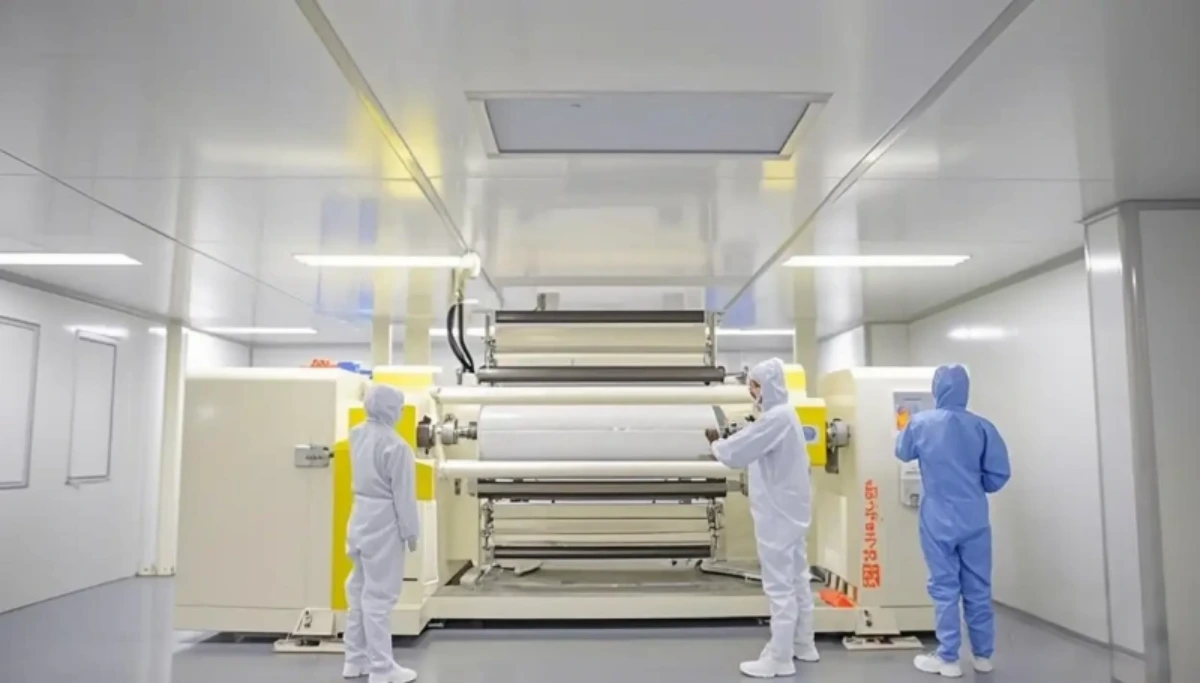
AUTOLI(CN) PPF(Paint Protection Film) factory
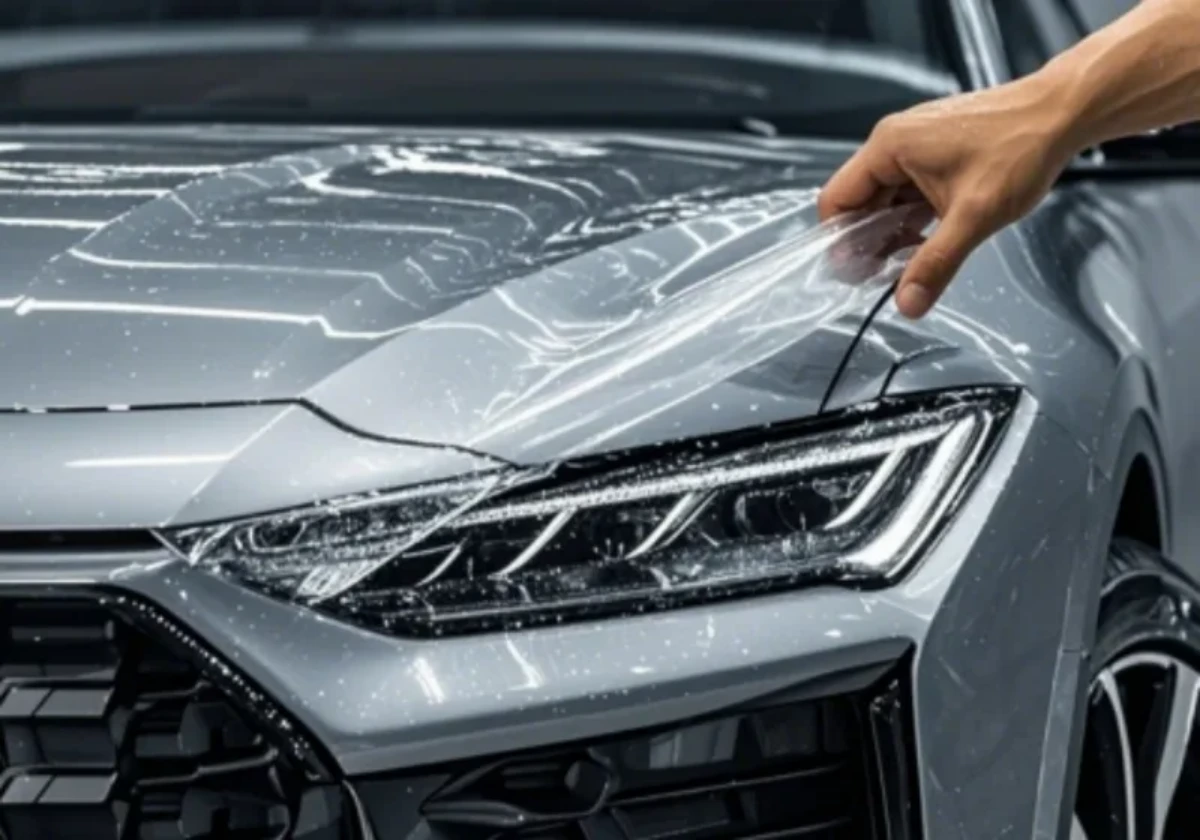
autoli TPU PPF Applied to all brand car models as Cadillac、Mazda、Lincoln、jeep.Our factory cooperates with PPF brand、Auto Detailing service、Auto Detailing and all so in many countries and regions around the world,like Venezuela,Sweden,Australia,Cyprus,Warranty: 10 years.Our advantages:Short production cycle, quick delivery;Efficient production reduces costs;High quality raw materials and advanced technology;Unlock Business Growth with Our Factory’s PPF;Perfect after-sales service.Our factory also provides vinyl car wrapping、PPF.