

PPF’s self-healing works on sun 纹,maintaining a flawless finish even after years of exposure to harsh sunlight.,Heat-activated adhesive ensures strong bonding.,Collaborate with Factory: Style – Laden PPF, Speedy Turnaround.
TPU PPF VS PET PPF:
- Low-Temperature Installation – TPU PPF installs reliably at 15°C , while PET PPF requires 20°C environments to prevent adhesive failure.
- Anti-Fog Properties – Hydrophilic TPU PPF options prevent headlight fogging, a feature absent in PET PPF.
- High-Speed Performance – TPU PPF resists stone chips at 120km/h, while PET PPF fails at 80km/h in highway tests.
- Low-VOC Formulations – TPU PPF manufacturing emits 50% fewer VOCs than PET PPF production processes.
- Cost Structure – TPU PPF costs 2–3x more upfront than PET PPF but offers 3–5x longer service life, reducing long-term costs.
- UV Stability – TPU PPF with HALS additives resists yellowing for 10 years, while PET PPF typically yellows within 2–3 years of UV exposure.
- Weight-Bearing Capacity – TPU PPF supports accessory mounting (e.g., light bars) with minimal sagging, while PET PPF distorts under similar weight.
- DIY Friendliness – TPU PPF’s forgiving installation suits DIY users, whereas PET PPF’s rigid nature makes professional installation advisable.
- Pressure Washing Resistance – TPU PPF withstands 2,000 psi pressure washes, while PET PPF lifts at edges above 1,500 psi.
- Installation Time – TPU PPF full-vehicle installs take 1–2 days, while PET PPF requires 1 day but with higher risk of rework.
The market trends and industry changes of PPF:
- Cross-Industry Collaborations – Material suppliers (e.g., Lubrizol) are partnering with PPF manufacturers to develop specialized films for extreme climates, such as heat-resistant variants for desert regions.
- E-Bike/Scooter PPF Demand – 40% of e-mobility retailers offer PPF for scooter bodies, protecting against urban scratches and extending resale value.
- ADAS Sensor Compatibility – PPF films with 99.9% LiDAR/radar transparency are becoming standard, ensuring autonomous driving systems function unimpeded post-installation.
- Rise of Professional Detailing Chains – Organized car care franchises in India and Thailand are offering PPF as a core service, bundling it with ceramic coatings and detailing packages to attract premium customers.
- 15-Year Anti-Yellowing Warranties – Premium brands now offer 15-year guarantees against yellowing, using advanced HALS stabilizers to outlast traditional 10-year warranties.
- OEM Integration and EV Demand – Original equipment manufacturers (OEMs) are increasingly factory-installing PPF, particularly for electric vehicles (EVs), which represent 19% of OEM PPF applications due to their premium paint protection needs.
- Local Sourcing Trends – Post-pandemic, 55% of North American PPF brands source TPU locally, reducing supply chain delays by 30%.
- Aftermarket Warranty Innovations – Lifetime warranties on select PPF products (e.g., Aegis Eternal 400) are becoming standard, reflecting manufacturer confidence in material durability and performance.
- Data-Driven Marketing Strategies – Brands are using AI analytics to identify regional demand patterns, tailoring product launches (e.g., anti-yellowing films for high-sun areas) to specific markets.
The product classification and selection logic of PPF:
- Impact Energy Absorption – Prioritizing viscoelastic PPF for highway drivers to reduce stone chip damage at high speeds.
- Debris Type Evaluation – Selecting sand-resistant PPF for desert regions vs. gravel-resistant variants for rural areas.
- Low-Temperature Flexibility – Choosing cold-resistant PPF for regions with sub-zero winters to prevent cracking.
- Brand Reputation Consideration – Opting for established brands with proven track records over generic alternatives for reliability.
- Warranty Duration Classes – Segmented by warranty terms (1–15 years), reflecting durability and manufacturer confidence in performance.
- Cost-Benefit Analysis – Balancing PPF cost against potential repaint expenses to determine optimal protection level.
- Warranty Claim Ease – Choosing brands with digital warranty systems for streamlined claims processing.
- Fleet Uniformity Selection – Choosing consistent PPF formulations for commercial fleets to simplify maintenance and appearance.
- Additive Priority Selection – Prioritizing anti-yellowing additives for white/light-colored vehicles to maintain brightness.
- Vibration Resistance Selection – Opting for flexible PPF with high elongation for motorcycles or off-road vehicles with frequent vibrations.
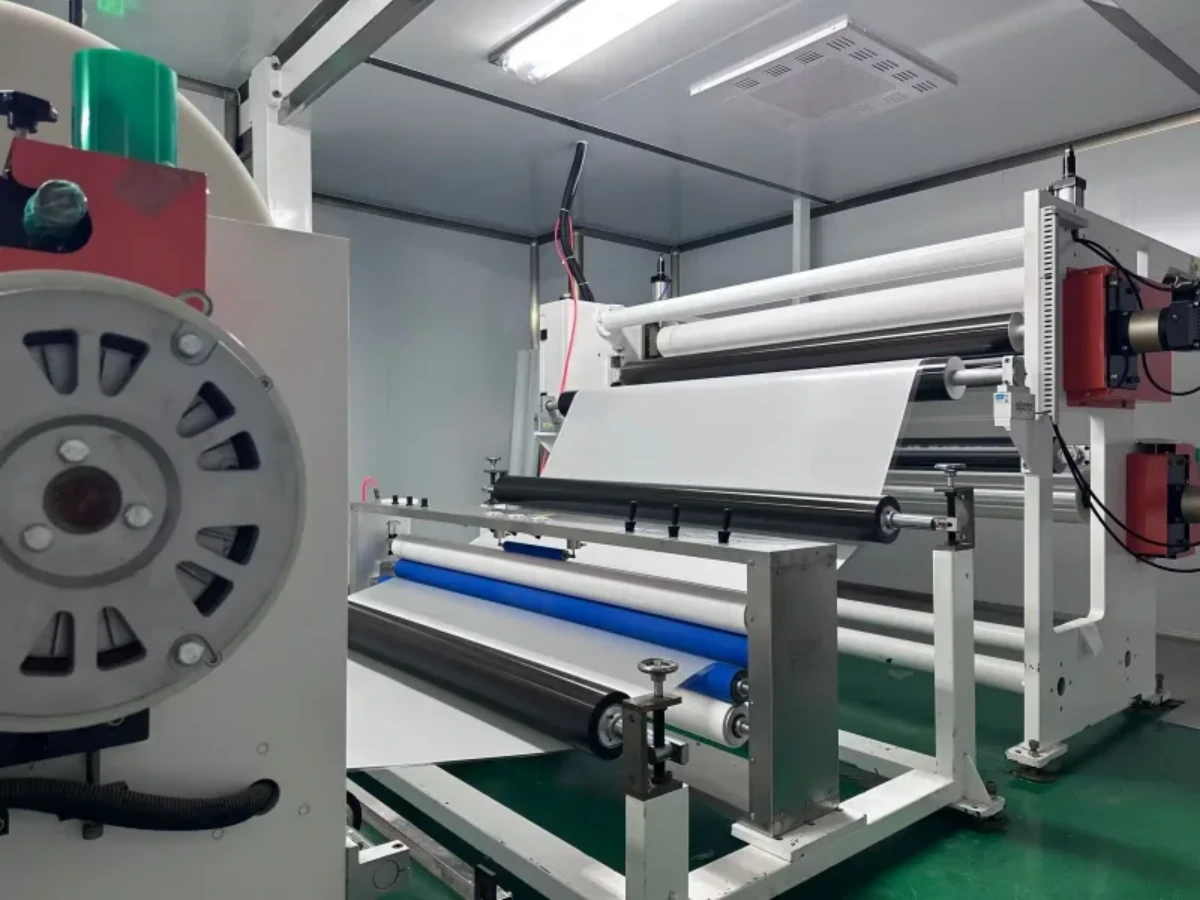
The long-term monitoring and maintenance system after the installation of PPF:
- Daily Dust Removal – Using a static-free microfiber duster to remove surface dust, preventing scratches during wiping.
- Low-Pressure Rinse Angles – Directing water at 45° angles to panels to avoid forcing water under edges during rinsing.
- Post-Repair Sealing – Applying heat (60–70°C) with a heat gun after edge re-sealing to ensure adhesive reactivation.
- Thermal Healing Activation – Parking in sunlight (or using low-heat hair dryers) to accelerate self-healing of minor scratches in cool weather.
- 24-Hour Bird Dropping Protocol – Spraying droppings with water, letting sit 5 minutes, then wiping with microfiber to avoid etching.
- High-Altitude Adjustments – Increasing sealant applications in thin air (≥2000m elevation) where UV exposure is intensified.
- Summer Heat Protection – Parking in shade or using car covers with UV protection to reduce topcoat oxidation in 35°C weather.
- Thermal Stability Testing – Assessing film performance after extreme temperature swings (e.g., -20°C to 40°C) for cracking or delamination.
The extension of PPF’s functions:
- Before: Antenna base with rust spreading to surrounding paint; After: PPF seals the base, covering rust and preventing moisture from worsening corrosion.
- Before: Door panels (exterior) with handprint stains and smudges; After: PPF’s non-porous surface hides stains and wipes clean easily, resisting new smudges.
- Before: Side skirts with scrapes from curbs and speed bumps; After: Thick PPF hides scrapes and absorbs impact energy, preventing new damage on low-hanging parts.
- Before: Door edge moldings with cracked rubber and exposed paint; After: PPF wraps edges under moldings, hiding exposed areas and preventing water intrusion.
- Before: Tailgate latch area with paint worn from opening/closing; After: PPF covers latch perimeter, hiding wear and reducing friction-related damage.
- Before: Roof rack crossbars with scratched paint from cargo; After: PPF covers bars, hiding scratches and reducing friction damage from cargo movement.
- Before: Wheel wells with rust starting to show through paint; After: PPF’s moisture barrier covers early rust and blocks water/salt from accelerating corrosion.
How TPU Redefines PPF:
- Insurance Benefits – TPU’s damage reduction redefined PPF from cosmetic upgrades to insurance-pleasing investments lowering repair claims by 40%.
- Heritage Preservation – TPU’s reversible application redefined PPF from damaging products to safe protectors for classic car original paint during shows and storage.
- Warranty Transferability – TPU’s documented performance redefined PPF warranties from non-transferable to resale-boosting benefits for vehicle owners.
- Solar Reflection – TPU’s heat-reflective topcoats redefined PPF from heat-absorbing covers to cooling solutions reducing interior temperatures by 5–8°C.
- Cultural Adaptability – TPU’s compatibility with local climates redefined PPF from Western-focused products to global solutions for tropical, desert, and polar regions.
- Global Regulatory Compliance – TPU’s meet REACH, FDA, and OEM standards redefined PPF from region-limited products to globally marketable solutions.
The production supply chain and quality control system of PPF:
- Audit Schedules – Internal audits quarterly, external audits annually to verify QMS effectiveness.
- Regulatory Compliance Support – Suppliers providing documentation for REACH, FDA, and OEM material approvals.
- Color Stability Verification – Spectrophotometer measurements ensuring ΔE < 2 after accelerated UV exposure.
- Abrasion Resistance – Taber abrasion tests (CS-10 wheel, 1kg load) measuring weight loss to validate durability.
- Failure Mode and Effects Analysis (FMEA) – Proactive risk assessment of production processes to prevent failures.
- Six Sigma Projects – DMAIC methodology applied to reduce variation in critical processes (e.g., coating uniformity).
Why TPU PPF:
- Color Options – Available in 20 powder-coat colors, including white, black, bronze, and wood grain finishes.
- Electric Integration – Pre-wired channels for lighting, speakers, and heating systems.
- Modular Components – Replaceable parts simplify repairs if individual pieces are damaged.
- Solar Panel Compatible – Strong enough to support lightweight solar-powered lighting systems.
- Sleek Aesthetics – Slim profile beams enhance visual appeal while maintaining structural integrity.
- Corrosion Resistance – Aluminum alloy pergolas resist rust and oxidation, outperforming steel in humid or coastal environments.
AUTOLI(CN) PPF(Paint Protection Film) oem factory
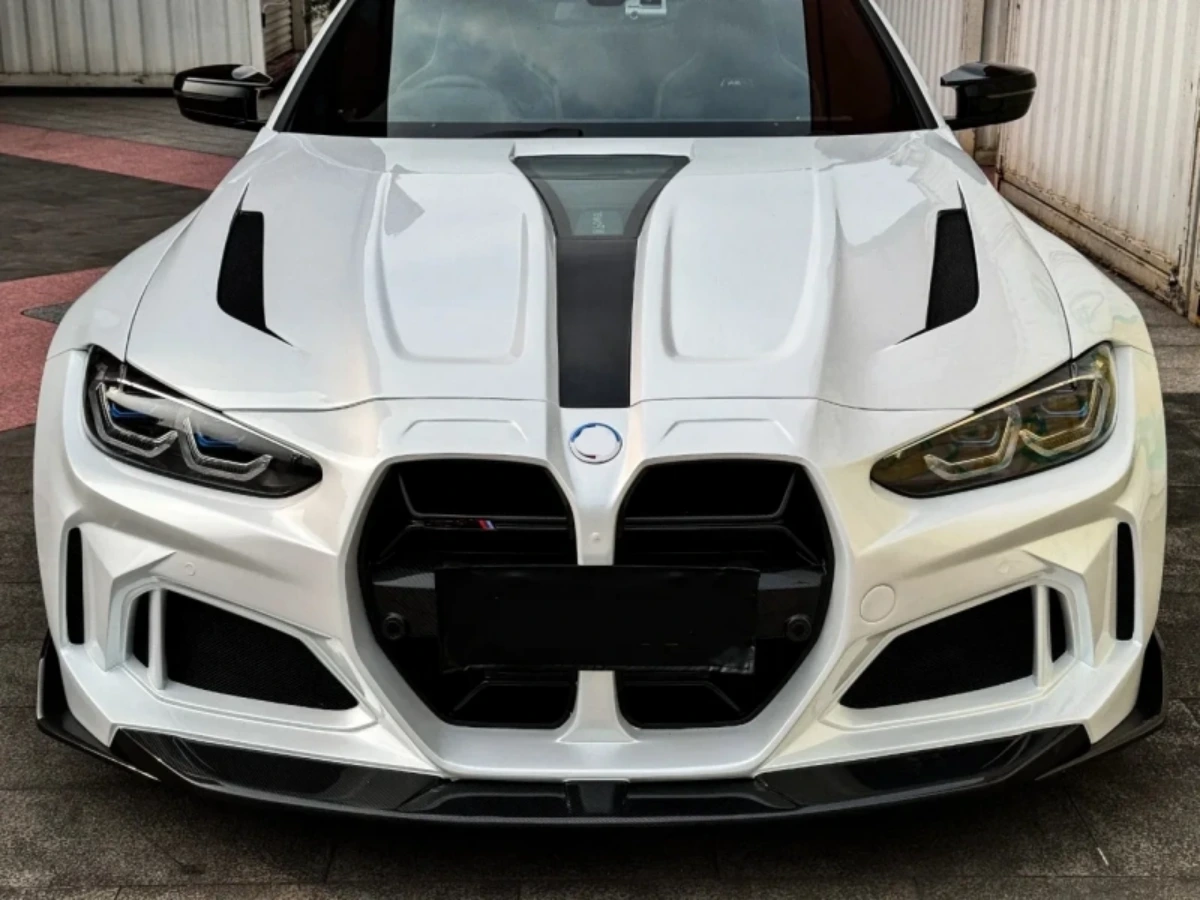
autoli TPU PPF Applied to all brand car models as Lexus、Dodge、jeep、Benz.Our factory cooperates with PPF brand、Auto Detailing service、Auto Detailing Shop and all so in many countries and regions around the world,like Malta,Spain,Canada,Uruguay,Warranty: 10 years.Our advantages:SGS, ASTM, REACH, UL and other certifications;High quality raw materials and advanced technology;Our customers are all over the world;Efficient production reduces costs;Your Key to Profitable PPF Ventures.Our factory also provides TPU PPF、Car Wrap、Vinyl wrapping.