

PPF’s adhesive activates with heat, ensuring strong bonding without air bubbles that can trap moisture and cause damage.,Precise cutting around badges/logos.,Partner with a PPF Wrap Factory: Exceptional Prices, Quick Delivery, Trusted Certifications.
The production supply chain and quality control system of PPF:
- Design for Quality (DFQ) – Quality requirements integrated into new product development from concept stage.
- Environmental Testing – Salt spray, humidity, and temperature cycle tests to validate durability in extreme climates.
- Finished Goods Warehousing – Regional distribution centers with climate control (20–25°C) to preserve adhesive quality.
- Statistical Process Control (SPC) – Real-time monitoring of extrusion parameters with control charts to maintain CpK ≥ 1.33.
- UV Resistance Testing – Accelerated weathering (QUV testing) for 1,000 hours to validate anti-yellowing performance.
- Regulatory Compliance Support – Suppliers providing documentation for REACH, FDA, and OEM material approvals.
- FIFO Inventory Rotation – First-in, first-out storage to ensure PPF rolls are shipped within optimal shelf life (12–18 months).
- Field Testing Programs – Real-world installations monitoring performance over 1–5 years in diverse climates.
The protective performance of PPF:
- Rapid Self-Healing Activation – Minor scratches heal within minutes under sunlight or low heat (40-60°C), restoring a flawless finish.
- Ceramic Coating Compatibility – Optional ceramic layers enhance hydrophobicity for easier cleaning and water repellency.
- **Long – Term Durability in Harsh Climates** – Whether in a hot and arid climate or a cold and snowy one, PPF maintains its protective qualities over an extended period.
- Low-Friction Surface – Smooth texture reduces friction from日常 use, minimizing abrasions and scratches.
- Sound Dampening via Multi-Layer Design – Engineered with acoustic layers to minimize road noise transmission, enhancing cabin comfort.
- Warranty Exclusions Clarity – Specifies coverage limits for damage from accidents, improper installation, or modifications.
- 10-Year Warranty Coverage – Protects against yellowing, cracking, delamination, and bubbling for decade-long peace of mind.
The environmental protection and sustainability of PPF:
- Seasonal Biodegradable PPF – Temporary films for rental fleets decompose in 3 years, avoiding landfill waste from short-term use.
- Carbon-Negative Initiatives – Brands invest in reforestation, sequestering 1.2x more CO? than their production emits annually.
- NGO Partnerships for Reforestation – Collaborations with WWF fund tree planting, offsetting 50% of production emissions annually.
- Electric Delivery Vans – Urban distribution uses EV fleets, reducing tailpipe emissions by 100% in city centers.
- Reusable Installation Tools – Brands provide washable microfiber squeegees instead of single-use plastic tools, cutting installer waste.
- Low-Offgassing Adhesives – Adhesives emitting <0.1mg/m3 of VOCs meet indoor air quality standards, reducing health risks during installation.
- Compostable Adhesives – Plant-based adhesives break down in 18 months under composting, avoiding persistent chemical residues in soil.
- Recyclable Cardboard Cores – PPF rolls use recycled cardboard cores instead of plastic, with 90% recyclability post-use.
- 50% Less Water for Washing – Hydrophobic properties reduce car wash frequency, saving 200 gallons of water per vehicle annually.
The product classification and selection logic of PPF:
- Lightweight Design Priority – Opting for thin yet strong PPF for electric vehicles to maximize range efficiency.
- Material-Based Classification – Products categorized as TPU, PET, or PVC PPF based on base polymer, dictating flexibility, durability, and cost.
- Installation Method Groups – Divided into DIY pre-cut kits, professional bulk rolls, and hybrid options balancing ease and precision.
- Technology Compatibility – Selecting radar-transparent PPF for EVs with ADAS to avoid sensor interference.
- Customization Flexibility – Choosing printable PPF for commercial vehicles requiring brand graphics over paint.
- Micro-Scratch Prevention – Choosing self-healing PPF for owners prioritizing a swirl-free finish between details.
The horizontal comparison of PPF with other protection methods:
- PPF vs. Matte Paint Sealants – PPF preserves matte paint texture while adding scratch resistance, whereas matte sealants focus on maintaining finish but lack impact defense.
- PPF vs. Rubberized Undercoating – Undercoating protects metal from rust, while PPF defends painted surfaces from road debris, with non-overlapping application zones.
- PPF vs. Bug Remover Coatings – Bug coatings make cleanup easier, while PPF resists insect acid etching, with PPF offering proactive protection vs. reactive cleaning aid.
- PPF vs. Paint Sealants – Sealants provide 6–12 months of chemical resistance, while PPF adds physical barrier protection against impacts, with both enhancing gloss but PPF lasting longer.
- PPF vs. Stone Guard Films (Thin) – Thin stone guards protect against small debris but lack self-healing, while PPF handles larger impacts and repairs minor damage automatically.
- PPF vs. Wheel Protective Films – PPF is designed for large painted panels, while specialized wheel films handle brake dust/heat, with PPF offering broader impact resistance.
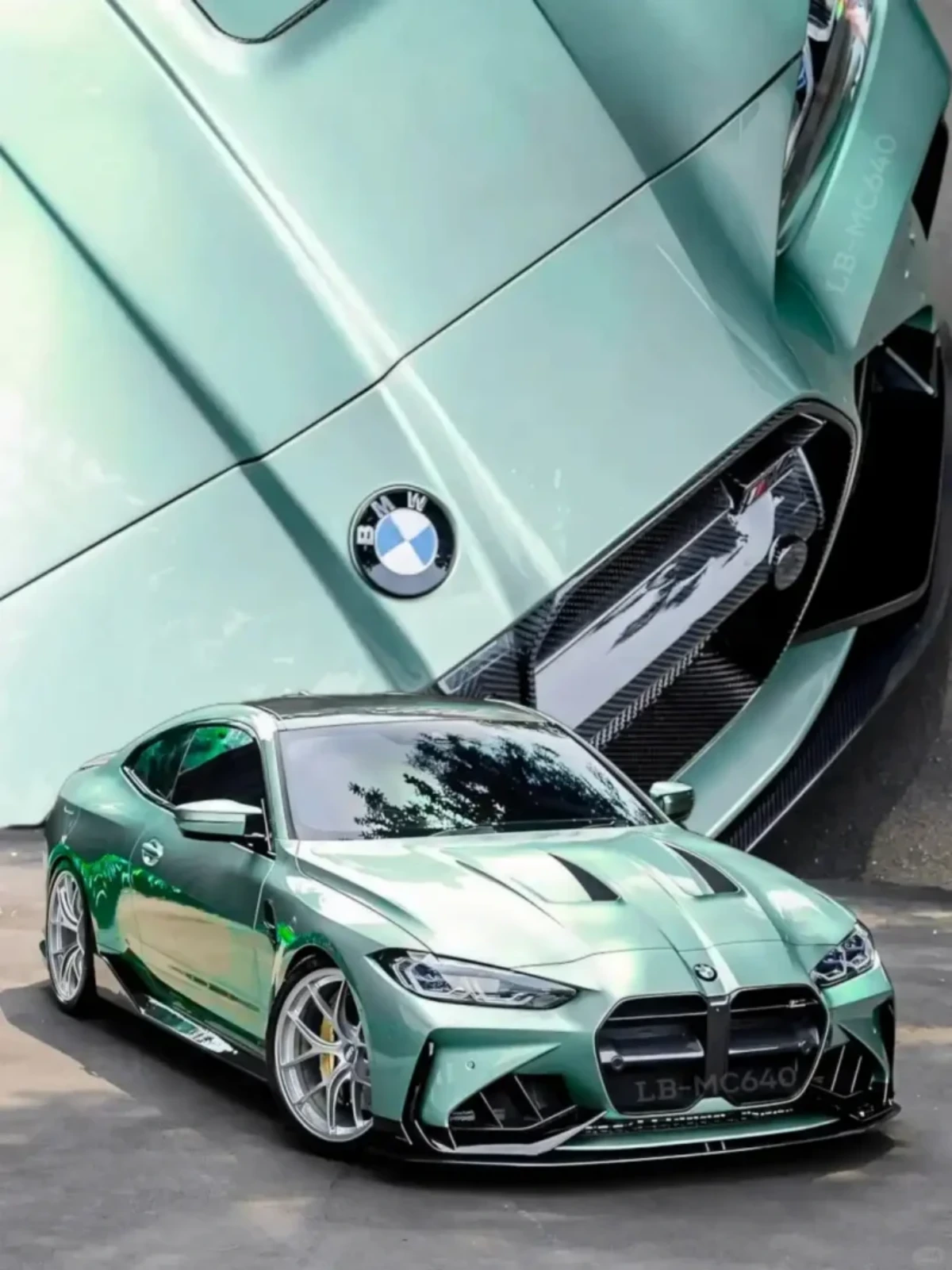
The regulations of PPF and after-sales services:
- Supply Chain Traceability – EU PPWR mandates tracking PPF materials from production to disposal, ensuring compliance with recycled content targets (e.g., 30% by 2030) .
- Nano-Coating Warranty Bundles – Hybrid solutions combining PPF with ceramic coatings (e.g., Onyx PPF Nano Coat) offer extended warranties covering both layers .
- California CARB VOC Limits – PPF adhesives sold in California must comply with CARB’s strict VOC regulations, reducing harmful emissions during installation to align with regional air quality standards .
- India’s BIS Certification for PP Materials – Polypropylene (PP) used in PPF production must meet India’s BIS certification under IS 10951:2020, ensuring quality and safety for domestic and export markets .
- Cross-Industry Regulatory Alignment – PPFs used in electronics or aerospace must comply with sector-specific standards (e.g., FCC for electronics), expanding regulatory complexity .
- Japan’s Window Tinting Restrictions – Japanese regulations ban PPF installation on front driver/passenger windows and mandate partial windshield film transparency to ensure unobstructed visibility .
- Australia’s UV Protection Standards – PPFs sold in Australia/NZ must comply with AS/NZS 4399 for UV protection, requiring UPF ratings ≥15 and transparency in labeling .
- Heat-Activated Self-Healing Warranties – Brands guarantee self-healing performance (e.g., 98% micro-scratch repair within 8 minutes at 45°C) under warranty, reflecting confidence in material durability .
- Certified Installer Networks – Brands like Eastman (DragonFilm) enforce tiered certification programs (e.g., 1-star to 7-star) to ensure standardized installation practices and warranty validity .
Before & After: How PPF Transforms a 10-Year-Old Car:
- Before: Rear spoiler with cracked clear coat from sun exposure; After: UV-stable PPF covers cracks and prevents further clear coat breakdown.
- Before: Fuel door with faded paint from repeated opening/closing; After: PPF covers wear patterns and reduces friction, maintaining a like-new appearance.
- Before: Under-hood battery terminals with corrosion staining nearby; After: PPF covers surrounding area, hiding stains and protecting against acid damage.
- Before: Rear bumper reflectors with paint chipping around edges; After: PPF covers reflector perimeters, hiding chips and maintaining consistent appearance.
- Before: Wheel well drain holes with rust around openings; After: PPF covers drain edges, hiding rust and preventing water from spreading corrosion.
- Before: Headlight washer nozzles with paint chipping around edges; After: PPF covers nozzle perimeters, hiding chips and preventing debris damage.
- Before: Hood covered in rock chips from a decade of highway driving; After: PPF’s impact-resistant layer conceals existing chips and prevents new ones, creating a smooth surface.
- Final transformation: A 10-year-old car, once showing decades of wear, looks refreshed and protected with PPF, extending its aesthetic life by 5 years.
- Before: A-pillars with tree branch scratches from off-road use; After: PPF’s scratch-resistant topcoat hides marks and protects during future trail adventures.
The cutting-edge technology research and development of PPF:
- Graphene-Reinforced Composites – Graphene oxide nanoplatelets (GONPs) and molybdenum disulfide (MoS?) nanoparticles increase PPF tensile strength by 262% and compressive modulus by 108%.
- Nano-Structured Anti-Graffiti Coatings – Superhydrophobic and oleophobic surfaces repel spray paint, allowing easy removal with water rinsing.
- Antimicrobial Silver-Ion Coatings – SILVERSAN? technology releases silver ions to inhibit bacterial growth, reducing odor-causing microbes by 99.9%.
- AI-Optimized Formulations – Machine learning models predict material performance across 10,000 TPU variants, accelerating R&D cycles by 60%.
- Nano-Bubble Enhanced Hydrophobicity – Microplasma-treated surfaces trap air nanobubbles, creating a Cassie-Baxter state for extreme water repellency.
- Multifunctional Nanocomposites – Black phosphorus nanosheets in PPF bone cements combine osteogenic activity with photothermal tumor ablation.
The horizontal comparison of PPF with other protection methods:
- PPF vs. Matte Paint Sealants – PPF preserves matte paint texture while adding scratch resistance, whereas matte sealants focus on maintaining finish but lack impact defense.
- PPF vs. Rubberized Undercoating – Undercoating protects metal from rust, while PPF defends painted surfaces from road debris, with non-overlapping application zones.
- PPF vs. Bug Remover Coatings – Bug coatings make cleanup easier, while PPF resists insect acid etching, with PPF offering proactive protection vs. reactive cleaning aid.
- PPF vs. Paint Sealants – Sealants provide 6–12 months of chemical resistance, while PPF adds physical barrier protection against impacts, with both enhancing gloss but PPF lasting longer.
- PPF vs. Stone Guard Films (Thin) – Thin stone guards protect against small debris but lack self-healing, while PPF handles larger impacts and repairs minor damage automatically.
- PPF vs. Wheel Protective Films – PPF is designed for large painted panels, while specialized wheel films handle brake dust/heat, with PPF offering broader impact resistance.
AUTOLI(CN) PPF(Paint Protection Film) manufacturer
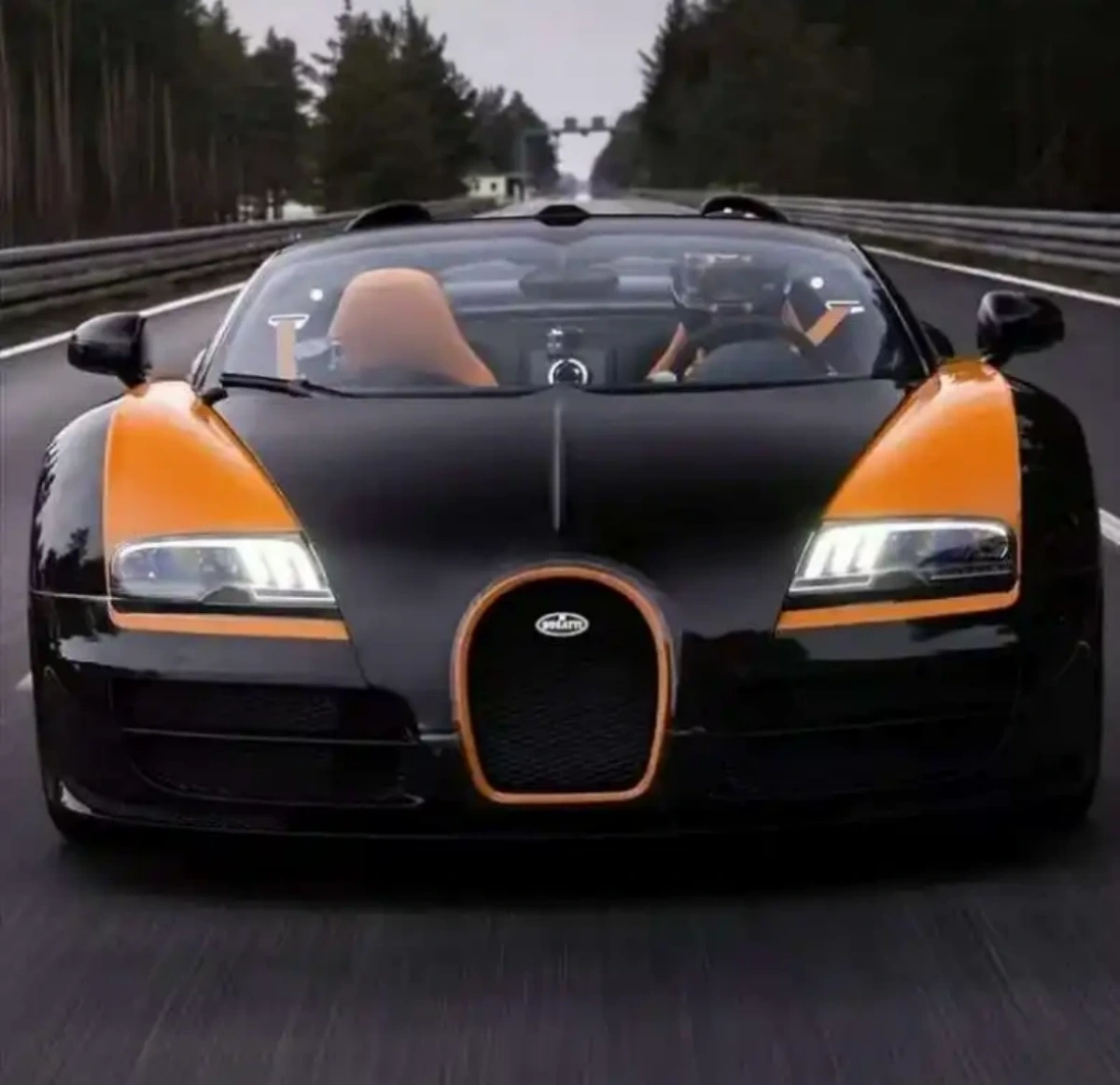
autoli TPU PPF Applied to all brand car models as ds、Dodge、Bugatti、Benz.Our factory cooperates with PPF agent、Auto Detailing Shop、PPF brand、Car Customization Shop、Auto Repair Center and all so in many countries and regions around the world,like Italy,Poland,Venezuela,Austria,SouthAfrica,Warranty: 10 years.Our advantages:Raw material purchasing advantage;Perfect after-sales service;High quality raw materials and advanced technology;Your Key to Profitable PPF Ventures.Our factory also provides car wrapping、Vinyl wrapping、TPU PPF.