

PPF’s low surface energy resists dust adhesion, keeping cars cleaner longer between washes in dry, dusty regions.,Prevents desert UV-induced paint fading.,PPF from Our Factory: Unmatched Quality, Low Costs.
The construction and maintenance of PPF:
- Avoid Abrasive Cleaners – Steering clear of compounds, polishes with abrasives, or acidic wheel cleaners protects the topcoat.
- Low-Pressure Pre-Rinse – Gentle initial rinsing loosens surface dirt, reducing friction during washing to avoid swirl marks.
- Low-Temperature Cleaning – Using warm (not hot) water in winter prevents thermal shock to the PPF and adhesives.
- Self-Healing for Minor Scratches – Applying gentle heat (e.g., hair dryer on low) accelerates repair of swirl marks or light scratches.
- Adhesive Priming – Using tack promoters on low-energy surfaces (e.g., plastic trim) enhances adhesion in challenging areas.
The user perception and consumption misconceptions of PPF:
- Correct Perception: Interior PPF Benefits – Users protect dashboards and touchscreens, reducing UV fading and scratch visibility by 80%.
- Consumer Misconception: “New Cars Don’t Need PPF Immediately” – Delaying installation, unaware that factory paint is most vulnerable to damage in the first 6 months of ownership.
- Consumer Misconception: “Once Applied, No Maintenance Needed” – A common myth that PPF requires zero upkeep, ignoring the need for pH-neutral cleaning to preserve hydrophobicity.
- Consumer Misconception: “PPF Installation Takes Days” – Avoiding PPF due to perceived downtime, not knowing modern pre-cut kits reduce professional installs to 1–2 days.
- Correct Perception: Professional Installation Worth Cost – 90% of satisfied users attribute results to certified installers, valuing dust-free environments and precision tools.
- Consumer Misconception: “Lifetime Warranty Means Forever” – Misunderstanding that “lifetime” warranties cover all damage, when most exclude improper maintenance or extreme impacts.
- Correct Perception: Brand Certification Matters – Buyers seek installers certified by brands like XPEL, linking training to better long-term results.
- Correct Perception: Ceramic Coating Enhances PPF Life – Users layer ceramic coatings over PPF, extending topcoat longevity by 2–3 years.
- Consumer Misconception: “PPF Works on Rusty Surfaces” – Applying PPF over existing rust, unaware it traps moisture and accelerates corrosion.
Say Goodbye to Car Scratches: Self-Healing PPF Revealed!:
- Unlike conventional paint protection, self-healing PPF doesn’t just hide scratches—it actively restores the film’s integrity through molecular reformation.
- “Touchless” car wash high-pressure nozzles leave no lasting marks, as self-healing PPF erases pressure-related scratches.
- Even after 5 years of use, self-healing PPF retains 80% of its repair efficiency, extending its aesthetic lifespan beyond basic protection.
- TPU’s elastic structure allows the film to flex under impact, then rebound and repair the resulting scratch through thermal activation.
- Unlike ceramic coatings that require precise application, self-healing PPF’s forgiving nature includes built-in damage reversal.
- Self-healing properties remain effective across the entire film, from large panels like hoods to detailed areas like door handles and mirrors.
- UV-stable formulas ensure self-healing PPF resists yellowing while still repairing sun-induced micro-scratches.
- Unlike rigid PVC films that crack, TPU-based self-healing PPF maintains flexibility to absorb impacts and repair the resulting damage.
- Family cars stay presentable as scratches from children’s toys or pet claws heal quickly, even with daily use.
- Even in cooler climates, garage warmth or body heat can trigger healing, ensuring scratch repair isn’t limited to hot weather.
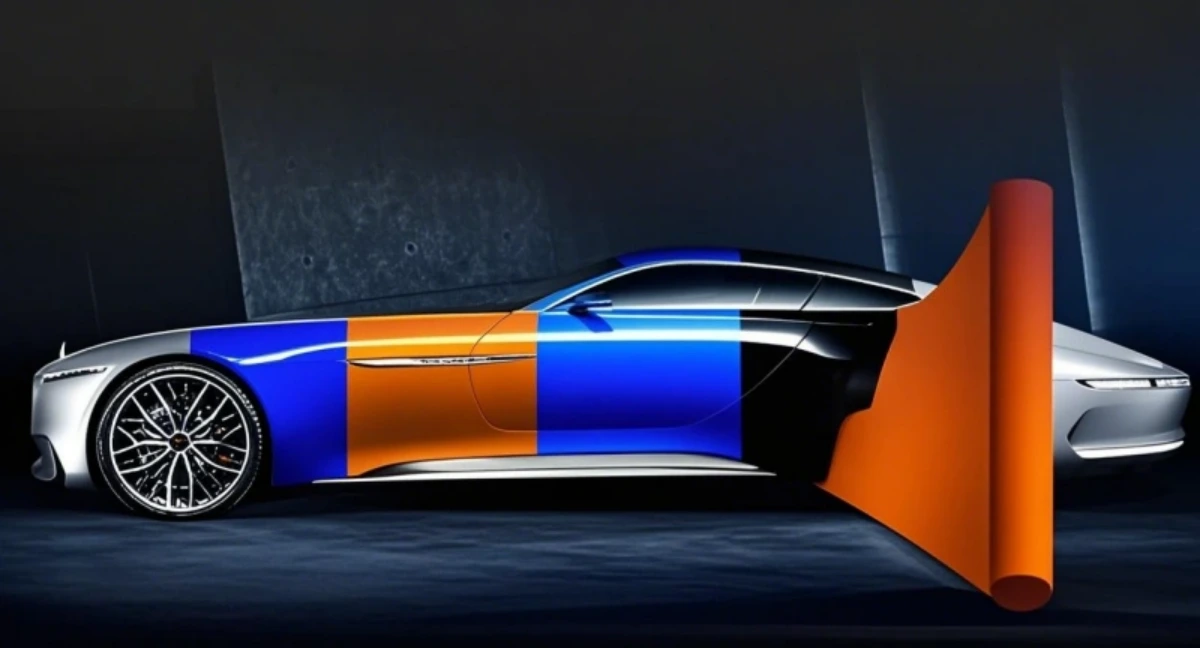
Before & After: How PPF Transforms a 10-Year-Old Car:
- Before: Door panels (exterior) with handprint stains and smudges; After: PPF’s non-porous surface hides stains and wipes clean easily, resisting new smudges.
- Before: Antenna base with rust spreading to surrounding paint; After: PPF seals the base, covering rust and preventing moisture from worsening corrosion.
- Before: Door panel armrests (exterior) with paint worn from leaning; After: PPF wraps armrests, covering wear and maintaining comfort without damage.
- Before: Wheel valve stem caps with faded color; After: PPF covers caps, preserving color and resisting scratches from tire pressure checks.
- Before: Rear bumper step pad with paint worn away; After: PPF adds protective layer, hiding bare spots and resisting future wear from stepping.
- Before: Roof antenna cable entry point with paint peeling around it; After: PPF seals the entry point, hiding peeling and preventing water intrusion into the cabin.
- Before: Wheel well liners with paint transfer from tires; After: PPF lines liners, hiding transfer and preventing rubber from damaging paint further.
- Before: Door latch striker plates with paint worn from contact; After: PPF lines striker areas, hiding wear and reducing friction between metal and paint.
- Before: Windshield cowl with leaves and debris trapped, causing stains; After: PPF covers cowl, hiding stains and simplifying debris removal.
The materials and technologies of PPF:
- Environmentally friendly and formaldehyde-free process: The production uses a VOCs-free formula, with no irritating odor during installation and use, meeting environmental standards.
- Smart damage detection layer: Embeds micro-sensors that interact with smartphone apps to alert users of hidden impacts or coating wear via subtle color shifts.
- Antibacterial and mold-resistant coating technology: Silver ion antibacterial agent is added to the membrane surface, which inhibits the growth of mold and bacteria in humid environments. This technology is particularly suitable for long-term use in areas with frequent rainfall and high humidity.
- The core substrate is thermoplastic polyurethane (TPU): It is highly flexible and impact-resistant, serving as the fundamental material for PPF to provide protection and self-repair capabilities, outperforming traditional PVC.
- Hydrophobic-hydrophilic bilayer design: Combines a superhydrophobic top layer (water contact angle >150°) and a hydrophilic sub-layer to prevent water spotting and improve cleaning efficiency.
- Scratch repair efficiency optimization technology: By adjusting the crosslinking density of TPU molecules and the coating activity, the self-repair speed of scratches under low-temperature conditions is enhanced, and the repair response time is shortened.
- Warm water activation adhesive: Enables repositioning for up to 24 hours post-installation using only water, reducing reliance on chemicals.
- Self-healing temperature threshold optimization: Activates repair mechanisms at 30°C (vs. 40°C traditionally), enabling faster recovery in mild climates.
- SAE J2527 Stone Chip Resistance Certification: Passes 120 km/h gravel impact testing without film penetration.
The regulations of PPF and after-sales services:
- Nano-Coating Warranty Bundles – Hybrid solutions combining PPF with ceramic coatings (e.g., Onyx PPF Nano Coat) offer extended warranties covering both layers .
- Japan’s Window Tinting Restrictions – Japanese regulations ban PPF installation on front driver/passenger windows and mandate partial windshield film transparency to ensure unobstructed visibility .
- Lifetime Warranty Programs – Premium PPF brands like 3M offer 7-year warranties on Pro Series films, covering defects like delamination and yellowing, while excluding wear and tear or improper installation .
- EU Digital Product Passport – PPF manufacturers must disclose material composition and recycling details via the EU’s Digital Product Passport, enhancing supply chain transparency .
- 3M’s Warranty Exclusions – 3M’s warranty explicitly excludes watermarks, improper maintenance, and non-authorized products, emphasizing the need for professional installation and genuine materials .
- Anti-Yellowing Guarantees – Brands like Aegis Eternal 400 offer 15-year warranties against yellowing, using HALS stabilizers to maintain optical clarity over extended periods .
The cost structure and price composition of PPF:
- Supply Chain Premiums – Post-pandemic, material shortages increased prices by 10–15% in 2023–2024.
- Mid-Range Price Points – 8mil self-healing PPF sells for $8–$12 per square foot, balancing quality and affordability.
- Seasonal Material Adjustments – Cold-weather formulations cost 5–10% more in winter months due to demand spikes.
- R&D Recoupment – New technologies (e.g., graphene reinforcement) add 5–10% to prices for 2–3 years post-launch.
- Technical Support Costs – Installer hotlines and training materials add $0.10–$0.20 per square foot.
- Raw Material Costs – TPU resin constitutes 35–45% of total production costs, with premium grades (self-healing) costing 2x standard TPU.
AUTOLI(CN) PPF(Paint Protection Film) manufacturer
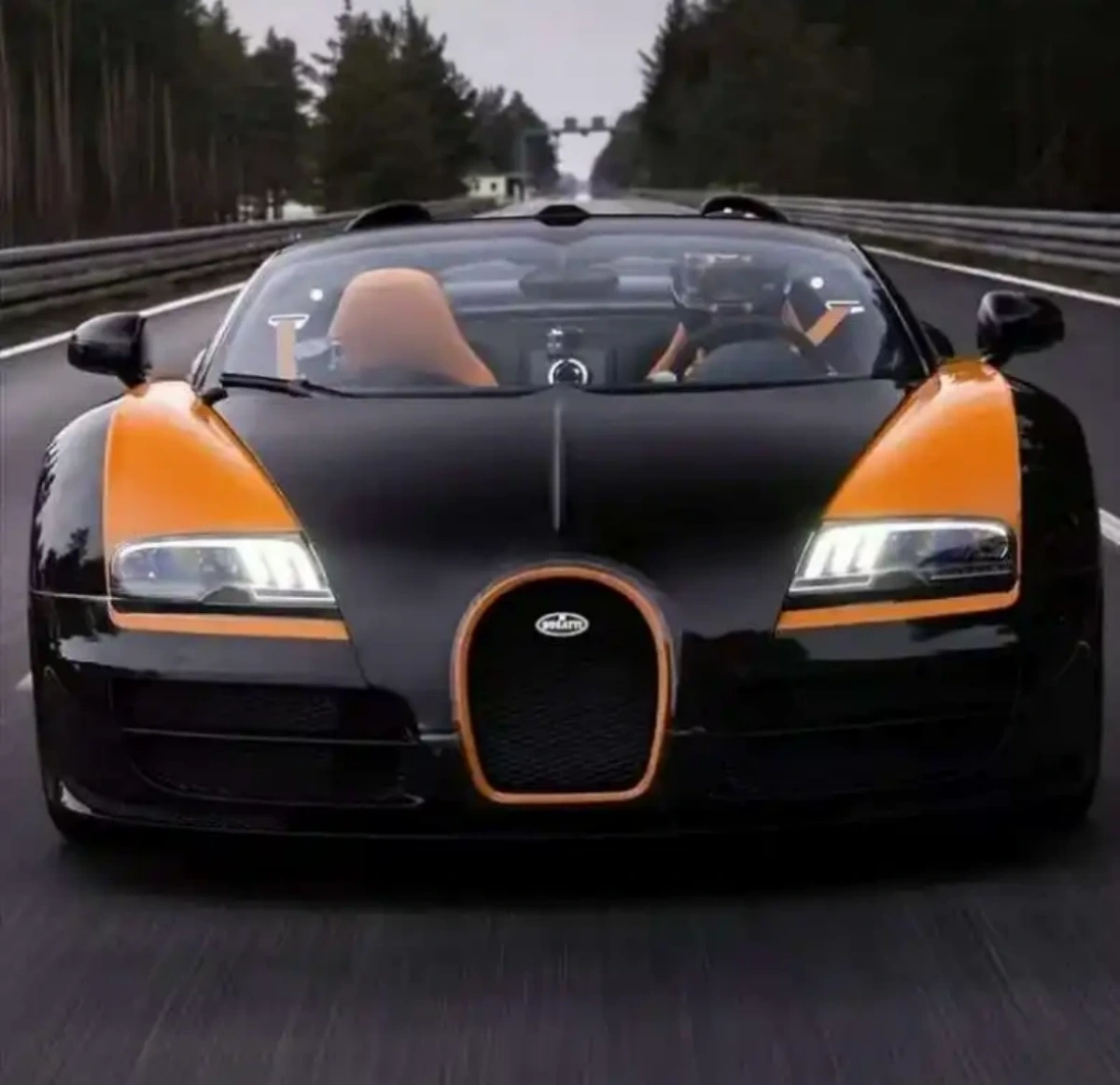
autoli TPU PPF Applied to all brand car models as Lamborghini、Volkswagen、Lincoln、Buick、Maserati、ford.Our factory cooperates with PPF wholesale、Auto Detailing service、Auto Detailing Shop and all so in many countries and regions around the world,like Austria,Malaysia,Venezuela,UK,Warranty: 10 years.Our advantages:Our customers are all over the world;Large stock of styles for you to choose from;Raw material purchasing advantage;SGS, ASTM, REACH, UL and other certifications;Unlock Business Growth with Our Factory’s PPF.Our factory also provides car wrapping、vinyl Wrap、Car Wraps.