

PPF’s application on side skirts protects against curb rash, a common damage point for low-slung cars.,Anti-microbial to inhibit mold in humidity.,Factory Alliance: Premium PPF, Amplified Business Reach.
The construction and maintenance of PPF:
- pH-Neutral Cleaning – Using pH 6–8 car wash soap avoids damaging the PPF’s protective topcoat or weakening adhesives.
- Edge Trimming – Precision cutting with a blade 1–2mm from panel edges prevents lifting while hiding trim lines.
- Winter Salt Rinse – Post-snow rinsing removes road salt to prevent chemical degradation of the PPF’s topcoat.
- Hand-Drying Post-Wash – Patting dry with microfiber towels instead of air-drying minimizes water spot formation.
- Oxidation Correction Pre-Install – Polishing oxidized paint ensures PPF adheres smoothly to uniform surfaces.
- Avoid High-Pressure Direct Sprays – Keeping pressure washers 30cm from edges prevents water from lifting film edges.
- Pre-Installation Paint Thickness Gauging – Using a paint meter ensures PPF application won’t exceed safe layers on thin factory paint finishes.
- Citrus-Based Degreasers – Petroleum-free, citrus cleaners remove oil stains without breaking down PPF adhesives.
- UV-Protection Boosters – Applying UV-resistant sprays in high-sun regions extends anti-yellowing performance.
The horizontal comparison of PPF with other protection methods:
- PPF vs. Silicone Spray – Silicone spray repels water temporarily but attracts dust, unlike PPF’s long-lasting hydrophobicity that resists dirt buildup.
- PPF vs. Anti-Graffiti Coatings – Anti-graffiti treatments focus on easy stain removal, while PPF adds physical barrier defense against scratches from graffiti tools.
- PPF vs. Powder Coating – Powder coating provides durable metal protection but is rigid and permanent, unlike PPF’s flexible, removable barrier for painted surfaces.
- PPF vs. Matte Paint Sealants – PPF preserves matte paint texture while adding scratch resistance, whereas matte sealants focus on maintaining finish but lack impact defense.
- PPF vs. Liquid Glass Coatings – Liquid glass offers 6–12 months of chemical resistance but lacks physical impact protection, while PPF combines 5 years of scratch defense with self-healing capabilities.
- PPF vs. Clear Bra (PVC) – Modern TPU PPF offers self-healing and flexibility, outperforming rigid PVC clear bras that crack in cold weather and lack repair capabilities.
- PPF vs. Bug Remover Coatings – Bug coatings make cleanup easier, while PPF resists insect acid etching, with PPF offering proactive protection vs. reactive cleaning aid.
- PPF vs. Wheel Protective Films – PPF is designed for large painted panels, while specialized wheel films handle brake dust/heat, with PPF offering broader impact resistance.
- PPF vs. Glass Coatings – Glass coatings excel on windows for clarity but don’t protect paint, whereas PPF is engineered specifically for automotive painted surfaces.
- PPF vs. Rust Converter Products – Converters treat existing rust, while PPF prevents rust triggers (moisture/salt) on painted surfaces, with complementary roles in corrosion management.
The environmental protection and sustainability of PPF:
- Waterless Cleaning Compatibility – PPF works with waterless wash sprays, saving 100 gallons per cleaning session versus traditional washing.
- Eco-Label Transparency – Clear labeling of recycled content (e.g., “30% recycled TPU”) helps consumers make environmentally informed choices.
- Carbon-Negative Initiatives – Brands invest in reforestation, sequestering 1.2x more CO? than their production emits annually.
- Reduced Vehicle Weight Impact – Lightweight PPF (6–10mil) adds minimal weight, avoiding increased fuel consumption compared to heavier protective alternatives.
- Biochar-Infused TPU – Adding biochar (carbon-rich biomass) sequesters CO? in PPF, reducing net carbon impact by 15%.
- Non-Toxic Disposal – PVC-free PPF avoids toxic chlorine release during incineration, making disposal safer for waste management workers.
- 50% Less Water for Washing – Hydrophobic properties reduce car wash frequency, saving 200 gallons of water per vehicle annually.
- Low-VOC Coatings – Topcoats with <50g/L VOCs meet strict EU limits, minimizing air pollution during curing and extending environmental compliance.
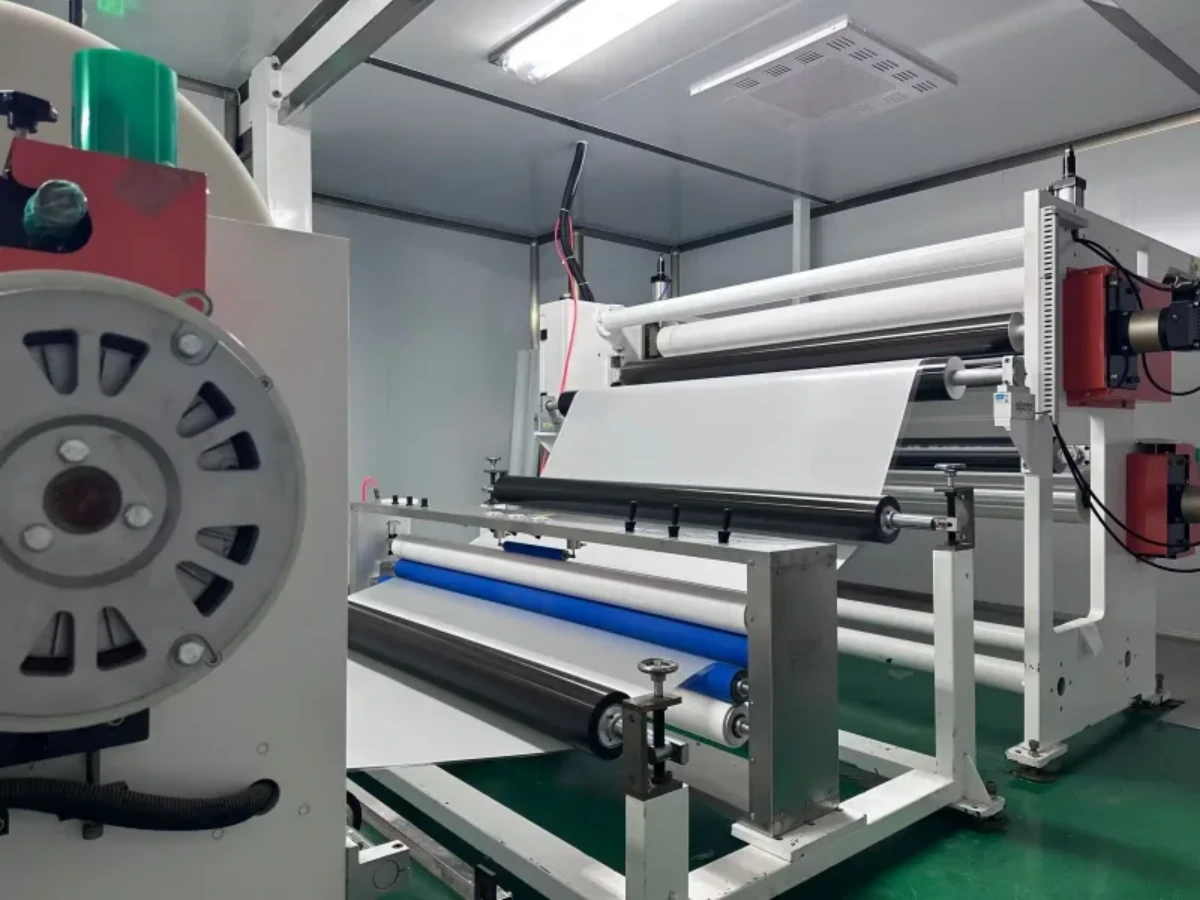
The market trends and industry changes of PPF:
- Online Certification Courses – Platforms like PPF University offer $99 online installer certifications, increasing skilled labor availability in underserved markets.
- Standardization of Installation Training – Industry-wide certifications (e.g., XPEL’s Accredited Installer Program) ensure consistency in application techniques, reducing warranty claims due to improper installation.
- Commercial Fleet Adoption – Delivery giants like Amazon and JD.com are equipping 70% of new vans with PPF, reducing fleet repaint costs by $300 per vehicle annually.
- E-Bike/Scooter PPF Demand – 40% of e-mobility retailers offer PPF for scooter bodies, protecting against urban scratches and extending resale value.
- Water-Based Adhesive Adoption – PPF manufacturers are shifting to water-based adhesives, reducing VOC emissions by 60% to meet EU and California air quality regulations.
- Detailing Chain Partnerships – PPF brands are collaborating with chains like Detail Garage, offering co-branded training and product bundles to expand reach.
- 3D Scanning and Custom Fitment – Laser-precut films using 3D vehicle scanning technology ensure seamless alignment, reducing installation time by 30% compared to traditional hand-cut methods.
The regulations of PPF and after-sales services:
- Anti-Yellowing Guarantees – Brands like Aegis Eternal 400 offer 15-year warranties against yellowing, using HALS stabilizers to maintain optical clarity over extended periods .
- Warranty Transferability – Transferred vehicle ownership often requires warranty re-registration, with brands like 3M requiring updated documentation to maintain coverage .
- WEEE Directive Compliance – End-of-life PPF must be recycled in accordance with the EU’s WEEE directive, promoting circular economy practices for electronic and automotive waste .
- Lifetime Warranty Programs – Premium PPF brands like 3M offer 7-year warranties on Pro Series films, covering defects like delamination and yellowing, while excluding wear and tear or improper installation .
- China’s Consumer Complaint Channels – PPF buyers in China can file quality-related disputes through the national 12315 hotline, facilitating regulatory oversight and resolution .
The differentiated user group needs matching of PPF:
- Drag Racing Vehicles – Require heat-resistant PPF for wheel wells and undercarriages, withstanding high temperatures from tire friction and exhaust.
- Family Car Owners – Seek scratch-resistant (5H ) PPF for door sills and bumpers to withstand child-related impacts, pet claws, and daily wear.
- Vintage Train Car Owners – Use large-format PPF to protect metal exteriors from rust and paint fading during outdoor display and limited use.
- Desert Dwellers – Require sand-resistant PPF with anti-abrasion topcoats to prevent paint damage from blowing sand and extreme UV radiation.
- SUV Owners – Prefer full-coverage 8–9mil PPF with reinforced wheel arches to protect larger surfaces from off-road debris and parking scrapes.
- Photography Vehicle Owners – Select high-gloss white PPF for van exteriors, maintaining clean backdrops for on-location photo shoots.
- Classic Car Auction Transport – Use temporary protective PPF for transit, shielding vehicles from road debris during transport to auctions.
- Wildlife Research Vehicles – Choose low-gloss PPF that reduces vehicle visibility to animals, while protecting paint from brush and mud in remote areas.
- Historic Preservation Vehicles – Use reversible PPF that protects antique paint while allowing documentation of original surfaces for restoration records.
- Classic Car Collectors – Opt for low-tack, reversible PPF that preserves original paint while allowing removal for concours events and inspections.
TPU PPF VS PET PPF:
- Repair Potential – TPU PPF allows spot patching of damaged areas, while PET PPF requires full panel replacement for localized damage.
- Lightweight Advantage – TPU PPF’s strength-to-weight ratio is 2x higher than PET PPF, allowing thinner films with equivalent protection.
- Edge Sealing Options – TPU PPF accepts heat sealing for permanent edges, while PET PPF requires adhesive sealants that degrade faster.
- High-Speed Performance – TPU PPF resists stone chips at 120km/h, while PET PPF fails at 80km/h in highway tests.
- Moisture Barrier – TPU PPF prevents water intrusion for 72 hours, while PET PPF allows moisture penetration after 24 hours at edges.
- Weather Adaptability – TPU PPF performs in coastal salt spray, while PET PPF shows corrosion under film in high-humidity environments.
- Longevity Testing – TPU PPF shows 80% performance retention after 7 years, while PET PPF retains only 30% functionality after the same period.
- Low-Light Visibility – TPU PPF’s clarity enhances nighttime visibility for headlights, while PET PPF can create slight haze reducing light output.
AUTOLI(CN) PPF(Paint Protection Film) factory
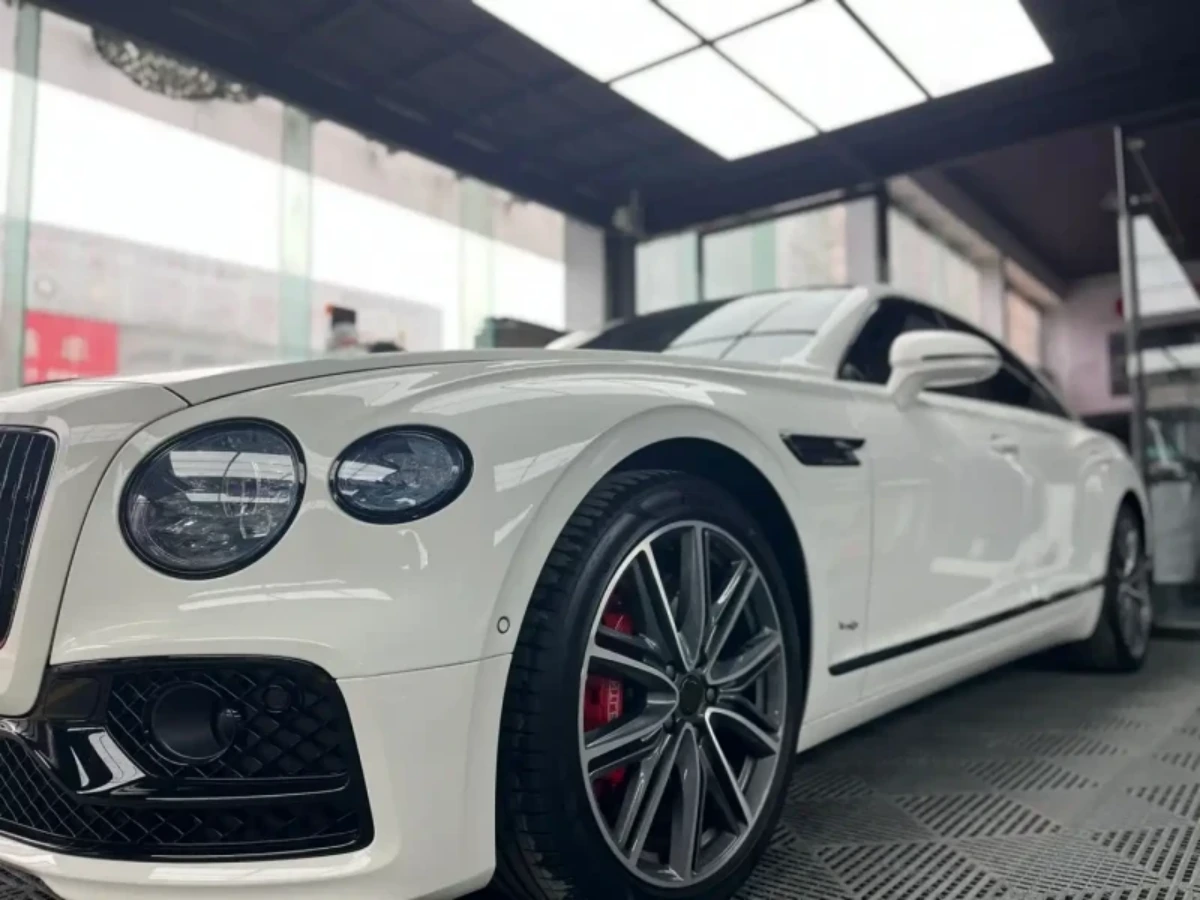
autoli TPU PPF Applied to all brand car models as Maserati、Lexus、Rolls-Royce、Lamborghini、Land Rover、Maserati.Our factory cooperates with PPF trading、PPF distributor、ppf installation and all so in many countries and regions around the world,like Maldives,Romania,Singapore,Holland,Warranty: 10 years.Our advantages:Our customers are all over the world;Collaborate for Lucrative Returns: Source factory;Perfect after-sales service;Unlock Business Growth with Our Factory’s PPF;Large stock of styles for you to choose from.Our factory also provides Paint Protection Film、car wrapping.