

PPF’s longevity means fewer replacements, reducing waste compared to short-lived protective products.,Avoids blade contact with paint during cutting.,Our Factory’s PPF: Your Ticket to Unprecedented Profit Bonanzas.
Before & After: How PPF Transforms a 10-Year-Old Car:
- Before: Roof with bird dropping etchings and tree sap stains; After: PPF’s chemical-resistant topcoat hides stains and prevents new etching, creating a uniform surface.
- Before: Fuel door with faded paint from repeated opening/closing; After: PPF covers wear patterns and reduces friction, maintaining a like-new appearance.
- Before: Rear bumper reflectors with scratched lenses; After: Clear PPF covers reflectors, hiding scratches and maintaining visibility for safety.
- Before: Antenna base with rust spreading to surrounding paint; After: PPF seals the base, covering rust and preventing moisture from worsening corrosion.
- Before: Rear wiper arm base with rust and paint peeling; After: PPF seals the base, covering rust and preventing water intrusion that causes further damage.
- Before: Hood prop rod mounting point with paint worn from contact; After: PPF covers mounting area, hiding wear and reducing friction damage from prop rod.
- Before: Door edges with countless scratch marks from parking mishaps; After: PPF’s self-healing layer covers scratches and resists new ones, creating crisp, unmarked edges.
- Before: Gas cap hinge with rust and paint peeling; After: PPF covers hinge area, hiding rust and preventing moisture from worsening damage.
- Before: Door jambs with paint wear from repeated opening; After: PPF lines jambs, covering scuffs and reducing friction between metal and paint.
- Before: Front license plate bracket with rust and paint loss; After: PPF covers bracket edges, hiding rust and preventing water from worsening corrosion.
The materials and technologies of PPF:
- Precision cutting technology: Relying on digital pattern data, it enables precise, non-destructive cutting for different vehicle surfaces, reducing membrane stretching damage during installation.
- Thickness gradient optimization design: The thickness is differentiated according to the protection requirements of different vehicle parts (e.g., thicker for the hood to resist impact and thinner for the sides for easier adhesion), balancing protection and workability.
- Anti-graffiti protection technology: A low surface energy coating is added to the surface, making graffiti, glue, etc. difficult to adhere. With a slight wipe, they can be removed, reducing the cost of later cleaning.
- The core substrate is thermoplastic polyurethane (TPU): It is highly flexible and impact-resistant, serving as the fundamental material for PPF to provide protection and self-repair capabilities, outperforming traditional PVC.
- RFID tracking chip: Embeds a passive RFID tag for anti-theft tracking and warranty management, readable via smartphone NFC.
- Energy-harvesting film: Integrates photovoltaic cells to generate 0.5W/m2 of power for vehicle electronics.
- Thermal conductivity regulation: Optimizes heat transfer through the film to prevent paint overheating in direct sunlight, reducing thermal stress on clear coats.
- Unique surface-cutting algorithm for vehicle models: Based on 3D vehicle model scanning data, an adaptive cutting logic has been developed to precisely match the body’s waistline, curvature, and other complex surfaces, reducing manual trimming errors.
- Extreme UV durability enhancement: Uses dual UV absorbers (organic and inorganic) to maintain 90% of original performance after 10,000 hours of accelerated UV testing.
The horizontal comparison of PPF with other protection methods:
- PPF vs. Chrome Polish – Chrome polish removes tarnish but doesn’t prevent future damage, while PPF on chrome trims resists scratches and maintains shine long-term.
- PPF vs. Anti-Fade Treatments – Anti-fade treatments slow UV damage but don’t prevent scratches, unlike PPF which blocks UV rays and shields against physical wear.
- PPF vs. UV-Blocking Window Tints – Tints reduce interior UV exposure, while PPF blocks exterior paint UV damage, with both addressing UV risks but on different surfaces.
- PPF vs. Fabric Protectors – Fabric protectors repel stains on interiors, while PPF defends exterior paint, with both using hydrophobic tech but on different materials.
- PPF vs. Rubber Gasket Protectants – Gasket protectants prevent drying/cracking, while PPF has no role in rubber maintenance, highlighting their non-overlapping functions.
- PPF vs. Glass Coatings – Glass coatings excel on windows for clarity but don’t protect paint, whereas PPF is engineered specifically for automotive painted surfaces.
- PPF vs. Rubberized Undercoating – Undercoating protects metal from rust, while PPF defends painted surfaces from road debris, with non-overlapping application zones.
- PPF vs. Paint Sealant Sprays – Sealant sprays offer 6–9 months of UV protection but no scratch defense, while PPF combines both for extended durability.
- PPF vs. Paint Correction – Paint correction fixes existing swirls/scratches, while PPF prevents future damage, with PPF often applied post-correction to preserve results.
The user scenarios and value validation of PPF:
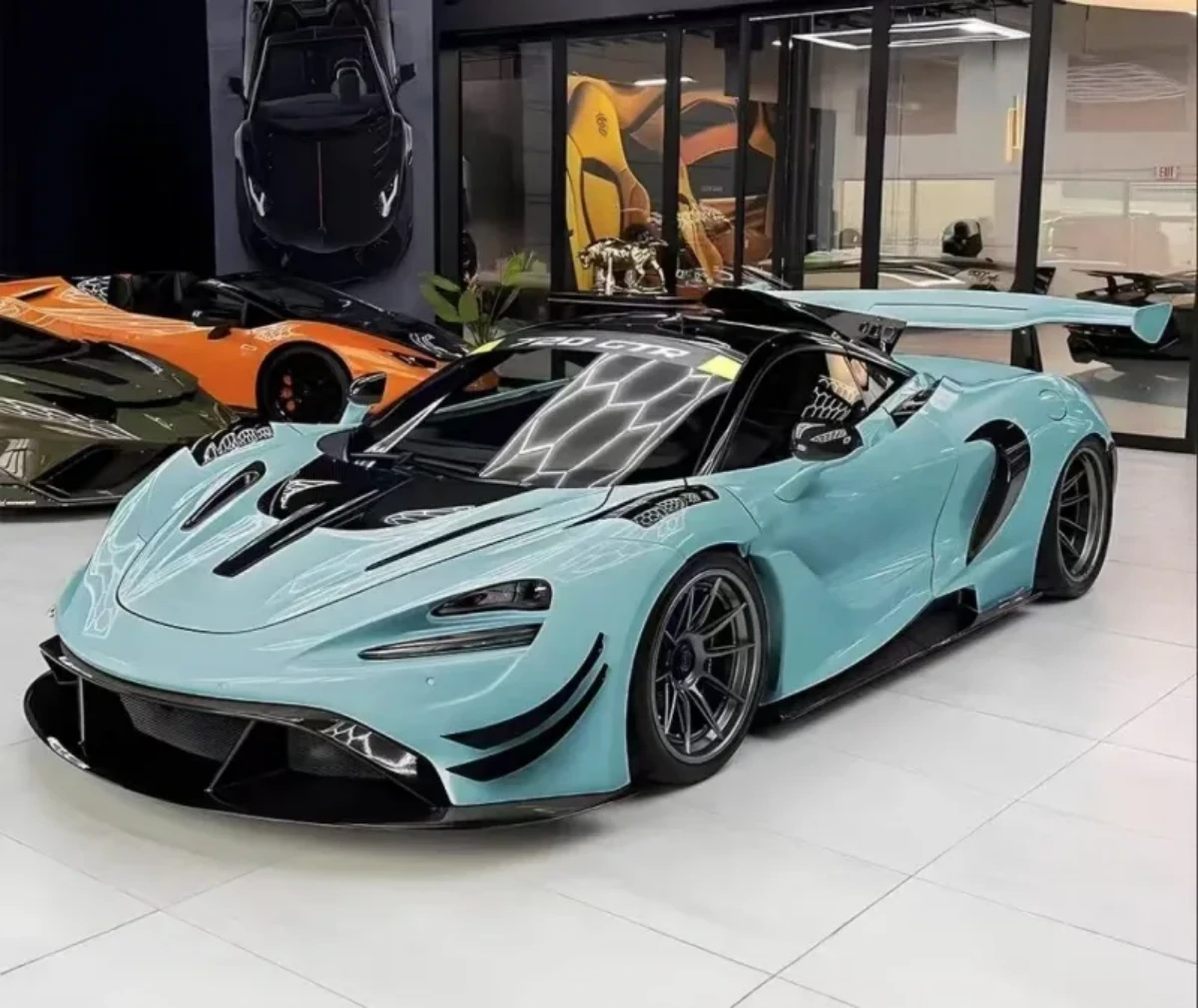
- Exotic Car Owners – Guards Lamborghini and McLaren carbon fiber panels from rock chips, as replacement costs for damaged panels exceed $10,000.
- Photography Vehicle Owners – Maintains clean white backdrops on vans for photoshoots, as PPF resists dirt staining during outdoor location shoots.
- Art Car Enthusiasts – Preserves custom murals and decals from weathering, with removable PPF allowing art updates without damaging the base design.
- Car Show Competitors – Enhances gloss on show cars like Ferrari 488s, with judges noting 30% higher “paint finish” scores for PPF-protected entries.
- Commercial Fleet Operators – Reduces repaint frequency for Amazon delivery vans by 60%, cutting maintenance downtime by 15 hours per vehicle yearly.
- Snowmobile Trail Groomers – Resists ice and salt corrosion on heavy machinery, reducing rust formation by 55% in cold-weather operations.
The cost structure and price composition of PPF:
- Equipment Rental Fees – Laser cutters and heat guns add $20–$50 per install to professional service costs.
- Bio-Based TPU Premium – Plant-derived TPU increases raw material costs by 15–20% but supports premium pricing.
- Small-Batch Premium – Custom colors or finishes cost 30–50% more due to low-volume production inefficiencies.
- Lead Time Premiums – Rush orders add 20–30% to prices to prioritize production and shipping.
- Recycled Material Savings – 30% recycled TPU blends reduce raw material costs by 8–12% without significant quality loss.
- Local Sourcing Savings – Regional TPU suppliers cut logistics costs by 10–15%, reflected in lower prices.
The cutting-edge technology research and development of PPF:
- Energy-Efficient Curing – Infrared curing systems reduce energy consumption by 50% compared to convection ovens, aligning with ISO 14001 sustainability standards.
- Dynamic Thermal Management – Phase change materials (PCMs) encapsulated in PPF absorb and release heat to maintain 22–25°C surface temperature.
- AI-Powered Defect Prediction – Machine learning models analyze extrusion parameters to predict and prevent defects before production starts.
- AI-Powered Predictive Maintenance – Machine learning models analyze sensor data to predict PPF degradation, scheduling replacements before failure.
- Multifunctional Smart Films – Integrated humidity sensors and pH indicators in PPF provide real-time environmental monitoring for agricultural applications.
- Bio-Based Antioxidants – Rosemary extract and tocopherol derivatives replace synthetic stabilizers, extending PPF lifespan by 30% in UV exposure.
- Multifunctional Antimicrobial Films – Nano-silver and copper oxide particles in PPF inhibit 99.9% of MRSA and E. coli while maintaining self-healing properties.
The production supply chain and quality control system of PPF:
- Supplier Quality Development – Workshops with suppliers to improve incoming material quality and reduce inspection efforts.
- Customer Feedback Integration – Warranty claim analysis used to identify unforeseen quality issues in real-world use.
- New Supplier Onboarding – 6–12 month qualification process including trial runs before full-scale material adoption.
- Document Control System – Version-controlled procedures, work instructions, and test methods accessible to all staff.
- Sustainability Audits – Annual assessments of suppliers’ carbon footprints and waste reduction efforts for eco-friendly sourcing.
The differentiated user group needs matching of PPF:
- Limousine Services – Select mirror-finish PPF for black exteriors, minimizing swirl marks from frequent client pickups and drop-offs.
- Mobile Bookstore Vans – Select scratch-resistant PPF for door edges, withstanding frequent customer entry/exit and book cart impacts.
- Desert Dwellers – Require sand-resistant PPF with anti-abrasion topcoats to prevent paint damage from blowing sand and extreme UV radiation.
- Wildlife Research Vehicles – Choose low-gloss PPF that reduces vehicle visibility to animals, while protecting paint from brush and mud in remote areas.
- Motorcycle Fleet Managers – Use pre-cut PPF kits for fuel tanks and fairings to reduce repair costs from rider-induced scratches and road debris.
- Mobile Business Vans – Select logo-friendly clear PPF to protect brand graphics from road wear while maintaining visibility of company messaging.
- Daily Urban Commuters – Seek 7–8mil UV-stabilized PPF for scratch resistance against parking lot dings and road debris during city driving.
- Solar Farm Maintenance Trucks – Use dust-resistant PPF to protect cabs from desert sand, maintaining visibility and reducing cleaning needs.
- Mobile Library Vans – Prefer child-friendly scratch-resistant PPF, withstanding frequent door slams and book cart impacts during outreach.
AUTOLI(CN) PPF(Paint Protection Film) manufacturer
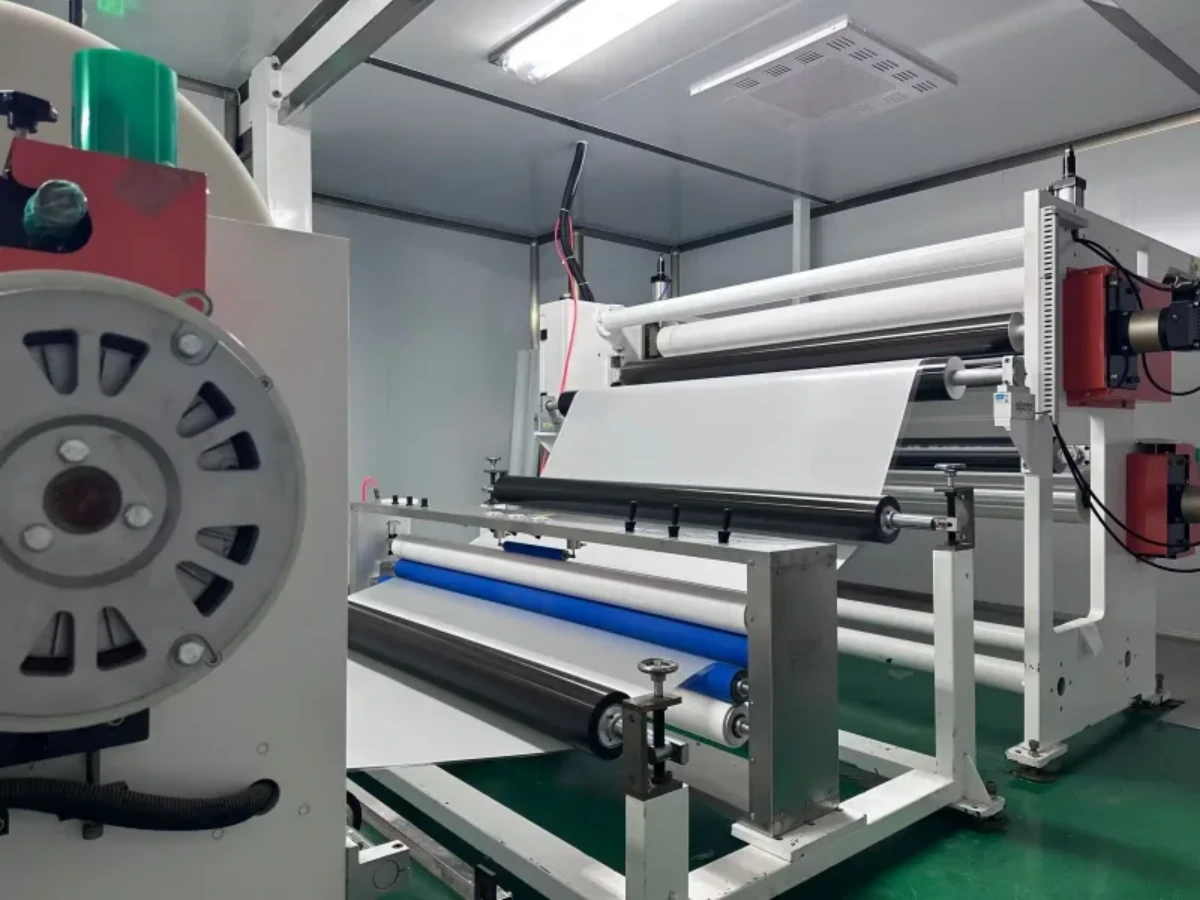
autoli TPU PPF Applied to all brand car models as Benz、Cadillac、Buick、acura、Buick、Mazda.Our factory cooperates with AutoZone、Auto Spa、Car Customization Shop、PPF installer and all so in many countries and regions around the world,like New Zealand,Austria,Germany,USA,Warranty: 10 years.Our advantages:Your Key to Profitable PPF Ventures;Perfect after-sales service;SGS, ASTM, REACH, UL and other certifications;Efficient production reduces costs;High quality raw materials and advanced technology.Our factory also provides car wrapping、vinyl Wraps、Vinyl Car Wrap、Car Wraps.