

PPF’s scratch depth reduction by 60% via “hard-soft segment” TPU structure minimizes damage from keys or accidental scrapes.,Preserves custom paint finish originality.,Partner with Our Factory: PPF – Enabled Profit Expansion, Step – by – Step.
The differentiated user group needs matching of PPF:
- Coastal Residents – Choose saltwater-resistant PPF with anti-corrosion additives to combat salt spray and humidity-induced oxidation.
- Farm Equipment Operators – Apply heavy-duty 12mil PPF to tractor hoods and cabs, resisting crop debris, mud, and chemical splatters.
- Mobile Bookstore Vans – Select scratch-resistant PPF for door edges, withstanding frequent customer entry/exit and book cart impacts.
- Mobile Business Vans – Select logo-friendly clear PPF to protect brand graphics from road wear while maintaining visibility of company messaging.
- Low-Maintenance Drivers – Prefer self-healing PPF that repairs minor scratches (≤3μm) with sunlight/heat, minimizing the need for frequent detailing.
How TPU Redefines PPF:
- Disaster Recovery – TPU’s protection during storms redefined PPF from daily-use products to emergency preparedness tools reducing post-storm repair costs.
- Cultural Adaptability – TPU’s compatibility with local climates redefined PPF from Western-focused products to global solutions for tropical, desert, and polar regions.
- Smart Maintenance – TPU’s IoT sensor integration redefined PPF from passive films to connected systems alerting owners to needed repairs or cleaning.
- Structural Support – TPU’s reinforcement of weak points redefined PPF from surface-only protectors to structural aids preventing paint chipping on high-impact areas.
- Chemical Compatibility – TPU’s resistance to cleaning agents redefined PPF from delicate films to easy-maintain solutions compatible with pH-neutral cleaners.
- Low-VOC Production – TPU’s solvent-free manufacturing redefined PPF from high-emission products to eco-friendly options meeting CARB and REACH standards.
- Inclusive Design – TPU’s compatibility with all vehicle makes/models redefined PPF from luxury-only products to accessible protection for economy cars and classics.
- Cold-Weather Flexibility – TPU’s resistance to brittleness in sub-zero temperatures redefined PPF from seasonal products to year-round protection in cold climates.
- Warranty Reliability – TPU’s consistent performance redefined PPF warranties from vague guarantees to 5–15 year commitments with clear coverage.
The cutting-edge technology research and development of PPF:
- Nano-Ceramic Reinforced PPF – Zirconia and alumina nanoparticles increase PPF hardness to 9H while maintaining 85% transparency.
- Bio-Based UV Stabilizers – Plant-derived flavonoids and carotenoids replace synthetic HALS, maintaining UV resistance for 10 years.
- Multifunctional Self-Healing Films – Microcapsules containing both healing agents and antimicrobial silver ions offer dual functionality for medical devices.
- Bio-Based Crosslinkers – Plant-derived citric acid and tannic acid replace toxic crosslinkers, achieving 100% biodegradability.
- Nano-Textured Anti-Icing Surfaces – Laser-induced nanostructures reduce ice adhesion strength by 80%, preventing snow accumulation on vehicles.
- AI-Optimized Formulations – Machine learning models predict material performance across 10,000 TPU variants, accelerating R&D cycles by 60%.
- AI-Powered Material Discovery – High-throughput screening platforms identify novel TPU formulations with tailored properties in days instead of years.
- AI-Optimized Recycling – Machine learning algorithms sort end-of-life PPF by material composition, improving recycling efficiency to 95%.
- Bio-Based Flame Retardants – Chitosan-functionalized ammonium polyphosphate (CS-APP) and phenylphosphonic difurfurylamine (PPDF) provide V-0 rating in UL 94 tests with <1% loading.
- Self-Healing Antimicrobial Films – Silver-ion-doped microcapsules combine scratch repair with 99.9% bacterial reduction for medical device applications.
The user perception and consumption misconceptions of PPF:
- Correct Perception: Pre-Cut vs. Hand-Cut Tradeoffs – Users understand pre-cut kits save time, while hand-cut offers better precision on complex curves.
- Consumer Misconception: “PPF Installation Requires Paint Removal” – Fearing sanding or stripping, unaware professional installs use gentle cleaning without paint removal.
- Correct Perception: Climate-Specific Formulas – Users in deserts seek UV-enhanced PPF, while coastal buyers prioritize saltwater resistance, matching products to environments.
- Correct Perception: Matte Finish Compatibility – Educated buyers seek matte-specific PPF, avoiding gloss films that ruin specialty paint textures.
- Consumer Misconception: “Once Applied, No Maintenance Needed” – A common myth that PPF requires zero upkeep, ignoring the need for pH-neutral cleaning to preserve hydrophobicity.
- Consumer Misconception: “PPF Traps Moisture Under Paint” – A false fear that PPF causes rust, ignoring that proper installation creates a moisture barrier preventing corrosion.
- Correct Perception: Interior PPF Prevents UV Cracking – Users apply PPF to dashboards, reducing plastic fading and cracking by 60% in sunny climates.
- Correct Perception: Temperature Tolerance – Cold-climate users seek flexible PPF, avoiding cracking in sub-zero conditions unlike rigid alternatives.
- Consumer Misconception: “PPF Installation Takes Days” – Avoiding PPF due to perceived downtime, not knowing modern pre-cut kits reduce professional installs to 1–2 days.
The user scenarios and value validation of PPF:
- Family Car Owners – Protects minivan door sills from kids’ shoes and pet claws, with 80% reporting “like-new” interior/exterior after 3 years of use.
- Classic Car Dealers – Enhances showroom appeal of Jaguar E-Types, with glossy PPF boosting perceived value by 10% during client viewings.
- Electric Golf Cart Fleets – Protects resort carts from sand and sun damage, keeping rental units looking new 3x longer in tropical destinations.
- Antique Fire Truck Collectors – Preserves vintage 1950s fire engine paint while allowing parade use, with reversible PPF preventing permanent damage.
- Art Car Enthusiasts – Preserves custom murals and decals from weathering, with removable PPF allowing art updates without damaging the base design.
- Motorcycle Riders – Shields Harley-Davidson fuel tanks from belt buckle scratches, maintaining resale value for touring bikes by 12%.
- First-Time Car Owners – Provides peace of mind for new drivers, with 75% avoiding costly lessons in “how to fix a key scratch” on their first vehicle.
- Coastal Residents – Defends against salt spray corrosion in Miami and Sydney, with PPF-treated vehicles showing 70% less rust formation on lower panels.
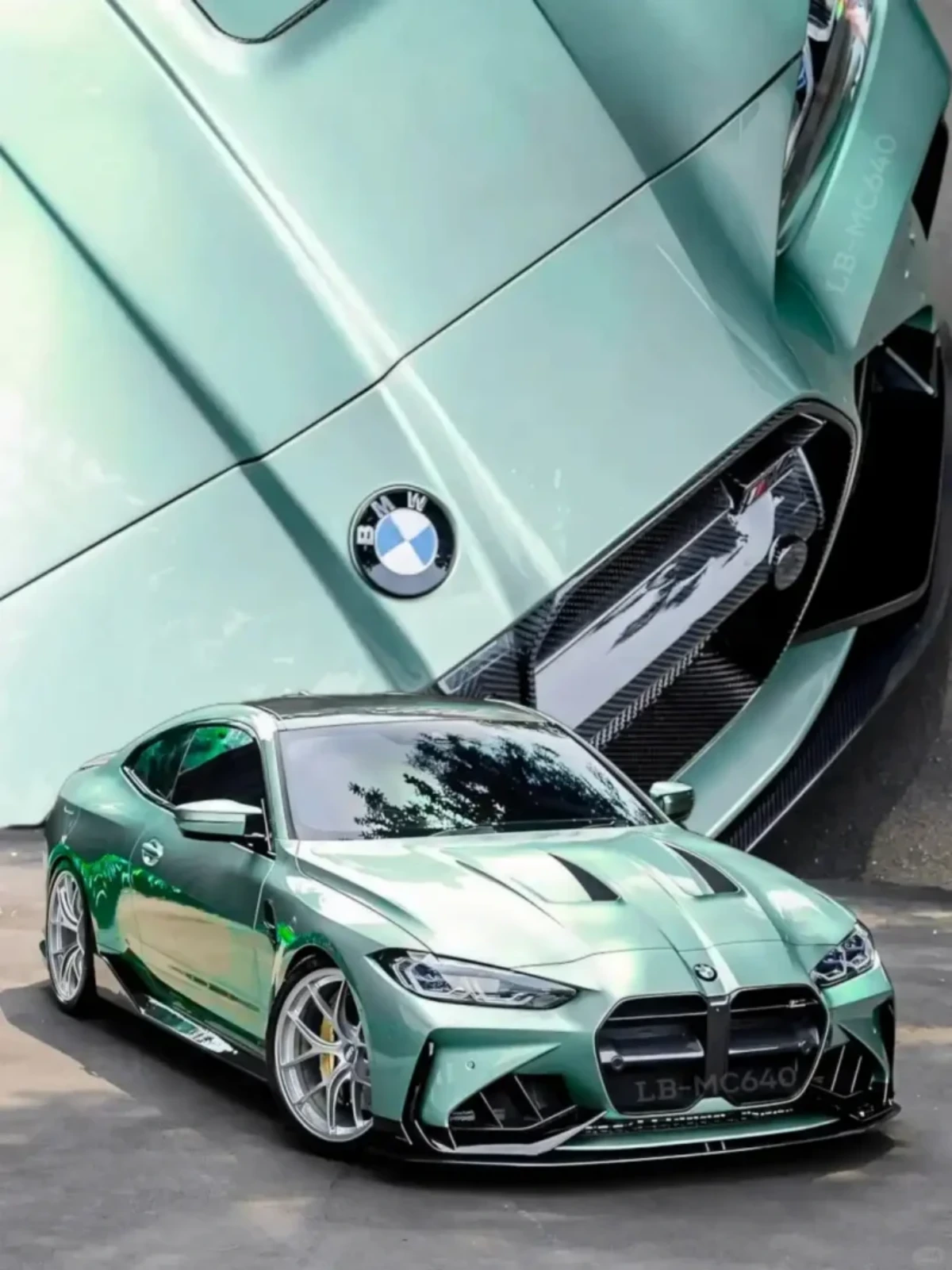
- Custom Paint Owners – Preserves expensive matte or chameleon finishes, with PPF preventing swirl marks that would ruin $5,000 custom paint jobs.
The market trends and industry changes of PPF:
- Detailing Chain Partnerships – PPF brands are collaborating with chains like Detail Garage, offering co-branded training and product bundles to expand reach.
- Cross-Industry Collaborations – Material suppliers (e.g., Lubrizol) are partnering with PPF manufacturers to develop specialized films for extreme climates, such as heat-resistant variants for desert regions.
- Regional Finish Preferences – Matte PPF dominates Europe (45% of sales) while glossy finishes lead in North America (60%), reflecting aesthetic cultural differences.
- Sustainability-Driven Material Shifts – The EU’s Packaging and Packaging Waste Regulation (PPWR) mandates recyclable materials by 2030, prompting PPF manufacturers to adopt bio-based TPU and recycled polypropylene (PP) to reduce environmental impact.
- Commercial Fleet Adoption – Delivery giants like Amazon and JD.com are equipping 70% of new vans with PPF, reducing fleet repaint costs by $300 per vehicle annually.
- AI Quality Control in Production – Machine vision systems inspect 100% of PPF rolls for defects, reducing post-installation warranty claims by 45%.
The materials and technologies of PPF:
- Low-VOCs production certification: Meets global eco-standards like GREENGUARD Gold, ensuring volatile organic compound emissions below 50μg/m3 during manufacturing.
- Low-VOCs production certification: Meets global eco-standards like GREENGUARD Gold, ensuring volatile organic compound emissions below 50μg/m3 during manufacturing.
- Nanometer-level functional coating technology: The surface is covered with a hydrophobic and oleophobic coating, reducing the adhesion of stains and enhancing scratch resistance. Some contain UV-resistant particles to improve weather resistance.
- Biodegradable adhesive: Breaks down in industrial composting facilities within 180 days, certified by DIN EN 13432.
- Multi-layer optical coating: Combines anti-reflective and color-enhancing layers to boost paint color saturation by 5-8% while maintaining high light transmittance.
- Instant repair trigger for micro scratches: Optimizing the molecular activity threshold of TPU, it can quickly activate the repair mechanism at temperatures above 30 degrees Celsius or slight friction (such as towel wiping), shortening the response time for minor scratch repair.
AUTOLI(CN) PPF(Paint Protection Film) manufacturer
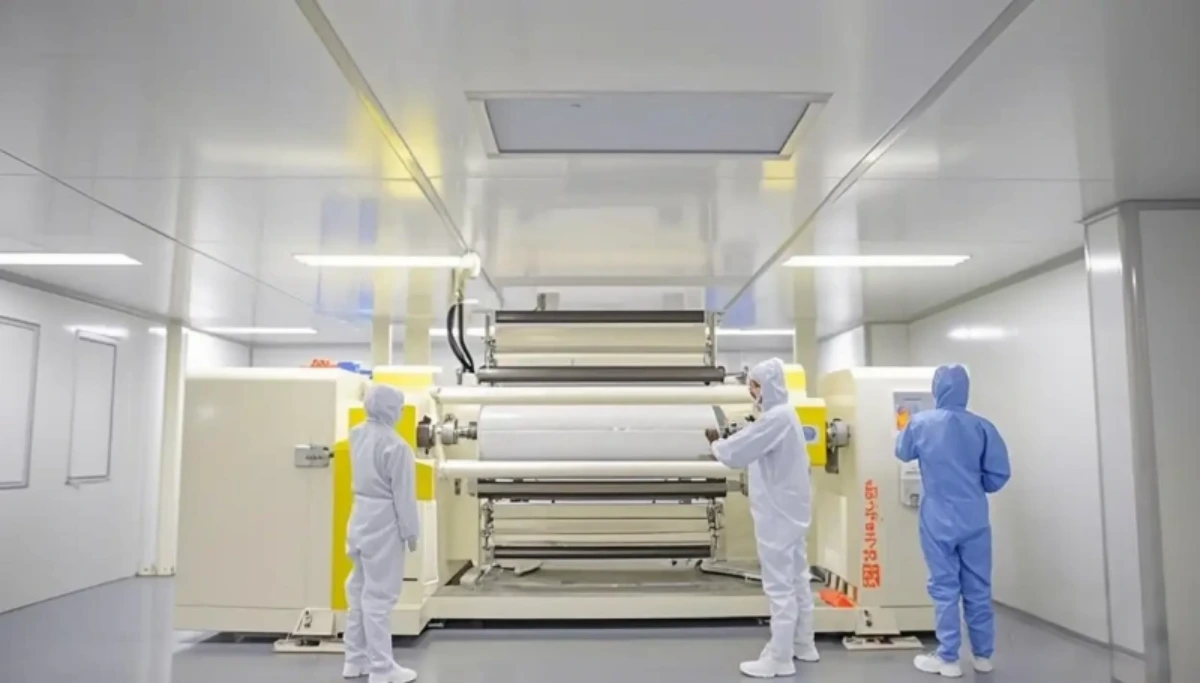
autoli TPU PPF Applied to all brand car models as Bugatti、bmw、Cadillac、volvo、Jaguar、AstonMartin.Our factory cooperates with PPF distributor、PPF agent、PPF wholesaler、AutoZone and all so in many countries and regions around the world,like Morocco,Romania,Maldives,England,Indonesia,France,Warranty: 10 years.Our advantages:Raw material purchasing advantage;Strict quality control system;Unlock Business Growth with Our Factory’s PPF;Efficient production reduces costs;Your Key to Profitable PPF Ventures.Our factory also provides Car Wrap、vinyl Wraps、PPF.