

PPF’s durability in coastal areas resists salt spray corrosion, protecting cars near oceans from premature rusting.,Peace of mind with comprehensive protection.,Your Business Revitalizer: Factory – Crafted PPF, Unleash Profit Potential.
The extension of PPF’s functions:
- Before: Quarter panels with water spots and mineral deposits; After: Hydrophobic PPF repels water, hiding existing spots and preventing new buildup.
- Before: Front bumper tow hook cover with lost paint; After: PPF covers the cover, hiding bare spots and maintaining a seamless bumper appearance.
- Before: Trunk lid with key scratches and luggage scuffs; After: PPF’s self-healing properties erase fine scratches, creating a flawless surface for loading/unloading.
- Before: Front license plate bracket with rust and paint loss; After: PPF covers bracket edges, hiding rust and preventing water from worsening corrosion.
- Before: Fog light surrounds with yellowing and stone chips; After: PPF covers discoloration and shields against debris, maintaining consistent appearance.
- Before: Rear bumper step pad with paint worn away; After: PPF adds protective layer, hiding bare spots and resisting future wear from stepping.
- Before: A-pillars with tree branch scratches from off-road use; After: PPF’s scratch-resistant topcoat hides marks and protects during future trail adventures.
- Before: Door panel armrests (exterior) with paint worn from leaning; After: PPF wraps armrests, covering wear and maintaining comfort without damage.
How TPU Redefines PPF:
- Low-Labor Requirements – TPU’s forgiving installation redefined PPF from skilled-labor-dependent products to accessible services requiring less training.
- Disaster Recovery – TPU’s protection during storms redefined PPF from daily-use products to emergency preparedness tools reducing post-storm repair costs.
- Color Stability – TPU’s pigment-retention properties redefined PPF from clear-only products to color-stable tinted films for subtle aesthetic enhancement.
- Pet-Friendly Protection – TPU’s scratch resistance redefined PPF from delicate films to pet-safe solutions withstanding claws and fur on family vehicles.
- Customization Capability – TPU’s laser-cuttable nature redefined PPF from generic sheets to vehicle-specific kits with precision fits for complex curves.
- Anti-Corrosion Properties – TPU’s moisture barrier redefined PPF from paint protectors to rust-preventing systems in coastal and winter regions.
The regulations of PPF and after-sales services:
- NAR Auto Film’s Compensation Policy – NAR PPF provides 1:1 pre-installation and 1:2 post-installation defect compensation, backed by factory insurance covering up to 100% of replacement costs .
- Australia’s UV Protection Standards – PPFs sold in Australia/NZ must comply with AS/NZS 4399 for UV protection, requiring UPF ratings ≥15 and transparency in labeling .
- 3M’s Warranty Exclusions – 3M’s warranty explicitly excludes watermarks, improper maintenance, and non-authorized products, emphasizing the need for professional installation and genuine materials .
- Lifetime Warranty Programs – Premium PPF brands like 3M offer 7-year warranties on Pro Series films, covering defects like delamination and yellowing, while excluding wear and tear or improper installation .
- EU REACH Compliance – PPF manufacturers must adhere to EU REACH regulations, ensuring all chemicals used in production meet strict safety and environmental standards, particularly for PFAS substances like C9-C14 PFCAs, which are restricted to ≤25 ppb in materials .
- Recall Protocols for Defects – In cases of material defects (e.g., delamination), manufacturers like PurePPF coordinate nationwide recalls and replacements via authorized installers .
- China’s Consumer Complaint Channels – PPF buyers in China can file quality-related disputes through the national 12315 hotline, facilitating regulatory oversight and resolution .
The user perception and consumption misconceptions of PPF:
- Correct Perception: Warranty Transfer Adds Value – Sellers highlight transferable warranties, knowing they boost resale appeal for next owners.
- Consumer Misconception: “PPF Is Only for Exteriors” – Overlooking interior applications, missing opportunities to protect door sills and touchscreens.
- Correct Perception: Edge Sealing Importance – Savvy users check for heat-sealed edges, knowing proper sealing reduces lifting by 80% in car washes.
- Consumer Misconception: “PPF Makes Paint Shiny Forever” – Expecting permanent gloss, not realizing topcoat wear requires periodic sealant reapplication to maintain shine.
- Consumer Misconception: “PPF Yellowing Is Inevitable” – Fearing all PPF yellows, unaware that modern anti-yellowing formulas with HALS stabilizers last 10 years clear.
TPU PPF VS PET PPF:
- UV Stability – TPU PPF with HALS additives resists yellowing for 10 years, while PET PPF typically yellows within 2–3 years of UV exposure.
- Cold-Weather Flexibility – TPU PPF remains flexible at -30°C, while PET PPF cracks when bent at -10°C.
- Low-Temperature Installation – TPU PPF installs reliably at 15°C , while PET PPF requires 20°C environments to prevent adhesive failure.
- Thermal Expansion Coefficient – TPU PPF’s low expansion reduces edge lifting in heat, while PET PPF’s higher expansion causes 2x more seasonal lifting.
- Thermal Cycling Performance – TPU PPF survives 500 freeze-thaw cycles, while PET PPF shows cracking after 200 cycles.
- Eco-Friendliness – TPU PPF is 100% recyclable, while PET PPF’s adhesive layers complicate recycling, resulting in 60% lower recovery rates.
- Custom Cutting – TPU PPF laser-cuts cleanly for complex curves, while PET PPF tends to crack during precision cutting on sharp angles.
- Outdoor Storage Performance – TPU PPF-protected vehicles show 70% less fading in outdoor storage, compared to 30% reduction with PET PPF.
- Impact Energy Absorption – TPU PPF’s viscoelastic properties dissipate 60% of impact energy, while PET PPF’s rigid structure absorbs only 25%.
- Edge Sealing Options – TPU PPF accepts heat sealing for permanent edges, while PET PPF requires adhesive sealants that degrade faster.
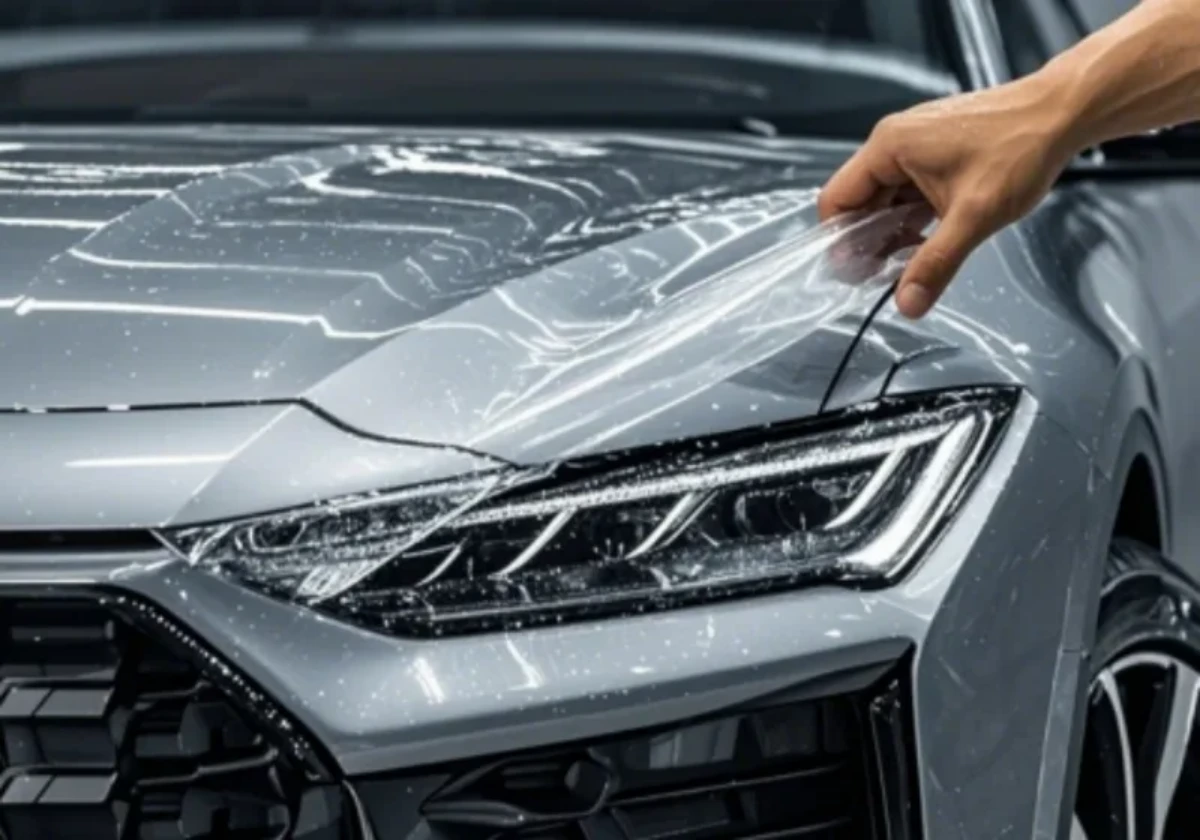
The production supply chain and quality control system of PPF:
- Regulatory Compliance Support – Suppliers providing documentation for REACH, FDA, and OEM material approvals.
- Quality Management System (QMS) – ISO 9001-certified processes governing all stages from raw material to finished product.
- Predictive Maintenance – IoT sensors on production equipment forecasting part failures to prevent unplanned downtime.
- Emergency Supply Protocols – Backup production facilities activated during primary plant downtime to maintain supply continuity.
- Six Sigma Projects – DMAIC methodology applied to reduce variation in critical processes (e.g., coating uniformity).
- Water Recycling Systems – Closed-loop water usage in cooling processes, sourced from local utilities with treatment partnerships.
- Supplier Development Programs – Workshops with tier-2 suppliers to improve material consistency and reduce defects.
- Reverse Logistics – Systems for returning defective rolls, with sorting centers identifying repairable vs. recyclable materials.
The long-term monitoring and maintenance system after the installation of PPF:
- Flexibility Testing – Bending small film samples (from replacements) to check for brittleness, indicating polymer degradation.
- Coastal Region Salt Damage Checks – Monthly inspections for corrosion under PPF in saltwater zones, focusing on metal trim edges.
- Humidity-Triggered Cleaning Adjustments – Increasing cleaning frequency by 50% in ≥70% humidity to prevent mold under PPF.
- DIY Bubble Repair Guidelines – Using a needle to puncture bubbles, then applying heat and gentle pressure with a microfiber cloth.
- Professional Detailing Partnerships – Scheduling annual professional decontamination (iron removal, tar cleanup) to preserve topcoat.
- 24-Hour Bird Dropping Protocol – Spraying droppings with water, letting sit 5 minutes, then wiping with microfiber to avoid etching.
- Drying Cloth Maintenance – Washing microfiber cloths in mild detergent (no fabric softener) to preserve lint-free properties.
The environmental protection and sustainability of PPF:
- Reduced Repaint Frequency – PPF’s 5–10 year protection cuts automotive repaint cycles, saving 3 gallons of paint per vehicle over its lifespan.
- Seasonal Biodegradable PPF – Temporary films for rental fleets decompose in 3 years, avoiding landfill waste from short-term use.
- Biodegradable Edge Trims – Paper-based edge trims on PPF rolls decompose naturally, avoiding plastic trim waste.
- Carbon Footprint Labeling – Clear labels show kg CO?e per roll, helping consumers prioritize low-impact products.
- 30% Recycled TPU Blends – Films incorporating recycled TPU reduce virgin plastic use, with mechanical properties matching 100% virgin materials.
Before & After: How PPF Transforms a 10-Year-Old Car:
- Before: Hood scoop with accumulated road grime in crevices; After: PPF’s smooth surface covers grime-stained areas and simplifies cleaning in hard-to-reach spots.
- Before: Fog light surrounds with yellowing and stone chips; After: PPF covers discoloration and shields against debris, maintaining consistent appearance.
- Before: Trunk lid with key scratches and luggage scuffs; After: PPF’s self-healing properties erase fine scratches, creating a flawless surface for loading/unloading.
- Before: Door latch striker plates with paint worn from contact; After: PPF lines striker areas, hiding wear and reducing friction between metal and paint.
- Before: Gas cap door with faded paint from sun exposure; After: PPF’s UV protection covers fading and maintains color consistency with the rest of the car.
- Before: Side view mirror housings with paint worn from adjusting; After: PPF wraps housings, covering wear and reducing friction during adjustments.
- Before: Roof antenna base with paint peeling around the edges; After: PPF seals the base edge, hiding peeling and preventing water from getting under paint.
- Before: Rear bumper reflectors with paint chipping around edges; After: PPF covers reflector perimeters, hiding chips and maintaining consistent appearance.
- Before: Wheel balance weights with rust staining around them; After: PPF covers weight areas, hiding stains and preventing rust from spreading under paint.
- Before: Side vent grilles with dust buildup and paint chipping; After: PPF covers grille edges, hiding chips and simplifying cleaning of dust-prone areas.
AUTOLI(CN) PPF(Paint Protection Film) manufacturer
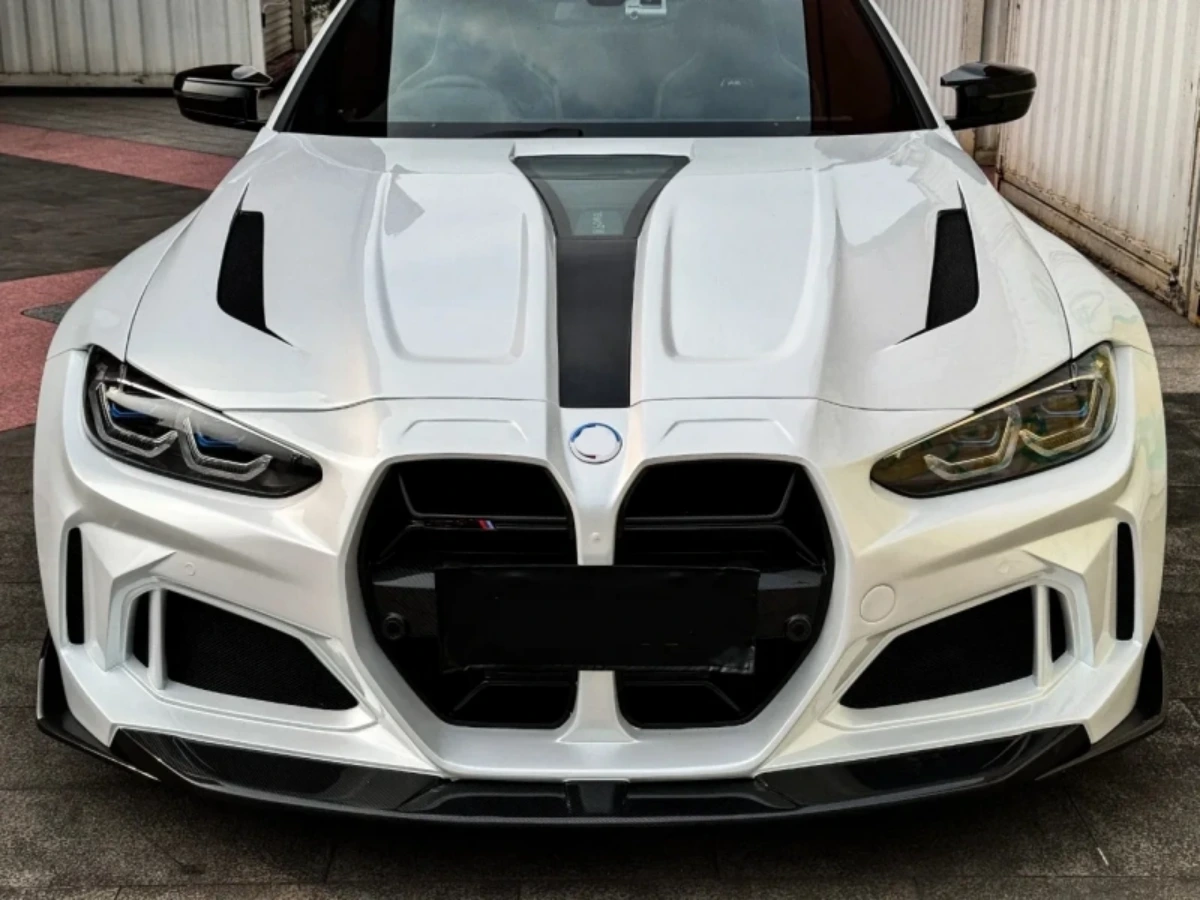
autoli TPU PPF Applied to all brand car models as Jaguar、Bugatti、Tesla、Maserati、Ferrari、bmw.Our factory cooperates with PPF distributor、Auto Detailing Shop、Auto Detailing and all so in many countries and regions around the world,like UK,Chile,Romania,Ecuador,Warranty: 10 years.Our advantages:Our customers are all over the world;Your Key to Profitable PPF Ventures;High quality raw materials and advanced technology;SGS, ASTM, REACH, UL and other certifications;Efficient production reduces costs.Our factory also provides carwraps、car film、PPF Vinyl Car Wrap.