

PPF’s application on side skirts protects against curb rash, a common damage point for low-slung cars.,Resists chemical cleaner damage during washing.,Custom PPF Colors – MOQ 100 Rolls, 15-Day Lead Time.
The cost structure and price composition of PPF:
- Military/First Responder Discounts – 10–15% price reductions, offset by tax benefits for businesses.
- Carbon Offset Surcharges – Optional $5–$10 per vehicle for carbon-neutral shipping, adopted by 15–20% of buyers.
- Training Program Investments – Installer certification programs cost $500–$1,000 per technician, recovered via service premiums.
- Equipment Depreciation – Extrusion machines (5–10 year lifespan) contribute 5–7% to per-unit costs annually.
- Trade-In Valuation – PPF preservation adds 5–10% to vehicle resale value, justifying initial investment.
- Raw Material Costs – TPU resin constitutes 35–45% of total production costs, with premium grades (self-healing) costing 2x standard TPU.
- Currency Fluctuation Impact – Dollar/Euro volatility adds 3–5% price variability for cross-border transactions.
- Insurance Costs – Liability coverage for installation errors adds 2–3% to service prices.
The horizontal comparison of PPF with other protection methods:
- PPF vs. Wax Sprays – Wax sprays enhance gloss for 2–4 weeks but offer no scratch protection, while PPF provides long-term defense with minimal maintenance.
- PPF vs. Wheel Protective Films – PPF is designed for large painted panels, while specialized wheel films handle brake dust/heat, with PPF offering broader impact resistance.
- PPF vs. Multi-Surface Sealants – Multi-surface sealants offer mild protection across materials, while PPF provides specialized, high-impact defense for painted surfaces alone.
- PPF vs. UV-Blocking Window Tints – Tints reduce interior UV exposure, while PPF blocks exterior paint UV damage, with both addressing UV risks but on different surfaces.
- PPF vs. Car Covers – PPF provides 24/7 protection during driving/parking, unlike covers that only work when stationary and risk scratching paint during removal.
- PPF vs. Rust Proofing Treatments – PPF shields exterior paint from corrosion triggers (salt/sand), while rust proofing targets metal undercarriages, with complementary roles in full protection.
- PPF vs. Acrylic Paint Sealants – Acrylic sealants harden into a rigid layer prone to peeling, while PPF remains flexible, reducing edge lifting in temperature changes.
The construction and maintenance of PPF:
- Panel Sectioning – Applying PPF in smaller panel sections (e.g., hood, fenders) ensures better conformity to complex contours.
- 48-Hour Road Tar Removal Window – Using专用 solvents to remove tar within 48 hours prevents permanent staining on PPF.
- Edge Sealing – Heat-sealing edges with a microfiber cloth prevents moisture ingress and future lifting in car washes.
- Hand-Drying Post-Wash – Patting dry with microfiber towels instead of air-drying minimizes water spot formation.
- Overlap Management – Minimal (1–2mm) overlaps on panel seams are heat-sealed to prevent water intrusion and peeling.
The user scenarios and value validation of PPF:
- Coastal Residents – Defends against salt spray corrosion in Miami and Sydney, with PPF-treated vehicles showing 70% less rust formation on lower panels.
- Ride-Share Drivers – Protects Uber and Lyft vehicles from passenger-related scratches, with 90% of drivers avoiding “excessive wear” lease penalties.
- Custom Paint Owners – Preserves expensive matte or chameleon finishes, with PPF preventing swirl marks that would ruin $5,000 custom paint jobs.
- Agricultural Vehicle Users – Shields tractor cabs from crop debris and mud, maintaining visibility and reducing cleaning time by 30% per week.
- Beachside Rental Cars – Resists sand abrasion and salt spray in三亚 and Malibu, keeping rental fleets rentable with 40% fewer cosmetic repairs.
- Car Rental Companies – Reduces “damage waiver” claims for Hertz and Avis by 40%, as PPF hides minor scratches from renters.
- First-Time Car Owners – Provides peace of mind for new drivers, with 75% avoiding costly lessons in “how to fix a key scratch” on their first vehicle.
- New Car Buyers – Guards fresh factory paint on brand-new vehicles, with 98% of users avoiding “first scratch” frustration in the first 6 months.
- RV and Camper Owners – Protects travel trailer exteriors from highway debris, reducing “road rash” damage by 70% during cross-country trips.
The environmental protection and sustainability of PPF:
- Minimal Waste Production – Laser-precut kits reduce material waste by 40% compared to hand-cutting, optimizing resource utilization.
- NGO Partnerships for Reforestation – Collaborations with WWF fund tree planting, offsetting 50% of production emissions annually.
- 50% Less Water for Washing – Hydrophobic properties reduce car wash frequency, saving 200 gallons of water per vehicle annually.
- Reduced Transportation Emissions – Regional production hubs cut shipping distances, lowering carbon emissions from product distribution by 35%.
- Circular Economy Design – PPF engineered for disassembly allows easy separation of layers, facilitating material recovery at end-of-life.
- Biodegradable Edge Trims – Paper-based edge trims on PPF rolls decompose naturally, avoiding plastic trim waste.
- Sustainable Adhesive Removers – Plant-based solvents for PPF removal replace harsh chemicals, reducing groundwater contamination risks.
- Reduced Landfill Contributions – 10-year PPF generates 75% less waste than 1-year sealants over a vehicle’s lifetime.
- Renewable Energy Credits – Purchasing RECs offsets 100% of grid electricity use, making production carbon-neutral.
- End-of-Life Takeback Programs – Manufacturers like XPEL offer PPF recycling initiatives, collecting old films for repurposing into new polymer products.
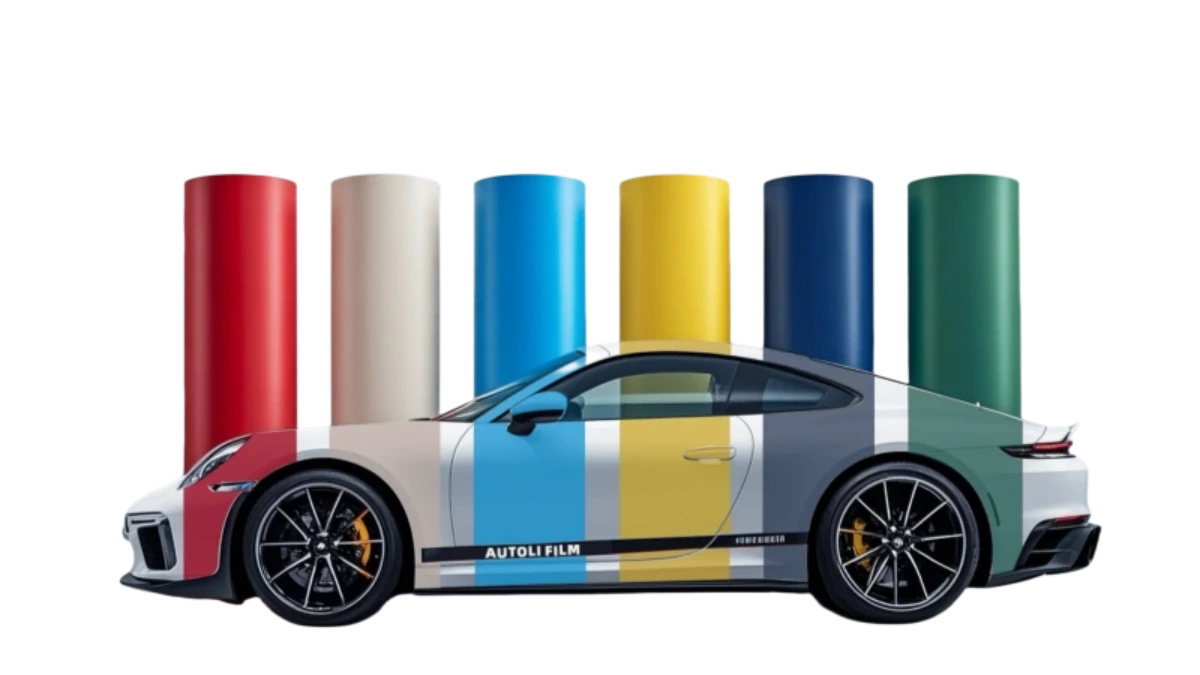
The product classification and selection logic of PPF:
- Edge Seal Technology Selection – Upgrading to heat-sealable PPF for car wash frequenters to prevent edge lifting.
- Ease of Inspection – Choosing PPF with UV-reactive edges for easier professional inspection of coverage.
- Temperature Cycle Tolerance – Selecting PPF with low thermal expansion for regions with extreme temperature swings.
- Additive Priority Selection – Prioritizing anti-yellowing additives for white/light-colored vehicles to maintain brightness.
- UV Exposure Assessment – Prioritizing UV-stabilized PPF for vehicles parked outdoors full-time in sunny climates.
- Climate-Specific Formulations – Categorized for tropical, cold, coastal, or desert climates, with additives addressing regional challenges.
- Regional Regulation Compliance – Selecting REACH/FDA-compliant PPF for markets with strict chemical safety standards.
- Resale Value Protection – Investing in premium PPF for high-value vehicles to maintain paint condition for resale.
- Material-Based Classification – Products categorized as TPU, PET, or PVC PPF based on base polymer, dictating flexibility, durability, and cost.
The materials and technologies of PPF:
- Edge-locking micro-groove design: Prevents water ingress and edge lifting through interlocking grooves, backed by 10-year edge retention warranties.
- ISO 12646 Color Management Certification: Ensures color accuracy and consistency across production batches.
- Anti-yellowing technology: Antioxidants and UV absorbers are added to inhibit oxidation and yellowing under long-term exposure to light, extending the appearance stability of the protective film.
- Ceramic coating compatibility: Features a receptive top layer that bonds seamlessly with ceramic coatings, creating a hybrid protection system with enhanced scratch resistance.
- Hydrophobic coating refreshment: Allows reactivation of hydrophobic properties via UV-curable sprays, extending the film’s lifespan by 2-3 years.
- Closed-loop recycling system: Integrates physical recycling processes for TPU waste, achieving 95% material recovery rate while maintaining mechanical properties.
- Conductive air release adhesive technology: The adhesive layer is designed with micro-nano air channels, which enable rapid air discharge during construction, preventing air bubbles from remaining, improving the bonding efficiency and flatness, and reducing the risk of bulging in the later stage.
- Rapid curing adhesive technology: Enables full adhesive strength development within 24 hours (vs. 48-72 hours for conventional adhesives), shortening post-installation care time.
- High-performance adhesive layer technology: Utilizing low initial tack and high final tack pressure-sensitive adhesive, it allows for repeated positioning adjustments during installation. Once cured, it adheres tightly to the vehicle body without de-bonding or leaving residue.
The extension of PPF’s functions:
- Before: Door edge moldings with cracked rubber and exposed paint; After: PPF wraps edges under moldings, hiding exposed areas and preventing water intrusion.
- Before: Wheel well drain holes with rust around openings; After: PPF covers drain edges, hiding rust and preventing water from spreading corrosion.
- Before: Door edges with countless scratch marks from parking mishaps; After: PPF’s self-healing layer covers scratches and resists new ones, creating crisp, unmarked edges.
- Before: Matte finish dulled by oxidation and fine scratches; After: Matte-specific PPF preserves texture while restoring vibrancy, eliminating “shiny spots” from wear.
- Before: Front license plate bracket mounting holes with rust around them; After: PPF covers hole perimeters, hiding rust and preventing corrosion spread.
- Before: Front license plate frame with rust staining; After: PPF covers frame edges, hiding stains and preventing rust from spreading to bumper paint.
Say Goodbye to Car Scratches: Self-Healing PPF Revealed!:
- Newer self-healing formulations repair deeper scratches (up to 5μm), expanding their damage-reversal capabilities.
- Even in cooler climates, garage warmth or body heat can trigger healing, ensuring scratch repair isn’t limited to hot weather.
- Self-healing PPF works with ceramic topcoats, combining water repellency with scratch repair for enhanced protection.
- Golf club or sports equipment scratches heal, keeping recreational vehicles looking their best for outings.
- Classic car owners protect original paint with self-healing PPF, as scratches heal without damaging vintage finishes.
- Self-healing PPF’s topcoat works with its TPU layer to ensure repairs don’t compromise water resistance or gloss.
AUTOLI(CN) PPF(Paint Protection Film) oem manufacturer
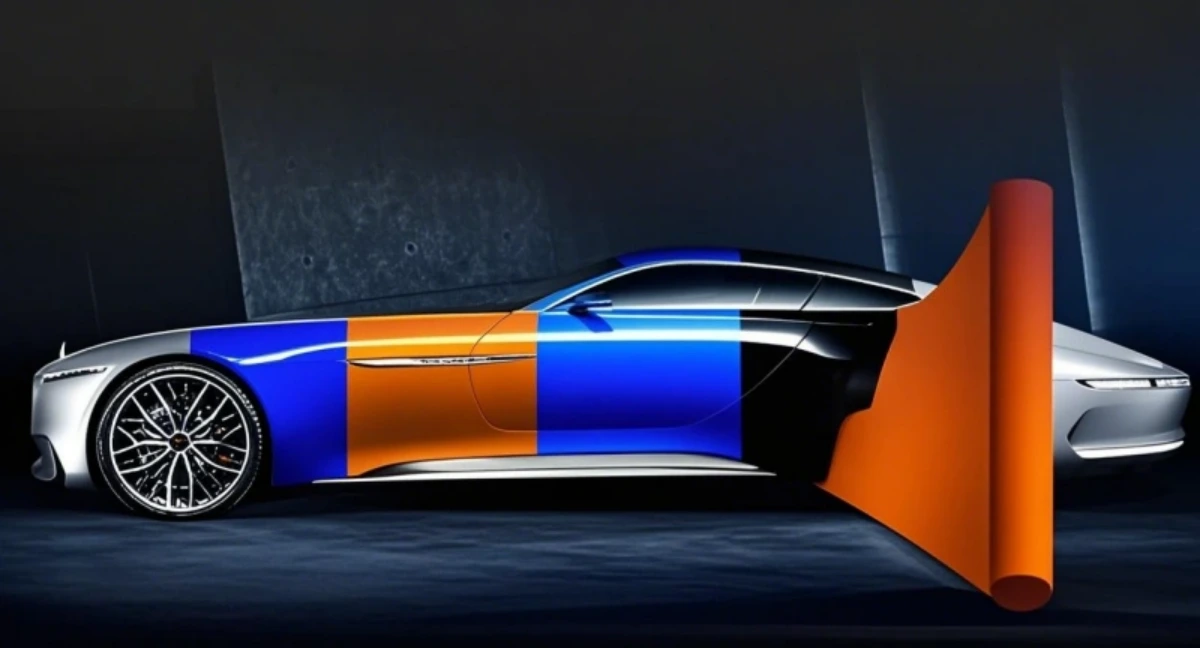
autoli TPU PPF Applied to all brand car models as Chevrolet、Nissan、acura、mini.Our factory cooperates with Auto Detailing service、Auto Detailing Shop、PPF wholesaler、PPF installer、AutoZone and all so in many countries and regions around the world,like Venezuela,Colombia,Paraguay,Poland,Warranty: 10 years.Our advantages:Large stock of styles for you to choose from;Our customers are all over the world;Collaborate for Lucrative Returns: Source factory;Strict quality control system;High quality raw materials and advanced technology.Our factory also provides car wrapping、Window Film、TPU PPF.