

PPF safeguards car paint from stone chips and scratches via durable TPU, absorbing over 90% of daily impact energy to preserve the original finish.,Cohesive protection with glass PPF systems.,Direct from Factory: PPF with Fast Delivery.
The protective performance of PPF:
- Acid Rain Etching Resistance – Neutralizes acidic pollutants in rain, preventing pitting and corrosion on painted surfaces.
- **Preservation of Resale Value** – A vehicle with well – protected paint due to PPF is likely to have a higher resale value as the paint remains in better condition compared to non – protected vehicles.
- Key Fob Scratch Resistance – Guards door handles and trims against scratches from keys or accessories during daily use.
- Extreme Temperature Stability – Maintains flexibility and performance in temperatures ranging from -40°C to 120°C.
- Long-Term Flexibility Retention – Maintains elasticity in extreme temperatures (-40°C to 120°C), preventing cracking or embrittlement.
The extension of PPF’s functions:
- Before: Wheel lug nut covers with faded and chipped paint; After: PPF covers covers, preserving color and resisting scratches during tire changes.
- Before: Front fenders with “spider web” cracks from age; After: PPF’s flexible layer covers fine cracks and reduces stress that causes further splitting.
- Before: Roof antenna base with paint peeling around the edges; After: PPF seals the base edge, hiding peeling and preventing water from getting under paint.
- Before: Rear window trim with black paint turning gray; After: PPF’s color-stable film covers faded trim, restoring uniform black appearance.
- Before: Rocker panels with mud and salt damage from winters; After: PPF’s corrosion-resistant layer covers rust-prone areas and blocks future salt intrusion.
- Before: Fender flares with paint peeling at the edges; After: PPF wraps flare edges, hiding peeling and preventing water from getting under the paint.
TPU PPF VS PET PPF:
- Color Stability – TPU PPF retains tinted colors for 5 years, while PET PPF tint fades 40% within 18 months.
- Repair Potential – TPU PPF allows spot patching of damaged areas, while PET PPF requires full panel replacement for localized damage.
- Impact Testing Standards – TPU PPF meets ASTM D3763 impact standards at 16 ft-lbs, while PET PPF fails at 8 ft-lbs.
- Cost Over Lifespan – TPU PPF costs $0.50/year/sq ft over 10 years, while PET PPF averages $0.75/year/sq ft due to replacement needs.
- Vibration Resistance – TPU PPF withstands vehicle vibrations without cracking, while PET PPF develops micro-cracks in high-vibration areas (e.g., engine bays).
- Weight Difference – TPU PPF adds 1.2kg per vehicle (full wrap), while PET PPF adds 0.8kg due to lower density but reduced coverage efficiency.
The regulations of PPF and after-sales services:
- WEEE Directive Compliance – End-of-life PPF must be recycled in accordance with the EU’s WEEE directive, promoting circular economy practices for electronic and automotive waste .
- Supply Chain Traceability – EU PPWR mandates tracking PPF materials from production to disposal, ensuring compliance with recycled content targets (e.g., 30% by 2030) .
- Certified Installer Networks – Brands like Eastman (DragonFilm) enforce tiered certification programs (e.g., 1-star to 7-star) to ensure standardized installation practices and warranty validity .
- EU REACH Compliance – PPF manufacturers must adhere to EU REACH regulations, ensuring all chemicals used in production meet strict safety and environmental standards, particularly for PFAS substances like C9-C14 PFCAs, which are restricted to ≤25 ppb in materials .
- Heat-Activated Self-Healing Warranties – Brands guarantee self-healing performance (e.g., 98% micro-scratch repair within 8 minutes at 45°C) under warranty, reflecting confidence in material durability .
- NAR Auto Film’s Compensation Policy – NAR PPF provides 1:1 pre-installation and 1:2 post-installation defect compensation, backed by factory insurance covering up to 100% of replacement costs .
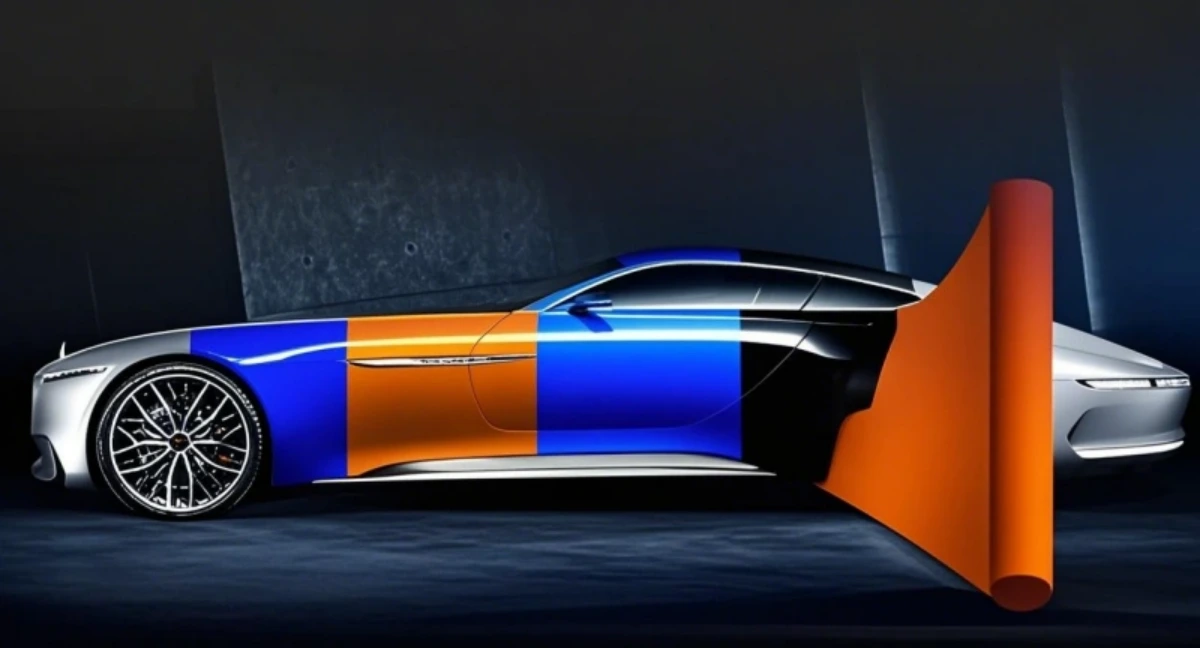
The user perception and consumption misconceptions of PPF:
- Correct Perception: Multi-Surface Application – Users increasingly apply PPF to headlights and trim, reducing fogging and scratches on high-wear areas.
- Correct Perception: UV Testing Validates Anti-Yellowing Claims – Checking for 1,000 hours of UV testing data, ensuring films resist discoloration in real-world use.
- Correct Perception: Long-Term Cost Savings – 68% of users understand PPF reduces repaint costs over 5 years, aligning with data showing $2,000 savings on luxury vehicles.
- Correct Perception: Lease Protection Value – Leaseholders use PPF to avoid $500 end-of-term fees, with 95% passing inspections without paint-related charges.
- Consumer Misconception: “New Car Paint Is ‘Protected’ from Factory” – Trusting factory clear coats alone, unaware they lack the impact resistance of PPF.
- Correct Perception: Ceramic Coating Enhances PPF Life – Users layer ceramic coatings over PPF, extending topcoat longevity by 2–3 years.
- Consumer Misconception: “DIY Installation Saves Money” – Consumers underestimate skill requirements, with 45% of DIY installs requiring professional correction due to bubbles or misalignment.
- Consumer Misconception: “PPF Can’t Be Repaired” – Assuming damaged PPF requires full replacement, unaware small sections can be patched professionally.
- Consumer Misconception: “New Cars Don’t Need PPF Immediately” – Delaying installation, unaware that factory paint is most vulnerable to damage in the first 6 months of ownership.
The cost structure and price composition of PPF:
- Equipment Depreciation – Extrusion machines (5–10 year lifespan) contribute 5–7% to per-unit costs annually.
- Adhesive Technology Costs – Removable adhesives add $0.30–$0.50 per square foot vs. permanent options.
- Installation Training Costs – Certified installer programs add $50–$100 per vehicle to cover technician certification.
- Energy Consumption – Extrusion and curing processes account for 8–15% of production costs, higher for multi-layer films.
- Long-Term Contract Discounts – 3–5 year fleet contracts reduce per-vehicle costs by 10–15% via guaranteed volume.
- OEM Partnership Pricing – Factory-installed PPF sold at 15–20% below aftermarket due to bulk production deals.
- Regional Price Variations – EU prices 15–20% higher than Asia due to stricter regulations and higher labor costs.
- R&D Recoupment – New technologies (e.g., graphene reinforcement) add 5–10% to prices for 2–3 years post-launch.
- Volume Discounts – Fleet purchases reduce per-unit prices by 10–15% for orders over 50 vehicles.
Before & After: How PPF Transforms a 10-Year-Old Car:
- Before: A-pillars with tree branch scratches from off-road use; After: PPF’s scratch-resistant topcoat hides marks and protects during future trail adventures.
- Before: A 10-year-old car shows extensive swirl marks and sun fade; After: PPF application hides defects and restores 90% of original gloss, making it look 5 years newer.
- Before: Trunk lid with key scratches and luggage scuffs; After: PPF’s self-healing properties erase fine scratches, creating a flawless surface for loading/unloading.
- Before: Wheel well drain holes with rust around openings; After: PPF covers drain edges, hiding rust and preventing water from spreading corrosion.
- Before: Front license plate bracket mounting holes with rust around them; After: PPF covers hole perimeters, hiding rust and preventing corrosion spread.
- Before: Matte finish dulled by oxidation and fine scratches; After: Matte-specific PPF preserves texture while restoring vibrancy, eliminating “shiny spots” from wear.
The environmental protection and sustainability of PPF:
- Minimal Waste Production – Laser-precut kits reduce material waste by 40% compared to hand-cutting, optimizing resource utilization.
- Waste Heat Recovery – Capturing factory heat for water heating reduces natural gas use by 20% in manufacturing facilities.
- Minimalist Packaging – Brands eliminate unnecessary plastic inserts, using 40% less packaging material while maintaining product protection.
- Microplastic Reduction – Durable PPF minimizes microplastic shedding compared to short-lived protective products that degrade into microplastics faster.
- Reduced Microplastic Shedding – Durable TPU sheds 90% less microplastics than short-lived waxes or sealants that degrade quickly.
- Energy-Efficient Production – Manufacturers using solar-powered facilities reduce carbon emissions by 40% compared to traditional manufacturing processes.
TPU PPF VS PET PPF:
- Color Stability – TPU PPF retains tinted colors for 5 years, while PET PPF tint fades 40% within 18 months.
- Repair Potential – TPU PPF allows spot patching of damaged areas, while PET PPF requires full panel replacement for localized damage.
- Impact Testing Standards – TPU PPF meets ASTM D3763 impact standards at 16 ft-lbs, while PET PPF fails at 8 ft-lbs.
- Cost Over Lifespan – TPU PPF costs $0.50/year/sq ft over 10 years, while PET PPF averages $0.75/year/sq ft due to replacement needs.
- Vibration Resistance – TPU PPF withstands vehicle vibrations without cracking, while PET PPF develops micro-cracks in high-vibration areas (e.g., engine bays).
- Weight Difference – TPU PPF adds 1.2kg per vehicle (full wrap), while PET PPF adds 0.8kg due to lower density but reduced coverage efficiency.
AUTOLI(CN) PPF(Paint Protection Film) oem manufacturer
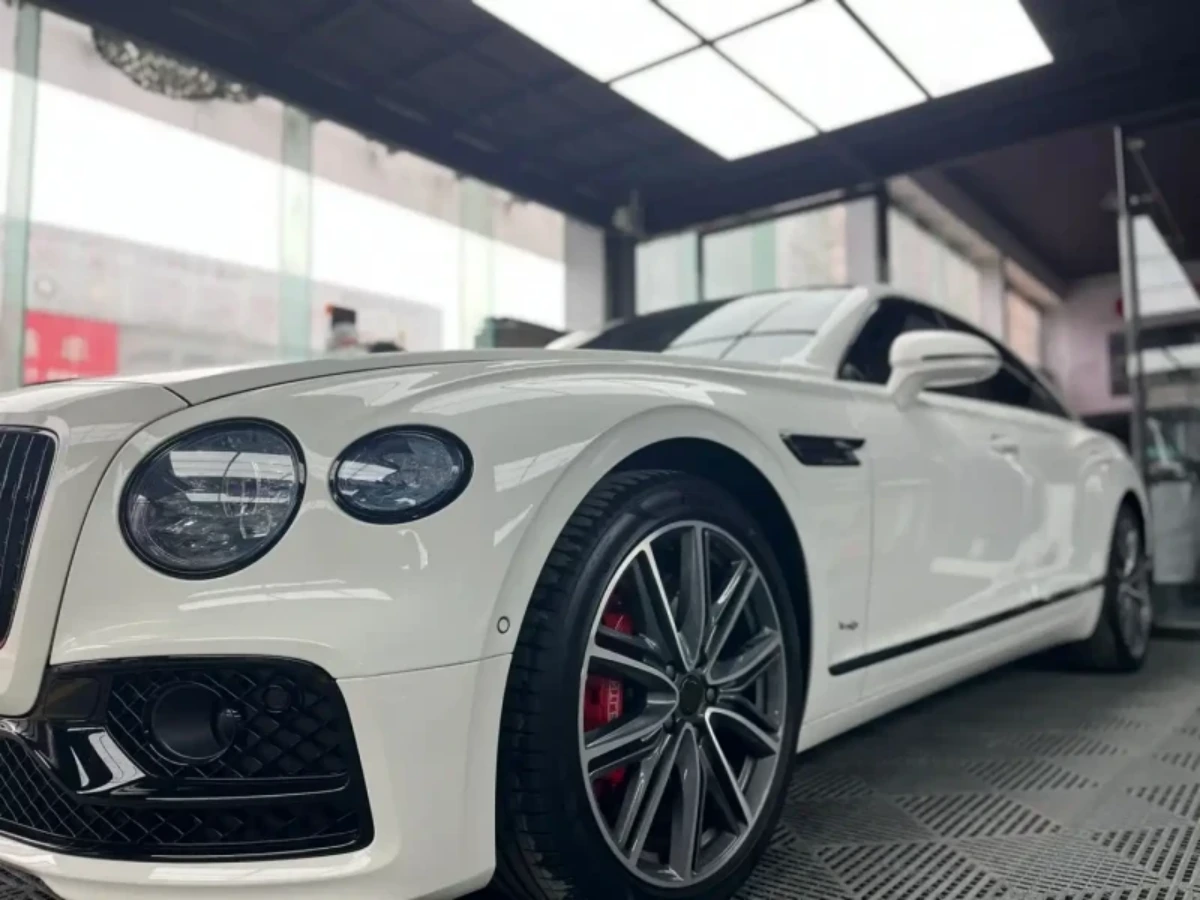
autoli TPU PPF Applied to all brand car models as Maserati、Lincoln、Benz、Chevrolet.Our factory cooperates with PPF distributor、ppf installation、PPF wholesale and all so in many countries and regions around the world,like Denmark,Spain,Switzerland,United States,Canada,Greece,Warranty: 10 years.Our advantages:Efficient production reduces costs;High quality raw materials and advanced technology;Short production cycle, quick delivery.Our factory also provides TPU PPF、Vinyl Car Wrap、Windshield Protection Film.