

PPF’s AI-cutting tech ensures ±0.3mm precision, achieving 95% fit on curved surfaces like EVs’ sloped roofs with seamless edges.,Withstands -40℃ to 80℃ extreme temperatures.,Factory – Direct Cooperation: Color – Rich PPF, Business Profit Boost.
The extension of PPF’s functions:
- Before: Trunk lid with key scratches and luggage scuffs; After: PPF’s self-healing properties erase fine scratches, creating a flawless surface for loading/unloading.
- Before: Rocker panels with mud and salt damage from winters; After: PPF’s corrosion-resistant layer covers rust-prone areas and blocks future salt intrusion.
- Before: Tailgate latch area with paint worn from opening/closing; After: PPF covers latch perimeter, hiding wear and reducing friction-related damage.
- Before: Quarter panels with water spots and mineral deposits; After: Hydrophobic PPF repels water, hiding existing spots and preventing new buildup.
- Before: Under-hood fuse box cover with faded plastic; After: Interior PPF covers plastic, restoring color and protecting against oil and dust damage.
Say Goodbye to Car Scratches: Self-Healing PPF Revealed!:
- UV-stable formulas ensure self-healing PPF resists yellowing while still repairing sun-induced micro-scratches.
- Self-healing PPF works with ceramic topcoats, combining water repellency with scratch repair for enhanced protection.
- Highway gravel impacts leave temporary marks that heal, reducing long-term paint degradation from road debris.
- Swirl marks from improper drying or washing fade away, simplifying DIY car care and reducing the risk of accidental damage.
- Unlike temporary fillers, self-healing repairs strengthen the film, maintaining its protective barrier against future damage.
- Self-healing PPF leverages TPU’s thermal reactivity to repair micro-scratches (≤3μm) when exposed to heat, making surface damage disappear without manual intervention.
- Scratches from parking sensors or automatic door closers heal, maintaining a clean look on tech-integrated cars.
- Family cars stay presentable as scratches from children’s toys or pet claws heal quickly, even with daily use.
- Work truck scratches from tools or equipment heal, preserving paint on vehicles used daily for labor.
The differentiated user group needs matching of PPF:
- Exotic Car Owners – Invest in custom-cut PPF for carbon fiber panels and unique contours, with 9H hardness to protect high-value specialty finishes.
- Police Vehicle Fleets – Require high-visibility PPF for markings, resisting graffiti and maintaining reflectivity for emergency response.
- Electric Scooter Fleets – Use ultra-thin 5mil PPF for lightweight protection, shielding plastic bodies from urban curb impacts and weathering.
- Lease Vehicle Users – Prefer removable, residue-free PPF to avoid end-of-lease paint repair fees, with easy removal without damaging factory finishes.
- College Students – Choose affordable 6mil PPF kits for first cars, balancing basic scratch protection with budget constraints.
- Road Construction Vehicle Operators – Use heavy-duty 15mil PPF to shield cabs from gravel, concrete splatters, and industrial debris.
- Rally Racing Teams – Prioritize puncture-resistant PPF with 600% elongation, withstanding extreme terrain impacts during cross-country rallies.
- Ride-Share Drivers – Opt for durable 8mil PPF with quick-healing properties to resist passenger-related scratches and maintain vehicle appearance.
- Vintage Motorcycle Show Vehicles – Use mirror-finish PPF to enhance chrome and paint shine for competitions, with easy removal for judging.
- Classic Motorcycle Riders – Seek thin (6–7mil) flexible PPF to conform to curved fuel tanks and fairings, protecting vintage paint from belt/buckle scratches.
How TPU Redefines PPF:
- Custom Thickness Options – TPU’s variable mil thicknesses redefined PPF from one-size-fits-all products to tailored solutions (6–15mil) for specific needs.
- Modular Design – TPU’s compatibility with partial coverage redefined PPF from full-wrap-only options to targeted solutions for high-impact areas (hood, fenders).
- Disaster Resilience – TPU’s tear resistance redefined PPF from storm-vulnerable covers to hurricane and flood-resistant protectors for emergency vehicles.
- High-Pressure Wash Safe – TPU’s strong adhesion redefined PPF from hand-wash-only films to pressure washer-compatible protectors simplifying cleaning.
- Production Efficiency – TPU’s extrusion-friendly properties redefined PPF manufacturing from batch processes to continuous production reducing costs.
- Self-Healing Revolution – TPU’s microstructural recovery under heat redefined PPF from static protection to dynamic, scratch-repairing films that mend 3μm scratches automatically.
- Warranty Reliability – TPU’s consistent performance redefined PPF warranties from vague guarantees to 5–15 year commitments with clear coverage.
- Durability Redefined – TPU’s resistance to UV, chemicals, and impact extended PPF lifespans from 1–2 years to 5–10 years, redefining long-term protection.
- Anti-Microbial Additions – Silver-ion infused TPU redefined PPF from exterior-only protectors to interior solutions inhibiting bacteria growth on high-touch surfaces.
The cutting-edge technology research and development of PPF:
- Superelastic PPF – Shape memory alloys (SMAs) integrated into TPU films recover from 500% elongation without permanent deformation.
- Aerospace-Grade Composites – Polycarbonate-TPU blends engineered for aircraft windshields offer ballistic resistance and impact absorption in automotive applications.
- Dynamic Wettability Coatings – pH-responsive surfaces switch between superhydrophobic and hydrophilic states to adapt to varying environmental conditions.
- Dynamic Wettability Coatings – pH-responsive surfaces switch between superhydrophobic and hydrophilic states to adapt to varying environmental conditions.
- Nano-Structured Anti-Graffiti Coatings – Superhydrophobic and oleophobic surfaces repel spray paint, allowing easy removal with water rinsing.
- 5G-Enabled IoT Monitoring – Edge computing nodes in PPF transmit real-time data to cloud platforms for predictive maintenance and impact analysis.
- Multifunctional Nanocomposites – Black phosphorus nanosheets in PPF bone cements combine osteogenic activity with photothermal tumor ablation.
- AI-Powered Quality Control – Machine vision systems with deep learning algorithms detect sub-micron defects in real-time, achieving 99.9% accuracy in production lines.
- Multifunctional Self-Healing Films – Microcapsules containing both healing agents and antimicrobial silver ions offer dual functionality for medical devices.
Why TPU PPF:
- Warranty Coverage – 10–20 year frame warranties, exceeding typical 5-year wood pergola guarantees.
- Disaster Recovery – Quick to replace or repair after storm damage compared to custom wood structures.
- Heavy-Duty Models – Industrial-grade 80mm×80mm beams for commercial high-traffic areas.
- Minimal Site Disruption – Lightweight components require smaller foundation footings than steel.
- Snow Load Capacity – Reinforced beams support 20–30 kg/m2 snow loads in cold climates.
- Low Visual Weight – Slim profiles create an open, airy feel while providing structural support.
The cost structure and price composition of PPF:
- OEM Partnership Pricing – Factory-installed PPF sold at 15–20% below aftermarket due to bulk production deals.
- Adhesive Technology Costs – Removable adhesives add $0.30–$0.50 per square foot vs. permanent options.
- Customer Acquisition Costs – Average $200–$500 per new client, factored into initial service pricing.
- Aftermarket Service Margins – Maintenance kits (cleaners, sealants) carry 60–70% margins, boosting overall profitability.
- Small-Batch Premium – Custom colors or finishes cost 30–50% more due to low-volume production inefficiencies.
- Seasonal Material Adjustments – Cold-weather formulations cost 5–10% more in winter months due to demand spikes.
TPU PPF VS PET PPF:
- Installation Ease – TPU PPF’s air-release adhesives allow repositioning, while PET PPF’s aggressive adhesives make alignment errors irreversible.
- Biodegradable Options – Some TPU PPF variants biodegrade in 3–5 years, while PET PPF is non-biodegradable with no eco-friendly alternatives.
- Low-Temperature Installation – TPU PPF installs reliably at 15°C , while PET PPF requires 20°C environments to prevent adhesive failure.
- Self-Healing Capability – TPU PPF repairs 3μm scratches via heat activation, whereas PET PPF lacks self-healing, requiring replacement for even minor damage.
- Custom Cutting – TPU PPF laser-cuts cleanly for complex curves, while PET PPF tends to crack during precision cutting on sharp angles.
- Sustainability Metrics – TPU PPF has 40% lower carbon footprint over lifecycle than PET PPF when accounting for replacement frequency.
- Chemical Resistance – TPU PPF resists bird droppings and road salt for 72 hours, while PET PPF shows etching after 24 hours of exposure.
- Lightweight Advantage – TPU PPF’s strength-to-weight ratio is 2x higher than PET PPF, allowing thinner films with equivalent protection.
AUTOLI(CN) PPF(Paint Protection Film) oem factory
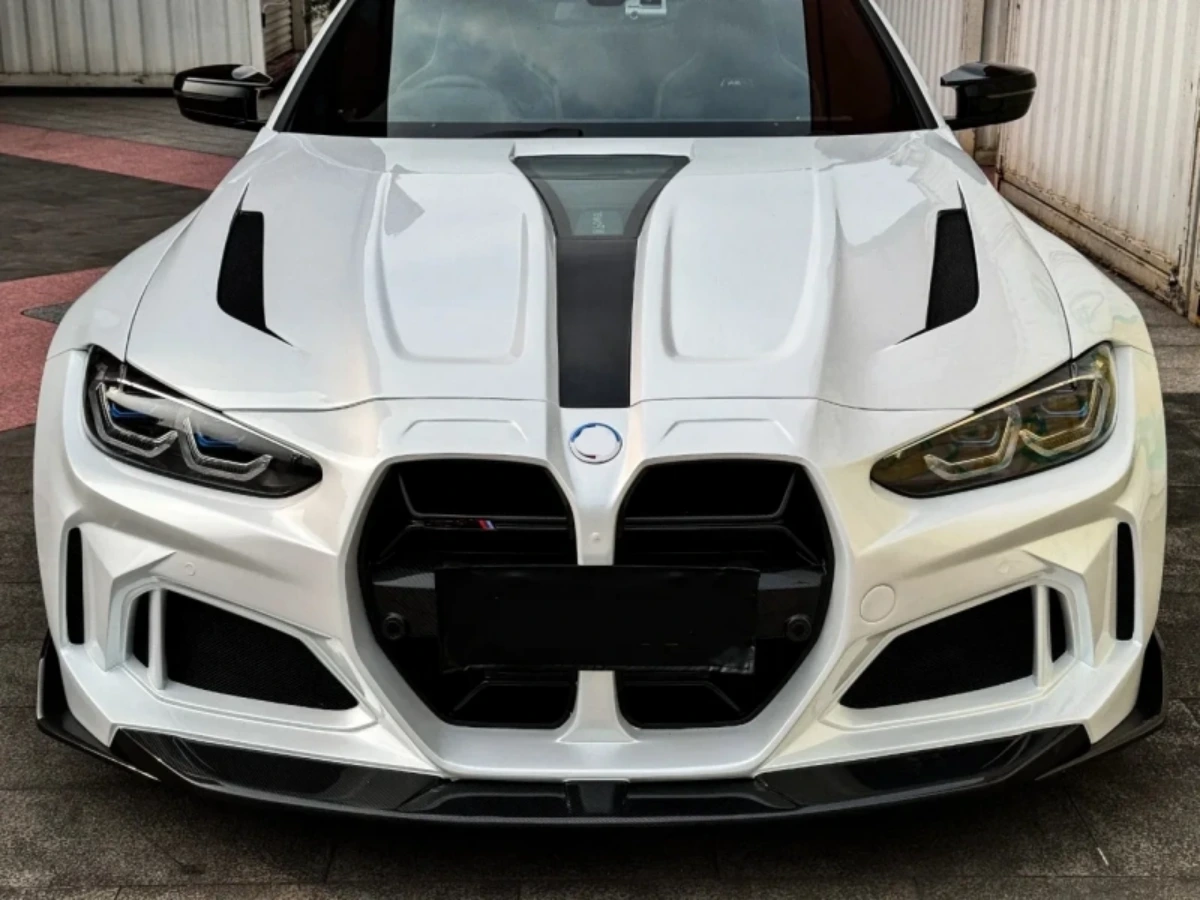
autoli TPU PPF Applied to all brand car models as byd、ford、McLaren、Dodge.Our factory cooperates with PPF brand、Auto Detailing service、PPF wholesale、PPF agent and all so in many countries and regions around the world,like Pakistan,VietNam,Luxembourg,Norway,Holland,UK,Warranty: 10 years.Our advantages:Your Key to Profitable PPF Ventures;Our customers are all over the world;Strict quality control system;Unlock Business Growth with Our Factory’s PPF;Raw material purchasing advantage.Our factory also provides vinyl Wrap、Vinyl Car Wrap、vinyl car wrapping.