

PPF’s removal doesn’t damage factory paint, making it reversible for owners who want to revert to original finish later.,Repels tree sap and bug splatter etching.,Factory Partnership: Quality PPF, Budget – Friendly.
The differentiated user group needs matching of PPF:
- Ride-Share Drivers – Opt for durable 8mil PPF with quick-healing properties to resist passenger-related scratches and maintain vehicle appearance.
- Motorcycle Fleet Managers – Use pre-cut PPF kits for fuel tanks and fairings to reduce repair costs from rider-induced scratches and road debris.
- Mobile Bookstore Vans – Select scratch-resistant PPF for door edges, withstanding frequent customer entry/exit and book cart impacts.
- Daily Urban Commuters – Seek 7–8mil UV-stabilized PPF for scratch resistance against parking lot dings and road debris during city driving.
- Mobile Science Lab Vans – Prefer chemical-resistant PPF for interior and exterior surfaces, withstanding spills and equipment movement during demonstrations.
- Mobile Fitness Studios – Prefer sweat-resistant PPF for interior surfaces, withstanding frequent cleaning and equipment movement.
- Road Construction Vehicle Operators – Use heavy-duty 15mil PPF to shield cabs from gravel, concrete splatters, and industrial debris.
- Mobile Veterinary Clinics – Require antimicrobial PPF for interior surfaces, inhibiting bacteria growth from animal interactions.
- Historic Preservation Vehicles – Use reversible PPF that protects antique paint while allowing documentation of original surfaces for restoration records.
How TPU Redefines PPF:
- High-Pressure Wash Safe – TPU’s strong adhesion redefined PPF from hand-wash-only films to pressure washer-compatible protectors simplifying cleaning.
- Speed of Installation – TPU’s pre-cut kits and air-release adhesives redefined PPF installation from multi-day projects to 1–2 day professional jobs.
- Quick Healing – TPU’s 24-hour scratch recovery redefined PPF from damage-accumulating films to self-renewing protectors maintaining appearance over time.
- Recycled Content Integration – TPU blends with 30% recycled material redefined PPF from virgin-only products to circular economy solutions.
- Bio-Based Options – Plant-derived TPU redefined PPF from petroleum-reliant products to sustainable alternatives with 50% renewable content.
- Cold-Weather Flexibility – TPU’s resistance to brittleness in sub-zero temperatures redefined PPF from seasonal products to year-round protection in cold climates.
The cutting-edge technology research and development of PPF:
- Bio-Based Flame Retardant Coatings – Chitosan and ammonium polyphosphate composites provide V-0 rating in UL 94 tests with <1% loading.
- AI-Powered Predictive Maintenance – Machine learning models analyze sensor data to predict PPF degradation, scheduling replacements before failure.
- Superelastic PPF – Shape memory alloys (SMAs) integrated into TPU films recover from 500% elongation without permanent deformation.
- Nano-Bubble Enhanced Hydrophobicity – Microplasma-treated surfaces trap air nanobubbles, creating a Cassie-Baxter state for extreme water repellency.
- Smart Sensor Integration – MEMS-based pressure and temperature sensors embedded in PPF monitor impact forces and environmental conditions in real-time.
- 5G-Enabled IoT Monitoring – Edge computing nodes in PPF transmit real-time data to cloud platforms for predictive maintenance and impact analysis.
The materials and technologies of PPF:
- Smart damage detection layer: Embeds micro-sensors that interact with smartphone apps to alert users of hidden impacts or coating wear via subtle color shifts.
- Polar climate formulation: Maintains flexibility at -50°C, preventing cracking in arctic regions.
- Scratch repair efficiency optimization technology: By adjusting the crosslinking density of TPU molecules and the coating activity, the self-repair speed of scratches under low-temperature conditions is enhanced, and the repair response time is shortened.
- Thermal insulation buffer layer design: An elastic buffer layer is added between the substrate and the coating to alleviate the internal stress caused by the thermal expansion and contraction of the material under extreme temperature differences, thereby reducing the risk of cracking.
- Nano-ceramic particle infusion: Incorporates 9H-hardness ceramic nanoparticles into the top coat, enhancing scratch resistance against keys and road debris.
- ISO 12646 Color Management Certification: Ensures color accuracy and consistency across production batches.
- Special vehicle paint compatibility technology: For sensitive vehicle paints such as matte and frosted paints, a low initial adhesion flexible adhesive is developed to avoid color changes or damage to the paint surface texture during bonding.
- Self-healing touch-up pen: Provides a portable solution for repairing localized scratches, leveraging the same TPU memory technology as the film.
- EV-specific lightweight optimization: Reduces base material density by 15% for electric vehicles, minimizing added weight impact on battery range.
The production supply chain and quality control system of PPF:
- Quality Metrics Dashboard – Real-time monitoring of PPM (parts per million) defects, yield rates, and CPK values.
- Cost Optimization – Annual renegotiation of supplier contracts with volume-based discounts for raw materials.
- New Supplier Onboarding – 6–12 month qualification process including trial runs before full-scale material adoption.
- UV Resistance Testing – Accelerated weathering (QUV testing) for 1,000 hours to validate anti-yellowing performance.
- Design for Quality (DFQ) – Quality requirements integrated into new product development from concept stage.
- Supplier Scorecards – Quarterly evaluation of suppliers on quality, delivery, cost, and sustainability metrics.
- Environmental Testing – Salt spray, humidity, and temperature cycle tests to validate durability in extreme climates.
- Abrasion Resistance – Taber abrasion tests (CS-10 wheel, 1kg load) measuring weight loss to validate durability.
- Localization Strategies – Regional production for large markets (e.g., China, US) to reduce shipping costs and tariffs.
Why TPU PPF:
- Export-Friendly – Lightweight packaging reduces international shipping damage risks.
- Custom Rafter Spacing – 400mm–600mm spacing options balance shade coverage and material efficiency.
- Anti-Glare Options – Matte finishes reduce sun glare on adjacent windows and surfaces.
- Transport Efficiency – Lightweight components reduce shipping costs by 40% vs. steel structures.
- Weather Durability – Withstands extreme temperatures (-40°C to 60°C) without warping, cracking, or rotting.
- Warranty Coverage – 10–20 year frame warranties, exceeding typical 5-year wood pergola guarantees.
The user scenarios and value validation of PPF:
- Off-Road Enthusiasts – Shields Jeep Wrangler and Ford Bronco fenders from trail rocks and branches, reducing paint repair costs by $800 annually.
- Tropical Region Owners – Resists acid rain etching in Bangkok and Rio, with PPF maintaining 90% paint clarity vs. 60% for unprotected vehicles after 2 years.
- Agricultural Vehicle Users – Shields tractor cabs from crop debris and mud, maintaining visibility and reducing cleaning time by 30% per week.
- Custom Paint Owners – Preserves expensive matte or chameleon finishes, with PPF preventing swirl marks that would ruin $5,000 custom paint jobs.
- Car Show Competitors – Enhances gloss on show cars like Ferrari 488s, with judges noting 30% higher “paint finish” scores for PPF-protected entries.
- RV and Camper Owners – Protects travel trailer exteriors from highway debris, reducing “road rash” damage by 70% during cross-country trips.
Say Goodbye to Car Scratches: Self-Healing PPF Revealed!:
- Unlike rigid PVC films that crack, TPU-based self-healing PPF maintains flexibility to absorb impacts and repair the resulting damage.
- Rain or humidity won’t hinder the healing process—self-healing PPF remains effective regardless of weather conditions.
- Self-healing repair is chemical-free, using only heat to trigger natural molecular reformation in the TPU film.
- UV-stable formulas ensure self-healing PPF resists yellowing while still repairing sun-induced micro-scratches.
- Key scratches on door edges vanish, saving drivers from costly repairs to high-contact areas.
- Work truck scratches from tools or equipment heal, preserving paint on vehicles used daily for labor.
- Self-healing efficiency is highest for thinner scratches, making it ideal for preventing “spider web” swirl marks.
The protective performance of PPF:
- **Resistance to Saltwater Spray in Coastal Areas** – In coastal regions, where saltwater spray can be a major threat to vehicle paint, PPF offers effective protection against corrosion.
- Longevity – Offers long-term protection, with warranties ranging from 5 to 10 years depending on the product.
- Abrasion Resistance – Resists wear and tear from repeated contact with car wash brushes, dirt, and sand.
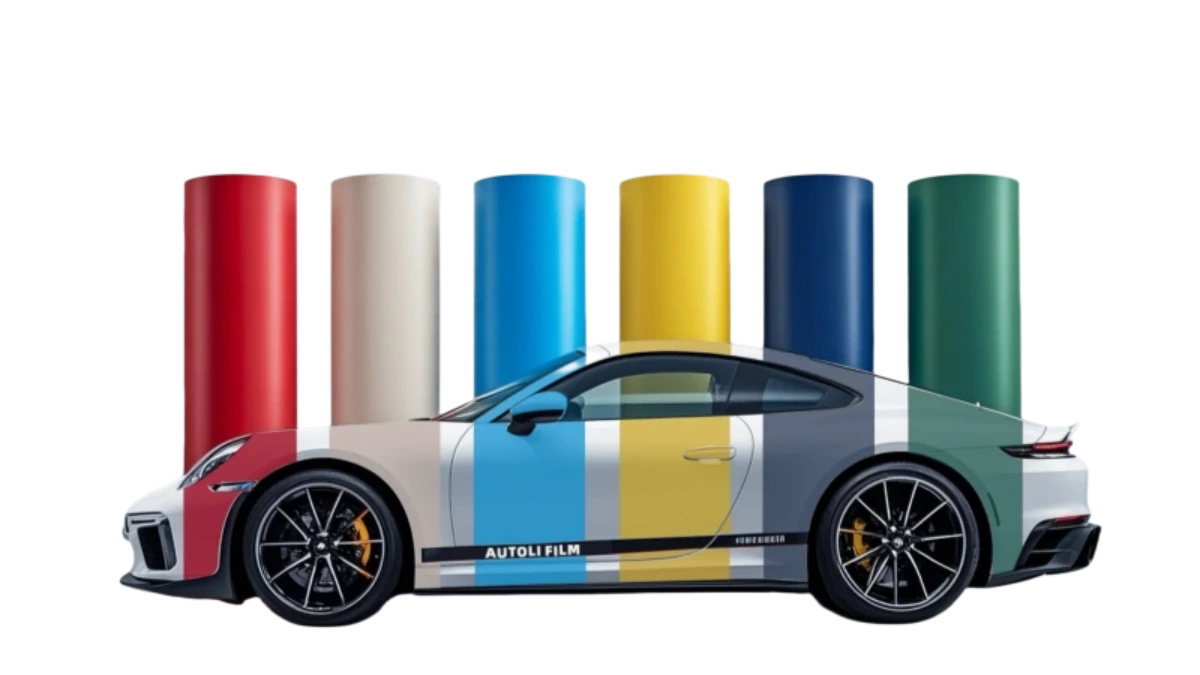
- Colored PPF Durability – Features durable topcoats and self-healing tech to maintain vibrant colors and protection.
- **Flexibility for Complex Surfaces** – PPF is flexible enough to conform to the complex curves and shapes of a vehicle, providing consistent protection all over the body.
AUTOLI(CN) PPF(Paint Protection Film) oem manufacturer
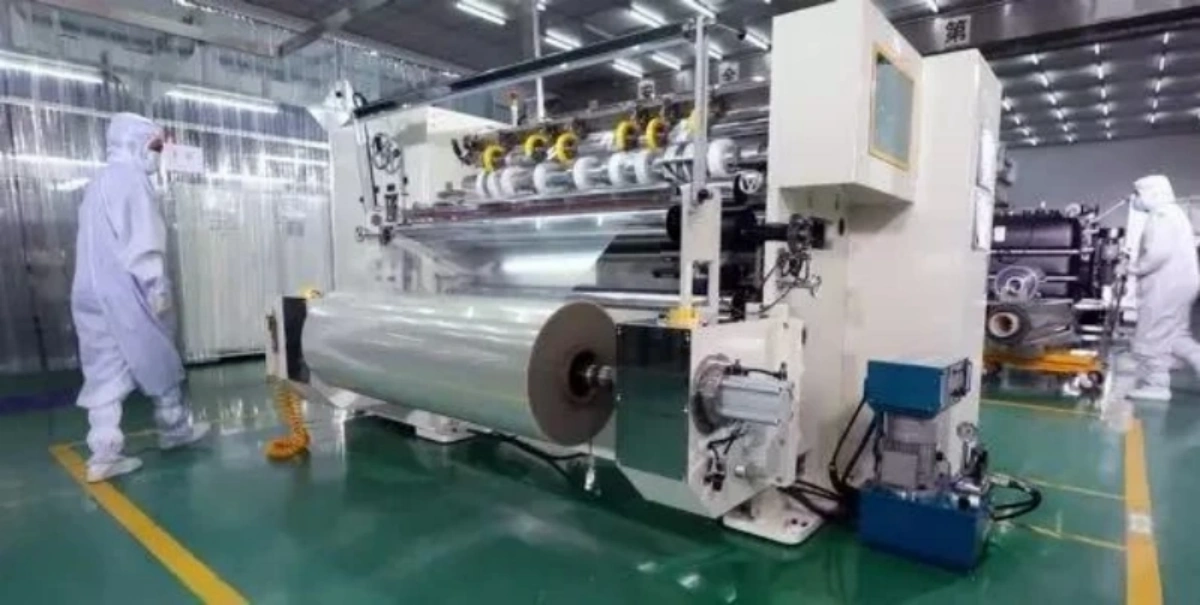
autoli TPU PPF Applied to all brand car models as Land Rover、Lamborghini、Jaguar、Lincoln.Our factory cooperates with PPF agent、ppf installation、Car Customization Shop and all so in many countries and regions around the world,like Costa Rica,Poland,Indonesia,SouthAfrica,VietNam,Germany,Warranty: 10 years.Our advantages:Your Key to Profitable PPF Ventures;Perfect after-sales service;Collaborate for Lucrative Returns: Source factory.Our factory also provides TPU PPF、PPF.