

PPF’s protection on roof rails prevents scratches from cargo, preserving the vehicle’s top surface integrity.,Repels tree sap and bug splatter etching.,PPF Wraps: Factory with Competitive Pricing, Fast Turnaround & Multiple Certifications.
TPU PPF VS PET PPF:
- Material Flexibility – TPU PPF offers 500% elongation for contour-hugging application, while PET PPF provides <100% elongation, limiting use on curved surfaces.
- DIY Friendliness – TPU PPF’s forgiving installation suits DIY users, whereas PET PPF’s rigid nature makes professional installation advisable.
- Multi-Layer Construction – TPU PPF integrates adhesive, core, and topcoat layers seamlessly, while PET PPF layers delaminate 2x more frequently.
- Abrasion Recovery – TPU PPF’s topcoat recovers from light abrasion, while PET PPF’s surface damage is permanent.
- Anti-Fog Properties – Hydrophilic TPU PPF options prevent headlight fogging, a feature absent in PET PPF.
- Thickness Options – TPU PPF ranges 6–15mil for tailored protection, whereas PET PPF is limited to 4–8mil due to brittleness at greater thicknesses.
- Chemical Resistance – TPU PPF resists bird droppings and road salt for 72 hours, while PET PPF shows etching after 24 hours of exposure.
- Marine Applications – Saltwater-resistant TPU PPF protects boats, while PET PPF degrades 3x faster in saltwater environments.
- Edge Sealing Options – TPU PPF accepts heat sealing for permanent edges, while PET PPF requires adhesive sealants that degrade faster.
The production supply chain and quality control system of PPF:
- Supplier Scorecards – Quarterly evaluation of suppliers on quality, delivery, cost, and sustainability metrics.
- Production Planning – AI-driven demand forecasting to optimize production runs and reduce material waste.
- Quality Management System (QMS) – ISO 9001-certified processes governing all stages from raw material to finished product.
- Statistical Process Control (SPC) – Real-time monitoring of extrusion parameters with control charts to maintain CpK ≥ 1.33.
- Distribution Network Optimization – Regional hubs in NA, EU, and APAC reducing delivery times to installers by 30–40%.
- Self-Healing Efficacy – Controlled scratch tests (3μm depth) followed by heat activation to verify 95% repair rate.
- Non-Conforming Material Handling – Quarantine, segregation, and disposition processes for defective materials/finished goods.
- Raw Material Testing Protocols – Incoming TPU resin inspections for melt flow rate, tensile strength, and impurity levels.
- Abrasion Resistance – Taber abrasion tests (CS-10 wheel, 1kg load) measuring weight loss to validate durability.
The materials and technologies of PPF:
- Multi-axis stretchability: Achieves 400% elongation in both transverse and longitudinal directions, ensuring seamless coverage on complex vehicle contours.
- 3D-printed micro-channel network: Utilizes selective laser sintering (SLS) to create breathable micro-channels that enhance heat dissipation and reduce condensation under the film.
- Conductive air release adhesive technology: The adhesive layer is designed with micro-nano air channels, which enable rapid air discharge during construction, preventing air bubbles from remaining, improving the bonding efficiency and flatness, and reducing the risk of bulging in the later stage.
- Ozone resistance aging technology: Adding an ozone inhibitor to resist the oxidation and degradation of TPU by ozone in the urban atmosphere, extending the service life in polluted environments.
- Solvent-free adhesive process: The adhesive uses a 100% solvent-free pressure-sensitive adhesive formula, eliminating the risk of solvent evaporation residue and enhancing the environmental friendliness and long-term adhesion stability of the construction.
- Electromagnetic interference (EMI) shielding: Integrates graphene nanosheets to block 99% of electromagnetic radiation, critical for electric vehicle electronics.
The construction and maintenance of PPF:
- Non-Acidic Wheel Cleaner Use – Acid-free wheel cleaners prevent overspray damage to adjacent PPF panels.
- Avoid High-Pressure Direct Sprays – Keeping pressure washers 30cm from edges prevents water from lifting film edges.
- Avoid Vinyl Cleaners on PPF – Vinyl-specific products can contain chemicals that dull or degrade PPF topcoats.
- Panel Sectioning – Applying PPF in smaller panel sections (e.g., hood, fenders) ensures better conformity to complex contours.
- Infrared Curing for Cold Conditions – Low-heat infrared lamps accelerate adhesive setting in workshops below 20°C.
- Winter Salt Rinse – Post-snow rinsing removes road salt to prevent chemical degradation of the PPF’s topcoat.
The horizontal comparison of PPF with other protection methods:
- PPF vs. Clear Bra (PVC) – Modern TPU PPF offers self-healing and flexibility, outperforming rigid PVC clear bras that crack in cold weather and lack repair capabilities.
- PPF vs. Plastic Trim Restorers – Restorers revive faded trim, while PPF prevents UV damage and scratches on trim, maintaining appearance without frequent reapplication.
- PPF vs. Rust Converter Products – Converters treat existing rust, while PPF prevents rust triggers (moisture/salt) on painted surfaces, with complementary roles in corrosion management.
- PPF vs. Polyurethane Sprays – Polyurethane sprays form a hard, brittle layer prone to chipping, while PPF’s flexible TPU base absorbs impacts without cracking.
- PPF vs. Chassis Undercoating – Undercoating protects metal from rust, while PPF defends visible painted surfaces from chips, with both addressing different vehicle vulnerability areas.
- PPF vs. Matte Paint Sealants – PPF preserves matte paint texture while adding scratch resistance, whereas matte sealants focus on maintaining finish but lack impact defense.
- PPF vs. Paint Sealants – Sealants provide 6–12 months of chemical resistance, while PPF adds physical barrier protection against impacts, with both enhancing gloss but PPF lasting longer.

The environmental protection and sustainability of PPF:
- Reduced Touch-Up Paint Use – PPF prevents 80% of minor scratches, eliminating the need for toxic touch-up paint applications.
- Sustainable Adhesive Removers – Plant-based solvents for PPF removal replace harsh chemicals, reducing groundwater contamination risks.
- Agricultural PPF Biodegradability – Films for farm equipment decompose after 5 years, avoiding plastic accumulation in rural areas.
- Renewable Raw Materials – TPU derived from castor oil or sugarcane reduces reliance on petroleum, with 30% lower carbon footprint than conventional TPU.
- Reduced Vehicle Weight Impact – Lightweight PPF (6–10mil) adds minimal weight, avoiding increased fuel consumption compared to heavier protective alternatives.
The user scenarios and value validation of PPF:
- Desert Dwellers – Blocks UV-induced fading in Dubai and Phoenix, keeping paint vibrant 3x longer than unprotected vehicles in 45°C heat.
- Desert Dwellers – Blocks UV-induced fading in Dubai and Phoenix, keeping paint vibrant 3x longer than unprotected vehicles in 45°C heat.
- Electric Scooter Fleets – Shields shared e-scooter bodies from urban abuse, reducing repair frequency by 55% for companies like Bird and Lime.
- Mobile Veterinary Vans – Shields interiors from animal fluids and scratches, with PPF making sanitization 30% more efficient between appointments.
- New Car Buyers – Guards fresh factory paint on brand-new vehicles, with 98% of users avoiding “first scratch” frustration in the first 6 months.
- Industrial Vehicle Operators – Shields construction truck cabs from gravel and debris, extending time between repaints from 18 to 36 months.
- First-Time Car Owners – Provides peace of mind for new drivers, with 75% avoiding costly lessons in “how to fix a key scratch” on their first vehicle.
- Exotic Car Owners – Guards Lamborghini and McLaren carbon fiber panels from rock chips, as replacement costs for damaged panels exceed $10,000.
- Police and Emergency Vehicles – Extends service life of patrol car paint by 2 years, reducing taxpayer costs for fleet repaints by $200k annually per department.
- New Car Buyers – Guards fresh factory paint on brand-new vehicles, with 98% of users avoiding “first scratch” frustration in the first 6 months.
The user perception and consumption misconceptions of PPF:
- Correct Perception: Lease Protection Value – Leaseholders use PPF to avoid $500 end-of-term fees, with 95% passing inspections without paint-related charges.
- Consumer Misconception: “PPF Yellowing Is Inevitable” – Fearing all PPF yellows, unaware that modern anti-yellowing formulas with HALS stabilizers last 10 years clear.
- Consumer Misconception: “New Car Paint Is ‘Protected’ from Factory” – Trusting factory clear coats alone, unaware they lack the impact resistance of PPF.
- Correct Perception: Professional Installation Worth Cost – 90% of satisfied users attribute results to certified installers, valuing dust-free environments and precision tools.
- Correct Perception: Resale Value Boost – 81% of luxury car owners recognize PPF-preserved paint enhances resale value by 5–10% in pre-owned markets.
- Consumer Misconception: “PPF Ruins Paint When Removed” – Fearing damage during removal, not realizing modern adhesives peel cleanly if removed within warranty periods.
The cost structure and price composition of PPF:
- Additive Expenses – UV stabilizers and self-healing agents add $0.50–$1.20 per square foot to material costs.
- Environmental Certification Premiums – Eco-friendly PPF costs 5–10% more due to sustainable material sourcing.
- Warranty Reserves – 2–3% of revenue is allocated to warranty claims, higher for lifetime warranty products.
- Cost of Quality Failures – Defective films add 3–5% to costs via rework and customer compensation.
- Damage Waiver Fees – Optional $50–$100 waivers cover minor installation errors, adding 2–3% to revenue.
- Energy Consumption – Extrusion and curing processes account for 8–15% of production costs, higher for multi-layer films.
- Professional Installation Premium – Labor adds $500–$1,500 to vehicle costs, 2–3x material costs for complex installs.
- Waste Allowance – 5–10% material waste factored into pricing, higher for complex vehicle shapes.
- OEM Partnership Pricing – Factory-installed PPF sold at 15–20% below aftermarket due to bulk production deals.
The cutting-edge technology research and development of PPF:
- AI-Driven Material Design – Generative adversarial networks (GANs) create novel TPU formulations with tailored mechanical and thermal properties.
- Multifunctional Self-Healing Films – Microcapsules containing both healing agents and antimicrobial silver ions offer dual functionality for medical devices.
- Shape Memory Adhesives – Adhesives with thermally activated shape recovery allow repositioning during installation without residue.
- Nano-Structured Anti-Graffiti Coatings – Superhydrophobic and oleophobic surfaces repel spray paint, allowing easy removal with water rinsing.
- Dynamic Mechanical Response Coatings – Shape memory polyurethanes with programmable stress-strain curves adapt to impact forces in automotive collisions.
- Shape Memory Polymers – 4D-printed PPF star polymers with tunable glass transition temperatures recover 95% of original shape after deformation.
- Self-Healing Antimicrobial Films – Silver-ion-doped microcapsules combine scratch repair with 99.9% bacterial reduction for medical device applications.
- Biodegradable Conductive PPF – Carbon nanotube-doped bioplastics enable flexible electronics integration with 2-year composting capability.
- 3D Laser Cutting – Femtosecond laser ablation creates intricate patterns with <10-micron precision, optimizing material usage by 95%.
AUTOLI(CN) PPF(Paint Protection Film) oem factory
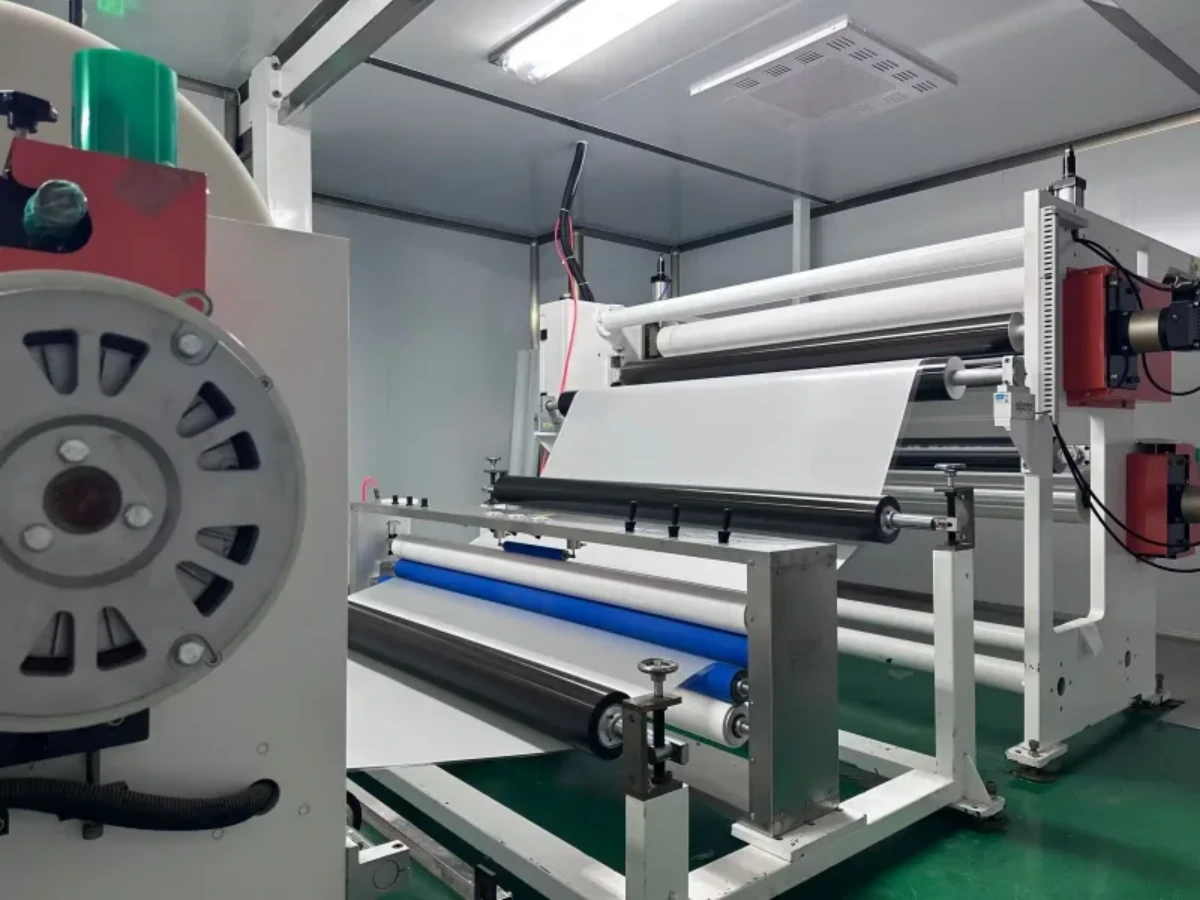
autoli TPU PPF Applied to all brand car models as ford、binli、Nissan、Dodge.Our factory cooperates with PPF wholesaler、Auto Spa、Auto Detailing、Auto Detailing service、Car Customization Shop and all so in many countries and regions around the world,like Australia,India,Iran,Finland,Netherlands,Warranty: 10 years.Our advantages:Unlock Business Growth with Our Factory’s PPF;Raw material purchasing advantage;SGS, ASTM, REACH, UL and other certifications;Collaborate for Lucrative Returns: Source factory;Large stock of styles for you to choose from.Our factory also provides Car Wrap、PET FILM.