

PPF’s application on fuel doors protects against fingernail scratches from repeated opening/closing.,Thicker options for high-impact areas (bumpers).,Factory – Direct: High – Quality PPF, Quick Delivery.
The environmental protection and sustainability of PPF:
- Minimal Waste Production – Laser-precut kits reduce material waste by 40% compared to hand-cutting, optimizing resource utilization.
- Waterless Cleaning Compatibility – PPF works with waterless wash sprays, saving 100 gallons per cleaning session versus traditional washing.
- Low-Impact Installation – Water-based application solutions replace harsh solvents, minimizing environmental harm during professional installation.
- Seasonal Biodegradable PPF – Temporary films for rental fleets decompose in 3 years, avoiding landfill waste from short-term use.
- Solvent-Free Adhesives – Water-based adhesives eliminate VOC emissions during production and installation, meeting EU REACH and California CARB standards.
- 50% Less Water for Washing – Hydrophobic properties reduce car wash frequency, saving 200 gallons of water per vehicle annually.
- Solar-Powered Recycling Facilities – PPF recycling plants using solar energy reduce processing emissions by 55% versus fossil-fueled facilities.
- Recycled Packaging – 90% of premium PPF brands use recycled cardboard and biodegradable film wrap, reducing packaging waste by 75%.
- Sustainable Adhesive Removers – Plant-based solvents for PPF removal replace harsh chemicals, reducing groundwater contamination risks.
The product classification and selection logic of PPF:
- Matte Texture Preservation – Prioritizing texture-matched matte PPF to avoid shine spots on specialty finishes.
- Removability Requirement – Choosing residue-free adhesives for lease vehicles to avoid end-of-term penalties.
- Warranty Needs Assessment – Selecting extended warranties (10 years) for high-value vehicles to protect resale value.
- Fleet Uniformity Selection – Choosing consistent PPF formulations for commercial fleets to simplify maintenance and appearance.
- Aesthetic Priority Selection – Matching finish type (matte/gloss) to vehicle paint to preserve original appearance.
- Budget-Driven Selection – Prioritizing economy-tier PPF for cost-sensitive buyers, balancing protection with affordability.
- Specialty Function Lines – Categorized for ADAS compatibility, fire resistance, or antimicrobial properties for niche needs.
- Pattern Complexity Matching – Opting for laser-cut PPF for vehicles with intricate contours (sports cars, classics).
- Micro-Scratch Prevention – Choosing self-healing PPF for owners prioritizing a swirl-free finish between details.
The extension of PPF’s functions:
- Before: Rear spoiler with cracked clear coat from sun exposure; After: UV-stable PPF covers cracks and prevents further clear coat breakdown.
- Before: Front air intake vents with paint chipping on edges; After: PPF covers vent edges, hiding chips and preventing debris from causing further damage.
- Before: Bumper with yellowed clear coat and road rash; After: PPF’s anti-yellowing formula covers discoloration and shields against future road debris damage.
- Before: Exhaust manifold heat shield with paint burned off; After: High-heat PPF covers shield, restoring appearance and resisting further heat damage.
- Before: Rear bumper step pad with paint worn away; After: PPF adds protective layer, hiding bare spots and resisting future wear from stepping.
- Before: Rear window defroster lines with faded paint around them; After: PPF covers the area, hiding discoloration and protecting against ice scraper damage.
The user pain points of PPF and their solutions:
- Poor Hydrophobicity Over Time – Restored by SiO? sealant boosters, reviving water repellency every 3–6 months.
- ADAS Sensor Interference – Prevented by radar-transparent PPF (99.9% signal transmission) tested with OEM systems.
- Fading in Extreme Sunlight – Fixed by 99% UV-blocking films with enhanced carbon black pigments for tropical climates.
- DIY Installation Failures – Resolved with pre-cut laser patterns, air-release adhesives, and step-by-step video tutorials.
- Bird Dropping Etching – Addressed through acid-resistant topcoats and 24-hour removal guidelines to prevent permanent damage.
- High Heat Damage (EV Batteries) – Solved by heat-resistant PPF (120°C ) with thermal conductivity for battery zone protection.
The user perception and consumption misconceptions of PPF:
- Consumer Misconception: “PPF Yellowing Is Visible Immediately” – Expecting instant discoloration, not realizing quality films take 5 years to show subtle yellowing.
- Consumer Misconception: “PPF Makes Car Washes Obsolete” – Thinking hydrophobic properties eliminate washing, not realizing heavy grime still requires cleaning.
- Consumer Misconception: “PPF Can Be Applied in Rainy Weather” – Attempting installation in humid conditions, increasing bubble risks due to moisture trapped under film.
- Consumer Misconception: “New Cars Don’t Need PPF Immediately” – Delaying installation, unaware that factory paint is most vulnerable to damage in the first 6 months of ownership.
- Consumer Misconception: “DIY Installation Saves Money” – Consumers underestimate skill requirements, with 45% of DIY installs requiring professional correction due to bubbles or misalignment.
- Consumer Misconception: “PPF Blocks Car Washes” – Avoiding automated washes due to fear of damage, when brushless systems are actually safe for properly installed PPF.
- Correct Perception: Resale Value Boost – 81% of luxury car owners recognize PPF-preserved paint enhances resale value by 5–10% in pre-owned markets.
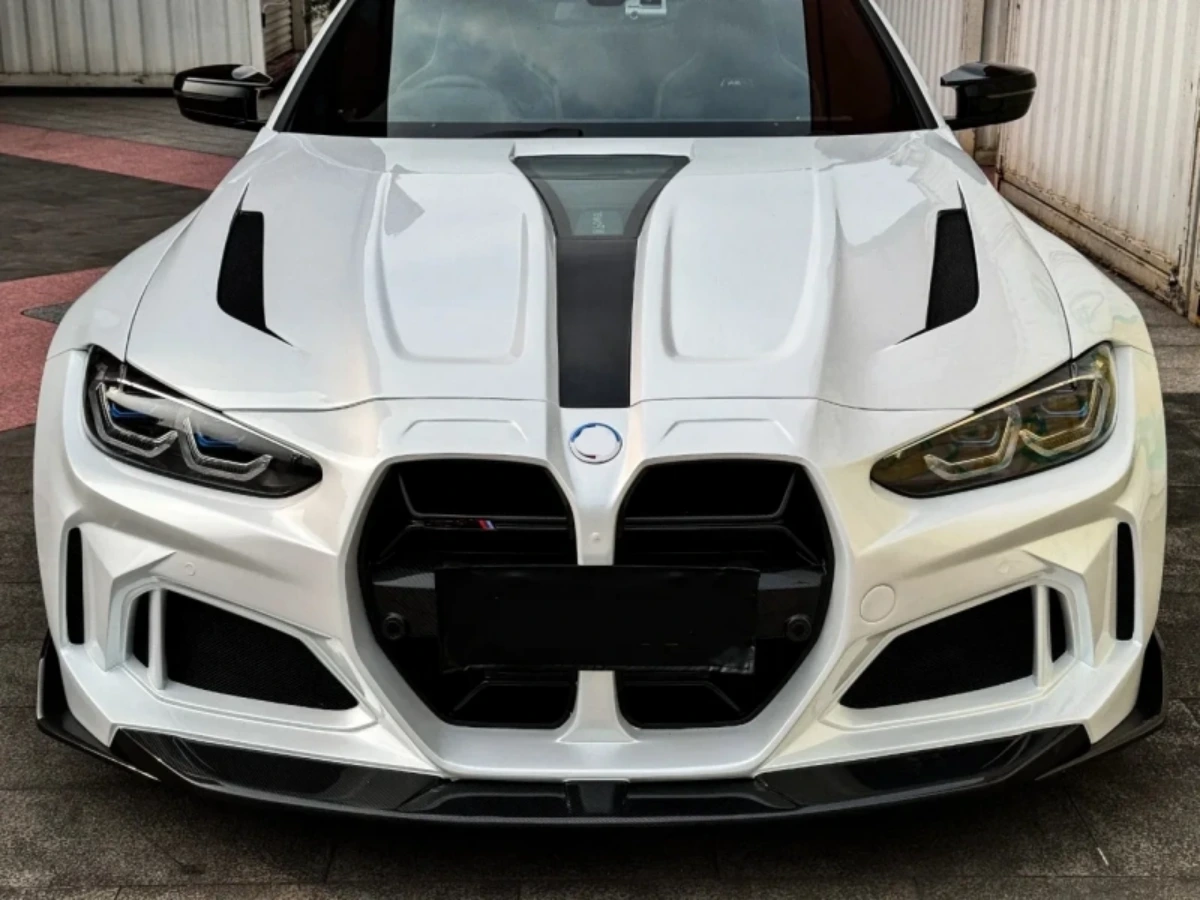
The regulations of PPF and after-sales services:
- China’s Consumer Complaint Channels – PPF buyers in China can file quality-related disputes through the national 12315 hotline, facilitating regulatory oversight and resolution .
- WEEE Directive Compliance – End-of-life PPF must be recycled in accordance with the EU’s WEEE directive, promoting circular economy practices for electronic and automotive waste .
- Class Action Liability – Manufacturers face potential litigation for non-compliant PPFs, as seen in cases involving PFAS contamination or false warranty claims .
- Cross-Industry Regulatory Alignment – PPFs used in electronics or aerospace must comply with sector-specific standards (e.g., FCC for electronics), expanding regulatory complexity .
- EU PPWR Packaging Mandates – The EU’s Packaging and Packaging Waste Regulation (PPWR) requires PPF packaging to be recyclable by 2030 and prohibits PFAS in food-contact packaging, impacting material choices and disposal practices .
The construction and maintenance of PPF:
- Edge Trimming – Precision cutting with a blade 1–2mm from panel edges prevents lifting while hiding trim lines.
- Avoid Parking Under Trees – Reducing exposure to sap, berries, and debris minimizes cleaning frequency and potential stains.
- Ceramic Coating Compatibility – Applying a PPF-safe ceramic coating after 30 days enhances scratch resistance by 40%.
- Avoid High-Pressure Direct Sprays – Keeping pressure washers 30cm from edges prevents water from lifting film edges.
- Heat Activation for Adhesion – A heat gun (60–80°C) activates adhesives along edges and curves to secure long-term bonding.
- Oxidation Correction Pre-Install – Polishing oxidized paint ensures PPF adheres smoothly to uniform surfaces.
- 48-Hour Road Tar Removal Window – Using专用 solvents to remove tar within 48 hours prevents permanent staining on PPF.
- Post-Installation Gassing Period – Allowing 24–48 hours for water evaporation prevents bubbles from forming post-installation.
- PPF-Safe Adhesive Removers – Specialized solvents clean up installation mistakes without damaging the underlying paint.
- Hand-Drying Post-Wash – Patting dry with microfiber towels instead of air-drying minimizes water spot formation.
The protective performance of PPF:
- Crystal-Clear Clarity – Maintains original interior aesthetics without distortion, preserving factory finishes.
- Off-Road Impact Protection – Thick films like Suntek Ultra Defense shield against branches, mud, and gravel in rugged terrains.
- Antimicrobial Coating – Inhibits microbial growth on touchscreens and interiors, enhancing hygiene in high-traffic areas.
- Edge Adhesion Assurance – Proper surface preparation and squeegee pressure prevent edge lifting, ensuring long-term durability.
- Multi-Layer Impact Absorption – Polyurethane base layer absorbs collisions, while UV inhibitors prevent fading.
- Anti-Static for Electronics – Reduces dust accumulation on touchscreens and interiors by minimizing static charge attraction.
- Transferable Warranty – Enhances resale appeal by extending coverage to subsequent owners, adding value.
- Sound Dampening via Multi-Layer Design – Engineered with acoustic layers to minimize road noise transmission, enhancing cabin comfort.
AUTOLI(CN) PPF(Paint Protection Film) oem factory
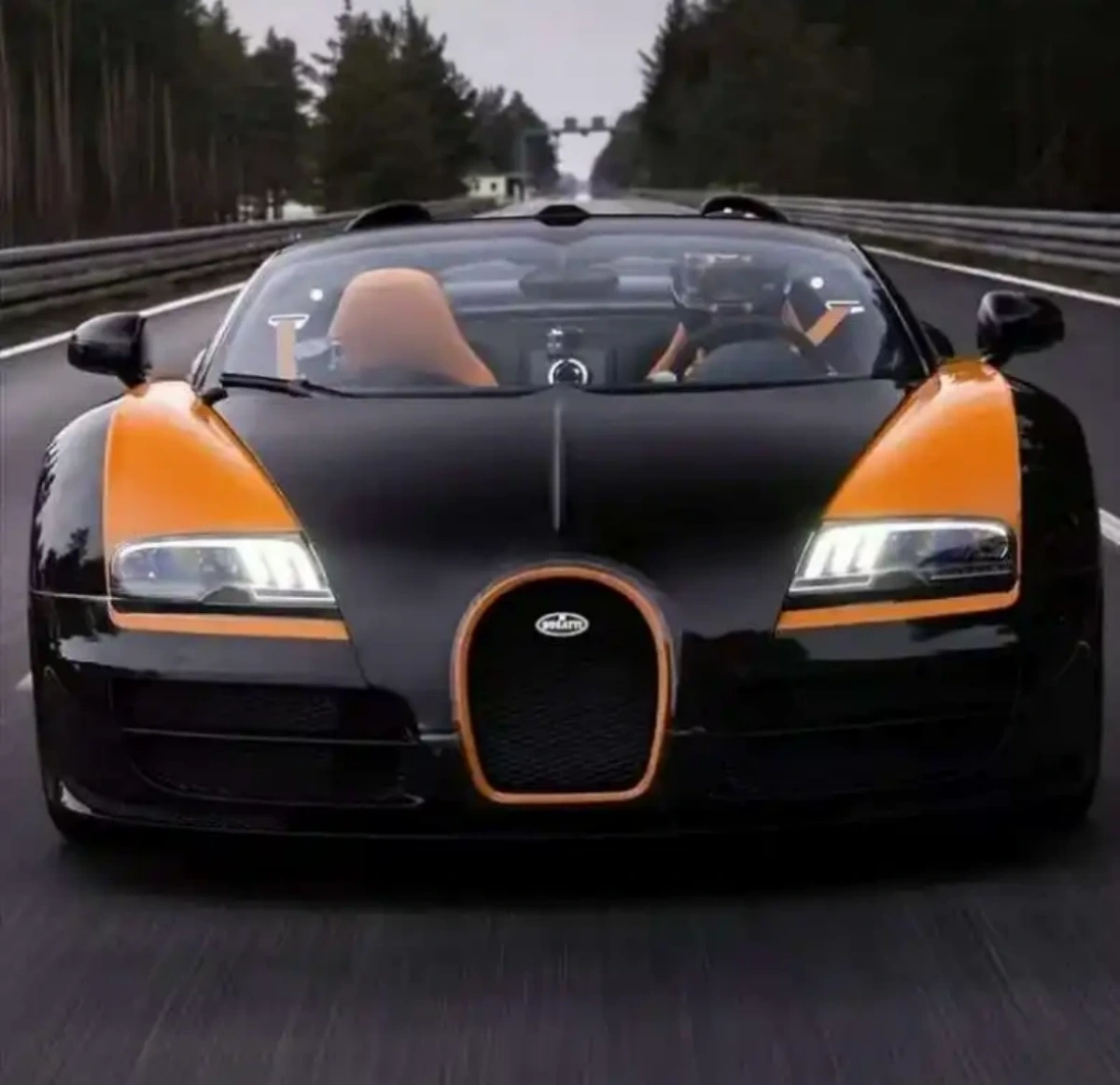
autoli TPU PPF Applied to all brand car models as Lincoln、Lincoln、Ferrari、Lamborghini.Our factory cooperates with PPF wholesale、Auto Detailing Shop、Car Customization Shop、Auto Repair Center、PPF brand and all so in many countries and regions around the world,like Philippines,Japan,Ireland,Iran,Norway,Warranty: 10 years.Our advantages:Strict quality control system;Collaborate for Lucrative Returns: Source factory;Your Key to Profitable PPF Ventures;Our customers are all over the world;Strict quality control system.Our factory also provides carwraps、Car Wrap Vinyl.