

PPF’s transparency allows paint’s natural depth to show through, unlike thick films that dull the finish.,Safe for enclosed garages with poor ventilation.,Break Free from Business Stagnation: Our Factory’s PPF, Your Launchpad.
The production supply chain and quality control system of PPF:
- Raw Material Sourcing – TPU resin procurement from certified suppliers (e.g., Lubrizol, BASF) with ISO 9001 certification for consistent polymer quality.
- Finished Goods Warehousing – Regional distribution centers with climate control (20–25°C) to preserve adhesive quality.
- Strategic Stockpiles – 3–6 month reserves of critical materials during high-demand periods or supply chain disruptions.
- Material Innovation Collaboration – Joint R&D with suppliers for next-gen TPU formulations (e.g., bio-based, high-heat resistant).
- Machine Vision Inspection – High-resolution cameras detecting micro-defects (≥20μm) in TPU films during production.
The regulations of PPF and after-sales services:
- WEEE Directive Compliance – End-of-life PPF must be recycled in accordance with the EU’s WEEE directive, promoting circular economy practices for electronic and automotive waste .
- Regional Regulatory Exemptions – Medical device packaging and hazardous goods transportation are exempt from EU PPWR’s recyclability rules, affecting niche PPF applications .
- Class Action Liability – Manufacturers face potential litigation for non-compliant PPFs, as seen in cases involving PFAS contamination or false warranty claims .
- DIY Installation Void Policies – Most warranties, including PurePPF and 3M, void coverage for self-installed films, emphasizing the need for certified professional application .
- Warranty Transferability – Transferred vehicle ownership often requires warranty re-registration, with brands like 3M requiring updated documentation to maintain coverage .
- Nano-Coating Warranty Bundles – Hybrid solutions combining PPF with ceramic coatings (e.g., Onyx PPF Nano Coat) offer extended warranties covering both layers .
- Recall Protocols for Defects – In cases of material defects (e.g., delamination), manufacturers like PurePPF coordinate nationwide recalls and replacements via authorized installers .
- EU Digital Product Passport – PPF manufacturers must disclose material composition and recycling details via the EU’s Digital Product Passport, enhancing supply chain transparency .
- Lifetime Warranty Programs – Premium PPF brands like 3M offer 7-year warranties on Pro Series films, covering defects like delamination and yellowing, while excluding wear and tear or improper installation .
The user perception and consumption misconceptions of PPF:
- Correct Perception: Long-Term Cost Savings – 68% of users understand PPF reduces repaint costs over 5 years, aligning with data showing $2,000 savings on luxury vehicles.
- Consumer Misconception: “PPF Installation Requires Paint Removal” – Fearing sanding or stripping, unaware professional installs use gentle cleaning without paint removal.
- Correct Perception: Matte Finish Compatibility – Educated buyers seek matte-specific PPF, avoiding gloss films that ruin specialty paint textures.
- Consumer Misconception: “All PPF Self-Heals the Same” – Assuming budget films repair as well as premium ones, unaware that microcapsule density varies by price point.
- Correct Perception: PPF Preserves Custom Paint Investments – Owners of $5k custom paint jobs use PPF, avoiding costly touch-ups from minor damage.
- Consumer Misconception: “New Cars Don’t Need PPF Immediately” – Delaying installation, unaware that factory paint is most vulnerable to damage in the first 6 months of ownership.
- Consumer Misconception: “All PPF Installers Are Equal” – Choosing based on price alone, ignoring differences in training, tools, and workspace quality.
- Consumer Misconception: “Matte PPF Holds More Dirt” – Avoiding matte finishes due to perceived maintenance issues, not realizing their texture repels dust better than gloss.
- Consumer Misconception: “PPF Can’t Be Repaired” – Assuming damaged PPF requires full replacement, unaware small sections can be patched professionally.
- Consumer Misconception: “All PPFs Are Identical” – Many buyers assume no quality difference between $500 and $3,000 PPF, neglecting TPU vs. PVC material distinctions.
The user pain points of PPF and their solutions:
- DIY Installation Failures – Resolved with pre-cut laser patterns, air-release adhesives, and step-by-step video tutorials.
- Mold Growth in Humid Climates – Prevented by antimicrobial additives and breathable film designs allowing moisture evaporation.
- Long Installation Downtime – Reduced to 1–2 days with pre-cut kits and rapid-cure adhesives (24-hour bonding).
- Warranty Claim Denials – Prevented by transparent warranty terms, certified installer networks, and digital claim tracking.
- Bird Dropping Etching – Addressed through acid-resistant topcoats and 24-hour removal guidelines to prevent permanent damage.
- Difficulty Matching Vehicle Contours – Addressed by 3D-scanned, vehicle-specific pre-cut patterns for complex curves (fenders, mirrors).
- Incompatibility with Custom Paint – Addressed by color-stable PPF formulated for matte, chameleon, and metallic finishes.
- Expensive Repairs for Damage – Reduced via self-healing technology (repairs 3μm scratches with heat) and patchable film sections.
- Fading in Extreme Sunlight – Fixed by 99% UV-blocking films with enhanced carbon black pigments for tropical climates.

The cutting-edge technology research and development of PPF:
- 3D Laser Cutting – Femtosecond laser ablation creates intricate patterns with <10-micron precision, optimizing material usage by 95%.
- AI-Driven Process Optimization – Reinforcement learning algorithms adjust extrusion temperature and pressure in real-time, reducing waste by 60%.
- Dynamic Thermal Management – Phase change materials (PCMs) encapsulated in PPF absorb and release heat to maintain 22–25°C surface temperature.
- Antifouling Coatings – Zwitterionic polymer brushes prevent marine biofouling and industrial scale formation on PPF surfaces.
- Graphene-Reinforced Composites – Graphene oxide nanoplatelets (GONPs) and molybdenum disulfide (MoS?) nanoparticles increase PPF tensile strength by 262% and compressive modulus by 108%.
- Ultra-Thin Nanocoatings – 6-micron films with nanocrystalline structures match 10-micron PPF impact resistance while reducing material usage by 40%.
- Nanocellulose Reinforcement – Cellulose nanofibers from wood pulp improve PPF toughness by 200% while maintaining biodegradability.
- Bio-Based UV Stabilizers – Plant-derived flavonoids and carotenoids replace synthetic HALS, maintaining UV resistance for 10 years.
- Dynamic Mechanical Response Coatings – Shape memory polyurethanes with programmable stress-strain curves adapt to impact forces in automotive collisions.
The long-term monitoring and maintenance system after the installation of PPF:
- Aftermarket Accessory Compatibility – Ensuring car bras or covers have soft liners that won’t scratch PPF during wind movement.
- Winter Snow Removal Guidelines – Using soft-bristle brushes and plastic scrapers with rubber edges to remove snow/ice.
- Thermal Healing Activation – Parking in sunlight (or using low-heat hair dryers) to accelerate self-healing of minor scratches in cool weather.
- Petroleum Product Avoidance Zones – Keeping PPF away from gasoline, diesel, and motor oil spills that dissolve adhesives.
- End-of-Warranty Pre-Assessments – Comprehensive inspections 6 months before warranty expiry to address issues proactively.
- Bi-Weekly Basic Cleaning – Rinsing with low-pressure water to remove surface dirt, preventing abrasive particle buildup.
The extension of PPF’s functions:
- Before: Rear window defroster lines with faded paint around them; After: PPF covers the area, hiding discoloration and protecting against ice scraper damage.
- Before: Front air dam with road rash from low ground clearance; After: Thick PPF lines the dam, hiding existing damage and absorbing impact from road debris.
- Before: Rear tail light gaskets with paint peeling where they meet the body; After: PPF lines gasket edges, hiding peeling and preventing water intrusion.
- Before: Roof antenna base with paint peeling around the edges; After: PPF seals the base edge, hiding peeling and preventing water from getting under paint.
- Before: Side vent actuator arms with paint chipping from movement; After: PPF covers arms, hiding chips and reducing friction-related damage.
- Before: Side view mirror housings with paint worn from adjusting; After: PPF wraps housings, covering wear and reducing friction during adjustments.
How TPU Redefines PPF:
- Chemical Resistance – TPU’s resistance to bird droppings, road salt, and fuels redefined PPF from basic shields to multi-hazard barriers.
- Multi-Layer Versatility – TPU’s compatibility with adhesive, core, and topcoat layers redefined PPF from single-layer films to multi-functional barriers with tailored properties.
- Self-Healing Revolution – TPU’s microstructural recovery under heat redefined PPF from static protection to dynamic, scratch-repairing films that mend 3μm scratches automatically.
- Safety Enhancement – TPU’s impact absorption redefined PPF from cosmetic protectors to safety features reducing debris-related damage in accidents.
- Impact Indication – Color-changing TPU layers redefined PPF from silent protectors to damage-alert systems revealing hidden impacts.
- Temperature Tolerance – TPU’s -40°C to 80°C stability redefined PPF from climate-limited products to all-weather solutions for extreme hot and cold regions.
- Anti-Static Properties – Carbon-infused TPU redefined PPF from dust-attracting films to static-dissipating solutions reducing dirt buildup.
- EV Compatibility – Heat-resistant TPU redefined PPF from standard protectors to EV-specific solutions withstanding battery zone temperatures up to 120°C.
- Thin Yet Tough – High-strength TPU allowed 6–8mil films to match 10–12mil PVC protection, redefining PPF as lightweight yet durable.
Say Goodbye to Car Scratches: Self-Healing PPF Revealed!:
- Self-healing repair is chemical-free, using only heat to trigger natural molecular reformation in the TPU film.
- Traditional waxes and sealants require constant reapplication to mask scratches, while self-healing PPF repairs damage autonomously for 5–10 years.
- Fine scratches from dust or dry wiping vanish, making low-effort maintenance safe for preserving your car’s finish.
- Self-healing PPF reduces the visual impact of “paint transfer” from minor collisions, buying time for professional repairs.
- Self-healing PPF protects chrome trims and plastic components, extending scratch repair beyond painted surfaces.
- Unlike temporary fillers, self-healing repairs strengthen the film, maintaining its protective barrier against future damage.
- Road tar or adhesive residue removal scratches heal, ensuring necessary maintenance doesn’t harm paint.
- Swirl marks from improper drying or washing fade away, simplifying DIY car care and reducing the risk of accidental damage.
- Even after 5 years of use, self-healing PPF retains 80% of its repair efficiency, extending its aesthetic lifespan beyond basic protection.
AUTOLI(CN) PPF(Paint Protection Film) oem factory
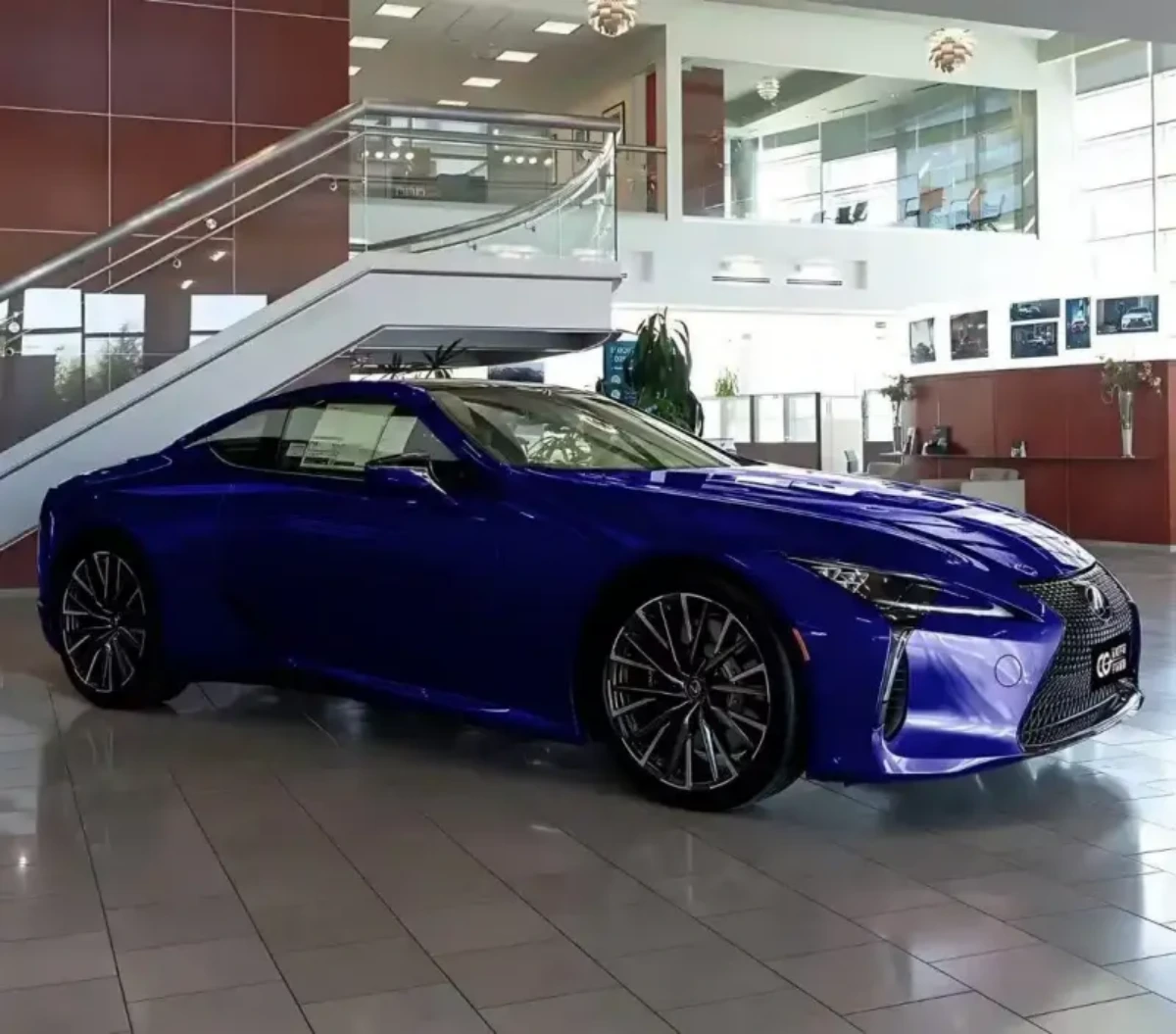
autoli TPU PPF Applied to all brand car models as Cadillac、Maserati、byd、Rolls-Royce.Our factory cooperates with PPF trading、Car Customization Shop、AutoZone、Auto Detailing service、PPF agent and all so in many countries and regions around the world,like Madagascar,Peru,Luxembourg,Turkey,Czech,Warranty: 10 years.Our advantages:Perfect after-sales service;Short production cycle, quick delivery;Raw material purchasing advantage;Our customers are all over the world;Your Key to Profitable PPF Ventures.Our factory also provides Vinyl Car Wrap、vinyl Wrap、Car PPF.