

PPF’s application by certified technicians guarantees quality, with training in proper techniques for long-lasting results.,Covers edges to prevent water ingress.,Upgrade to Our Factory’s PPF: Quality Beyond Compare, Business Growth Guaranteed.
The regulations of PPF and after-sales services:
- Warranty Transferability – Transferred vehicle ownership often requires warranty re-registration, with brands like 3M requiring updated documentation to maintain coverage .
- Cross-Industry Regulatory Alignment – PPFs used in electronics or aerospace must comply with sector-specific standards (e.g., FCC for electronics), expanding regulatory complexity .
- Regulatory Updates for EVs – EV-specific PPFs must comply with OEM heat resistance standards (e.g., 120°C for battery zones) to avoid delamination .
- EU Digital Product Passport – PPF manufacturers must disclose material composition and recycling details via the EU’s Digital Product Passport, enhancing supply chain transparency .
- 3M’s Warranty Exclusions – 3M’s warranty explicitly excludes watermarks, improper maintenance, and non-authorized products, emphasizing the need for professional installation and genuine materials .
- NAR Auto Film’s Compensation Policy – NAR PPF provides 1:1 pre-installation and 1:2 post-installation defect compensation, backed by factory insurance covering up to 100% of replacement costs .
- China’s Consumer Complaint Channels – PPF buyers in China can file quality-related disputes through the national 12315 hotline, facilitating regulatory oversight and resolution .
- Blockchain Warranty Verification – 3M utilizes blockchain to secure digital warranties, enabling traceable ownership transfers and fraud prevention .
The cutting-edge technology research and development of PPF:
- Bio-Based UV Stabilizers – Plant-derived flavonoids and carotenoids replace synthetic HALS, maintaining UV resistance for 10 years.
- Smart UV Indicators – Photochromic dyes in PPF change color when UV exposure exceeds safe levels, alerting users to replacement needs.
- Bio-Based Flame Retardants – Chitosan-functionalized ammonium polyphosphate (CS-APP) and phenylphosphonic difurfurylamine (PPDF) provide V-0 rating in UL 94 tests with <1% loading.
- 3D-Printed Customization – Selective Absorption Fusion (SAF?) 3D printing allows complex PPF geometries with integrated channels for thermal management.
- Dynamic Response Coatings – Thermochromic films change color at 45°C to indicate overheating, while photochromic variants adapt transparency based on UV intensity.
- Smart Adhesive Systems – Pressure-sensitive adhesives with shape memory properties adjust bonding strength based on temperature and humidity.
- High-Temperature Resistant PPF – Polyimide-TPU blends withstand 232°C (450°F) for automotive exhaust systems and industrial machinery.
The user perception and consumption misconceptions of PPF:
- Correct Perception: Climate-Specific Formulas – Users in deserts seek UV-enhanced PPF, while coastal buyers prioritize saltwater resistance, matching products to environments.
- Consumer Misconception: “PPF Makes Car Washes Obsolete” – Thinking hydrophobic properties eliminate washing, not realizing heavy grime still requires cleaning.
- Consumer Misconception: “PPF Is Only for Exteriors” – Overlooking interior applications, missing opportunities to protect door sills and touchscreens.
- Correct Perception: Professional Installation Worth Cost – 90% of satisfied users attribute results to certified installers, valuing dust-free environments and precision tools.
- Correct Perception: EV-Specific PPF Benefits – EV owners prioritize heat-resistant PPF for battery zones, reducing thermal damage risks during charging.
- Correct Perception: TPU vs. PVC Durability – Informed buyers recognize TPU PPF offers 3x longer lifespan than PVC, prioritizing flexibility and self-healing over cost.
- Consumer Misconception: “PPF Installation Requires Paint Removal” – Fearing sanding or stripping, unaware professional installs use gentle cleaning without paint removal.
- Consumer Misconception: “PPF Yellowing Is Inevitable” – Fearing all PPF yellows, unaware that modern anti-yellowing formulas with HALS stabilizers last 10 years clear.
- Consumer Misconception: “PPF Installation Takes Days” – Avoiding PPF due to perceived downtime, not knowing modern pre-cut kits reduce professional installs to 1–2 days.
The product classification and selection logic of PPF:
- Repair Ease Consideration – Selecting patchable PPF for owners preferring DIY fixes for minor damage.
- Long-Term Storage Consideration – Opting for breathable PPF for vehicles in long-term storage to prevent moisture trapping.
- Debris Type Evaluation – Selecting sand-resistant PPF for desert regions vs. gravel-resistant variants for rural areas.
- Material-Based Classification – Products categorized as TPU, PET, or PVC PPF based on base polymer, dictating flexibility, durability, and cost.
- Anti-Static Needs – Selecting carbon-infused PPF for dust-prone environments to reduce surface dirt accumulation.
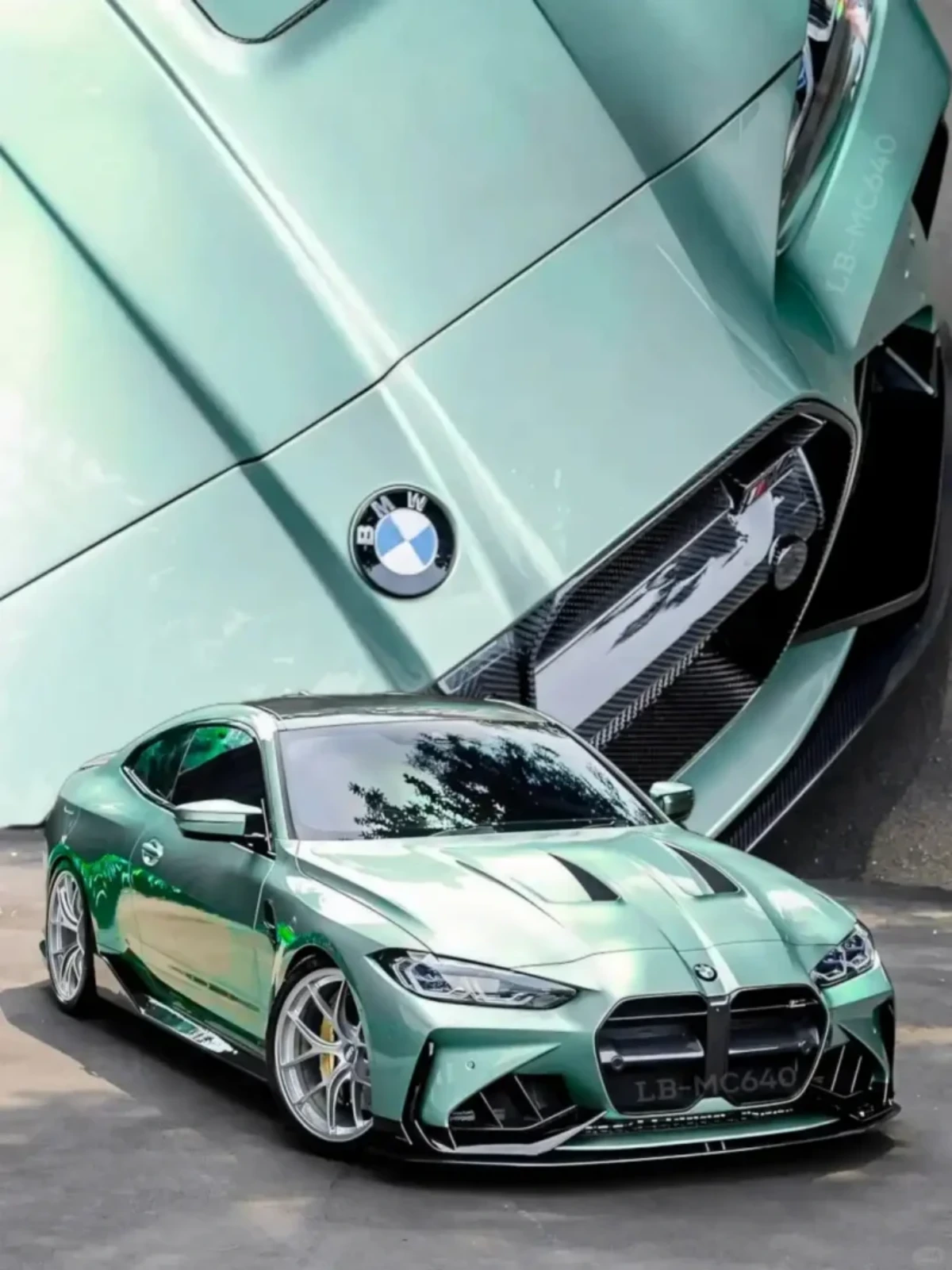
- Finish Types – Classified as gloss, matte, or satin to match vehicle paint textures and aesthetic preferences.
The environmental protection and sustainability of PPF:
- Reusable Installation Tools – Brands provide washable microfiber squeegees instead of single-use plastic tools, cutting installer waste.
- Cradle to Cradle Certification – PPF meeting C2C Silver standards ensures material recyclability and safe end-of-life disposal.
- Green Manufacturing Certifications – ISO 14001-certified facilities ensure PPF production follows environmentally responsible management systems.
- Reduced Paint Stripping Waste – By preserving original paint, PPF eliminates the need for paint stripping chemicals and associated hazardous waste.
- Mycelium Packaging Inserts – Mushroom-based packaging protects PPF during shipping, decomposing in 45 days without chemicals.
- 50% Less Water for Washing – Hydrophobic properties reduce car wash frequency, saving 200 gallons of water per vehicle annually.
Say Goodbye to Car Scratches: Self-Healing PPF Revealed!:
- Commercial vehicles (taxis, delivery vans) stay presentable longer, reducing fleet downtime for appearance maintenance.
- Healing speed increases with temperature, making summer the perfect season for quick scratch reversal on hot days.
- Winter scratches from road salt or sand heal once temperatures rise, preventing permanent damage in cold climates.
- Unlike temporary fillers, self-healing repairs strengthen the film, maintaining its protective barrier against future damage.
- Parking lot dings, shopping cart brushes, and accidental scrapes heal automatically, reducing the need for costly detailing or touch-ups.
- Road tar or adhesive residue removal scratches heal, ensuring necessary maintenance doesn’t harm paint.
- Self-healing properties remain effective across the entire film, from large panels like hoods to detailed areas like door handles and mirrors.
- Valet or parking attendant scratches heal, reducing stress about professional handling of your vehicle.
- Rental car fleets use self-healing PPF to maintain appearance between rentals, cutting reconditioning costs by 40%.
The market trends and industry changes of PPF:
- Photocatalytic Self-Cleaning PPF – TiO?-infused films decompose 80% of surface dirt under UV light, reducing washing needs by 50% in real-world testing.
- Increased Adoption in Non-Automotive Sectors – PPF applications are expanding to electronics (screen protection), aerospace (corrosion resistance), and industrial equipment, diversifying revenue streams for manufacturers.
- Nano-Coating Enhancements – Nano-based topcoats (e.g., Nasiol FCC) improve hydrophobicity and chemical resistance, extending PPF lifespan while maintaining self-healing capabilities.
- Southeast Asia Market Surge**- Indonesia and Vietnam’s PPF markets are growing at 11% CAGR, driven by rising middle-class car ownership and demand for affordable protection packages.
- EV Battery Heat Resistance Focus – Next-gen PPF films are engineered to withstand 120°C from EV battery systems, preventing delamination in high-heat zones like undercarriages.
- IoT-Enabled Performance Monitoring – Smart PPF prototypes with embedded sensors are being tested to monitor UV exposure and damage levels, providing real-time data for predictive maintenance.
- Rapid Growth of High-End PPF Market – The high-end PPF market is projected to reach $4.2 billion by 2033 at an 8% CAGR, driven by luxury vehicle ownership and demand for advanced protection features like self-healing technology.
- Thinner Yet Stronger Films – 6-mil PPF films now match the durability of 8-mil predecessors, reducing material use by 25% while maintaining impact resistance.
- Premiumization Amid Inflation – Luxury PPF prices rose 12% in 2024, while budget options stayed stable, as brands prioritize high-margin segments.
AUTOLI(CN) PPF(Paint Protection Film) oem manufacturer
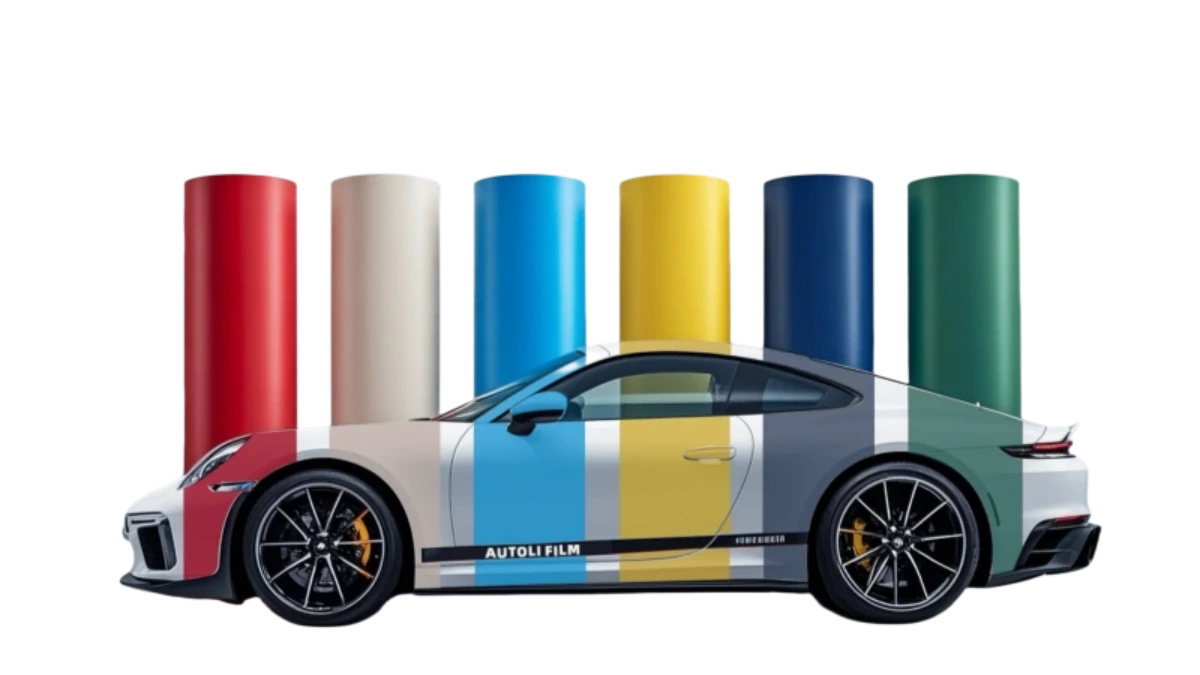
autoli TPU PPF Applied to all brand car models as McLaren、ford、Tesla、volvo.Our factory cooperates with PPF distributor、PPF installer、PPF trading、PPF agent、PPF wholesaler and all so in many countries and regions around the world,like VietNam,Slovenia,UK,Colombia,Warranty: 10 years.Our advantages:Our customers are all over the world;Efficient production reduces costs;Unlock Business Growth with Our Factory’s PPF;Strict quality control system;Short production cycle, quick delivery.Our factory also provides TPU PPF、Car Paint Protection Film、Paint Protection Film.