

PPF safeguards car paint from stone chips and scratches via durable TPU, absorbing over 90% of daily impact energy to preserve the original finish.,Sun 纹 self-healing for long-term flawless look.,Partner with Factory: Diverse – Colored PPF, Unbeatable Prices.
The horizontal comparison of PPF with other protection methods:
- PPF vs. Rubberized Undercoating – Undercoating protects metal from rust, while PPF defends painted surfaces from road debris, with non-overlapping application zones.
- PPF vs. Chrome Polish – Chrome polish removes tarnish but doesn’t prevent future damage, while PPF on chrome trims resists scratches and maintains shine long-term.
- PPF vs. Anti-Scratch Sprays – Sprays offer mild scratch resistance for 1–3 months, while PPF provides robust defense against deep scratches for 5 years.
- PPF vs. Teflon Coatings – Teflon coatings reduce friction but lack self-healing, unlike PPF which repairs micro-scratches and resists abrasion better in high-wear areas.
- PPF vs. Anti-Graffiti Coatings – Anti-graffiti treatments focus on easy stain removal, while PPF adds physical barrier defense against scratches from graffiti tools.
- PPF vs. Silicone Coatings – Silicone coatings repel water but degrade quickly (1–2 years) under UV exposure, whereas PPF maintains hydrophobicity for 5 years with UV stabilizers.
The differentiated user group needs matching of PPF:
- Daily Urban Commuters – Seek 7–8mil UV-stabilized PPF for scratch resistance against parking lot dings and road debris during city driving.
- Senior Living Community Shuttles – Need scratch-resistant PPF on step plates and door handles, enduring frequent passenger entry/exit.
- Electric Boat Owners – Select marine-grade PPF resistant to saltwater and UV, protecting hulls from dock scratches and sun damage.
- Art Car Enthusiasts – Select removable, customizable PPF that protects murals/decals from weathering while allowing design updates without damage.
- Vintage Airplane Owners – Opt for aviation-grade PPF that protects aluminum surfaces from corrosion and UV damage during storage and display.
- Mobile Art Studios – Select customizable PPF that protects exterior murals from weathering, allowing artists to update designs without damage.
- Mobile Tailgating Vehicles – Choose spill-resistant PPF for exteriors, simplifying cleanup of food, drinks, and grilling debris during events.
The user scenarios and value validation of PPF:
- Classic Car Collectors – Preserves original paint on 1960s Corvettes and Porsche 911s, with PPF removable without residue for concours-level restorations.
- Urban Commuters – Resists parking lot dings and shopping cart scratches in cities like Tokyo, with 85% of users reporting no visible paint damage after 1 year.
- School Bus Operators – Protects yellow exteriors from graffiti and playground scrapes, cutting annual maintenance costs by $1,200 per bus.
- Ambulance Fleets – Protects emergency vehicle exteriors from disinfectant damage, maintaining visibility of markings and reducing repaint needs by 50% annually.
- Luxury Yacht Tenders – Guards small boat hulls from dock collisions, with marine-grade PPF reducing gel coat repairs by 60% in saltwater environments.
TPU PPF VS PET PPF:
- Installation Time – TPU PPF full-vehicle installs take 1–2 days, while PET PPF requires 1 day but with higher risk of rework.
- Temperature Tolerance – TPU PPF withstands -40°C to 80°C without cracking, unlike PET PPF which becomes brittle below 0°C.
- Historic Vehicle Use – TPU PPF’s reversible application protects classic car paint, unlike PET PPF which risks damaging vintage finishes.
- Chemical Resistance – TPU PPF resists bird droppings and road salt for 72 hours, while PET PPF shows etching after 24 hours of exposure.
- Outdoor Storage Performance – TPU PPF-protected vehicles show 70% less fading in outdoor storage, compared to 30% reduction with PET PPF.
- Modular Repair Compatibility – TPU PPF allows seamless patch repairs, while PET PPF patch edges are visibly distinct from original film.
- Multi-Layer Construction – TPU PPF integrates adhesive, core, and topcoat layers seamlessly, while PET PPF layers delaminate 2x more frequently.
- Durability Rating – TPU PPF achieves 50,000 Taber abrasion cycles, compared to PET PPF’s 15,000-cycle rating.
- Moisture Barrier – TPU PPF prevents water intrusion for 72 hours, while PET PPF allows moisture penetration after 24 hours at edges.
- Low-Temperature Installation – TPU PPF installs reliably at 15°C , while PET PPF requires 20°C environments to prevent adhesive failure.
The cost structure and price composition of PPF:
- Sample Costs – Free or low-cost samples (5–10 sq ft) add 1–2% to marketing expenses but drive sales.
- Customer Acquisition Costs – Average $200–$500 per new client, factored into initial service pricing.
- Energy-Efficient Production Savings – Solar-powered factories reduce energy costs by 20–30%, lowering unit prices marginally.
- Damage Waiver Fees – Optional $50–$100 waivers cover minor installation errors, adding 2–3% to revenue.
- Cost of Quality Failures – Defective films add 3–5% to costs via rework and customer compensation.
- Retailer Markup Structure – Wholesalers add 20–30%, retailers add 50–70% to cover overhead and profit.
- Post-Install Inspection Fees – 24-hour quality checks add $50–$100 per vehicle but reduce warranty claims by 20%.
- Packaging Efficiency Savings – Bulk rolls reduce packaging costs by 40%, passing 10–15% savings to buyers.
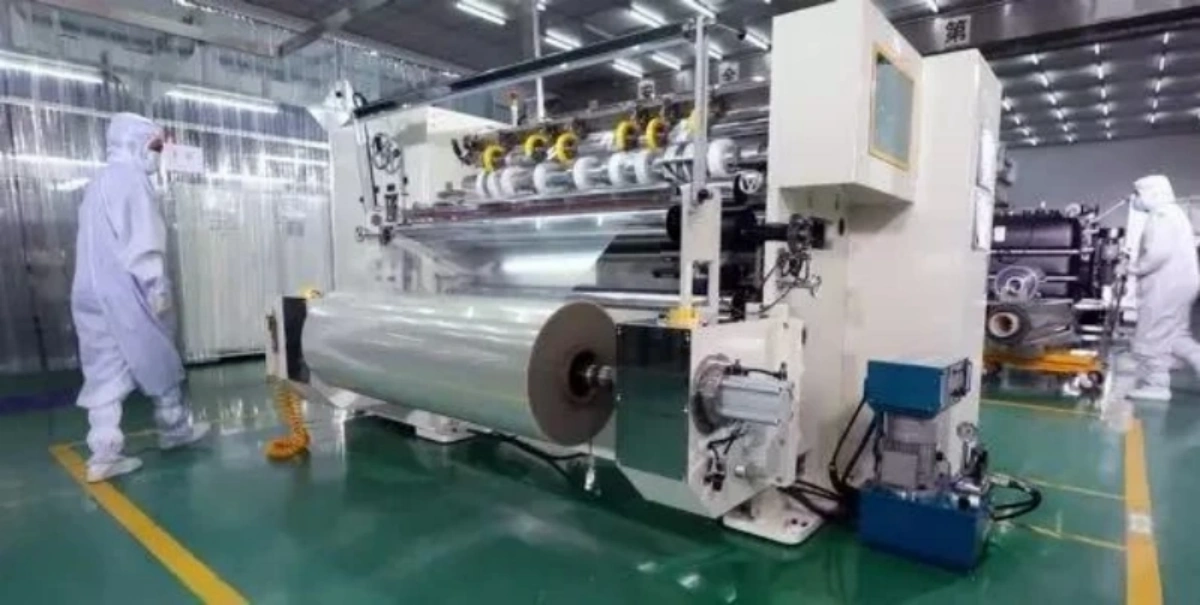
The cutting-edge technology research and development of PPF:
- Multifunctional Nanocomposites – Black phosphorus nanosheets in PPF bone cements combine osteogenic activity with photothermal tumor ablation.
- Advanced Pilot Film Extrusion – State-of-the-art pilot lines with commercial-grade precision enable defect-free PPF prototyping and rapid material validation, reducing development cycles by 40%.
- Shape Memory Adhesives – Adhesives with thermally activated shape recovery allow repositioning during installation without residue.
- Energy-Efficient Curing – Infrared curing systems reduce energy consumption by 50% compared to convection ovens, aligning with ISO 14001 sustainability standards.
- Biodegradable Conductive PPF – Carbon nanotube-doped bioplastics enable flexible electronics integration with 2-year composting capability.
- Nano-Ceramic Reinforced PPF – Zirconia and alumina nanoparticles increase PPF hardness to 9H while maintaining 85% transparency.
- Biodegradable Nanocomposites – Coconut husk-derived bioplastics and black phosphorus-reinforced PPF degrade in 3–5 years under industrial composting.
The construction and maintenance of PPF:
- Seasonal Maintenance Adjustment – Increasing cleaning frequency in rainy seasons to prevent mold growth under the film.
- 48-Hour Road Tar Removal Window – Using专用 solvents to remove tar within 48 hours prevents permanent staining on PPF.
- Slow Installation in Hot Climates – Working at a reduced pace in ≥30°C conditions prevents adhesives from setting prematurely.
- Storage Protection – Covering vehicles with breathable car covers in storage prevents dust buildup and UV overexposure.
- 45° Pressure Washer Nozzle Angle – Directing spray at an angle prevents water from forcing PPF edges loose.
- Post-Repair Curing – Allowing 24 hours after minor repairs (e.g., bubble removal) before washing to ensure adhesion.
- Surface Decontamination – Pre-installation cleaning uses clay bars and iron-removing sprays to eliminate embedded contaminants like rail dust.
- Infrared Curing for Cold Conditions – Low-heat infrared lamps accelerate adhesive setting in workshops below 20°C.
- Avoid Solvent-Based Cleaners – Steering clear of acetone, brake fluid, or strong degreasers prevents topcoat dissolution.
The regulations of PPF and after-sales services:
- EU REACH Compliance – PPF manufacturers must adhere to EU REACH regulations, ensuring all chemicals used in production meet strict safety and environmental standards, particularly for PFAS substances like C9-C14 PFCAs, which are restricted to ≤25 ppb in materials .
- Customer Support Hotlines – Brands like NAR PPF provide dedicated hotlines (4008 8181 07) for warranty claims, requiring vehicle details and installation records for processing .
- California CARB VOC Limits – PPF adhesives sold in California must comply with CARB’s strict VOC regulations, reducing harmful emissions during installation to align with regional air quality standards .
- Lifetime Warranty Programs – Premium PPF brands like 3M offer 7-year warranties on Pro Series films, covering defects like delamination and yellowing, while excluding wear and tear or improper installation .
- Heat-Activated Self-Healing Warranties – Brands guarantee self-healing performance (e.g., 98% micro-scratch repair within 8 minutes at 45°C) under warranty, reflecting confidence in material durability .
- Warranty Transferability – Transferred vehicle ownership often requires warranty re-registration, with brands like 3M requiring updated documentation to maintain coverage .
AUTOLI(CN) PPF(Paint Protection Film) manufacturer
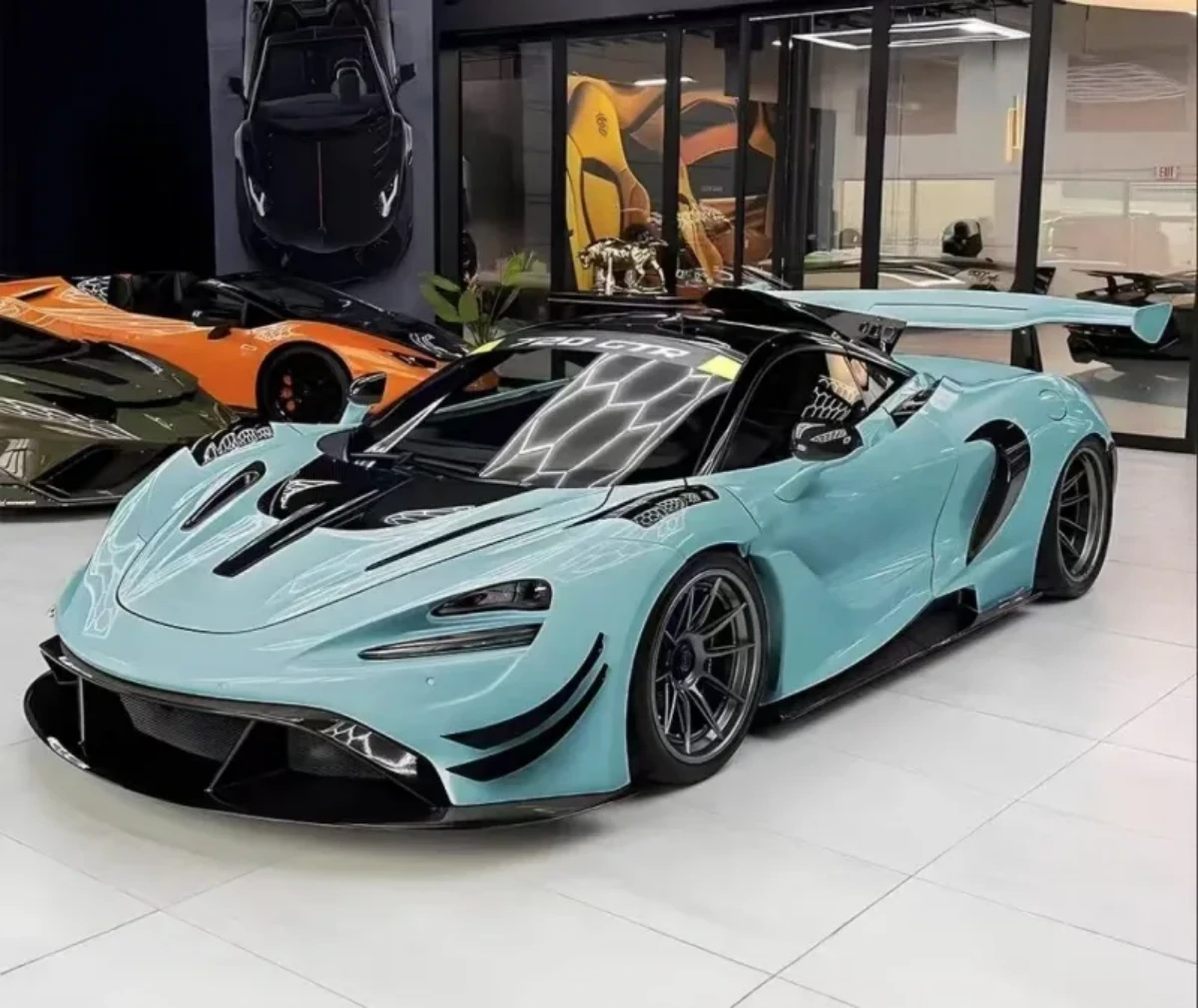
autoli TPU PPF Applied to all brand car models as byd、Lincoln、Dodge、Porsche、Lexus、Cadillac.Our factory cooperates with Auto Spa、PPF installer、PPF wholesale and all so in many countries and regions around the world,like USA,Morocco,Ecuador,Russia,Poland,Warranty: 10 years.Our advantages:High quality raw materials and advanced technology;Strict quality control system;SGS, ASTM, REACH, UL and other certifications;Raw material purchasing advantage.Our factory also provides TPU PPF、PPF FILM.