

PPF’s low maintenance needs save time, as it requires no special cleaners—just regular soap and water.,Flexible across temperature changes to avoid cracks.,Direct from Factory: High – Gloss PPF at Your Service.
The cost structure and price composition of PPF:
- Warranty Reserves – 2–3% of revenue is allocated to warranty claims, higher for lifetime warranty products.
- Lifecycle Cost Justification – 5-year total cost 30–40% lower than repainting, justifying higher upfront PPF prices.
- Lead Time Premiums – Rush orders add 20–30% to prices to prioritize production and shipping.
- Mid-Range Price Points – 8mil self-healing PPF sells for $8–$12 per square foot, balancing quality and affordability.
- OEM Partnership Pricing – Factory-installed PPF sold at 15–20% below aftermarket due to bulk production deals.
- Waste Allowance – 5–10% material waste factored into pricing, higher for complex vehicle shapes.
The construction and maintenance of PPF:
- Wet Application Method – Spraying a soapy water solution between the film and surface allows repositioning before final adhesion.
- 48-Hour Road Tar Removal Window – Using专用 solvents to remove tar within 48 hours prevents permanent staining on PPF.
- Rotating Microfiber Cloths – Using fresh cloths for each washing step prevents grit transfer and minimizes scratches.
- Avoid High-Pressure Direct Sprays – Keeping pressure washers 30cm from edges prevents water from lifting film edges.
- Spring Sealant Application – Applying PPF-specific wax in spring enhances protection against pollen and rain-induced stains.
- Post-Repair Curing – Allowing 24 hours after minor repairs (e.g., bubble removal) before washing to ensure adhesion.
Say Goodbye to Car Scratches: Self-Healing PPF Revealed!:
- Consistent repair quality across flat and curved panels ensures your entire vehicle maintains a flawless appearance.
- Scratches from parking sensors or automatic door closers heal, maintaining a clean look on tech-integrated cars.
- Self-healing PPF’s topcoat works with its TPU layer to ensure repairs don’t compromise water resistance or gloss.
- Interior self-healing PPF repairs dashboard and console scratches from daily use, extending cabin aesthetics.
- Top brands back self-healing PPF with 5–15 year warranties, guaranteeing repair performance for the film’s lifespan.
- Winter ice scraper scratches heal once temperatures rise, preserving paint through cold-weather maintenance.
- Self-healing efficiency is highest for thinner scratches, making it ideal for preventing “spider web” swirl marks.
- Luxury car owners appreciate invisible repairs that maintain prestige, avoiding visible touch-ups on high-end finishes.
- Traditional waxes and sealants require constant reapplication to mask scratches, while self-healing PPF repairs damage autonomously for 5–10 years.
The materials and technologies of PPF:
- Self-healing touch-up pen: Provides a portable solution for repairing localized scratches, leveraging the same TPU memory technology as the film.
- Desert heat resistance: Reflects 85% of infrared radiation, reducing under-film temperatures by 10°C in desert environments.
- Thermal insulation buffer layer design: An elastic buffer layer is added between the substrate and the coating to alleviate the internal stress caused by the thermal expansion and contraction of the material under extreme temperature differences, thereby reducing the risk of cracking.
- Cleanable biomimetic coating technology: By imitating the effect of lotus leaves, a micro-nano uneven structure is designed. This causes water and oil stains to form a rolling effect on the membrane surface, allowing them to naturally slide off and reduce residue.
- Multi-layer color gradient: Creates seamless transitions between colors (e.g., from black to red) using nano-layer deposition techniques.
- Heavy metal-free composition: Eliminates lead, cadmium, and mercury, ensuring compliance with EU REACH and California Proposition 65.
- Low-VOCs production certification: Meets global eco-standards like GREENGUARD Gold, ensuring volatile organic compound emissions below 50μg/m3 during manufacturing.
- Anti-yellowing technology: Antioxidants and UV absorbers are added to inhibit oxidation and yellowing under long-term exposure to light, extending the appearance stability of the protective film.
- Thermal conductivity regulation: Optimizes heat transfer through the film to prevent paint overheating in direct sunlight, reducing thermal stress on clear coats.
The extension of PPF’s functions:
- Before: Roof antenna with cracked paint from weathering; After: PPF’s flexible layer covers cracks and protects against rain/snow intrusion.
- Before: Under-hood battery terminals with corrosion staining nearby; After: PPF covers surrounding area, hiding stains and protecting against acid damage.
- Before: Side mirror turn signal lenses with scratches; After: Clear PPF covers lenses, hiding scratches and maintaining visibility of turn signals.
- Before: Tailgate hinge areas with paint worn from movement; After: PPF covers hinges, hiding wear and reducing friction during tailgate operation.
- Before: Front fender emblems with faded paint on logos; After: Clear PPF covers emblems, preserving logos and resisting weathering damage.
- Before: Matte finish dulled by oxidation and fine scratches; After: Matte-specific PPF preserves texture while restoring vibrancy, eliminating “shiny spots” from wear.
The regulations of PPF and after-sales services:
- Japan’s Window Tinting Restrictions – Japanese regulations ban PPF installation on front driver/passenger windows and mandate partial windshield film transparency to ensure unobstructed visibility .
- Blockchain Warranty Verification – 3M utilizes blockchain to secure digital warranties, enabling traceable ownership transfers and fraud prevention .
- Post-Installation Inspections – Professional installers like NAR PPF conduct post-installation checks to ensure edge sealing and material adherence, minimizing warranty claims .
- China’s Consumer Complaint Channels – PPF buyers in China can file quality-related disputes through the national 12315 hotline, facilitating regulatory oversight and resolution .
- Regional Regulatory Exemptions – Medical device packaging and hazardous goods transportation are exempt from EU PPWR’s recyclability rules, affecting niche PPF applications .
- Solvent-Free Adhesive Requirements – EU REACH and California CARB regulations push PPF producers to adopt solvent-free adhesives, reducing carbon footprints by up to 80% .
Why TPU PPF:
- Commercial Use – Popular for restaurant patios, hotel courtyards, and office outdoor spaces.
- Recyclability at End-of-Life – 95% of components can be recycled, reducing landfill waste.
- Low Maintenance – Eliminates need for painting, staining, or sealing, reducing upkeep costs by 70% vs. wood.
- High-Strength Alloys – 6005-T5 aluminum provides optimal strength-to-weight ratio for structural beams.
- Non-Combustible – Aluminum is fire-resistant, meeting building codes in wildfire-prone regions.
- Sustainable Material – Aluminum is 100% recyclable, with 75% of new aluminum made from recycled content.
- Color Retention – UV-stable pigments resist fading, maintaining appearance in direct sunlight.
Before & After: How PPF Transforms a 10-Year-Old Car:
- Before: Step bumper with paint worn thin from loading cargo; After: Heavy-duty PPF adds protective layer, hiding wear and withstanding future use.
- Before: Wheel wells with rust starting to show through paint; After: PPF’s moisture barrier covers early rust and blocks water/salt from accelerating corrosion.
- Before: Roof antenna base with paint peeling around the edges; After: PPF seals the base edge, hiding peeling and preventing water from getting under paint.
- Before: Hood prop rod mounting point with paint worn from contact; After: PPF covers mounting area, hiding wear and reducing friction damage from prop rod.
- Before: Windshield cowl with leaves and debris trapped, causing stains; After: PPF covers cowl, hiding stains and simplifying debris removal.
The differentiated user group needs matching of PPF:
- Off-Road Enthusiasts – Prioritize 10 mil impact-resistant PPF with reinforced topcoats to shield against trail rocks, branches, and gravel abrasion.
- Commercial Fleet Operators – Prioritize bulk-roll PPF for cost-effective full-vehicle coverage, reducing repaint cycles by 60% for delivery vans/trucks.
- Agricultural Vehicle Operators – Use heavy-duty 12–15mil industrial PPF to shield tractor cabs from crop debris, mud, and chemical exposure.
- Snowmobile/ATV Riders – Need cold-flexible PPF (-30°C tolerance) to resist cracking from ice, snow, and trail debris during winter adventures.
- Custom Paint Owners – Choose color-stable PPF that preserves matte, chameleon, or metallic finishes without altering hue or texture.
- Classic Motorcycle Riders – Seek thin (6–7mil) flexible PPF to conform to curved fuel tanks and fairings, protecting vintage paint from belt/buckle scratches.
- Vintage Motorcycle Show Vehicles – Use mirror-finish PPF to enhance chrome and paint shine for competitions, with easy removal for judging.
- Classic Car Collectors – Opt for low-tack, reversible PPF that preserves original paint while allowing removal for concours events and inspections.
- Senior Living Community Shuttles – Need scratch-resistant PPF on step plates and door handles, enduring frequent passenger entry/exit.
- Delivery Drivers – Need high-abrasion 10mil PPF for rear bumpers and door edges, enduring frequent loading and curbside impacts.
AUTOLI(CN) PPF(Paint Protection Film) oem manufacturer
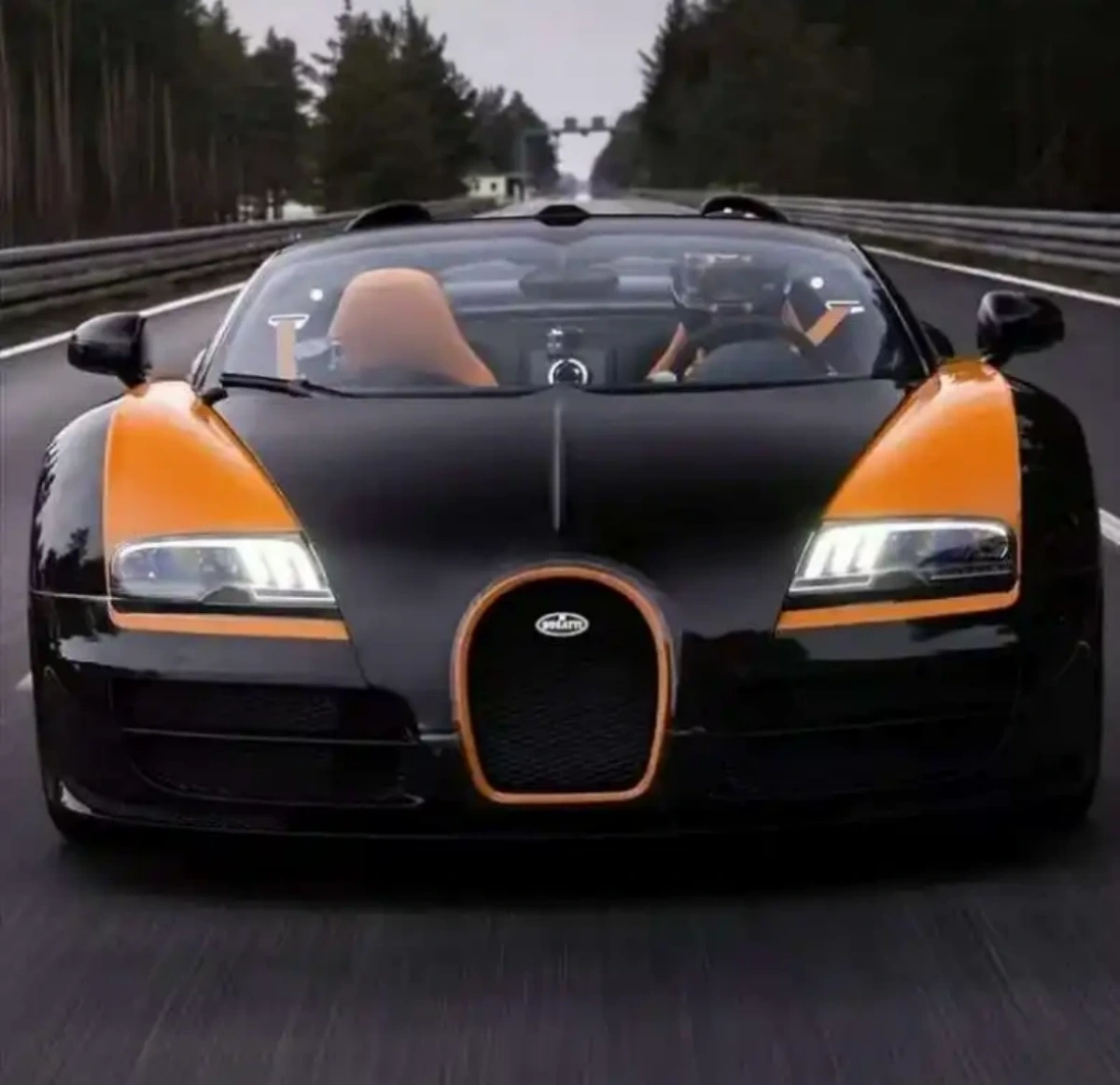
autoli TPU PPF Applied to all brand car models as Bugatti、Bugatti、ds、Chrysler、ford.Our factory cooperates with PPF brand、Auto Detailing、AutoZone and all so in many countries and regions around the world,like Maldives,SouthAfrica,Sudan,Poland,Romania,Warranty: 10 years.Our advantages:Strict quality control system;SGS, ASTM, REACH, UL and other certifications;Our customers are all over the world;SGS, ASTM, REACH, UL and other certifications.Our factory also provides Car Wrap、car vinyl wrap、Car Wrap Vinyl.