

PPF’s gloss enhancement makes car shows more successful, as vehicles maintain a “just detailed” look effortlessly.,Aliphatic TPU resists hydrolysis and aging.,Collaborate for Profit: Factory – Made PPF, Skyrocketing Your Bottom Line.
The user perception and consumption misconceptions of PPF:
- Correct Perception: Edge Coverage Prevents Lifting – Opting for “full edge” wraps that fold film over panel edges, reducing wear from debris.
- Consumer Misconception: “PPF Causes Paint Bubbles” – Blaming PPF for bubbles, unaware they’re usually from improper installation or pre-existing paint issues.
- Consumer Misconception: “PPF Installation Takes Days” – Avoiding PPF due to perceived downtime, not knowing modern pre-cut kits reduce professional installs to 1–2 days.
- Correct Perception: Post-Install Break-In Period – Following 30-day no-wash guidelines, understanding adhesives need time to fully bond.
- Correct Perception: Climate-Specific Formulas – Users in deserts seek UV-enhanced PPF, while coastal buyers prioritize saltwater resistance, matching products to environments.
- Correct Perception: Self-Healing Efficacy – Most users recognize PPF can repair minor scratches (≤3μm) with heat, though many underestimate the need for 40°C activation temperatures.
- Consumer Misconception: “Lifetime Warranty Means Forever” – Misunderstanding that “lifetime” warranties cover all damage, when most exclude improper maintenance or extreme impacts.
The environmental protection and sustainability of PPF:
- Auto Recycler Partnerships – Programs with auto recyclers ensure 85% of end-of-life PPF is collected for recycling, not landfilled.
- WEEE Directive Compliance – PPF recycling aligns with EU WEEE standards, ensuring proper disposal of polymer waste to prevent soil contamination.
- Plant-Derived UV Stabilizers – Natural antioxidants replace synthetic HALS, maintaining anti-yellowing performance with 60% renewable content.
- LED Lighting in Factories – Energy-efficient LED lighting cuts factory electricity use by 40% compared to fluorescent systems.
- Extended Product Lifespan – 10 year durability reduces replacement frequency, lowering overall material consumption compared to annual waxing or sealants.
The construction and maintenance of PPF:
- Avoid Vinyl Cleaners on PPF – Vinyl-specific products can contain chemicals that dull or degrade PPF topcoats.
- Adhesive Activation Heat Range – Applying 65–75°C heat to edges activates adhesives without damaging the PPF’s topcoat.
- Squeegee Technique – Using firm, overlapping strokes with a felt-edge squeegee removes water and air bubbles for a tight bond.
- Quality Inspection – 48-hour post-installation checks for bubbles, misalignment, or edge lifting to address issues promptly.
- Air Blower Drying – Low-pressure air dryers reduce towel contact, minimizing micro-scratches on PPF surfaces.
- Post-Installation Gassing Period – Allowing 24–48 hours for water evaporation prevents bubbles from forming post-installation.
- Squeegee Technique – Using firm, overlapping strokes with a felt-edge squeegee removes water and air bubbles for a tight bond.
- Deionized Water for Washing – Mineral-free water reduces water spot residue on PPF surfaces after drying.
- Overlap Management – Minimal (1–2mm) overlaps on panel seams are heat-sealed to prevent water intrusion and peeling.
How TPU Redefines PPF:
- Color Stability – TPU’s pigment-retention properties redefined PPF from clear-only products to color-stable tinted films for subtle aesthetic enhancement.
- Low-VOC Production – TPU’s solvent-free manufacturing redefined PPF from high-emission products to eco-friendly options meeting CARB and REACH standards.
- Self-Healing Revolution – TPU’s microstructural recovery under heat redefined PPF from static protection to dynamic, scratch-repairing films that mend 3μm scratches automatically.
- Anti-Yellowing Innovation – TPU blended with HALS stabilizers redefined PPF from yellowing-prone films to clear protectors maintaining transparency for decades.
- Smart Maintenance – TPU’s IoT sensor integration redefined PPF from passive films to connected systems alerting owners to needed repairs or cleaning.
- Low-Labor Requirements – TPU’s forgiving installation redefined PPF from skilled-labor-dependent products to accessible services requiring less training.
- EV Compatibility – Heat-resistant TPU redefined PPF from standard protectors to EV-specific solutions withstanding battery zone temperatures up to 120°C.
- Sound Dampening Integration – Viscoelastic TPU layers redefined PPF from silent protectors to noise-reducing films cutting road noise by 3–5dB.
- Nano-Reinforcement – Graphene or ceramic-infused TPU redefined PPF from standard films to high-performance barriers with 200% improved tensile strength.
- Bio-Based Options – Plant-derived TPU redefined PPF from petroleum-reliant products to sustainable alternatives with 50% renewable content.
TPU PPF VS PET PPF:
- Gloss Retention – TPU PPF maintains 90% gloss after 5 years, while PET PPF loses 40% gloss within 2 years of outdoor exposure.
- Edge Lifting Resistance – TPU PPF’s heat-sealed edges reduce lifting by 75%, whereas PET PPF edges lift 30% more frequently in car washes.
- ADAS Compatibility – TPU PPF maintains 99.9% radar transmission, whereas PET PPF can reduce signal strength by 15–20%.
- Moisture Barrier – TPU PPF prevents water intrusion for 72 hours, while PET PPF allows moisture penetration after 24 hours at edges.
- Cold-Weather Flexibility – TPU PPF remains flexible at -30°C, while PET PPF cracks when bent at -10°C.
- Cost Per Square Foot – TPU PPF averages $8–$15/sq ft, compared to PET PPF’s $3–$7/sq ft price point.
- Matte Compatibility – TPU PPF preserves matte paint texture, while PET PPF’s glossy finish distorts matte aesthetics with shine spots.
- Storm Resilience – TPU PPF withstands hailstones up to 12mm, whereas PET PPF cracks under 8mm hail impacts.
- Thickness Options – TPU PPF ranges 6–15mil for tailored protection, whereas PET PPF is limited to 4–8mil due to brittleness at greater thicknesses.
The horizontal comparison of PPF with other protection methods:
- PPF vs. Rubber Sealants – Rubber sealants protect gaskets from drying but have no role in paint protection, highlighting PPF’s focus on exterior surfaces.
- PPF vs. Clear Enamel – Clear enamel is a permanent paint layer that cracks under impact, whereas PPF flexes to absorb collisions and can be replaced if damaged.
- PPF vs. Nano-Ceramic Sprays – Nano-sprays enhance chemical resistance for 1–2 years but offer no physical defense, whereas PPF adds a protective barrier against impacts.
- PPF vs. Teflon Coatings – Teflon coatings reduce friction but lack self-healing, unlike PPF which repairs micro-scratches and resists abrasion better in high-wear areas.
- PPF vs. Anti-Fade Treatments – Anti-fade treatments slow UV damage but don’t prevent scratches, unlike PPF which blocks UV rays and shields against physical wear.
The materials and technologies of PPF:
- Ozone resistance aging technology: Adding an ozone inhibitor to resist the oxidation and degradation of TPU by ozone in the urban atmosphere, extending the service life in polluted environments.
- Conductive air release adhesive technology: The adhesive layer is designed with micro-nano air channels, which enable rapid air discharge during construction, preventing air bubbles from remaining, improving the bonding efficiency and flatness, and reducing the risk of bulging in the later stage.
- UV-responsive fluorescence: Glows under UV light for enhanced visibility in low-light conditions, ideal for emergency vehicles.
- Anti-glare optical optimization: Through coating micro-textures, it reduces mirror reflection glare under direct sunlight, maintaining the visual clarity of the original paint color.
- Cleanable biomimetic coating technology: By imitating the effect of lotus leaves, a micro-nano uneven structure is designed. This causes water and oil stains to form a rolling effect on the membrane surface, allowing them to naturally slide off and reduce residue.
- Extreme temperature stability technology: The material has undergone high and low temperature cycling tests and remains non-shrinking and non-cracking in environments ranging from -40°C to 80°C, adapting to various climates.
- Electromagnetic interference (EMI) shielding: Integrates graphene nanosheets to block 99% of electromagnetic radiation, critical for electric vehicle electronics.
- Environmentally friendly and formaldehyde-free process: The production uses a VOCs-free formula, with no irritating odor during installation and use, meeting environmental standards.
- Anti-microbial coating infusion: Incorporates silver-ion nanoparticles to inhibit 99% of bacteria and mold growth on film surfaces in humid climates.
- Thermal conductivity regulation: Optimizes heat transfer through the film to prevent paint overheating in direct sunlight, reducing thermal stress on clear coats.
The production supply chain and quality control system of PPF:
- OEM Compliance Testing – Meeting automaker specifications (e.g., Tesla, BMW) for paint compatibility and performance.
- Predictive Maintenance – IoT sensors on production equipment forecasting part failures to prevent unplanned downtime.
- Carbon Footprint Tracking – Lifecycle analysis of supply chain emissions, with reduction targets for transportation and production.
- Energy Supply Chain – Contracts with renewable energy providers for factories, reducing carbon emissions from production.
- Emergency Supply Protocols – Backup production facilities activated during primary plant downtime to maintain supply continuity.
- Raw Material Sourcing – TPU resin procurement from certified suppliers (e.g., Lubrizol, BASF) with ISO 9001 certification for consistent polymer quality.
The product classification and selection logic of PPF:
- Edge Seal Technology Selection – Upgrading to heat-sealable PPF for car wash frequenters to prevent edge lifting.
- Lifespan-Based Choice – Selecting premium 10 year PPF for long-term vehicle ownership vs. 1–3 year options for leases.
- Bulk vs. Pre-Cut Decision – Choosing bulk rolls for professional installers vs. pre-cut kits for consistent DIY results.
- Historical Performance Data – Selecting PPF with proven results in third-party durability tests over untested innovations.
- Eco-Friendly Segmentation – Grouped as petroleum-based, bio-based, or recyclable PPF to align with sustainability priorities.
- Installation Environment Adaptation – Selecting low-temperature curing PPF for professional shops without climate control.
- Material Sourcing Alignment – Prioritizing locally manufactured PPF to reduce carbon footprint from transportation.
- User Skill Level Matching – Choosing beginner-friendly PPF with forgiving adhesives for first-time DIY installers.
- Final Selection Synthesis – Balancing material, thickness, finish, and warranty to match specific vehicle needs, usage patterns, and budget constraints.
AUTOLI(CN) PPF(Paint Protection Film) manufacturer
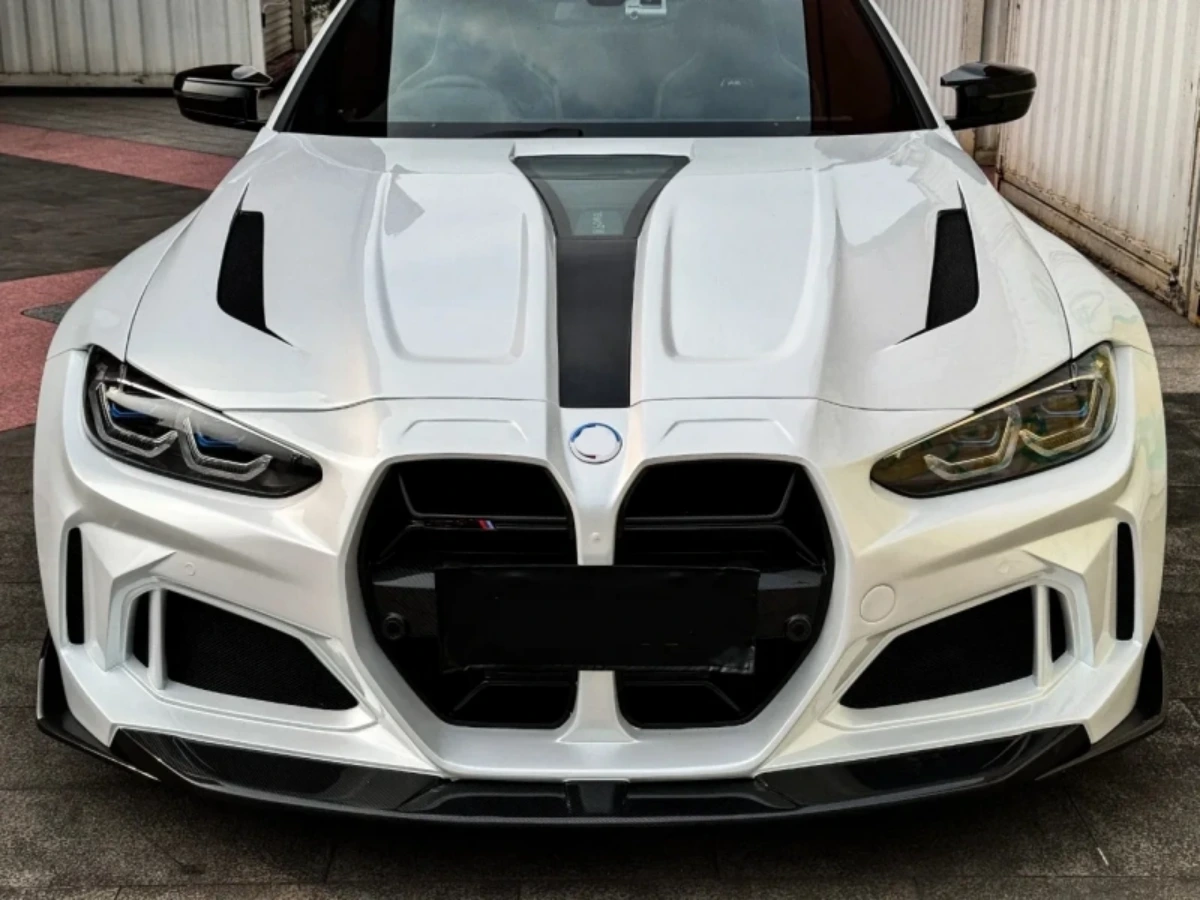
autoli TPU PPF Applied to all brand car models as ford、Tesla、Land Rover、ds.Our factory cooperates with Auto Detailing、PPF agent、PPF wholesale and all so in many countries and regions around the world,like Ireland,Luxembourg,Maldives,Morocco,Warranty: 10 years.Our advantages:Efficient production reduces costs;Collaborate for Lucrative Returns: Source factory;Short production cycle, quick delivery;SGS, ASTM, REACH, UL and other certifications;Perfect after-sales service.Our factory also provides carwraps、Vinyl wrapping.