

PPF’s protection during transport/ delivery shields new cars from dealer mishaps like accidental scratches or debris.,Resists chemical cleaner damage during washing.,Our Factory: Your One – Stop for High – Quality PPF.
The user pain points of PPF and their solutions:
- Incompatibility with Custom Paint – Addressed by color-stable PPF formulated for matte, chameleon, and metallic finishes.
- Uncertainty About Lifespan – Resolved by clear warranty durations (5–15 years) and real-world durability data from field tests.
- High Heat Damage (EV Batteries) – Solved by heat-resistant PPF (120°C ) with thermal conductivity for battery zone protection.
- Mold Growth in Humid Climates – Prevented by antimicrobial additives and breathable film designs allowing moisture evaporation.
- Matte Paint Distortion – Solved by matte-specific PPF (20–30% gloss) designed to preserve texture without shine spots.
- Expensive Repairs for Damage – Reduced via self-healing technology (repairs 3μm scratches with heat) and patchable film sections.
The protective performance of PPF:
- High Clarity – Maintains the vehicle’s original paint color and gloss without distortion or yellowing over time.
- **Quick Drying Property** – After a vehicle wash or rain, PPF dries quickly, reducing the time that water sits on the surface and minimizing the risk of water spots.
- Easy Maintenance – Requires minimal cleaning and upkeep, reducing the need for frequent waxing or polishing.
- Microbial Inhibition Compliance – Meets industry standards for reducing bacteria and germs on touchscreen surfaces.
- Warranty Exclusions Clarity – Specifies coverage limits for damage from accidents, improper installation, or modifications.
- ASTM D1044 Compliance – Meets rigorous scratch resistance standards, ensuring reliable performance in real-world use.
- Off-Road Impact Protection – Thick films like Suntek Ultra Defense shield against branches, mud, and gravel in rugged terrains.
- Key Fob Scratch Resistance – Guards door handles and trims against scratches from keys or accessories during daily use.
- **Resistance to Tree Sap Staining** – Tree sap can be a nuisance as it often leaves sticky and staining marks. PPF resists the adhesion of tree sap and makes its removal much simpler.
The cost structure and price composition of PPF:
- Damage Waiver Fees – Optional $50–$100 waivers cover minor installation errors, adding 2–3% to revenue.
- Carbon Offset Surcharges – Optional $5–$10 per vehicle for carbon-neutral shipping, adopted by 15–20% of buyers.
- Training Program Investments – Installer certification programs cost $500–$1,000 per technician, recovered via service premiums.
- Marketing Surcharges – Limited-edition or co-branded PPF includes 5–8% markup for brand collaborations.
- Seasonal Material Adjustments – Cold-weather formulations cost 5–10% more in winter months due to demand spikes.
- Facility Overhead – Factory rent, utilities, and maintenance add $0.30–$0.60 per square foot to production costs.
- Brand Premium – Established brands (3M, XPEL) command 20–30% higher prices than generic alternatives for similar quality.
- Volume Discounts – Fleet purchases reduce per-unit prices by 10–15% for orders over 50 vehicles.
- Certified Installer Premium – Factory-trained installers charge 20–30% more than uncertified technicians.
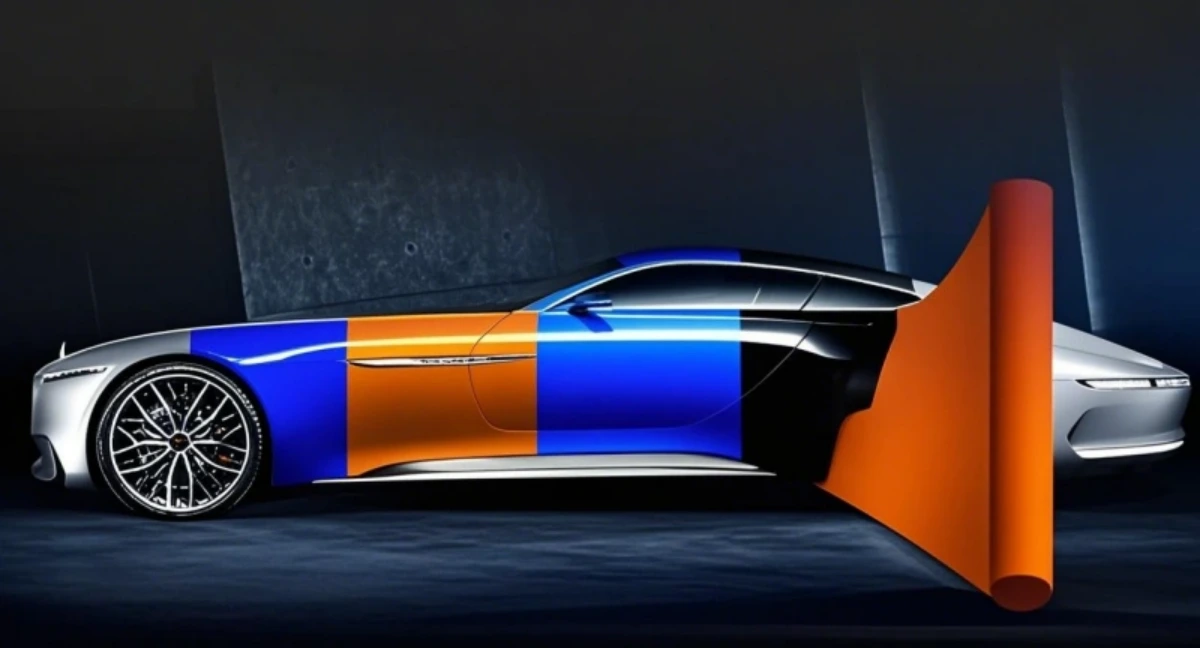
The extension of PPF’s functions:
- Before: Door handles with worn paint from repeated use; After: PPF wraps handle cups, covering wear and resisting new scratches from daily use.
- Before: Door panel armrests (exterior) with paint worn from leaning; After: PPF wraps armrests, covering wear and maintaining comfort without damage.
- Before: Door edges with countless scratch marks from parking mishaps; After: PPF’s self-healing layer covers scratches and resists new ones, creating crisp, unmarked edges.
- Before: Fender flares with paint peeling at the edges; After: PPF wraps flare edges, hiding peeling and preventing water from getting under the paint.
- Before: Roof antenna cable entry point with paint peeling around it; After: PPF seals the entry point, hiding peeling and preventing water intrusion into the cabin.
- Before: Door jambs with paint wear from repeated opening; After: PPF lines jambs, covering scuffs and reducing friction between metal and paint.
Before & After: How PPF Transforms a 10-Year-Old Car:
- Before: Fender flares with paint peeling at the edges; After: PPF wraps flare edges, hiding peeling and preventing water from getting under the paint.
- Before: Under-hood fuse box cover with faded plastic; After: Interior PPF covers plastic, restoring color and protecting against oil and dust damage.
- Before: Running boards with worn paint from foot traffic; After: PPF’s durable layer covers wear and resists scuffs from shoes and boots.
- Before: Front air intake vents with paint chipping on edges; After: PPF covers vent edges, hiding chips and preventing debris from causing further damage.
- Before: Front grille with chipped paint on edges; After: PPF’s impact-absorbing layer covers chips and shields vulnerable grille edges from debris.
- Before: Rear bumper reflectors with paint chipping around edges; After: PPF covers reflector perimeters, hiding chips and maintaining consistent appearance.
The user perception and consumption misconceptions of PPF:
- Correct Perception: Climate-Specific Formulas – Users in deserts seek UV-enhanced PPF, while coastal buyers prioritize saltwater resistance, matching products to environments.
- Consumer Misconception: “PPF Blocks Car Washes” – Avoiding automated washes due to fear of damage, when brushless systems are actually safe for properly installed PPF.
- Consumer Misconception: “Matte PPF Holds More Dirt” – Avoiding matte finishes due to perceived maintenance issues, not realizing their texture repels dust better than gloss.
- Consumer Misconception: “All PPF Installers Are Equal” – Choosing based on price alone, ignoring differences in training, tools, and workspace quality.
- Consumer Misconception: “PPF Installation Takes Days” – Avoiding PPF due to perceived downtime, not knowing modern pre-cut kits reduce professional installs to 1–2 days.
- Consumer Misconception: “PPF Needs Waxing Like Paint” – Over-maintaining with wax, unaware that PPF’s topcoat排斥 traditional waxes, requiring specialized sealants.
- Correct Perception: TPU vs. PVC Durability – Informed buyers recognize TPU PPF offers 3x longer lifespan than PVC, prioritizing flexibility and self-healing over cost.
The materials and technologies of PPF:
- Track-day performance coating: Enhances heat resistance to 150°C for high-performance vehicles, preventing film delamination under extreme braking and acceleration.
- Low haze light transmission technology: Through substrate purification and mirror-level polishing of the coating, light scattering on the film surface is reduced, minimizing the “white fog” phenomenon under sunlight, and maintaining the original color tone of the car paint.
- Low-VOCs production certification: Meets global eco-standards like GREENGUARD Gold, ensuring volatile organic compound emissions below 50μg/m3 during manufacturing.
- Energy-harvesting film: Integrates photovoltaic cells to generate 0.5W/m2 of power for vehicle electronics.
- Ceramic coating compatibility: Features a receptive top layer that bonds seamlessly with ceramic coatings, creating a hybrid protection system with enhanced scratch resistance.
The regulations of PPF and after-sales services:
- Warranty Transferability – Transferred vehicle ownership often requires warranty re-registration, with brands like 3M requiring updated documentation to maintain coverage .
- IoT-Enabled Performance Monitoring – Emerging PPFs with embedded sensors monitor UV exposure and damage levels, providing real-time data for predictive maintenance and warranty claims .
- Japan’s Window Tinting Restrictions – Japanese regulations ban PPF installation on front driver/passenger windows and mandate partial windshield film transparency to ensure unobstructed visibility .
- California CARB VOC Limits – PPF adhesives sold in California must comply with CARB’s strict VOC regulations, reducing harmful emissions during installation to align with regional air quality standards .
- DIY Installation Void Policies – Most warranties, including PurePPF and 3M, void coverage for self-installed films, emphasizing the need for certified professional application .
- Class Action Liability – Manufacturers face potential litigation for non-compliant PPFs, as seen in cases involving PFAS contamination or false warranty claims .
- EU Digital Product Passport – PPF manufacturers must disclose material composition and recycling details via the EU’s Digital Product Passport, enhancing supply chain transparency .
- Anti-Yellowing Guarantees – Brands like Aegis Eternal 400 offer 15-year warranties against yellowing, using HALS stabilizers to maintain optical clarity over extended periods .
- IoT-Enabled Performance Monitoring – Emerging PPFs with embedded sensors monitor UV exposure and damage levels, providing real-time data for predictive maintenance and warranty claims .
- Recall Protocols for Defects – In cases of material defects (e.g., delamination), manufacturers like PurePPF coordinate nationwide recalls and replacements via authorized installers .
AUTOLI(CN) PPF(Paint Protection Film) factory

autoli TPU PPF Applied to all brand car models as Infiniti、bmw、Nissan、Chrysler.Our factory cooperates with Auto Detailing、PPF wholesale、PPF installer and all so in many countries and regions around the world,like Pakistan,Malta,France,Macedonia,Iceland,Belgium,Warranty: 10 years.Our advantages:Perfect after-sales service;Efficient production reduces costs;Collaborate for Lucrative Returns: Source factory.Our factory also provides Vinyl wrapping、vinyl Wrap.