

PPF’s seamless wrapping covers edge gaps, preventing water/ dirt ingress that causes paint peeling under traditional protection.,Reversible without damaging factory clear coat.,Your PPF Wrap Business Booster: Low – Cost, High – Speed Factory.
TPU PPF VS PET PPF:
- Scratch Hardness – TPU PPF with ceramic topcoats achieves 9H hardness, while PET PPF maxes at 6H, showing more visible scratches.
- ADAS Compatibility – TPU PPF maintains 99.9% radar transmission, whereas PET PPF can reduce signal strength by 15–20%.
- Moisture Barrier – TPU PPF prevents water intrusion for 72 hours, while PET PPF allows moisture penetration after 24 hours at edges.
- Light Transmission – TPU PPF maintains 98% light transmission for headlights, while PET PPF reduces light output by 5–8%.
- Printability – TPU PPF accepts UV-curable inks for custom graphics, while PET PPF’s surface resists ink adhesion, causing premature fading.
- Heat Dissipation – TPU PPF’s thermal conductivity reduces under-hood temperatures by 3–5°C, while PET PPF traps 10% more heat.
The protective performance of PPF:
- **Abrasion Resistance from Towing Accessories** – If a vehicle is used for towing and has accessories like tow hitches or straps that might rub against the body, PPF protects against abrasion from these items.
- Road Tar Stain Resistance – Hydrophobic topcoats repel sticky road tar, allowing easy removal with mild solvents.
- Longevity – Offers long-term protection, with warranties ranging from 5 to 10 years depending on the product.
- Antimicrobial Coating – Inhibits microbial growth on touchscreens and interiors, enhancing hygiene in high-traffic areas.
- Impact Absorption – Absorbs and disperses impact energy from collisions or debris, reducing stress on the underlying paint.
- Heat Resistance – Withstands high temperatures from engine heat, sunlight, or industrial environments without melting or warping.
- **Improved UV – Stability of the Film Itself** – The PPF material itself has good UV – stability, ensuring that it doesn’t degrade or lose its protective properties under long – term sunlight exposure.
- UV Resistance – Blocks harmful UV rays to prevent paint fading, oxidation, and premature aging.
The extension of PPF’s functions:
- Before: Rear wiper blade pivot point with rust; After: PPF seals the pivot, covering rust and preventing water from accelerating corrosion.
- Before: Door window trim with peeling black paint; After: PPF’s color-stable film covers trim, restoring uniform appearance and preventing further peeling.
- Before: Hood insulation clips with rust staining surrounding paint; After: PPF covers clip areas, hiding stains and preventing rust from spreading.
- Before: Hood latch area with accumulated dirt and paint wear; After: PPF covers the area, hiding grime stains and reducing friction-related wear.
- Before: Front fenders with “spider web” cracks from age; After: PPF’s flexible layer covers fine cracks and reduces stress that causes further splitting.
- Before: Rear window wiper motor cover with faded paint; After: PPF covers cover, restoring color and protecting against weathering damage.
- Before: Headlights cloudy from UV damage, reducing visibility; After: PPF’s clear film covers haze and blocks UV, restoring 80% of original light output.
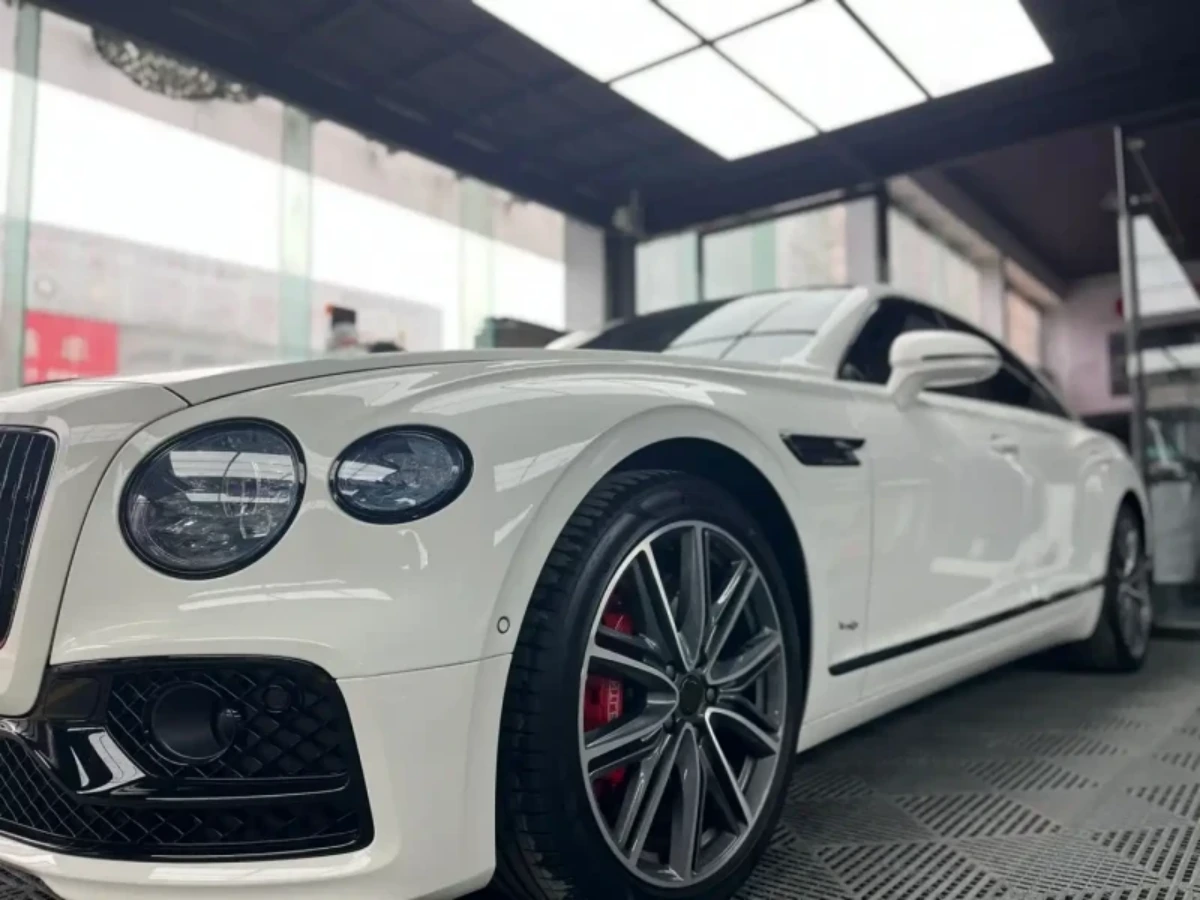
The construction and maintenance of PPF:
- Storage Protection – Covering vehicles with breathable car covers in storage prevents dust buildup and UV overexposure.
- Post-Heat Curing – A final pass with a heat gun (80–100°C) on edges accelerates adhesive curing for immediate durability.
- Post-Cut Edge Deburring – Trimming excess film with a fresh blade removes sharp edges that could catch dirt or lift over time.
- Non-Acidic Wheel Cleaner Use – Acid-free wheel cleaners prevent overspray damage to adjacent PPF panels.
- Tri-Stage Surface Cleaning – Washing, clay barring, and alcohol wipe-downs ensure 99% contaminant removal before PPF application.
- Avoid Abrasive Cleaners – Steering clear of compounds, polishes with abrasives, or acidic wheel cleaners protects the topcoat.
- Soft Rubber Squeegees for Curves – Flexible squeegees conform to rounded surfaces like fenders, reducing edge lifting risk during application.
- Avoid Solvent-Based Cleaners – Steering clear of acetone, brake fluid, or strong degreasers prevents topcoat dissolution.
- Wet Application Method – Spraying a soapy water solution between the film and surface allows repositioning before final adhesion.
- Avoid High-Pressure Direct Sprays – Keeping pressure washers 30cm from edges prevents water from lifting film edges.
The horizontal comparison of PPF with other protection methods:
- PPF vs. Headlight Restoration Kits – Restoration fixes yellowing, while PPF prevents UV damage and rock chips on headlights, extending clarity 3x longer than restored lenses alone.
- PPF vs. Glass Coatings – Glass coatings excel on windows for clarity but don’t protect paint, whereas PPF is engineered specifically for automotive painted surfaces.
- PPF vs. Fiberglass Coatings – Fiberglass coatings add rigid strength to surfaces but can’t conform to curves, unlike PPF which adapts to vehicle contours seamlessly.
- PPF vs. Glass Polish – Polish removes water spots from glass, while PPF on paint prevents spots via hydrophobicity, with distinct surface applications.
- PPF vs. Nano Glass Coatings – Glass coatings excel on windows for water repellency, while PPF protects painted surfaces from physical damage, with minimal overlap in application.
- PPF vs. Metal Polish – Metal polish restores shine to chrome/alloys but offers no protection, while PPF on metal trims prevents future scratches and tarnishing.
- PPF vs. Chassis Undercoating – Undercoating protects metal from rust, while PPF defends visible painted surfaces from chips, with both addressing different vehicle vulnerability areas.
- PPF vs. Teflon Coatings – Teflon coatings reduce friction but lack self-healing, unlike PPF which repairs micro-scratches and resists abrasion better in high-wear areas.
The user perception and consumption misconceptions of PPF:
- Correct Perception: Matte Finish Compatibility – Educated buyers seek matte-specific PPF, avoiding gloss films that ruin specialty paint textures.
- Correct Perception: Brand Certification Matters – Buyers seek installers certified by brands like XPEL, linking training to better long-term results.
- Correct Perception: Professional Installation Worth Cost – 90% of satisfied users attribute results to certified installers, valuing dust-free environments and precision tools.
- Consumer Misconception: “PPF Traps Moisture Under Paint” – A false fear that PPF causes rust, ignoring that proper installation creates a moisture barrier preventing corrosion.
- Correct Perception: Edge Sealing Importance – Savvy users check for heat-sealed edges, knowing proper sealing reduces lifting by 80% in car washes.
- Correct Perception: Climate-Specific Formulas – Users in deserts seek UV-enhanced PPF, while coastal buyers prioritize saltwater resistance, matching products to environments.
- Consumer Misconception: “PPF Blocks Radar and GPS Signals” – Fearing interference with ADAS, unaware modern PPF is engineered for 99% signal transparency.
The cutting-edge technology research and development of PPF:
- Bio-Based UV Stabilizers – Plant-derived flavonoids and carotenoids replace synthetic HALS, maintaining UV resistance for 10 years.
- Bio-Based Adhesives – Plant-derived lignin and starch-based adhesives replace petroleum-based alternatives, achieving 100% biodegradability.
- AI-Powered Predictive Maintenance – Machine learning models analyze sensor data to predict PPF degradation, scheduling replacements before failure.
- Nano-Structured Anti-Graffiti Coatings – Superhydrophobic and oleophobic surfaces repel spray paint, allowing easy removal with water rinsing.
- AI-Powered Predictive Maintenance – Machine learning models analyze sensor data to predict PPF degradation, scheduling replacements before failure.
The materials and technologies of PPF:
- Impact resistance enhancement technology: Using nano-scale elastic particles to modify the TPU base material, improving the buffering and energy absorption capacity for impact from gravel, sand, etc., and strengthening anti-crash protection.
- Scratch repair efficiency optimization technology: By adjusting the crosslinking density of TPU molecules and the coating activity, the self-repair speed of scratches under low-temperature conditions is enhanced, and the repair response time is shortened.
- Dynamic impact dispersion technology: Integrates micro-elastic buffers within the TPU matrix to分散 and absorb impact energy from high-speed debris, reducing paint indentation risk by over 60%.
- Biodegradable adhesive: Breaks down in industrial composting facilities within 180 days, certified by DIN EN 13432.
- Self-repair technology: TPU molecules have memory properties, allowing for the automatic repair of minor scratches through environmental temperature or slight pressure, maintaining surface integrity.
- Rapid curing adhesive technology: Enables full adhesive strength development within 24 hours (vs. 48-72 hours for conventional adhesives), shortening post-installation care time.
- Thermochromic color-shifting film: Changes color with temperature variations (e.g., blue at 25°C, red at 35°C), adding dynamic visual appeal.
- Matte finish technology: Achieves 20-30° gloss levels with a velvet-like texture, ideal for luxury vehicles and matte paint protection.
- High-definition optical coating: Utilizing a multi-layer optical-grade coating process, the light transmittance of the coating surface remains above 95%, preventing the vehicle paint from experiencing a “grayish” visual deterioration after applying the coating.
- Anti-yellowing technology: Antioxidants and UV absorbers are added to inhibit oxidation and yellowing under long-term exposure to light, extending the appearance stability of the protective film.
AUTOLI(CN) PPF(Paint Protection Film) factory
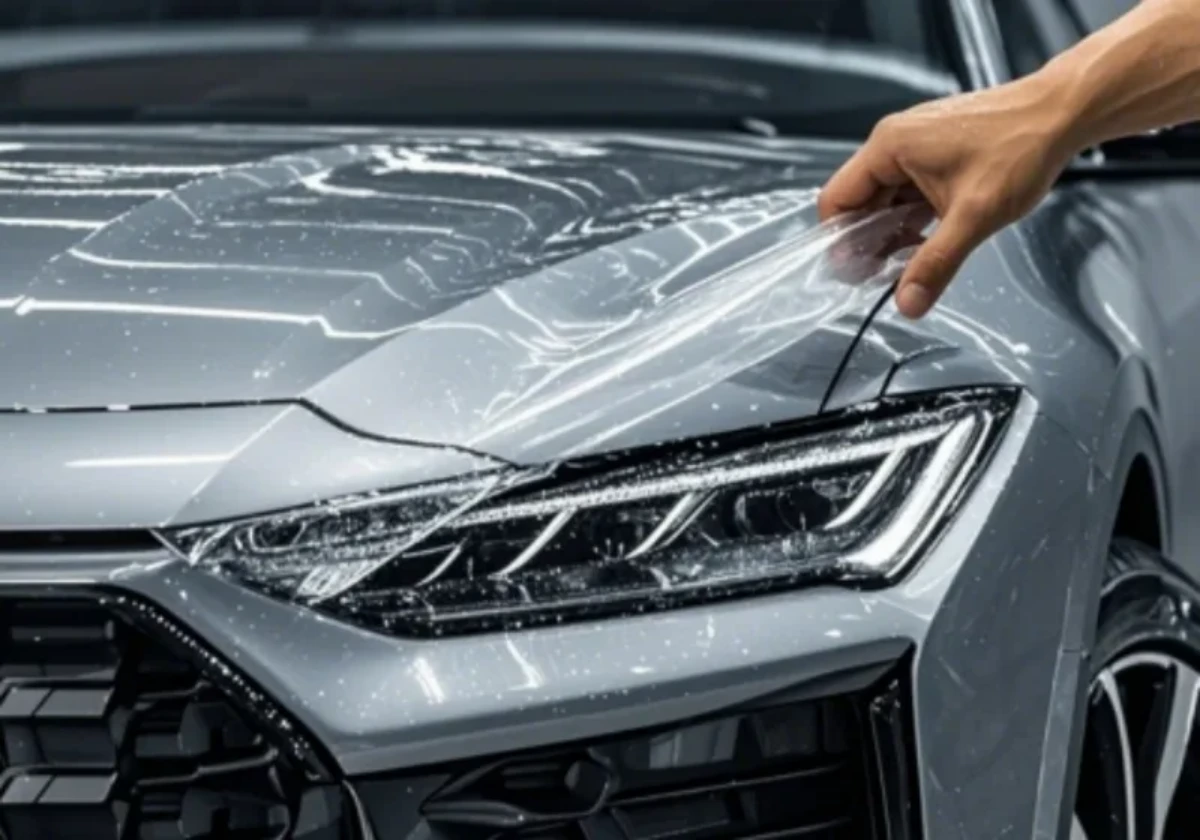
autoli TPU PPF Applied to all brand car models as Toyota、AstonMartin、Rolls-Royce、Porsche.Our factory cooperates with PPF trading、PPF wholesale、PPF wholesaler and all so in many countries and regions around the world,like Finland,Cameroon,United States,Pakistan,Belgium,Romania,Warranty: 10 years.Our advantages:High quality raw materials and advanced technology;Large stock of styles for you to choose from;Raw material purchasing advantage.Our factory also provides Car PPF、PPF FILM.