

PPF’s gloss enhancement makes car shows more successful, as vehicles maintain a “just detailed” look effortlessly.,Prevents cargo scratches on rear bumpers.,Maximize Revenue: Low – Cost PPF Wraps, Quick Turnaround, Trusted Certifications.
The materials and technologies of PPF:
- Self-healing temperature threshold optimization: Activates repair mechanisms at 30°C (vs. 40°C traditionally), enabling faster recovery in mild climates.
- pH-responsive anti-corrosion layer: Activates protective agents when exposed to acidic environments (e.g., acid rain).
- Salt spray resistance anti-corrosion technology: By adding marine-grade anti-corrosion additives, it undergoes 5,000 hours of salt spray tests without rusting, resisting the erosion of the membrane material by the high-salt environment in coastal areas, and extending the protection lifespan of vehicles near the sea.
- Low-VOCs production certification: Meets global eco-standards like GREENGUARD Gold, ensuring volatile organic compound emissions below 50μg/m3 during manufacturing.
- Anti-icing coating: Reduces ice adhesion by 60% through superhydrophobic surfaces, improving safety in winter conditions.
- Surface hardness enhancement technology: By incorporating nano-ceramic particles into the coating, the pencil hardness of the film surface is increased to 9H level, enhancing the anti-scuff and anti-abrasion performance against hard objects such as keys and sand.
- Ceramic coating compatibility: Features a receptive top layer that bonds seamlessly with ceramic coatings, creating a hybrid protection system with enhanced scratch resistance.
- Ceramic coating compatibility: Features a receptive top layer that bonds seamlessly with ceramic coatings, creating a hybrid protection system with enhanced scratch resistance.
- Closed-loop recycling system: Integrates physical recycling processes for TPU waste, achieving 95% material recovery rate while maintaining mechanical properties.
- Bio-based TPU formulation: Uses 30% plant-derived materials (e.g., castor oil) without compromising mechanical performance, certified by ASTM D6400.
The production supply chain and quality control system of PPF:
- Cost Optimization – Annual renegotiation of supplier contracts with volume-based discounts for raw materials.
- Energy Supply Chain – Contracts with renewable energy providers for factories, reducing carbon emissions from production.
- Lean Manufacturing Practices – 5S and waste reduction initiatives improving consistency and reducing defects.
- Material Innovation Collaboration – Joint R&D with suppliers for next-gen TPU formulations (e.g., bio-based, high-heat resistant).
- Audit Schedules – Internal audits quarterly, external audits annually to verify QMS effectiveness.
- Strategic Stockpiles – 3–6 month reserves of critical materials during high-demand periods or supply chain disruptions.
- Operator Training Programs – Certification of production staff on quality standards and inspection techniques.
- Supplier Development Programs – Workshops with tier-2 suppliers to improve material consistency and reduce defects.
TPU PPF VS PET PPF:
- Storm Resilience – TPU PPF withstands hailstones up to 12mm, whereas PET PPF cracks under 8mm hail impacts.
- Custom Thickness Matching – TPU PPF tailors thickness to vehicle zones (e.g., 10mil for hoods), while PET PPF uses uniform thickness due to manufacturing limits.
- Weather Adaptability – TPU PPF performs in coastal salt spray, while PET PPF shows corrosion under film in high-humidity environments.
- Repair Potential – TPU PPF allows spot patching of damaged areas, while PET PPF requires full panel replacement for localized damage.
- Light Transmission – TPU PPF maintains 98% light transmission for headlights, while PET PPF reduces light output by 5–8%.
- Pressure Washing Resistance – TPU PPF withstands 2,000 psi pressure washes, while PET PPF lifts at edges above 1,500 psi.
- Impact Indication – Some TPU PPF uses color-changing layers to show hidden damage, a feature unavailable in PET PPF.
How TPU Redefines PPF:
- Matte Finish Compatibility – TPU’s texture-preserving formulations redefined PPF from gloss-only products to matte-safe films that maintain specialty paint textures.
- Anti-Corrosion Properties – TPU’s moisture barrier redefined PPF from paint protectors to rust-preventing systems in coastal and winter regions.
- Brand Consistency – TPU’s uniform quality redefined PPF from variable products to consistent solutions with predictable performance across batches.
- Disaster Resilience – TPU’s tear resistance redefined PPF from storm-vulnerable covers to hurricane and flood-resistant protectors for emergency vehicles.
- Long-Term Value – TPU’s preservation of resale value redefined PPF from expense to investment, increasing vehicle resale prices by 5–10%.
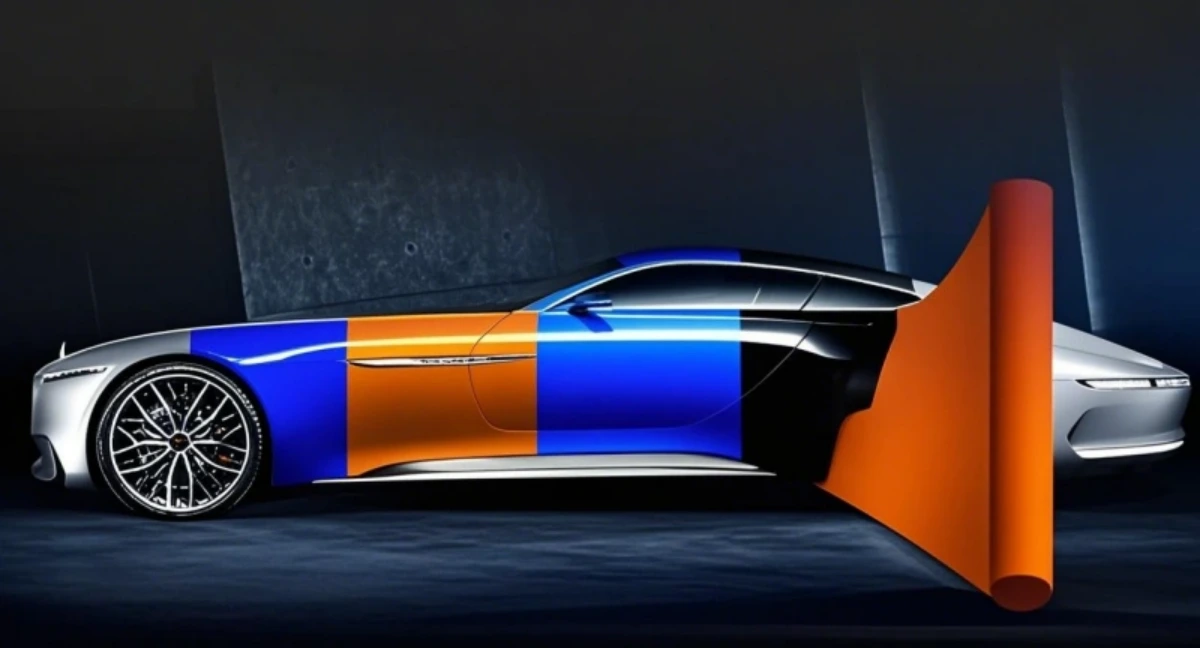
The regulations of PPF and after-sales services:
- Australia’s UV Protection Standards – PPFs sold in Australia/NZ must comply with AS/NZS 4399 for UV protection, requiring UPF ratings ≥15 and transparency in labeling .
- 3M’s Warranty Exclusions – 3M’s warranty explicitly excludes watermarks, improper maintenance, and non-authorized products, emphasizing the need for professional installation and genuine materials .
- California CARB VOC Limits – PPF adhesives sold in California must comply with CARB’s strict VOC regulations, reducing harmful emissions during installation to align with regional air quality standards .
- Regional Regulatory Exemptions – Medical device packaging and hazardous goods transportation are exempt from EU PPWR’s recyclability rules, affecting niche PPF applications .
- Regulatory Updates for EVs – EV-specific PPFs must comply with OEM heat resistance standards (e.g., 120°C for battery zones) to avoid delamination .
- WEEE Directive Compliance – End-of-life PPF must be recycled in accordance with the EU’s WEEE directive, promoting circular economy practices for electronic and automotive waste .
- Supply Chain Traceability – EU PPWR mandates tracking PPF materials from production to disposal, ensuring compliance with recycled content targets (e.g., 30% by 2030) .
- Recall Protocols for Defects – In cases of material defects (e.g., delamination), manufacturers like PurePPF coordinate nationwide recalls and replacements via authorized installers .
- Post-Installation Inspections – Professional installers like NAR PPF conduct post-installation checks to ensure edge sealing and material adherence, minimizing warranty claims .
- Regional Warranty Variations – PPF warranties often differ by region; for example, monsoon-prone areas may offer extended coverage for water ingress issues .
The environmental protection and sustainability of PPF:
- Renewable Energy Credits – Purchasing RECs offsets 100% of grid electricity use, making production carbon-neutral.
- End-of-Life Recycling Guides – Consumer-facing tools explain how to recycle PPF, increasing proper disposal rates by 60%.
- Algae-Based TPU Blends – Experimental films use algae-derived polymers, reducing land use compared to plant-based alternatives.
- Biochar-Infused TPU – Adding biochar (carbon-rich biomass) sequesters CO? in PPF, reducing net carbon impact by 15%.
- Bio-Based TPU Formulations – Plant-derived thermoplastic polyurethane reduces reliance on fossil fuels, with 50% renewable content in eco-certified PPF products.
- Carbon Footprint Labeling – Clear labels show kg CO?e per roll, helping consumers prioritize low-impact products.
- Solar-Powered Recycling Facilities – PPF recycling plants using solar energy reduce processing emissions by 55% versus fossil-fueled facilities.
- LEED-Certified Factories – Manufacturing plants with LEED Platinum certification minimize energy, water, and waste impacts.
The horizontal comparison of PPF with other protection methods:
- PPF vs. Rust Proofing Treatments – PPF shields exterior paint from corrosion triggers (salt/sand), while rust proofing targets metal undercarriages, with complementary roles in full protection.
- PPF vs. Anti-Graffiti Coatings – Anti-graffiti treatments focus on easy stain removal, while PPF adds physical barrier defense against scratches from graffiti tools.
- PPF vs. Matte Paint Sealants – PPF preserves matte paint texture while adding scratch resistance, whereas matte sealants focus on maintaining finish but lack impact defense.
- PPF vs. Teflon Coatings – Teflon coatings reduce friction but lack self-healing, unlike PPF which repairs micro-scratches and resists abrasion better in high-wear areas.
- PPF vs. Truck Bed Liners – Liners protect cargo areas from heavy impacts, while PPF shields exterior panels from road debris, with distinct application zones and purposes.
- PPF vs. Tire Dressing – Dressing enhances tire shine, while PPF has no role in tire care, illustrating their focus on separate vehicle components.
- PPF vs. Alloy Wheel Sealants – Wheel sealants resist brake dust, while PPF on wheels adds scratch protection, with PPF better handling curb impacts.
Before & After: How PPF Transforms a 10-Year-Old Car:
- Before: Roof rails with scratched paint from roof rack use; After: PPF covers rail surfaces, hiding scratches and reducing friction from rack installation.
- Before: Fender flare mounting screws with rust around heads; After: PPF covers screw heads, hiding rust and preventing water from worsening corrosion.
- Before: Running boards with worn paint from foot traffic; After: PPF’s durable layer covers wear and resists scuffs from shoes and boots.
- Before: Door edge moldings with cracked rubber and exposed paint; After: PPF wraps edges under moldings, hiding exposed areas and preventing water intrusion.
- Before: Door handles with worn paint from repeated use; After: PPF wraps handle cups, covering wear and resisting new scratches from daily use.
The user perception and consumption misconceptions of PPF:
- Correct Perception: Long-Term Cost Savings – 68% of users understand PPF reduces repaint costs over 5 years, aligning with data showing $2,000 savings on luxury vehicles.
- Consumer Misconception: “PPF Ruins Paint When Removed” – Fearing damage during removal, not realizing modern adhesives peel cleanly if removed within warranty periods.
- Consumer Misconception: “PPF Traps Moisture Under Paint” – A false fear that PPF causes rust, ignoring that proper installation creates a moisture barrier preventing corrosion.
- Correct Perception: Environmental Adaptability – Users in coastal areas correctly prioritize saltwater-resistant PPF, reducing corrosion-related repairs by 60%.
- Correct Perception: Post-Install Break-In Period – Following 30-day no-wash guidelines, understanding adhesives need time to fully bond.
- Correct Perception: Self-Healing Efficacy – Most users recognize PPF can repair minor scratches (≤3μm) with heat, though many underestimate the need for 40°C activation temperatures.
- Correct Perception: Ceramic Coating Synergy – Savvy users pair PPF with ceramic topcoats, enhancing hydrophobicity and scratch resistance by 40%.
- Correct Perception: Thickness Depends on Use Case – Off-roaders choose 10mil PPF, while daily drivers opt for 8mil to balance protection and flexibility.
- Correct Perception: Brand Reputation Matters – Discerning buyers choose established brands, associating 3M or XPEL with consistent quality over generic alternatives.
- Correct Perception: Brand Certification Matters – Buyers seek installers certified by brands like XPEL, linking training to better long-term results.
AUTOLI(CN) PPF(Paint Protection Film) factory
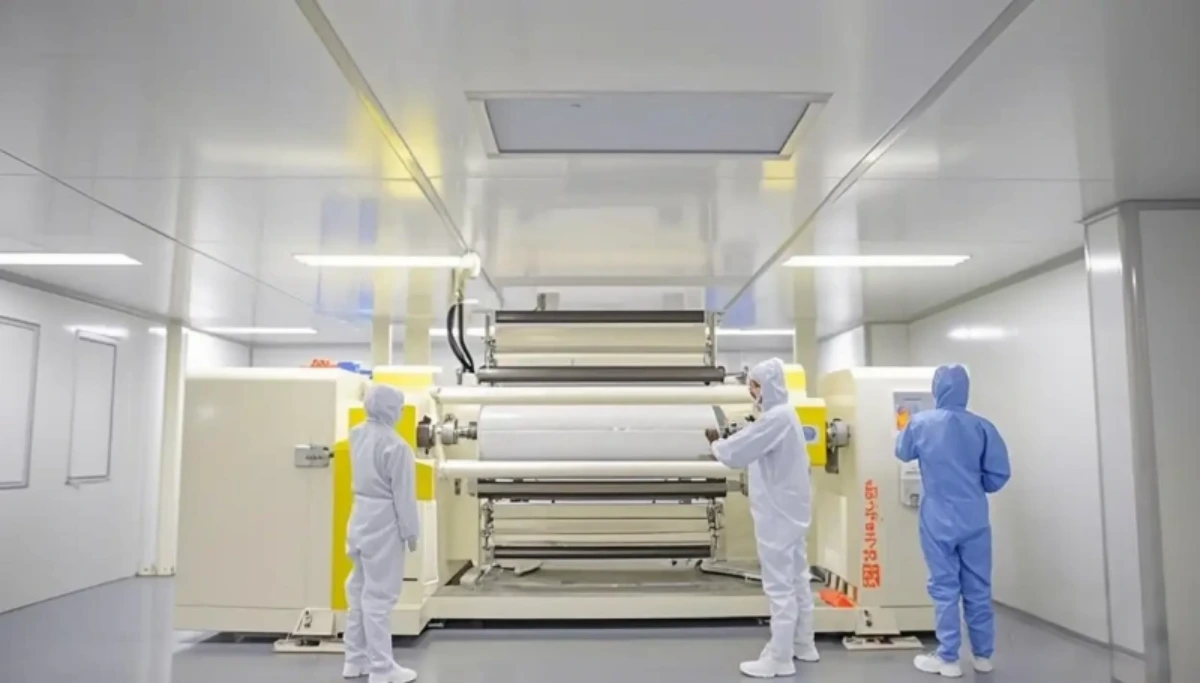
autoli TPU PPF Applied to all brand car models as bmw、ds、Tesla、Audi.Our factory cooperates with PPF agent、Car Customization Shop、car Detail and all so in many countries and regions around the world,like Thailand,Australia,England,Netherlands,Warranty: 10 years.Our advantages:Strict quality control system;Large stock of styles for you to choose from;Short production cycle, quick delivery;SGS, ASTM, REACH, UL and other certifications;Our customers are all over the world.Our factory also provides vinyl car wrapping、Windshield Protection Film.