

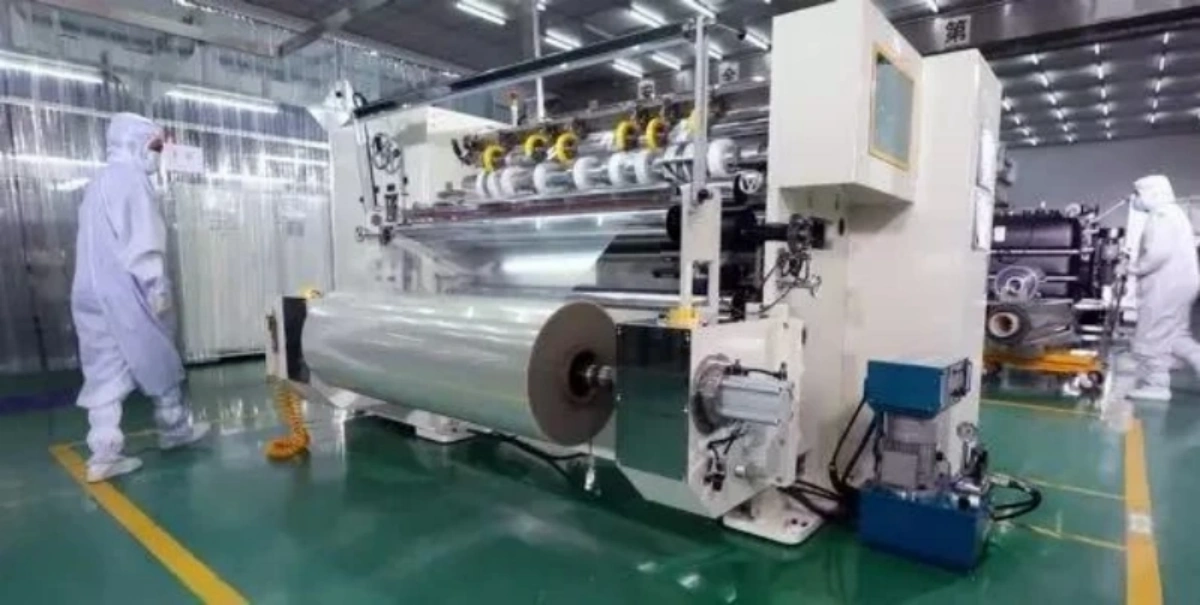
PPF’s transparency allows paint’s natural depth to show through, unlike thick films that dull the finish.,Compatible with all vehicle types (EVs, SUVs).,PPF Factory Tour – Audit Accepted, Quality Guaranteed.
Before & After: How PPF Transforms a 10-Year-Old Car:
- Before: Front bumper tow hook cover with lost paint; After: PPF covers the cover, hiding bare spots and maintaining a seamless bumper appearance.
- Before: Door edge moldings with cracked rubber and exposed paint; After: PPF wraps edges under moldings, hiding exposed areas and preventing water intrusion.
- Before: Trunk lid with key scratches and luggage scuffs; After: PPF’s self-healing properties erase fine scratches, creating a flawless surface for loading/unloading.
- Before: Tailgate with faded decals and paint transfer from loading; After: PPF covers decals to preserve them and resists paint transfer, maintaining graphics.
- Before: Hood latch area with accumulated dirt and paint wear; After: PPF covers the area, hiding grime stains and reducing friction-related wear.
The extension of PPF’s functions:
- Before: Roof rails with scratched paint from roof rack use; After: PPF covers rail surfaces, hiding scratches and reducing friction from rack installation.
- Before: Door latch striker plates with paint worn from contact; After: PPF lines striker areas, hiding wear and reducing friction between metal and paint.
- Before: Wheel valve stem caps with faded color; After: PPF covers caps, preserving color and resisting scratches from tire pressure checks.
- Before: Roof with bird dropping etchings and tree sap stains; After: PPF’s chemical-resistant topcoat hides stains and prevents new etching, creating a uniform surface.
- Before: Side vent louvers with paint chipping on edges; After: PPF covers louver edges, hiding chips and preventing debris from catching and causing more damage.
- Before: Front license plate bracket mounting holes with rust around them; After: PPF covers hole perimeters, hiding rust and preventing corrosion spread.
- Before: Under-hood fuse box cover with faded plastic; After: Interior PPF covers plastic, restoring color and protecting against oil and dust damage.
- Before: Windshield cowl with leaves and debris trapped, causing stains; After: PPF covers cowl, hiding stains and simplifying debris removal.
- Before: Antenna base with rust spreading to surrounding paint; After: PPF seals the base, covering rust and preventing moisture from worsening corrosion.
TPU PPF VS PET PPF:
- Material Memory – TPU PPF returns to original shape after stretching, while PET PPF retains deformation from installation stress.
- Impact Resistance – TPU PPF absorbs 75% of rock chip energy at 60km/h, while PET PPF transfers 60% of impact force to underlying paint.
- Production Waste – TPU PPF manufacturing generates 25% less waste than PET PPF production processes.
- Thickness Options – TPU PPF ranges 6–15mil for tailored protection, whereas PET PPF is limited to 4–8mil due to brittleness at greater thicknesses.
- Resale Value Impact – TPU PPF-preserved vehicles retain 5–10% more value, while PET PPF’s shorter lifespan offers minimal resale benefit.
- Custom Thickness Matching – TPU PPF tailors thickness to vehicle zones (e.g., 10mil for hoods), while PET PPF uses uniform thickness due to manufacturing limits.
- Self-Healing Capability – TPU PPF repairs 3μm scratches via heat activation, whereas PET PPF lacks self-healing, requiring replacement for even minor damage.
- Chemical Cleaning Compatibility – TPU PPF tolerates iron removers and tar cleaners, while PET PPF may discolor with aggressive decontamination products.
- ADAS Compatibility – TPU PPF maintains 99.9% radar transmission, whereas PET PPF can reduce signal strength by 15–20%.
- Impact Resistance – TPU PPF absorbs 75% of rock chip energy at 60km/h, while PET PPF transfers 60% of impact force to underlying paint.
The differentiated user group needs matching of PPF:
- Mobile Farmers Market Trucks – Need weather-resistant PPF that protects custom graphics from rain, sun, and produce transport wear.
- Solar Farm Maintenance Trucks – Use dust-resistant PPF to protect cabs from desert sand, maintaining visibility and reducing cleaning needs.
- Commercial Fleet Operators – Prioritize bulk-roll PPF for cost-effective full-vehicle coverage, reducing repaint cycles by 60% for delivery vans/trucks.
- Disaster Response Vehicles – Require durable PPF that withstands harsh conditions, protecting paint from debris during flood or wildfire relief.
- Forestry Service Trucks – Need debris-resistant PPF for cabs and beds, withstanding tree branches and wood chips during forest management.
- Mobile Pet Adoption Vans – Use pet-friendly scratch-resistant PPF, withstanding claw marks and frequent door use during adoption events.
- Off-Road Enthusiasts – Prioritize 10 mil impact-resistant PPF with reinforced topcoats to shield against trail rocks, branches, and gravel abrasion.
- Low-Maintenance Drivers – Prefer self-healing PPF that repairs minor scratches (≤3μm) with sunlight/heat, minimizing the need for frequent detailing.
- Park Ranger Vehicles – Choose camouflage-matched PPF that blends with natural environments while protecting paint from brush and wildlife impacts.
The horizontal comparison of PPF with other protection methods:
- PPF vs. Silicone Coatings – Silicone coatings repel water but degrade quickly (1–2 years) under UV exposure, whereas PPF maintains hydrophobicity for 5 years with UV stabilizers.
- PPF vs. Hydrophobic Sprays – Sprays offer temporary water repellency (2–3 months), while PPF combines hydrophobicity with long-term scratch/impact protection (5 years).
- PPF vs. Paint Sealant Sprays – Sealant sprays offer 6–9 months of UV protection but no scratch defense, while PPF combines both for extended durability.
- PPF vs. Anti-Graffiti Coatings – Anti-graffiti treatments focus on easy stain removal, while PPF adds physical barrier defense against scratches from graffiti tools.
- PPF vs. Nano-Ceramic Sprays – Nano-sprays enhance chemical resistance for 1–2 years but offer no physical defense, whereas PPF adds a protective barrier against impacts.
- PPF vs. Glass Polish – Polish removes water spots from glass, while PPF on paint prevents spots via hydrophobicity, with distinct surface applications.
- PPF vs. Acrylic Sealants – Acrylic sealants offer temporary gloss (3–6 months) without impact resistance, while PPF adds a physical layer shielding against chips and scratches.
- PPF vs. Matte Paint Sealants – PPF preserves matte paint texture while adding scratch resistance, whereas matte sealants focus on maintaining finish but lack impact defense.
- PPF vs. Multi-Surface Sealants – Multi-surface sealants offer mild protection across materials, while PPF provides specialized, high-impact defense for painted surfaces alone.
The product classification and selection logic of PPF:
- Material-Based Classification – Products categorized as TPU, PET, or PVC PPF based on base polymer, dictating flexibility, durability, and cost.
- Finish Types – Classified as gloss, matte, or satin to match vehicle paint textures and aesthetic preferences.
- Installation Environment Adaptation – Selecting low-temperature curing PPF for professional shops without climate control.
- Finish Sensitivity Matching – Using matte-specific PPF to prevent gloss distortion on specialty paint jobs.
- Weathering Resistance Needs – Selecting multi-layer PPF with ceramic topcoats for extended hydrophobicity in rainy regions.
- Cleaning Compatibility Logic – Choosing PPF compatible with automated car washes for owners using convenience services.
The extension of PPF’s functions:
- Before: Roof rails with scratched paint from roof rack use; After: PPF covers rail surfaces, hiding scratches and reducing friction from rack installation.
- Before: Door latch striker plates with paint worn from contact; After: PPF lines striker areas, hiding wear and reducing friction between metal and paint.
- Before: Wheel valve stem caps with faded color; After: PPF covers caps, preserving color and resisting scratches from tire pressure checks.
- Before: Roof with bird dropping etchings and tree sap stains; After: PPF’s chemical-resistant topcoat hides stains and prevents new etching, creating a uniform surface.
- Before: Side vent louvers with paint chipping on edges; After: PPF covers louver edges, hiding chips and preventing debris from catching and causing more damage.
- Before: Front license plate bracket mounting holes with rust around them; After: PPF covers hole perimeters, hiding rust and preventing corrosion spread.
- Before: Under-hood fuse box cover with faded plastic; After: Interior PPF covers plastic, restoring color and protecting against oil and dust damage.
- Before: Windshield cowl with leaves and debris trapped, causing stains; After: PPF covers cowl, hiding stains and simplifying debris removal.
- Before: Antenna base with rust spreading to surrounding paint; After: PPF seals the base, covering rust and preventing moisture from worsening corrosion.
The user pain points of PPF and their solutions:
- Long Installation Downtime – Reduced to 1–2 days with pre-cut kits and rapid-cure adhesives (24-hour bonding).
- Poor Performance in Cold Climates – Fixed with cold-flexible TPU (-40°C tolerance) and frost-resistant adhesives to avoid cracking.
- Confusion About Maintenance Products – Solved by brand-specific cleaning kits and “approved products” lists to avoid topcoat damage.
- Salt Corrosion in Coastal Areas – Mitigated by anti-corrosion additives and salt-resistant adhesives reducing rust under film.
- Uncertainty About Product Quality – Resolved by third-party certifications (ECOCERT, ISO 9001) and transparent material disclosure.
- Warranty Void Due to DIY Installation – Resolved by offering “DIY-friendly” kits with warranty coverage for proper application.
The production supply chain and quality control system of PPF:
- Non-Conforming Material Handling – Quarantine, segregation, and disposition processes for defective materials/finished goods.
- Regulatory Compliance Support – Suppliers providing documentation for REACH, FDA, and OEM material approvals.
- Third-Party Certification – Independent labs (e.g., SGS, Intertek) validating performance claims for warranties and marketing.
- Raw Material Sourcing – TPU resin procurement from certified suppliers (e.g., Lubrizol, BASF) with ISO 9001 certification for consistent polymer quality.
- FIFO Inventory Rotation – First-in, first-out storage to ensure PPF rolls are shipped within optimal shelf life (12–18 months).
- Production Planning – AI-driven demand forecasting to optimize production runs and reduce material waste.
- Color Stability Verification – Spectrophotometer measurements ensuring ΔE < 2 after accelerated UV exposure.
- Supplier Qualification – Rigorous audits of material suppliers, evaluating quality management systems and sustainability practices before approval.
- Packaging Material Supply – Partnerships with recyclable packaging manufacturers to align with sustainability goals.
AUTOLI(CN) PPF(Paint Protection Film) oem factory
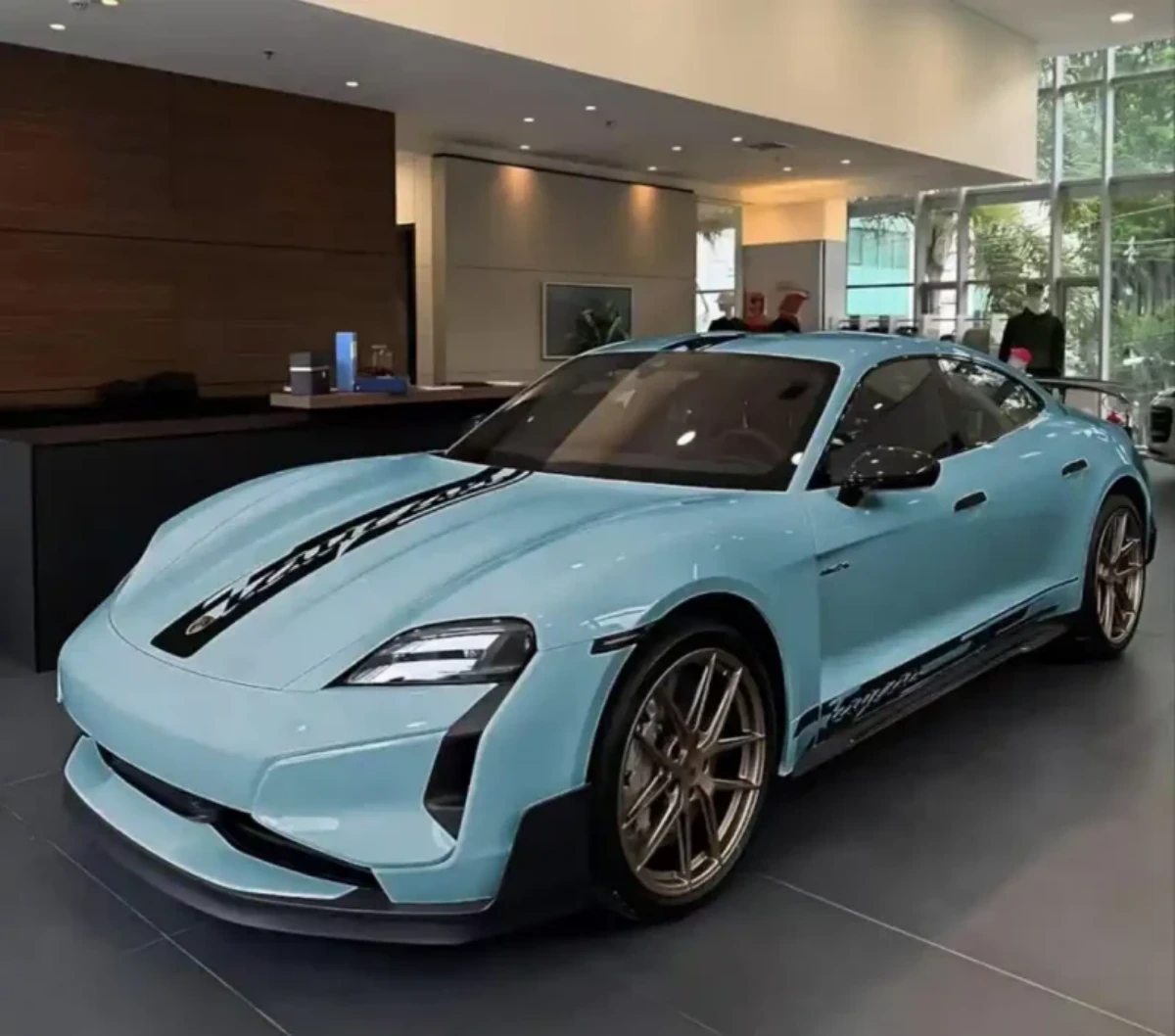
autoli TPU PPF Applied to all brand car models as Lexus、Benz、Bugatti、byd、mini、Ferrari.Our factory cooperates with Auto Repair Center、PPF trading、AutoZone and all so in many countries and regions around the world,like Malta,Egypt,Brazil,Slovakia,Warranty: 10 years.Our advantages:Large stock of styles for you to choose from;Unlock Business Growth with Our Factory’s PPF;Perfect after-sales service;Collaborate for Lucrative Returns: Source factory;Short production cycle, quick delivery.Our factory also provides vinyl Wrap、PPF、car film.