

PPF’s VOC-free adhesive ensures no toxic fumes, making it safe for enclosed spaces like garages with poor ventilation.,Preserves custom paint finish originality.,Factory – Based Partnership: Stylish PPF, Faster Market Entry.
The regulations of PPF and after-sales services:
- Recall Protocols for Defects – In cases of material defects (e.g., delamination), manufacturers like PurePPF coordinate nationwide recalls and replacements via authorized installers .
- Customer Support Hotlines – Brands like NAR PPF provide dedicated hotlines (4008 8181 07) for warranty claims, requiring vehicle details and installation records for processing .
- Regional Warranty Variations – PPF warranties often differ by region; for example, monsoon-prone areas may offer extended coverage for water ingress issues .
- India’s BIS Certification for PP Materials – Polypropylene (PP) used in PPF production must meet India’s BIS certification under IS 10951:2020, ensuring quality and safety for domestic and export markets .
- NAR Auto Film’s Compensation Policy – NAR PPF provides 1:1 pre-installation and 1:2 post-installation defect compensation, backed by factory insurance covering up to 100% of replacement costs .
- EU Digital Product Passport – PPF manufacturers must disclose material composition and recycling details via the EU’s Digital Product Passport, enhancing supply chain transparency .
- WEEE Directive Compliance – End-of-life PPF must be recycled in accordance with the EU’s WEEE directive, promoting circular economy practices for electronic and automotive waste .
- Post-Installation Inspections – Professional installers like NAR PPF conduct post-installation checks to ensure edge sealing and material adherence, minimizing warranty claims .
- Class Action Liability – Manufacturers face potential litigation for non-compliant PPFs, as seen in cases involving PFAS contamination or false warranty claims .
- Lifetime Warranty Programs – Premium PPF brands like 3M offer 7-year warranties on Pro Series films, covering defects like delamination and yellowing, while excluding wear and tear or improper installation .
The production supply chain and quality control system of PPF:
- Third-Party Certification – Independent labs (e.g., SGS, Intertek) validating performance claims for warranties and marketing.
- Hydrophobicity Checks – Contact angle measurements (>110°) confirming topcoat water repellency before roll winding.
- Quality Management System (QMS) – ISO 9001-certified processes governing all stages from raw material to finished product.
- Supplier Quality Development – Workshops with suppliers to improve incoming material quality and reduce inspection efforts.
- Packaging Optimization – Collaborative design with logistics firms for space-efficient palletization, reducing transport emissions.
- Customs Broker Partnerships – Global logistics firms managing import/export documentation to comply with regional regulations.
TPU PPF VS PET PPF:
- Low-Temperature Installation – TPU PPF installs reliably at 15°C , while PET PPF requires 20°C environments to prevent adhesive failure.
- Thickness Options – TPU PPF ranges 6–15mil for tailored protection, whereas PET PPF is limited to 4–8mil due to brittleness at greater thicknesses.
- Lease Vehicle Suitability – TPU PPF’s residue-free removal makes it ideal for leases, unlike PET PPF which risks paint damage during removal.
- High-Humidity Performance – TPU PPF resists mold growth in 90% humidity, while PET PPF may develop mildew under film in tropical climates.
- Dust Repellency – TPU PPF’s nano-textured surfaces reduce dust adhesion by 40%, while PET PPF attracts 25% more surface dust.
- Low-Light Visibility – TPU PPF’s clarity enhances nighttime visibility for headlights, while PET PPF can create slight haze reducing light output.
- Solvent Resistance – TPU PPF resists gasoline and brake fluid spills, while PET PPF shows swelling within 10 minutes of exposure.
- Weight-Bearing Capacity – TPU PPF supports accessory mounting (e.g., light bars) with minimal sagging, while PET PPF distorts under similar weight.
- Weathering Testing – TPU PPF passes 3,000 hours of QUV testing, while PET PPF fails at 1,500 hours with significant cracking.
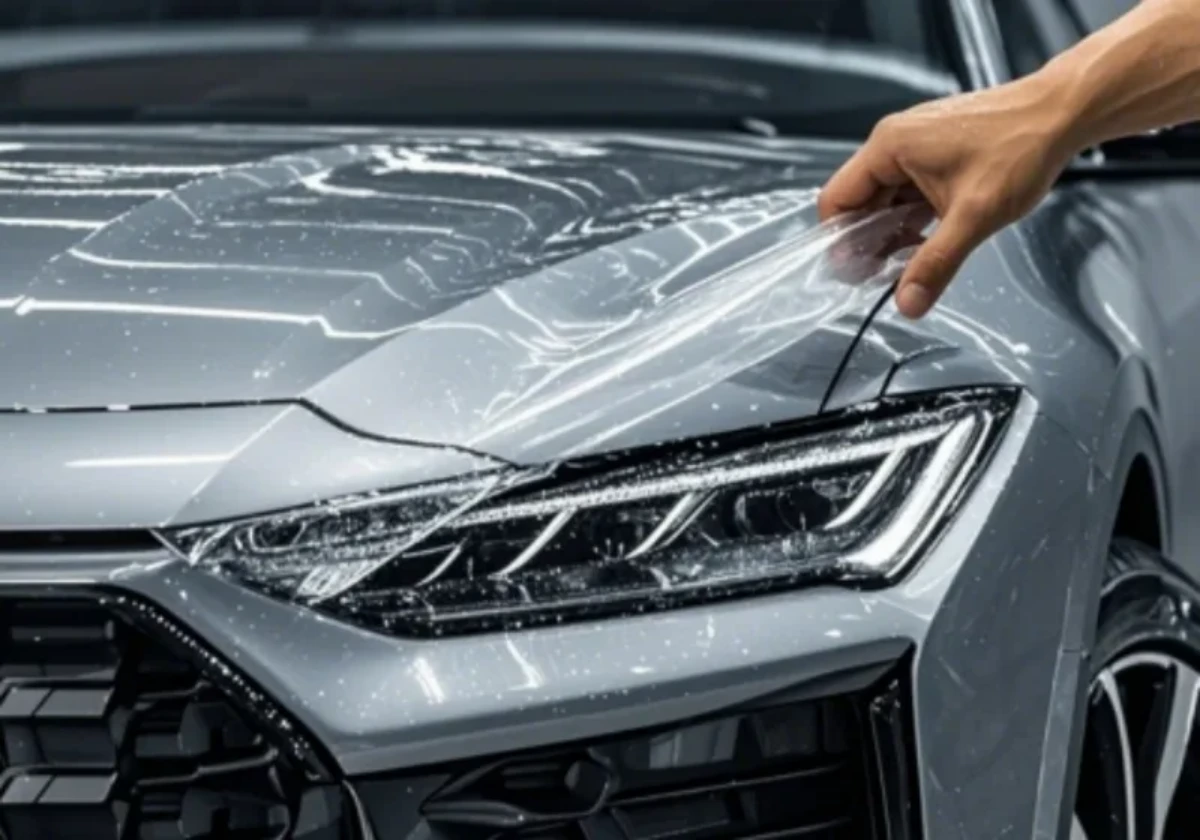
The long-term monitoring and maintenance system after the installation of PPF:
- Monthly Visual Inspections – Regular checks using LED lights to identify edge lifting, micro-scratches, or water intrusion around panel seams.
- Winter Snow Removal Guidelines – Using soft-bristle brushes and plastic scrapers with rubber edges to remove snow/ice.
- Professional Decontamination Annually – Scheduling iron removal, clay bar treatment, and tar cleanup by certified detailers.
- Professional Inspection Scheduling – Booking certified installer checks every 12 months to catch early wear invisible to owners.
- Microfiber Cloth Protocol – Using lint-free, 300 GSM cloths for drying to avoid micro-scratches from debris in cheaper fabrics.
- Industrial Zone Contamination Checks – Increasing cleaning frequency near factories to remove chemical particulates that degrade topcoats.
- pH Testing of Cleaning Products – Verifying cleaners have pH 6–8 with test strips to avoid chemical damage to PPF.
- Adhesive Migration Checks – Using UV lights to detect adhesive bleed-out along edges, a precursor to delamination.
- Quarterly Tar and Sap Removal – Using citrus-based solvents to dissolve road tar and tree sap without damaging adhesives.
- Quarterly Sealant Boosts – Applying PPF-grade SiO? sealants to restore hydrophobicity and enhance scratch resistance.
The extension of PPF’s functions:
- Before: Tail light housings with scratches from car washes; After: Clear PPF covers scratches and resists brush damage, keeping lenses clear.
- Before: Hood insulation clips with rust staining surrounding paint; After: PPF covers clip areas, hiding stains and preventing rust from spreading.
- Before: Side vent actuator arms with paint chipping from movement; After: PPF covers arms, hiding chips and reducing friction-related damage.
- Before: Front license plate frame with rust staining; After: PPF covers frame edges, hiding stains and preventing rust from spreading to bumper paint.
- Before: Hood prop rod mounting point with paint worn from contact; After: PPF covers mounting area, hiding wear and reducing friction damage from prop rod.
- Before: Door jambs with paint wear from repeated opening; After: PPF lines jambs, covering scuffs and reducing friction between metal and paint.
- Before: Side mirror adjustment controls (exterior) with paint wear; After: PPF covers controls, hiding wear and reducing friction during adjustments.
- Before: Step bumper with paint worn thin from loading cargo; After: Heavy-duty PPF adds protective layer, hiding wear and withstanding future use.
Before & After: How PPF Transforms a 10-Year-Old Car:
- Before: Side marker lights with cracked lenses from impacts; After: PPF’s impact absorption covers minor cracks and prevents lens breakage.
- Before: Hood release lever (exterior) with paint worn from use; After: PPF covers lever, hiding wear and maintaining functionality without damage.
- Before: Gas cap hinge with rust and paint peeling; After: PPF covers hinge area, hiding rust and preventing moisture from worsening damage.
- Before: Door handles with worn paint from repeated use; After: PPF wraps handle cups, covering wear and resisting new scratches from daily use.
- Before: Rear tail light wiring harness entry points with paint peeling; After: PPF seals entry points, hiding peeling and preventing water damage to wiring.
- Before: Side vent actuator arms with paint chipping from movement; After: PPF covers arms, hiding chips and reducing friction-related damage.
- Before: Quarter panels with water spots and mineral deposits; After: Hydrophobic PPF repels water, hiding existing spots and preventing new buildup.
The materials and technologies of PPF:
- Multi-layer optical coating: Combines anti-reflective and color-enhancing layers to boost paint color saturation by 5-8% while maintaining high light transmittance.
- Closed-loop recycling technology: Using degradable TPU base materials or physical recycling processes, it enables the recycling of discarded film materials, reducing environmental burden.
- Low-residue removable technology: The adhesive uses a reversible cross-linking formula. After long-term use, when removing it, there will be no residue of glue, and it will not damage the original paint and clear coat layer. This makes it convenient for later replacement or maintenance.
- Energy-harvesting film: Integrates photovoltaic cells to generate 0.5W/m2 of power for vehicle electronics.
- Anti-microbial coating infusion: Incorporates silver-ion nanoparticles to inhibit 99% of bacteria and mold growth on film surfaces in humid climates.
The user pain points of PPF and their solutions:
- Complex Warranty Transfers – Simplified via blockchain-based systems enabling easy ownership transfers with digital validation.
- Fading in Extreme Sunlight – Fixed by 99% UV-blocking films with enhanced carbon black pigments for tropical climates.
- Uncertainty About Lifespan – Resolved by clear warranty durations (5–15 years) and real-world durability data from field tests.
- Difficulty Removing Old PPF – Simplified with low-tack, residue-free adhesives and professional heat-assisted removal services.
- Long Installation Downtime – Reduced to 1–2 days with pre-cut kits and rapid-cure adhesives (24-hour bonding).
- Yellowing Over Time – Solved by anti-yellowing formulations with HALS stabilizers and UV absorbers, maintaining clarity for 10 years.
- Matte Paint Distortion – Solved by matte-specific PPF (20–30% gloss) designed to preserve texture without shine spots.
- Mold Growth in Humid Climates – Prevented by antimicrobial additives and breathable film designs allowing moisture evaporation.
- High Installation Costs – Mitigated by tiered pricing (DIY kits vs. premium pro installs) and financing options for budget flexibility.
- Confusion About Maintenance Products – Solved by brand-specific cleaning kits and “approved products” lists to avoid topcoat damage.
AUTOLI(CN) PPF(Paint Protection Film) oem factory
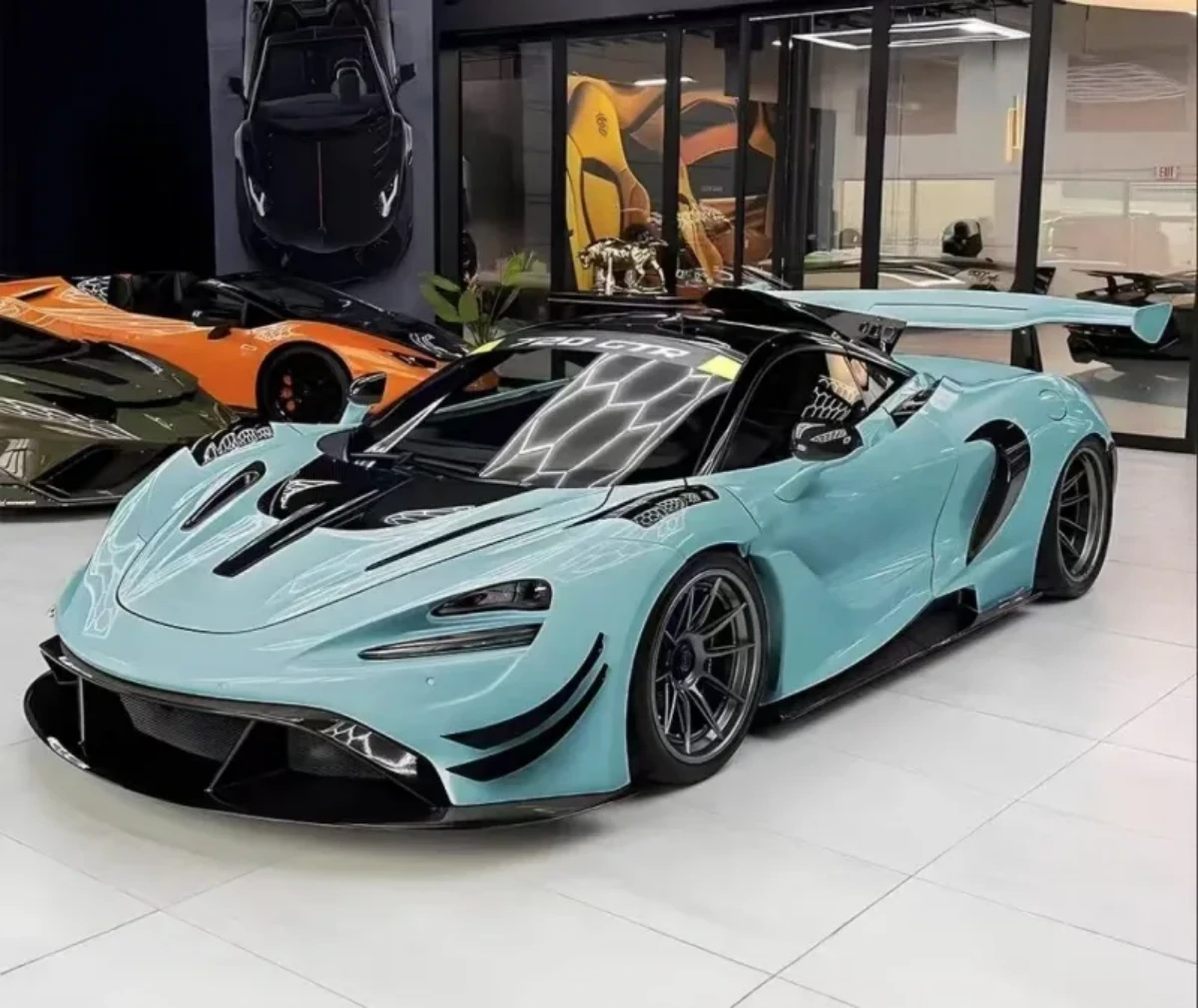
autoli TPU PPF Applied to all brand car models as Buick、Audi、Lexus、Tesla.Our factory cooperates with PPF installer、Auto Spa、PPF brand and all so in many countries and regions around the world,like UK,Jamaica,Japan,Russia,India,Warranty: 10 years.Our advantages:Unlock Business Growth with Our Factory’s PPF;Your Key to Profitable PPF Ventures;Raw material purchasing advantage;Efficient production reduces costs;Short production cycle, quick delivery.Our factory also provides carwraps、PPF、Vinyl Car Wrap、TPU PPF.
