

PPF’s application on headlights reduces yellowing from UV, maintaining brightness and safety for at night driving.,Resists industrial fallout rust spots.,Partner with a PPF Wrap Factory: Exceptional Prices, Quick Delivery, Trusted Certifications.
The horizontal comparison of PPF with other protection methods:
- PPF vs. Clear Bra (PVC) – Modern TPU PPF offers self-healing and flexibility, outperforming rigid PVC clear bras that crack in cold weather and lack repair capabilities.
- PPF vs. Traditional Wax – PPF provides long-term scratch/dent defense (5 years) compared to wax’s 2–3 months of mild UV protection and gloss enhancement.
- PPF vs. Spray-On Protective Coatings – PPF is removable and repairable, unlike permanent spray coatings that require full repaint for damage correction.
- PPF vs. Stone Guard Films (Thin) – Thin stone guards protect against small debris but lack self-healing, while PPF handles larger impacts and repairs minor damage automatically.
- PPF vs. Multi-Surface Sealants – Multi-surface sealants offer mild protection across materials, while PPF provides specialized, high-impact defense for painted surfaces alone.
- PPF vs. Paint Sealants – Sealants provide 6–12 months of chemical resistance, while PPF adds physical barrier protection against impacts, with both enhancing gloss but PPF lasting longer.
- PPF vs. Anti-Corrosion Sprays – Sprays inhibit rust on bare metal but don’t protect paint, whereas PPF blocks corrosion triggers (salt, moisture) from reaching painted surfaces.
The user pain points of PPF and their solutions:
- Yellowing Over Time – Solved by anti-yellowing formulations with HALS stabilizers and UV absorbers, maintaining clarity for 10 years.
- Difficulty Removing Old PPF – Simplified with low-tack, residue-free adhesives and professional heat-assisted removal services.
- Incompatibility with Custom Paint – Addressed by color-stable PPF formulated for matte, chameleon, and metallic finishes.
- Damage from Road Debris – Mitigated by impact-dispersing multi-layer films, reducing stone chips by 70% at highway speeds.
- Bird Dropping Etching – Addressed through acid-resistant topcoats and 24-hour removal guidelines to prevent permanent damage.
- Mold Growth in Humid Climates – Prevented by antimicrobial additives and breathable film designs allowing moisture evaporation.
- Poor Hydrophobicity Over Time – Restored by SiO? sealant boosters, reviving water repellency every 3–6 months.
- Unclear Warranty Coverage – Clarified via digital warranty passports detailing exclusions (wear, improper maintenance) and inclusions.
- Salt Corrosion in Coastal Areas – Mitigated by anti-corrosion additives and salt-resistant adhesives reducing rust under film.
The cost structure and price composition of PPF:
- Warranty Reserves – 2–3% of revenue is allocated to warranty claims, higher for lifetime warranty products.
- Sample Costs – Free or low-cost samples (5–10 sq ft) add 1–2% to marketing expenses but drive sales.
- Professional Installation Premium – Labor adds $500–$1,500 to vehicle costs, 2–3x material costs for complex installs.
- PVC vs. TPU Cost Gap – PVC raw materials cost 50% less than TPU but result in 30% lower售价 due to performance limitations.
- Mid-Range Price Points – 8mil self-healing PPF sells for $8–$12 per square foot, balancing quality and affordability.
- Partial Coverage Costs – Hood/fender kits at $800–$2,000, with higher per-square-foot pricing than full wraps.
Why TPU PPF:
- Minimal Waste – Pre-cut components reduce on-site cutting and material waste by 80%.
- Cost Predictability – Fixed material costs avoid price fluctuations of lumber markets.
- No Warping – Maintains dimensional stability in high humidity, unlike wood which swells/shrinks.
- Pest-Proof Design – No gaps for rodents or insects to nest, unlike wooden structures.
- Structural Certification – Meets International Building Code (IBC) standards for safety.
- Resale Value Boost – Adds outdoor living space appeal, increasing home value by 3–5%.
Say Goodbye to Car Scratches: Self-Healing PPF Revealed!:
- Microfiber drying scratches vanish, making DIY cleaning safer for preserving your car’s finish.
- “Touchless” car wash high-pressure nozzles leave no lasting marks, as self-healing PPF erases pressure-related scratches.
- Self-healing PPF works seamlessly on both gloss and matte finishes, preserving texture while erasing swirl marks and fine abrasions.
- Newer self-healing formulations repair deeper scratches (up to 5μm), expanding their damage-reversal capabilities.
- Premium self-healing PPF includes microcapsules that release repair agents on impact, accelerating scratch recovery without external heat.
- Self-healing PPF preserves custom paint jobs, repairing scratches without altering unique colors or textures.
- Light scratches from tree branches, gravel, or dust buildup heal quickly, preserving your car’s appearance between professional details.
- Unlike conventional paint protection, self-healing PPF doesn’t just hide scratches—it actively restores the film’s integrity through molecular reformation.
- Scratches from bicycle racks or roof carriers on SUVs and trucks heal, preserving paint on utility-focused vehicles.
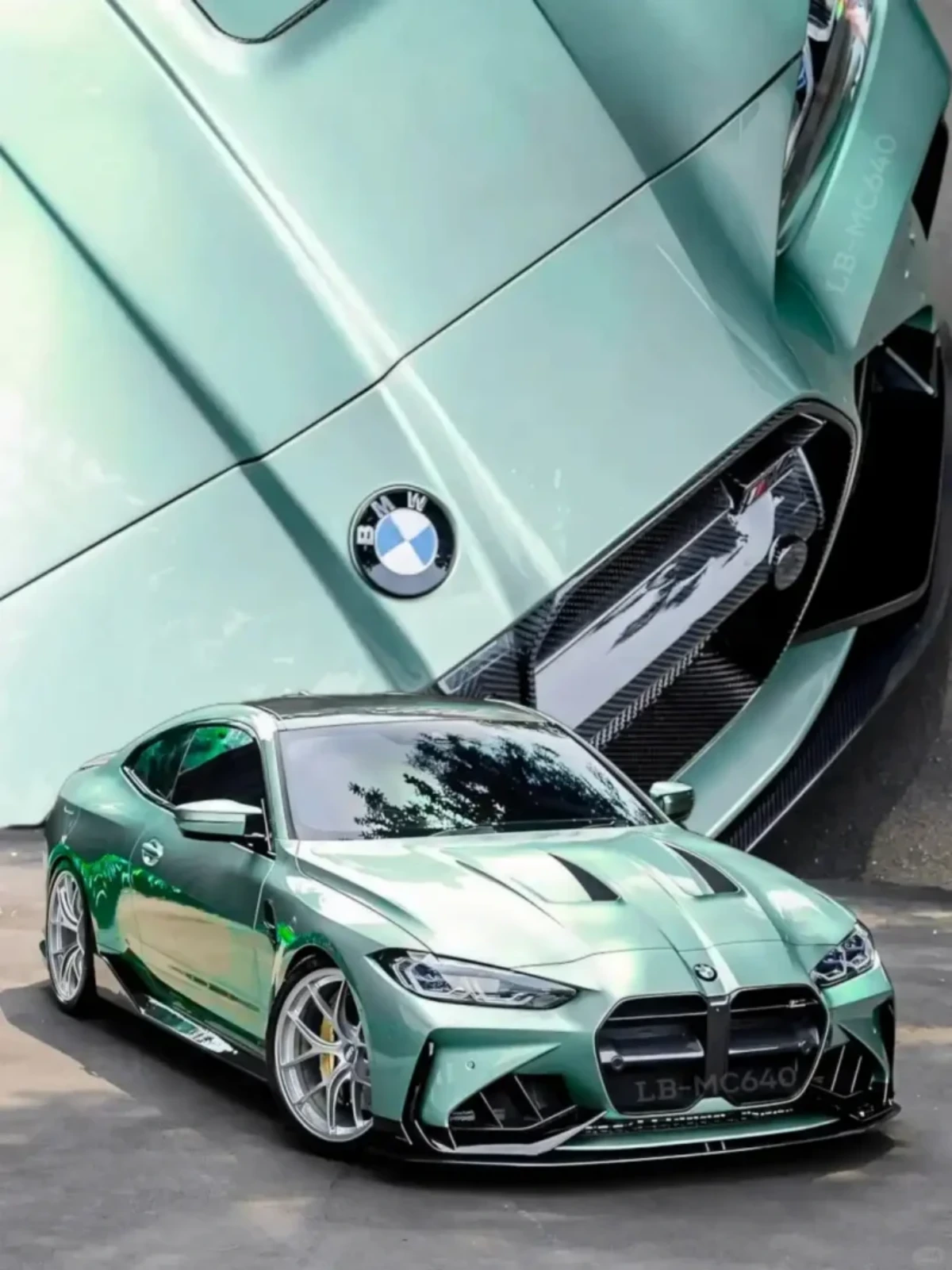
The market trends and industry changes of PPF:
- Increased Adoption in Non-Automotive Sectors – PPF applications are expanding to electronics (screen protection), aerospace (corrosion resistance), and industrial equipment, diversifying revenue streams for manufacturers.
- Nano-Edge Sealing – Nanoscale adhesives in edge layers prevent water ingress, reducing edge lifting by 75% compared to traditional sealing methods.
- AI Quality Control in Production – Machine vision systems inspect 100% of PPF rolls for defects, reducing post-installation warranty claims by 45%.
- Thinner Yet Stronger Films – 6-mil PPF films now match the durability of 8-mil predecessors, reducing material use by 25% while maintaining impact resistance.
- Anti-Microbial PPF Growth – Post-pandemic, 15% of interior PPF includes silver-ion coatings, inhibiting 99% of bacteria on high-touch surfaces like door handles.
- Competitive Pricing Pressures – Market saturation in North America and Europe is driving price reductions, with entry-level PPF options now 20% cheaper than premium products, appealing to cost-conscious consumers.
- Data-Driven Marketing Strategies – Brands are using AI analytics to identify regional demand patterns, tailoring product launches (e.g., anti-yellowing films for high-sun areas) to specific markets.
- IoT-Enabled Performance Monitoring – Smart PPF prototypes with embedded sensors are being tested to monitor UV exposure and damage levels, providing real-time data for predictive maintenance.
- Tropical UV Protection Boost – Films for equatorial regions include 5% more UV absorbers, extending anti-fading performance by 3 years in intense sunlight.
The regulations of PPF and after-sales services:
- WEEE Directive Compliance – End-of-life PPF must be recycled in accordance with the EU’s WEEE directive, promoting circular economy practices for electronic and automotive waste .
- Customer Support Hotlines – Brands like NAR PPF provide dedicated hotlines (4008 8181 07) for warranty claims, requiring vehicle details and installation records for processing .
- Post-Installation Inspections – Professional installers like NAR PPF conduct post-installation checks to ensure edge sealing and material adherence, minimizing warranty claims .
- Regulatory Updates for EVs – EV-specific PPFs must comply with OEM heat resistance standards (e.g., 120°C for battery zones) to avoid delamination .
- Lifetime Warranty Programs – Premium PPF brands like 3M offer 7-year warranties on Pro Series films, covering defects like delamination and yellowing, while excluding wear and tear or improper installation .
- Supply Chain Traceability – EU PPWR mandates tracking PPF materials from production to disposal, ensuring compliance with recycled content targets (e.g., 30% by 2030) .
The production supply chain and quality control system of PPF:
- Predictive Maintenance – IoT sensors on production equipment forecasting part failures to prevent unplanned downtime.
- Color Stability Verification – Spectrophotometer measurements ensuring ΔE < 2 after accelerated UV exposure.
- Digital Quality Records – Cloud-based storage of test results and audit reports for regulatory compliance and traceability.
- Just-In-Time Inventory – Raw material delivery aligned with production schedules, reducing warehouse costs by 20–30%.
- Reverse Logistics – Systems for returning defective rolls, with sorting centers identifying repairable vs. recyclable materials.
- Dealer Inventory Management – Cloud-based systems tracking installer stock levels to trigger automatic reorders.
How TPU Redefines PPF:
- Disaster Recovery – TPU’s protection during storms redefined PPF from daily-use products to emergency preparedness tools reducing post-storm repair costs.
- Inclusive Design – TPU’s compatibility with all vehicle makes/models redefined PPF from luxury-only products to accessible protection for economy cars and classics.
- Lightweight Shipping – TPU’s low density redefined PPF from high-freight-cost products to cost-efficient options reducing transportation emissions by 30%.
- DIY Accessibility – TPU’s user-friendly installation redefined PPF from professional-only services to accessible DIY projects with pre-cut kits.
- Cost Predictability – TPU’s stable pricing redefined PPF from lumber-market-dependent products to cost-consistent options vs. wood or PVC alternatives.
- Heritage Preservation – TPU’s reversible application redefined PPF from damaging products to safe protectors for classic car original paint during shows and storage.
- Installation Ease – TPU’s air-release adhesives and repositionable properties redefined PPF installation from labor-intensive to DIY-friendly with minimal bubbles.
AUTOLI(CN) PPF(Paint Protection Film) oem factory
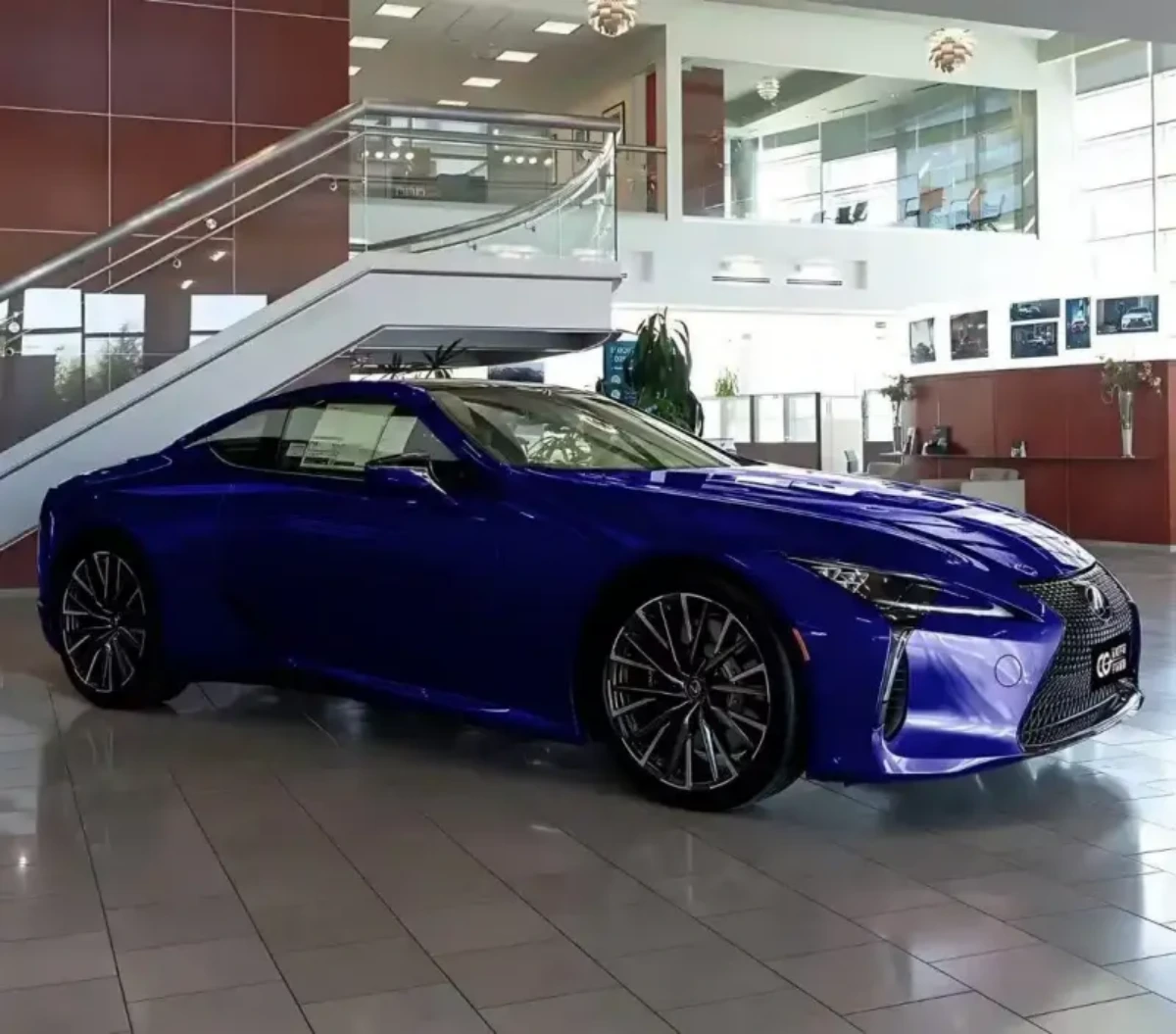
autoli TPU PPF Applied to all brand car models as Ferrari、Tesla、Ferrari、Lexus、Maserati.Our factory cooperates with PPF distributor、PPF trading、car Detail、Auto Repair Center and all so in many countries and regions around the world,like Cyprus,Sudan,France,Ecuador,Warranty: 10 years.Our advantages:Perfect after-sales service;Collaborate for Lucrative Returns: Source factory;Unlock Business Growth with Our Factory’s PPF;Raw material purchasing advantage.Our factory also provides car vinyl wrap、Window Film.