

PPF’s low-tack adhesive removes cleanly with <0.01% residue, avoiding chemical damage to factory clear coat during removal.,Withstands 120km/h stone impact damage.,PPF OEM Supplier – Free Tooling & 24H Technical Support.
The extension of PPF’s functions:
- Before: Gas cap hinge with rust and paint peeling; After: PPF covers hinge area, hiding rust and preventing moisture from worsening damage.
- Before: Hood insulation with paint stains from oil leaks; After: PPF on adjacent metal covers stains and creates a barrier against future leaks.
- Before: Door edge guards with peeling rubber and exposed paint; After: PPF wraps edges, covering exposed areas and preventing further guard deterioration.
- Before: Hood release lever (exterior) with paint worn from use; After: PPF covers lever, hiding wear and maintaining functionality without damage.
- Before: Rear window defroster lines with faded paint around them; After: PPF covers the area, hiding discoloration and protecting against ice scraper damage.
- Before: Under-hood battery terminals with corrosion staining nearby; After: PPF covers surrounding area, hiding stains and protecting against acid damage.
- Before: Front license plate bracket with rust and paint loss; After: PPF covers bracket edges, hiding rust and preventing water from worsening corrosion.
- Before: Rear wiper blade pivot point with rust; After: PPF seals the pivot, covering rust and preventing water from accelerating corrosion.
- Before: Fog light surrounds with yellowing and stone chips; After: PPF covers discoloration and shields against debris, maintaining consistent appearance.
- Before: Door panels (exterior) with handprint stains and smudges; After: PPF’s non-porous surface hides stains and wipes clean easily, resisting new smudges.
The materials and technologies of PPF:
- Ozone resistance aging technology: Adding an ozone inhibitor to resist the oxidation and degradation of TPU by ozone in the urban atmosphere, extending the service life in polluted environments.
- Edge sealing reinforcement technology: Using a micro-groove lock-edge process and special sealing glue, water and dust can be prevented from seeping into the edge of the film, avoiding problems such as warping and bubbles.
- Closed-loop recycling system: Integrates physical recycling processes for TPU waste, achieving 95% material recovery rate while maintaining mechanical properties.
- Rapid curing adhesive technology: Enables full adhesive strength development within 24 hours (vs. 48-72 hours for conventional adhesives), shortening post-installation care time.
- RFID tracking chip: Embeds a passive RFID tag for anti-theft tracking and warranty management, readable via smartphone NFC.
- Extreme UV durability enhancement: Uses dual UV absorbers (organic and inorganic) to maintain 90% of original performance after 10,000 hours of accelerated UV testing.
The protective performance of PPF:
- **Resistance to Saltwater Spray in Coastal Areas** – In coastal regions, where saltwater spray can be a major threat to vehicle paint, PPF offers effective protection against corrosion.
- Self-Healing Properties – Automatically repairs minor scratches and swirl marks when exposed to heat (e.g., sunlight or warm water).
- **Flexibility for Complex Surfaces** – PPF is flexible enough to conform to the complex curves and shapes of a vehicle, providing consistent protection all over the body.
- **Anti – Abrasion in Car Washes** – Protects the paint from the abrasion caused by automatic car wash brushes, ensuring that the paint finish remains smooth and unblemished.
- Yellowing Resistance – Prevents discoloration caused by UV exposure, environmental pollutants, and natural aging processes.
- Transferable Warranty – Enhances resale appeal by extending coverage to subsequent owners, adding value.
- Gloss Enhancement Technology – Optical-grade clarity amplifies paint depth, creating a showroom finish without additional waxing.
- **Chip and Dent Deterrence** – By acting as a buffer, PPF helps deter chips and small dents from forming on the vehicle’s bodywork caused by flying debris on the highway.
- **Abrasion Resistance from Towing Accessories** – If a vehicle is used for towing and has accessories like tow hitches or straps that might rub against the body, PPF protects against abrasion from these items.
The product classification and selection logic of PPF:
- Application-Specific Lines – Categorized for automotive, motorcycle, marine, or industrial use, each optimized for their environment.
- Multi-Surface Compatibility – Selecting PPF safe for paint, plastic, and chrome to enable full-vehicle protection with one product.
- Maintenance Product Compatibility – Selecting PPF compatible with existing detailing products to avoid chemical damage.
- Finish Protection Categories – Segmented into paint, matte, chrome, or plastic protection to match surface types.
- Aesthetic Priority Selection – Matching finish type (matte/gloss) to vehicle paint to preserve original appearance.
- Wear Pattern Prediction – Selecting thicker PPF for historically high-wear areas based on vehicle model data.
- Brand Reputation Consideration – Opting for established brands with proven track records over generic alternatives for reliability.
- Collision Repair Compatibility – Opting for easily removable PPF to simplify body shop repairs after accidents.
- Skill-Level Alignment – Choosing DIY pre-cut kits for experienced users vs. professional installation for complex vehicle contours.
- Warranty Duration Classes – Segmented by warranty terms (1–15 years), reflecting durability and manufacturer confidence in performance.
The construction and maintenance of PPF:
- Bubble Removal – Puncturing large bubbles with a needle and re-squeegeeing ensures a flawless finish during installation.
- 48-Hour Road Tar Removal Window – Using专用 solvents to remove tar within 48 hours prevents permanent staining on PPF.
- Quality Inspection – 48-hour post-installation checks for bubbles, misalignment, or edge lifting to address issues promptly.
- Adhesive Activation Heat Range – Applying 65–75°C heat to edges activates adhesives without damaging the PPF’s topcoat.
- Squeegee Technique – Using firm, overlapping strokes with a felt-edge squeegee removes water and air bubbles for a tight bond.
- Low-Temperature Cleaning – Using warm (not hot) water in winter prevents thermal shock to the PPF and adhesives.
- Oxidation Correction Pre-Install – Polishing oxidized paint ensures PPF adheres smoothly to uniform surfaces.
- Self-Healing for Minor Scratches – Applying gentle heat (e.g., hair dryer on low) accelerates repair of swirl marks or light scratches.
The regulations of PPF and after-sales services:
- Heat-Activated Self-Healing Warranties – Brands guarantee self-healing performance (e.g., 98% micro-scratch repair within 8 minutes at 45°C) under warranty, reflecting confidence in material durability .
- Regional Warranty Variations – PPF warranties often differ by region; for example, monsoon-prone areas may offer extended coverage for water ingress issues .
- Recall Protocols for Defects – In cases of material defects (e.g., delamination), manufacturers like PurePPF coordinate nationwide recalls and replacements via authorized installers .
- IoT-Enabled Performance Monitoring – Emerging PPFs with embedded sensors monitor UV exposure and damage levels, providing real-time data for predictive maintenance and warranty claims .
- EU PPWR Packaging Mandates – The EU’s Packaging and Packaging Waste Regulation (PPWR) requires PPF packaging to be recyclable by 2030 and prohibits PFAS in food-contact packaging, impacting material choices and disposal practices .
- Customer Support Hotlines – Brands like NAR PPF provide dedicated hotlines (4008 8181 07) for warranty claims, requiring vehicle details and installation records for processing .
- Regional Regulatory Exemptions – Medical device packaging and hazardous goods transportation are exempt from EU PPWR’s recyclability rules, affecting niche PPF applications .
The horizontal comparison of PPF with other protection methods:
- PPF vs. Tire Dressing – Dressing enhances tire shine, while PPF has no role in tire care, illustrating their focus on separate vehicle components.
- PPF vs. UV-Blocking Window Tints – Tints reduce interior UV exposure, while PPF blocks exterior paint UV damage, with both addressing UV risks but on different surfaces.
- PPF vs. Chrome Plating Protection – Chrome sealants resist tarnishing, while PPF adds scratch resistance to chrome trims, with PPF better handling physical abrasion.
- PPF vs. Multi-Surface Sealants – Multi-surface sealants offer mild protection across materials, while PPF provides specialized, high-impact defense for painted surfaces alone.
- PPF vs. Wheel Protective Films – PPF is designed for large painted panels, while specialized wheel films handle brake dust/heat, with PPF offering broader impact resistance.
Before & After: How PPF Transforms a 10-Year-Old Car:
- Before: Side view mirror housings with paint worn from adjusting; After: PPF wraps housings, covering wear and reducing friction during adjustments.
- Before: Gas cap door with faded paint from sun exposure; After: PPF’s UV protection covers fading and maintains color consistency with the rest of the car.
- Before: Quarter panels with water spots and mineral deposits; After: Hydrophobic PPF repels water, hiding existing spots and preventing new buildup.
- Before: Engine bay plastic components faded from heat; After: Heat-resistant PPF covers plastics, restoring color and blocking engine heat damage.
- Before: Matte finish dulled by oxidation and fine scratches; After: Matte-specific PPF preserves texture while restoring vibrancy, eliminating “shiny spots” from wear.
- Before: Front bumper tow hook cover with lost paint; After: PPF covers the cover, hiding bare spots and maintaining a seamless bumper appearance.
- Before: Side vent grilles with dust buildup and paint chipping; After: PPF covers grille edges, hiding chips and simplifying cleaning of dust-prone areas.
- Before: Front air dam with road rash from low ground clearance; After: Thick PPF lines the dam, hiding existing damage and absorbing impact from road debris.
- Before: Rear bumper step pad with paint worn away; After: PPF adds protective layer, hiding bare spots and resisting future wear from stepping.
- Before: Front license plate frame with rust staining; After: PPF covers frame edges, hiding stains and preventing rust from spreading to bumper paint.
AUTOLI(CN) PPF(Paint Protection Film) oem manufacturer
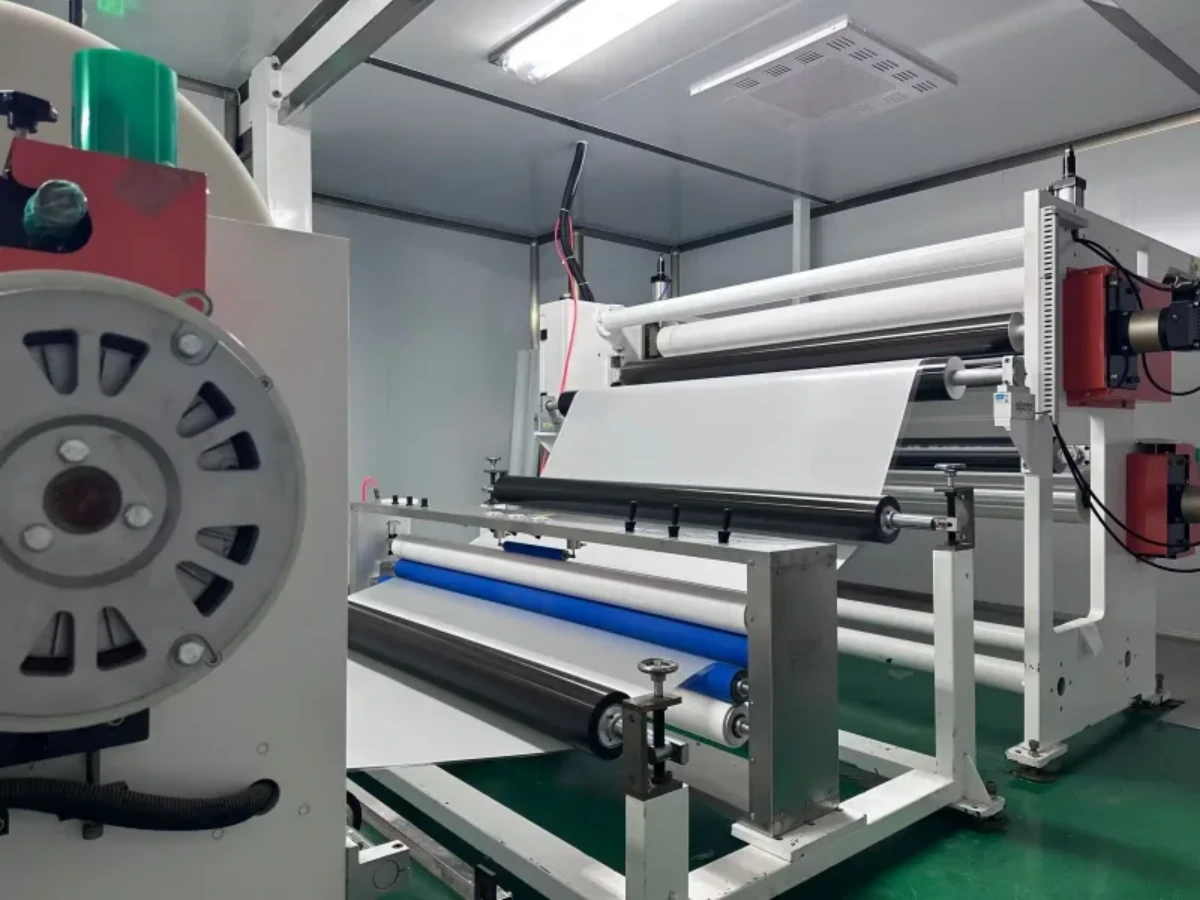
autoli TPU PPF Applied to all brand car models as Land Rover、Honda、Chevrolet、Cadillac、Rolls-Royce、mini.Our factory cooperates with PPF brand、PPF installer、PPF trading and all so in many countries and regions around the world,like Portugal,Mexico,Turkey,Jamaica,Greece,Warranty: 10 years.Our advantages:Short production cycle, quick delivery;Large stock of styles for you to choose from;Perfect after-sales service;High quality raw materials and advanced technology;Your Key to Profitable PPF Ventures.Our factory also provides Vinyl wrapping、Car PPF、Window Film、car film.