

PPF’s smooth surface reduces air resistance slightly, contributing to minor fuel efficiency gains in some vehicles.,Avoids blade contact with paint during cutting.,Factory – Made PPF: Rich Styles, Fast Shipping.
The construction and maintenance of PPF:
- Pre-Cut Alignment – Laser-precut films are aligned using registration marks to match vehicle contours exactly.
- Annual Professional Inspection – Certified installers check for hidden damage, edge wear, or topcoat degradation.
- Regular Edge Inspections – Checking quarterly for lifting edges allows prompt heat-sealing to prevent further damage.
- PPF-Safe Adhesive Removers – Specialized solvents clean up installation mistakes without damaging the underlying paint.
- Pre-Installation Paint Thickness Gauging – Using a paint meter ensures PPF application won’t exceed safe layers on thin factory paint finishes.
- Avoid Parking Near Construction – Reducing exposure to heavy dust, gravel, or paint overspray preserves PPF integrity.
- UV-Protection Boosters – Applying UV-resistant sprays in high-sun regions extends anti-yellowing performance.
- Bi-Weekly Bird Dropping Inspections – Regular checks allow prompt removal of acidic droppings before they etch the topcoat.
- Monthly Topcoat Dullness Checks – Inspecting for reduced gloss indicates when a sealant boost is needed to restore hydrophobicity.
The market trends and industry changes of PPF:
- Social Proof-Driven Sales – 65% of consumers cite online reviews and before/after videos as key factors in PPF brand selection, fueling influencer marketing growth.
- Water-Based Adhesive Adoption – PPF manufacturers are shifting to water-based adhesives, reducing VOC emissions by 60% to meet EU and California air quality regulations.
- Local Sourcing Trends – Post-pandemic, 55% of North American PPF brands source TPU locally, reducing supply chain delays by 30%.
- Rapid Growth of High-End PPF Market – The high-end PPF market is projected to reach $4.2 billion by 2033 at an 8% CAGR, driven by luxury vehicle ownership and demand for advanced protection features like self-healing technology.
- Cross-Industry Collaborations – Material suppliers (e.g., Lubrizol) are partnering with PPF manufacturers to develop specialized films for extreme climates, such as heat-resistant variants for desert regions.
- Blockchain Warranty Verification – Brands like 3M use blockchain to secure digital warranties, preventing fraud and simplifying transfers between vehicle owners.
The long-term monitoring and maintenance system after the installation of PPF:
- Impact Damage Assessment – Documenting rock chips or abrasions with photos to track self-healing efficacy over 6–12 months.
- Weekly Gentle Rinses – Low-pressure hose rinses to remove loose dirt, reducing friction during deeper cleaning.
- Summer UV Protection Boosts – Applying UV-stabilizing sprays in high-sun regions to complement anti-yellowing additives.
- Matte Finish Texture Checks – Using profilometers quarterly to verify matte PPF retains original texture (Ra 2–5μm) without glossing.
- Hard Water Spot Prevention – Using deionized water for final rinses or applying water spot removers weekly in hard-water areas.
- Cold-Weather Adhesive Care – Avoiding pressure washing in sub-zero temperatures to prevent thermal shock to adhesives.
- Monthly Impact Zone Inspections – Focusing on high-risk areas (front bumper, hood leading edge) for rock chip accumulation and self-healing effectiveness.
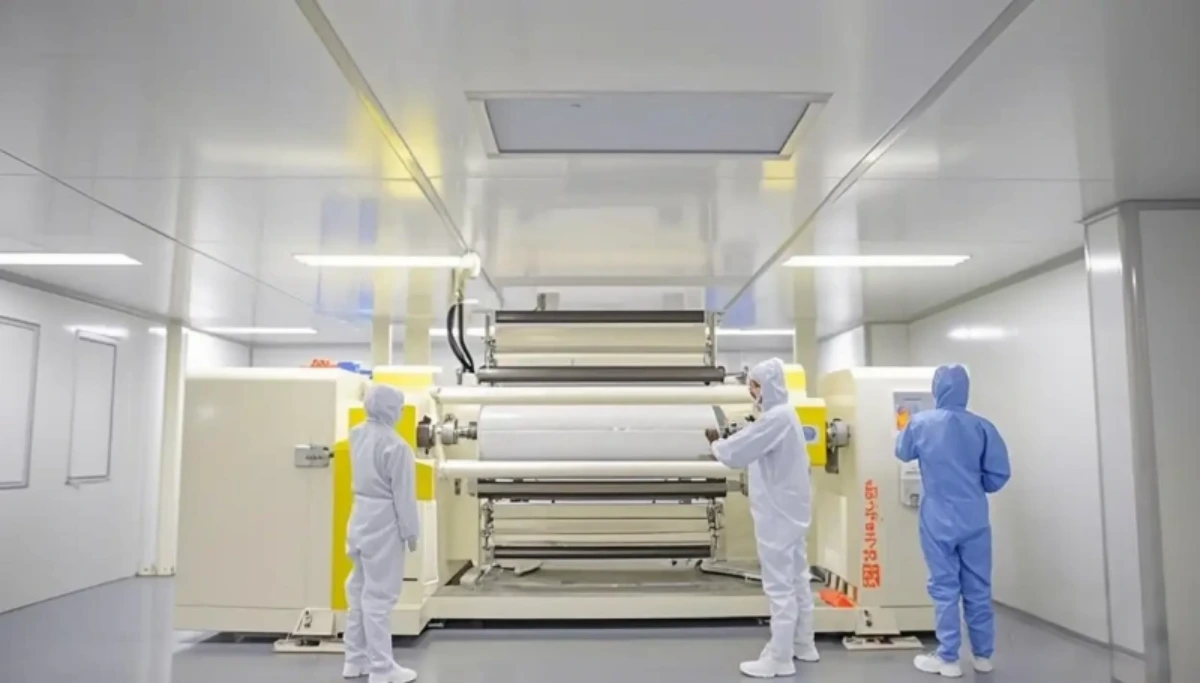
The environmental protection and sustainability of PPF:
- Minimal Waste Production – Laser-precut kits reduce material waste by 40% compared to hand-cutting, optimizing resource utilization.
- Biodegradable Edge Sealants – Plant-based sealants prevent edge lifting without toxic chemicals, decomposing naturally if exposed to the environment.
- Water-Based Cleaning Solutions – Recommended PPF cleaners use 80% less harsh chemicals, reducing aquatic toxicity from wash runoff.
- Local Raw Material Sourcing – Sourcing TPU from regional suppliers cuts transportation emissions by 25% versus global supply chains.
- Energy-Efficient Curing Ovens – Infrared curing reduces energy use by 50% compared to traditional convection ovens in production.
The cost structure and price composition of PPF:
- PVC vs. TPU Cost Gap – PVC raw materials cost 50% less than TPU but result in 30% lower售价 due to performance limitations.
- Production Labor Costs – Skilled operators for extrusion lines contribute 12–18% of total manufacturing expenses.
- Local Sourcing Savings – Regional TPU suppliers cut logistics costs by 10–15%, reflected in lower prices.
- Digital Marketing Efficiency – Social media campaigns reduce customer acquisition costs by 10–15% vs. traditional ads.
- R&D Recoupment – New technologies (e.g., graphene reinforcement) add 5–10% to prices for 2–3 years post-launch.
- Cost of Quality Failures – Defective films add 3–5% to costs via rework and customer compensation.
- Online vs. Offline Pricing – E-commerce channels offer 5–10% lower prices due to reduced physical store overhead.
- Topcoat Quality Impact – Ceramic-infused topcoats add $0.50–$1.00 per square foot but enable 10–15% price premiums.
- Bio-Based TPU Premium – Plant-derived TPU increases raw material costs by 15–20% but supports premium pricing.
Say Goodbye to Car Scratches: Self-Healing PPF Revealed!:
- Scratches from automatic car washes—even with soft brushes—heal quickly, eliminating the need to avoid convenient cleaning options.
- Classic car owners protect original paint with self-healing PPF, as scratches heal without damaging vintage finishes.
- The healing process leaves no residue or discoloration, ensuring repairs are invisible and maintain the original paint’s finish.
- EV owners get scratch repair around charging ports, where frequent plugging/unplugging can cause minor damage.
- Self-healing PPF outperforms “scratch-resistant” claims by actively reversing damage rather than just delaying visible wear.
- Traditional waxes and sealants require constant reapplication to mask scratches, while self-healing PPF repairs damage autonomously for 5–10 years.
- Self-healing PPF minimizes “witness marks” from minor collisions, reducing the visual impact until professional repairs are possible.
- Self-healing technology withstands 10,000 repair cycles, ensuring long-term performance for high-mileage vehicles.
- Unlike rigid PVC films that crack, TPU-based self-healing PPF maintains flexibility to absorb impacts and repair the resulting damage.
- Luxury car owners appreciate invisible repairs that maintain prestige, avoiding visible touch-ups on high-end finishes.
TPU PPF VS PET PPF:
- Cost Over Lifespan – TPU PPF costs $0.50/year/sq ft over 10 years, while PET PPF averages $0.75/year/sq ft due to replacement needs.
- Repair Potential – TPU PPF allows spot patching of damaged areas, while PET PPF requires full panel replacement for localized damage.
- Weight-Bearing Capacity – TPU PPF supports accessory mounting (e.g., light bars) with minimal sagging, while PET PPF distorts under similar weight.
- Color Enhancement – TPU PPF’s high clarity enhances paint depth, while PET PPF can create a slight blue tint on dark colors.
- Visibility in Direct Sunlight – TPU PPF’s low glare reduces sun reflection, while PET PPF can create glare spots on sunny days.
- Industrial Applications – TPU PPF suits off-road vehicles and heavy machinery, whereas PET PPF is limited to low-impact urban use.
- Color Stability – TPU PPF retains tinted colors for 5 years, while PET PPF tint fades 40% within 18 months.
- Installation Training Requirements – TPU PPF requires 20 hours of training, while PET PPF needs 40 hours due to less forgiving application.
- EV Compatibility – Heat-resistant TPU PPF protects battery zones up to 120°C, while PET PPF degrades above 80°C.
The production supply chain and quality control system of PPF:
- Ethical Sourcing Policies – Prohibition of materials from conflict zones or suppliers with labor violations.
- Additive Supply Chain – Strategic partnerships with specialty chemical firms for UV stabilizers, self-healing agents, and nano-ceramic additives.
- Abrasion Resistance – Taber abrasion tests (CS-10 wheel, 1kg load) measuring weight loss to validate durability.
- Defect Classification System – Categorization of flaws (pinholes, bubbles, streaks) by severity to guide corrective actions.
- Non-Conforming Material Handling – Quarantine, segregation, and disposition processes for defective materials/finished goods.
- Strategic Stockpiles – 3–6 month reserves of critical materials during high-demand periods or supply chain disruptions.
- Supplier Development Programs – Workshops with tier-2 suppliers to improve material consistency and reduce defects.
- Supplier Quality Development – Workshops with suppliers to improve incoming material quality and reduce inspection efforts.
- Material Traceability Systems – Blockchain-enabled tracking of TPU batches from resin production to finished PPF rolls.
AUTOLI(CN) PPF(Paint Protection Film) oem factory

autoli TPU PPF Applied to all brand car models as Volkswagen、Lincoln、Toyota、Porsche.Our factory cooperates with Car Customization Shop、ppf installation、PPF agent and all so in many countries and regions around the world,like Australia,Jamaica,Czech,Korea,Warranty: 10 years.Our advantages:High quality raw materials and advanced technology;Strict quality control system;SGS, ASTM, REACH, UL and other certifications;Your Key to Profitable PPF Ventures;Raw material purchasing advantage.Our factory also provides Windshield Protection Film、Vinyl Car Wrap.