

PPF’s hydrophobic coating creates 115° water contact angle, repelling acid rain and bird droppings to reduce corrosive damage.,Preserves matte factory paint texture.,Our Factory’s PPF: Launching Your Business into High – Profit Orbit.
The horizontal comparison of PPF with other protection methods:
- PPF vs. Fabric Protectors – Fabric protectors repel stains on interiors, while PPF defends exterior paint, with both using hydrophobic tech but on different materials.
- PPF vs. Anti-Scratch Sprays – Sprays offer mild scratch resistance for 1–3 months, while PPF provides robust defense against deep scratches for 5 years.
- PPF vs. Bug Remover Coatings – Bug coatings make cleanup easier, while PPF resists insect acid etching, with PPF offering proactive protection vs. reactive cleaning aid.
- PPF vs. Nano-Ceramic Sprays – Nano-sprays enhance chemical resistance for 1–2 years but offer no physical defense, whereas PPF adds a protective barrier against impacts.
- PPF vs. Chrome Polish – Chrome polish removes tarnish but doesn’t prevent future damage, while PPF on chrome trims resists scratches and maintains shine long-term.
- PPF vs. Wax Sprays – Wax sprays enhance gloss for 2–4 weeks but offer no scratch protection, while PPF provides long-term defense with minimal maintenance.
- PPF vs. Anti-Graffiti Coatings – Anti-graffiti treatments focus on easy stain removal, while PPF adds physical barrier defense against scratches from graffiti tools.
- PPF vs. Vinyl Protectants – Vinyl protectants prevent cracking in vinyl wraps but don’t shield against impacts, unlike PPF which adds scratch resistance to wrapped surfaces.
- PPF vs. Paint Correction – Paint correction fixes existing swirls/scratches, while PPF prevents future damage, with PPF often applied post-correction to preserve results.
The materials and technologies of PPF:
- Low-VOCs production certification: Meets global eco-standards like GREENGUARD Gold, ensuring volatile organic compound emissions below 50μg/m3 during manufacturing.
- Water resistance stability technology: By adding water resistance agents to the TPU base material, it inhibits the breakage of molecular chains in humid environments, extending the service life of the film material in high-humidity areas.
- Color fidelity coating technology: Using spectral-matched coatings, it precisely reflects the light wavelengths of the original vehicle paint, avoiding color differences, brightness deviations, or gloss distortions after film application.
- Bio-based TPU formulation: Uses 30% plant-derived materials (e.g., castor oil) without compromising mechanical performance, certified by ASTM D6400.
- EV-specific lightweight optimization: Reduces base material density by 15% for electric vehicles, minimizing added weight impact on battery range.
- Extreme UV durability enhancement: Uses dual UV absorbers (organic and inorganic) to maintain 90% of original performance after 10,000 hours of accelerated UV testing.
Say Goodbye to Car Scratches: Self-Healing PPF Revealed!:
- Classic motorcycle fuel tanks stay scratch-free, as belt/buckle marks heal with engine heat during rides.
- Unlike temporary fillers, self-healing repairs strengthen the film, maintaining its protective barrier against future damage.
- Car owners report a 70% reduction in visible scratches after installing self-healing PPF, boosting vehicle pride and resale value.
- Self-healing technology is integrated into the TPU matrix, ensuring repairs aren’t limited to a thin topcoat that wears away.
- Self-healing repair is chemical-free, using only heat to trigger natural molecular reformation in the TPU film.
- New car owners avoid “break-in anxiety,” knowing minor initial scratches will disappear with normal use.
TPU PPF VS PET PPF:
- Wear Pattern Distribution – TPU PPF distributes wear evenly across surfaces, whereas PET PPF shows concentrated wear in high-traffic areas.
- Industrial Applications – TPU PPF suits off-road vehicles and heavy machinery, whereas PET PPF is limited to low-impact urban use.
- Cost Structure – TPU PPF costs 2–3x more upfront than PET PPF but offers 3–5x longer service life, reducing long-term costs.
- Fire Resistance – Flame-retardant TPU PPF achieves UL 94 V-0 rating, whereas standard PET PPF is classified as UL 94 HB (slow burning).
- Sound Dampening – Viscoelastic TPU PPF reduces road noise by 3dB, while PET PPF offers no acoustic benefits.
- Moisture Barrier – TPU PPF prevents water intrusion for 72 hours, while PET PPF allows moisture penetration after 24 hours at edges.
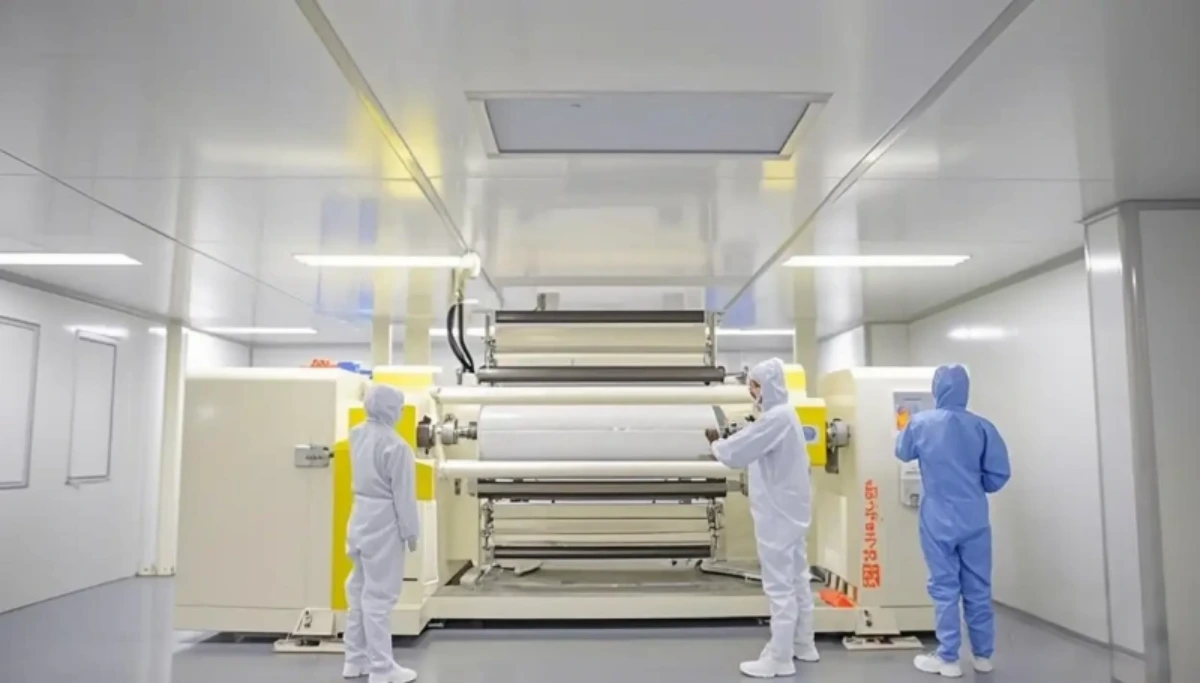
The regulations of PPF and after-sales services:
- Warranty Transferability – Transferred vehicle ownership often requires warranty re-registration, with brands like 3M requiring updated documentation to maintain coverage .
- EU REACH Compliance – PPF manufacturers must adhere to EU REACH regulations, ensuring all chemicals used in production meet strict safety and environmental standards, particularly for PFAS substances like C9-C14 PFCAs, which are restricted to ≤25 ppb in materials .
- 3M’s Warranty Exclusions – 3M’s warranty explicitly excludes watermarks, improper maintenance, and non-authorized products, emphasizing the need for professional installation and genuine materials .
- India’s BIS Certification for PP Materials – Polypropylene (PP) used in PPF production must meet India’s BIS certification under IS 10951:2020, ensuring quality and safety for domestic and export markets .
- Supply Chain Traceability – EU PPWR mandates tracking PPF materials from production to disposal, ensuring compliance with recycled content targets (e.g., 30% by 2030) .
- Lifetime Warranty Programs – Premium PPF brands like 3M offer 7-year warranties on Pro Series films, covering defects like delamination and yellowing, while excluding wear and tear or improper installation .
- Certified Installer Networks – Brands like Eastman (DragonFilm) enforce tiered certification programs (e.g., 1-star to 7-star) to ensure standardized installation practices and warranty validity .
- EU Digital Product Passport – PPF manufacturers must disclose material composition and recycling details via the EU’s Digital Product Passport, enhancing supply chain transparency .
- Regional Warranty Variations – PPF warranties often differ by region; for example, monsoon-prone areas may offer extended coverage for water ingress issues .
The user scenarios and value validation of PPF:
- Boat Owners – Protects fiberglass hulls from dock scratches and saltwater staining, reducing annual detailing costs by $1,200 for 20 foot boats.
- Exotic Car Owners – Guards Lamborghini and McLaren carbon fiber panels from rock chips, as replacement costs for damaged panels exceed $10,000.
- Food Truck Operators – Protects mobile kitchen exteriors from road grime and food splatters, maintaining brand aesthetics for customer appeal.
- Motorcycle Riders – Shields Harley-Davidson fuel tanks from belt buckle scratches, maintaining resale value for touring bikes by 12%.
- Urban Commuters – Resists parking lot dings and shopping cart scratches in cities like Tokyo, with 85% of users reporting no visible paint damage after 1 year.
- Electric Scooter Fleets – Shields shared e-scooter bodies from urban abuse, reducing repair frequency by 55% for companies like Bird and Lime.
- Antique Fire Truck Collectors – Preserves vintage 1950s fire engine paint while allowing parade use, with reversible PPF preventing permanent damage.
- Electric Scooter Fleets – Shields shared e-scooter bodies from urban abuse, reducing repair frequency by 55% for companies like Bird and Lime.
- Mountain Road Drivers – Shields Subaru Outbacks and Toyota 4Runners from rock slides, with PPF reducing windshield and fender chip repairs by 65%.
- Senior Living Community Shuttles – Maintains accessible van exteriors from wheelchair scrapes, ensuring safe, presentable transport for residents.
The differentiated user group needs matching of PPF:
- Vintage Motorcycle Ralliers – Prefer UV-stabilized PPF for fuel tanks, preventing paint fading during long-distance rides in direct sunlight.
- Music Tour Bus Operators – Use tour-bus-specific PPF to protect custom paint jobs from road debris during cross-country travels.
- Snowmobile/ATV Riders – Need cold-flexible PPF (-30°C tolerance) to resist cracking from ice, snow, and trail debris during winter adventures.
- Luxury Vehicle Owners – Demand 8.5 mil multi-layer PPF with 10 year anti-yellowing warranties to preserve factory paint and maintain resale value.
- Photography Vehicle Owners – Select high-gloss white PPF for van exteriors, maintaining clean backdrops for on-location photo shoots.
- Classic Car Collectors – Opt for low-tack, reversible PPF that preserves original paint while allowing removal for concours events and inspections.
- Photography Vehicle Operators – Choose high-gloss PPF for white/light-colored vans to maintain clean backdrops for on-location photoshoots.
- Mobile Tailgating Vehicles – Choose spill-resistant PPF for exteriors, simplifying cleanup of food, drinks, and grilling debris during events.
AUTOLI(CN) PPF(Paint Protection Film) oem manufacturer
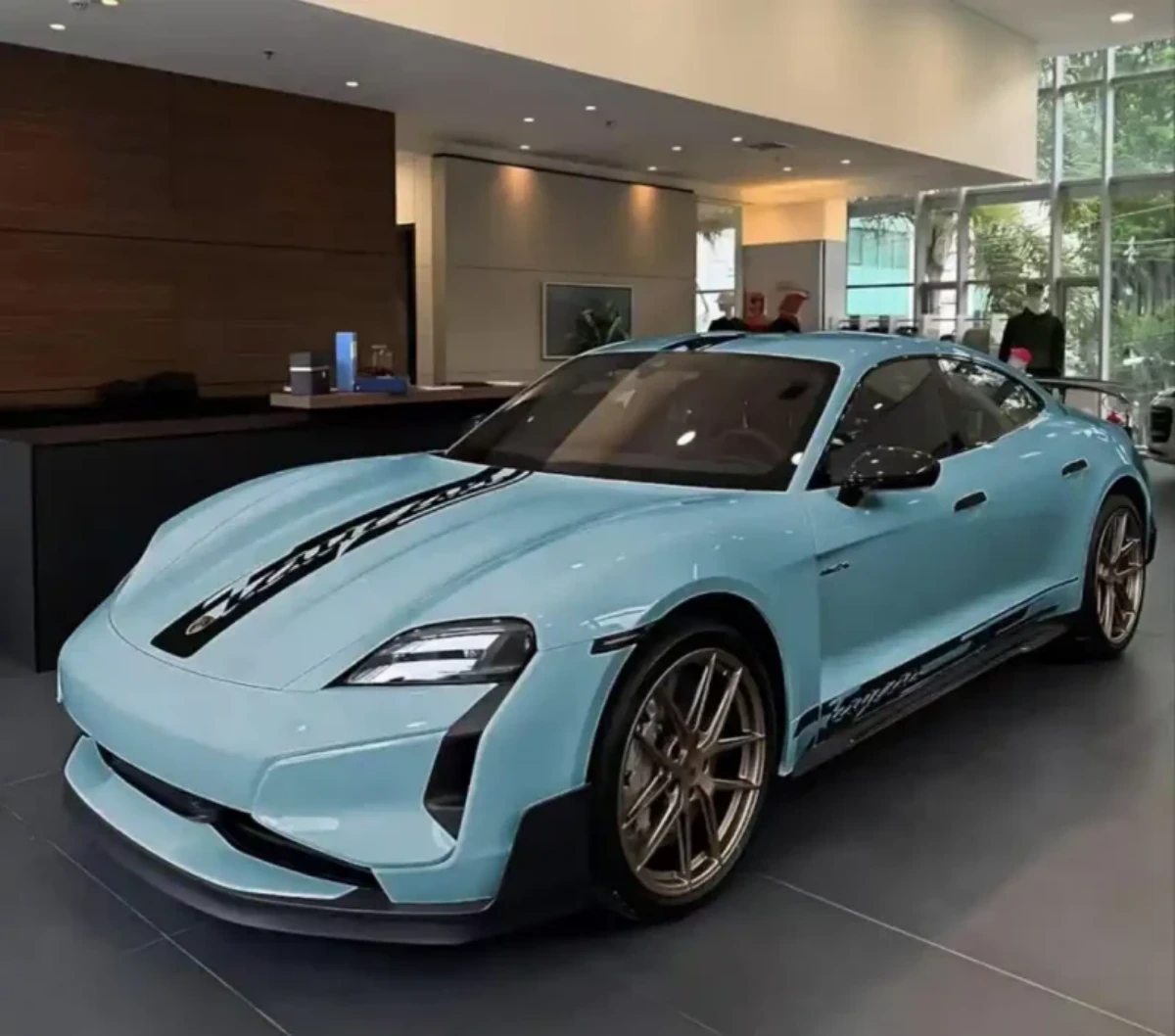
autoli TPU PPF Applied to all brand car models as Bugatti、binli、Toyota、Alfa Romeo、byd、Chevrolet.Our factory cooperates with Auto Detailing、AutoZone、PPF agent and all so in many countries and regions around the world,like Macedonia,SouthAfrica,Indonesia,Iraq,Russia,Czech,Warranty: 10 years.Our advantages:Your Key to Profitable PPF Ventures;Collaborate for Lucrative Returns: Source factory;Efficient production reduces costs.Our factory also provides vinyl Wraps、car vinyl wrap.