

PPF’s nano-coatings lower surface temp by 8-12℃ in hot climates, reducing mold growth and interior heat buildup.,No aerodynamic impact on vehicle performance.,Accelerate Business Growth with Certified PPF Wraps & Rapid Production.
The long-term monitoring and maintenance system after the installation of PPF:
- Antimicrobial Efficacy Checks – Testing interior PPF for bacterial growth quarterly in high-touch areas (steering wheel, door handles).
- Interior PPF UV Protection – Using window tints with 99% UV blockage to reduce dashboard film fading in sunny climates.
- Abrasive Product Bans – Prohibiting use of clay bars, polishes with abrasives, or acidic cleaners that wear topcoats.
- Professional Detailing Partnerships – Scheduling annual professional decontamination (iron removal, tar cleanup) to preserve topcoat.
- 24-Hour Bird Dropping Protocol – Spraying droppings with water, letting sit 5 minutes, then wiping with microfiber to avoid etching.
- Industrial Zone Contamination Checks – Increasing cleaning frequency near factories to remove chemical particulates that degrade topcoats.
- AI-Powered Image Analysis – Uploading photos to brand apps for algorithmic detection of imperceptible defects (e.g., subsurface bubbles).
- Winter De-Icing Avoidance – Using plastic scrapers instead of metal to remove snow/ice, preventing topcoat scratches.
The product classification and selection logic of PPF:
- Damage Risk Evaluation – Upgrading to impact-resistant PPF for off-road vehicles or high-debris work environments.
- Vehicle Type Compatibility – Classified for cars, SUVs, trucks, EVs, or classics, with tailored patterns and performance traits.
- Function-Centric Categories – Segmented into self-healing, UV-resistant, anti-yellowing, and hydrophobic variants based on core benefits.
- Climate-Specific Formulations – Categorized for tropical, cold, coastal, or desert climates, with additives addressing regional challenges.
- Thickness Optimization – Selecting 6–8mil for low-risk areas (roofs) vs. 10–12mil for high-impact zones (hoods, bumpers).
- Light Transmission Needs – Selecting high-clarity PPF for headlights to maintain visibility and safety.
- Saltwater Exposure Protection – Choosing marine-grade PPF for coastal vehicles to resist salt-induced corrosion.
The construction and maintenance of PPF:
- Avoid Automated Car Washes with Brushes – Brushless washes prevent abrasive contact that can scratch PPF.
- Long-Term Replacement Planning – Scheduling replacement before topcoat failure (typically 5–10 years) avoids adhesive residue buildup.
- Air Blower Drying – Low-pressure air dryers reduce towel contact, minimizing micro-scratches on PPF surfaces.
- Annual Professional Inspection – Certified installers check for hidden damage, edge wear, or topcoat degradation.
- Minor Bubble Repair – Using a heat gun and squeegee to reactivate adhesives and push out small bubbles post-installation.
- Soft Cloth Washing – Microfiber mitts and towels reduce friction, preventing swirl marks on the PPF surface.
- Edge Sealing – Heat-sealing edges with a microfiber cloth prevents moisture ingress and future lifting in car washes.
- Squeegee Technique – Using firm, overlapping strokes with a felt-edge squeegee removes water and air bubbles for a tight bond.
- Silicone-Free Cleaners – Avoiding silicone-based products prevents glossy residue that attracts dust to PPF surfaces.
The materials and technologies of PPF:
- Nanometer-level functional coating technology: The surface is covered with a hydrophobic and oleophobic coating, reducing the adhesion of stains and enhancing scratch resistance. Some contain UV-resistant particles to improve weather resistance.
- AI-powered installation assistant: Uses augmented reality (AR) glasses to guide installers through precise alignment, reducing labor time by 30%.
- Edge-locking micro-groove design: Prevents water ingress and edge lifting through interlocking grooves, backed by 10-year edge retention warranties.
- Fire-resistant coating: Passes UL94 V-0 certification with flame spread rate <10mm/min, meeting automotive safety standards.
- FDA Food Contact Compliance: Approved for indirect food contact, suitable for food delivery vehicles.
- Rapid curing adhesive technology: Enables full adhesive strength development within 24 hours (vs. 48-72 hours for conventional adhesives), shortening post-installation care time.
The production supply chain and quality control system of PPF:
- Supplier Qualification – Rigorous audits of material suppliers, evaluating quality management systems and sustainability practices before approval.
- Customs Broker Partnerships – Global logistics firms managing import/export documentation to comply with regional regulations.
- UV Resistance Testing – Accelerated weathering (QUV testing) for 1,000 hours to validate anti-yellowing performance.
- Field Testing Programs – Real-world installations monitoring performance over 1–5 years in diverse climates.
- Emergency Supply Protocols – Backup production facilities activated during primary plant downtime to maintain supply continuity.
- Customer Feedback Integration – Warranty claim analysis used to identify unforeseen quality issues in real-world use.
The user pain points of PPF and their solutions:
- Unclear Warranty Coverage – Clarified via digital warranty passports detailing exclusions (wear, improper maintenance) and inclusions.
- Expensive Repairs for Damage – Reduced via self-healing technology (repairs 3μm scratches with heat) and patchable film sections.
- Bird Dropping Etching – Addressed through acid-resistant topcoats and 24-hour removal guidelines to prevent permanent damage.
- Confusion About Maintenance Products – Solved by brand-specific cleaning kits and “approved products” lists to avoid topcoat damage.
- Complex Maintenance – Simplified via pH-neutral cleaning kits, hydrophobic topcoats, and quarterly sealant boosters.
- Bubbles After Installation – Prevented by air-release adhesive channels and certified installers using dust-free environments.
- Yellowing Over Time – Solved by anti-yellowing formulations with HALS stabilizers and UV absorbers, maintaining clarity for 10 years.
- Difficulty Matching Vehicle Contours – Addressed by 3D-scanned, vehicle-specific pre-cut patterns for complex curves (fenders, mirrors).
- DIY Installation Failures – Resolved with pre-cut laser patterns, air-release adhesives, and step-by-step video tutorials.
Before & After: How PPF Transforms a 10-Year-Old Car:
- Before: Bumper with yellowed clear coat and road rash; After: PPF’s anti-yellowing formula covers discoloration and shields against future road debris damage.
- Before: Rear bumper step pad with paint worn away; After: PPF adds protective layer, hiding bare spots and resisting future wear from stepping.
- Before: Trunk lid with key scratches and luggage scuffs; After: PPF’s self-healing properties erase fine scratches, creating a flawless surface for loading/unloading.
- Before: Roof antenna cable entry point with paint peeling around it; After: PPF seals the entry point, hiding peeling and preventing water intrusion into the cabin.
- Before: Front grille with chipped paint on edges; After: PPF’s impact-absorbing layer covers chips and shields vulnerable grille edges from debris.
- Before: Door edges with countless scratch marks from parking mishaps; After: PPF’s self-healing layer covers scratches and resists new ones, creating crisp, unmarked edges.
- Before: Rear wiper blade pivot point with rust; After: PPF seals the pivot, covering rust and preventing water from accelerating corrosion.
- Before: Step bumper with paint worn thin from loading cargo; After: Heavy-duty PPF adds protective layer, hiding wear and withstanding future use.
- Before: Side skirts with scrapes from curbs and speed bumps; After: Thick PPF hides scrapes and absorbs impact energy, preventing new damage on low-hanging parts.
TPU PPF VS PET PPF:
- Adhesive Aging – TPU PPF’s adhesive retains 80% strength after 5 years, while PET PPF’s adhesive loses 50% strength in 3 years.
- Heat Dissipation – TPU PPF’s thermal conductivity reduces under-hood temperatures by 3–5°C, while PET PPF traps 10% more heat.
- User Satisfaction – 90% of TPU PPF users report satisfaction after 3 years, compared to 60% satisfaction with PET PPF.
- Fire Resistance – Flame-retardant TPU PPF achieves UL 94 V-0 rating, whereas standard PET PPF is classified as UL 94 HB (slow burning).
- Impact Resistance – TPU PPF absorbs 75% of rock chip energy at 60km/h, while PET PPF transfers 60% of impact force to underlying paint.
- Chemical Adhesion – TPU PPF bonds to factory and custom paints, while PET PPF may fail on matte or textured finishes.
Why TPU PPF:
- Customizable Sizes – Available in standard (3m×4m) to large (6m×10m) dimensions, with modular designs for expansion.
- Aesthetic Versatility – Can mimic wood grain via powder coating for traditional looks with modern durability.
- Corrosion Resistance – Aluminum alloy pergolas resist rust and oxidation, outperforming steel in humid or coastal environments.
- Cost Predictability – Fixed material costs avoid price fluctuations of lumber markets.
- Chemical Resistance – Unaffected by pool chemicals, making it ideal for poolside installations.
- Minimal Site Disruption – Lightweight components require smaller foundation footings than steel.
AUTOLI(CN) PPF(Paint Protection Film) manufacturer
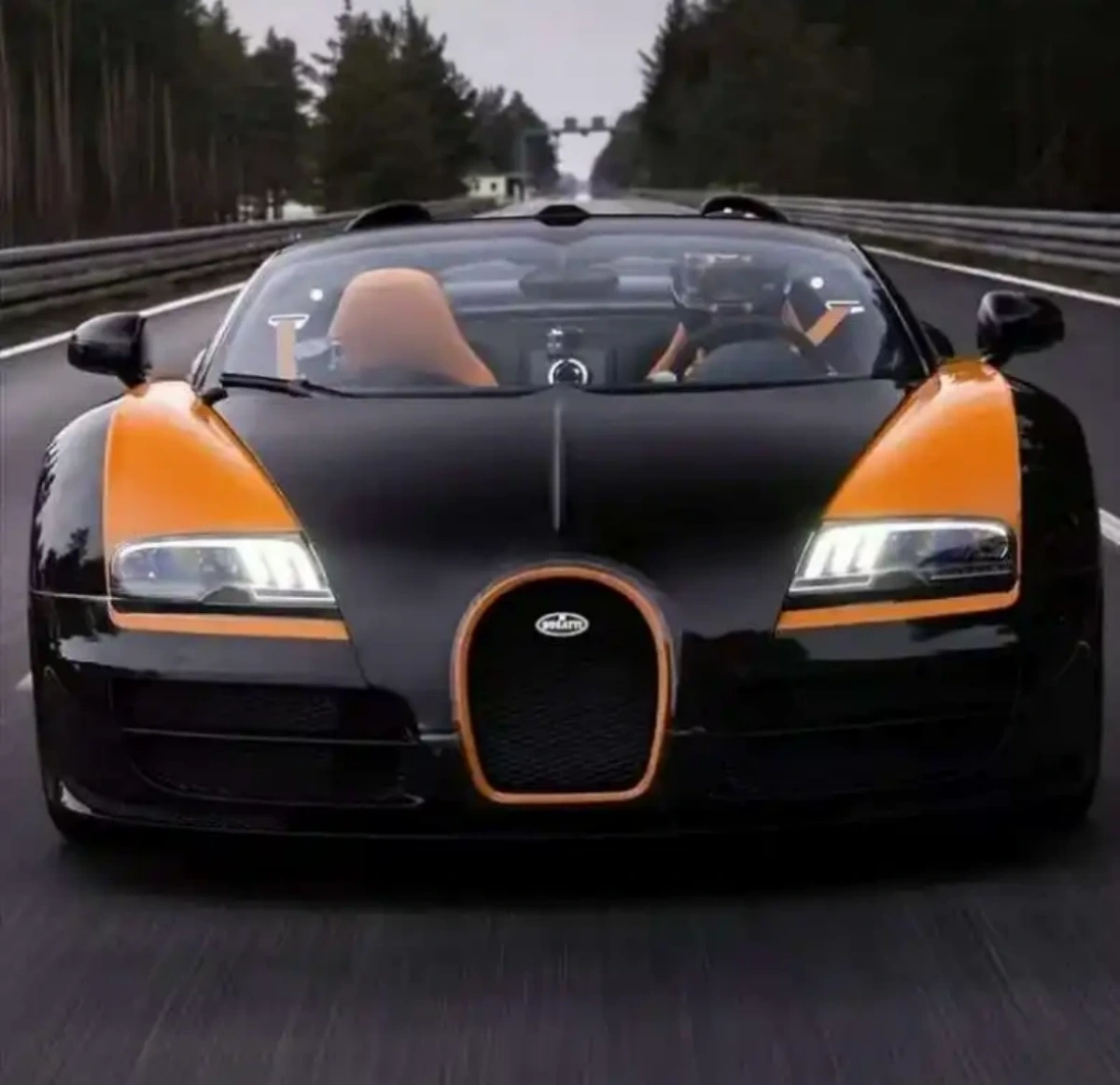
autoli TPU PPF Applied to all brand car models as Maserati、Mazda、ford、Maserati.Our factory cooperates with PPF agent、Auto Detailing、PPF trading、PPF wholesaler、Car Customization Shop and all so in many countries and regions around the world,like Australia,Malta,Iceland,Philippines,Turkey,Warranty: 10 years.Our advantages:Your Key to Profitable PPF Ventures;SGS, ASTM, REACH, UL and other certifications;High quality raw materials and advanced technology;Short production cycle, quick delivery.Our factory also provides Car Wrap、car film、Paint Protection Film.