

PPF’s seamless wrapping covers edge gaps, preventing water/ dirt ingress that causes paint peeling under traditional protection.,Resists industrial fallout rust spots.,Collaborate with Our Factory: PPF Catalysts for Unstoppable Profit Growth.
The user perception and consumption misconceptions of PPF:
- Consumer Misconception: “New Cars Don’t Need PPF Immediately” – Delaying installation, unaware that factory paint is most vulnerable to damage in the first 6 months of ownership.
- Correct Perception: Ceramic Coating Synergy – Savvy users pair PPF with ceramic topcoats, enhancing hydrophobicity and scratch resistance by 40%.
- Consumer Misconception: “PPF Makes Car Washes Obsolete” – Thinking hydrophobic properties eliminate washing, not realizing heavy grime still requires cleaning.
- Consumer Misconception: “PPF Can’t Be Repaired” – Assuming damaged PPF requires full replacement, unaware small sections can be patched professionally.
- Consumer Misconception: “PPF Blocks Car Washes” – Avoiding automated washes due to fear of damage, when brushless systems are actually safe for properly installed PPF.
How TPU Redefines PPF:
- Quick Healing – TPU’s 24-hour scratch recovery redefined PPF from damage-accumulating films to self-renewing protectors maintaining appearance over time.
- Color Stability – TPU’s pigment-retention properties redefined PPF from clear-only products to color-stable tinted films for subtle aesthetic enhancement.
- Warranty Reliability – TPU’s consistent performance redefined PPF warranties from vague guarantees to 5–15 year commitments with clear coverage.
- Minimal Waste – TPU’s pre-cut precision redefined PPF from high-waste products to material-efficient options with 40% less scrap vs. hand-cut sheets.
- Anti-Fog Properties – Hydrophilic TPU layers redefined PPF from condensation-prone films to anti-fog solutions for headlights and mirrors.
- Customization Capability – TPU’s laser-cuttable nature redefined PPF from generic sheets to vehicle-specific kits with precision fits for complex curves.
TPU PPF VS PET PPF:
- Outdoor Storage Performance – TPU PPF-protected vehicles show 70% less fading in outdoor storage, compared to 30% reduction with PET PPF.
- Sound Dampening – Viscoelastic TPU PPF reduces road noise by 3dB, while PET PPF offers no acoustic benefits.
- Anti-Static Properties – TPU PPF with carbon additives reduces dust attraction by 50%, while PET PPF accumulates 30% more surface dust.
- Low-Temperature Installation – TPU PPF installs reliably at 15°C , while PET PPF requires 20°C environments to prevent adhesive failure.
- Weather Adaptability – TPU PPF performs in coastal salt spray, while PET PPF shows corrosion under film in high-humidity environments.
- Printability – TPU PPF accepts UV-curable inks for custom graphics, while PET PPF’s surface resists ink adhesion, causing premature fading.
- Warranty Claims – TPU PPF has 30% fewer warranty claims than PET PPF due to superior durability and performance consistency.
The market trends and industry changes of PPF:
- Nano-Coating Enhancements – Nano-based topcoats (e.g., Nasiol FCC) improve hydrophobicity and chemical resistance, extending PPF lifespan while maintaining self-healing capabilities.
- Cross-Industry Collaborations – Material suppliers (e.g., Lubrizol) are partnering with PPF manufacturers to develop specialized films for extreme climates, such as heat-resistant variants for desert regions.
- DIY vs. Pro Installation Split – 30% of entry-level PPF sales are DIY kits, while 90% of luxury films require professional installation for warranty validation.
- Data-Driven Marketing Strategies – Brands are using AI analytics to identify regional demand patterns, tailoring product launches (e.g., anti-yellowing films for high-sun areas) to specific markets.
- OEM Integration and EV Demand – Original equipment manufacturers (OEMs) are increasingly factory-installing PPF, particularly for electric vehicles (EVs), which represent 19% of OEM PPF applications due to their premium paint protection needs.
The product classification and selection logic of PPF:
- Climate Adaptation Logic – Choosing coastal-formulated PPF with anti-corrosion additives for saltwater exposure or cold-flex variants for winter regions.
- Maintenance Capacity Matching – Opting for low-maintenance self-healing PPF for owners unable to perform frequent detailing.
- Warranty Duration Classes – Segmented by warranty terms (1–15 years), reflecting durability and manufacturer confidence in performance.
- Collision Repair Compatibility – Opting for easily removable PPF to simplify body shop repairs after accidents.
- Aesthetic Priority Selection – Matching finish type (matte/gloss) to vehicle paint to preserve original appearance.
- Installation Access Logic – Choosing hybrid PPF with air-release adhesives for hard-to-reach areas requiring repositioning.
- Ease of Inspection – Choosing PPF with UV-reactive edges for easier professional inspection of coverage.
- Edge Seal Technology Selection – Upgrading to heat-sealable PPF for car wash frequenters to prevent edge lifting.
- Pattern Complexity Matching – Opting for laser-cut PPF for vehicles with intricate contours (sports cars, classics).
- Usage Pattern Matching – Opting for 10 mil thick PPF for highway commuters vs. 6–8mil for urban drivers with lower debris exposure.
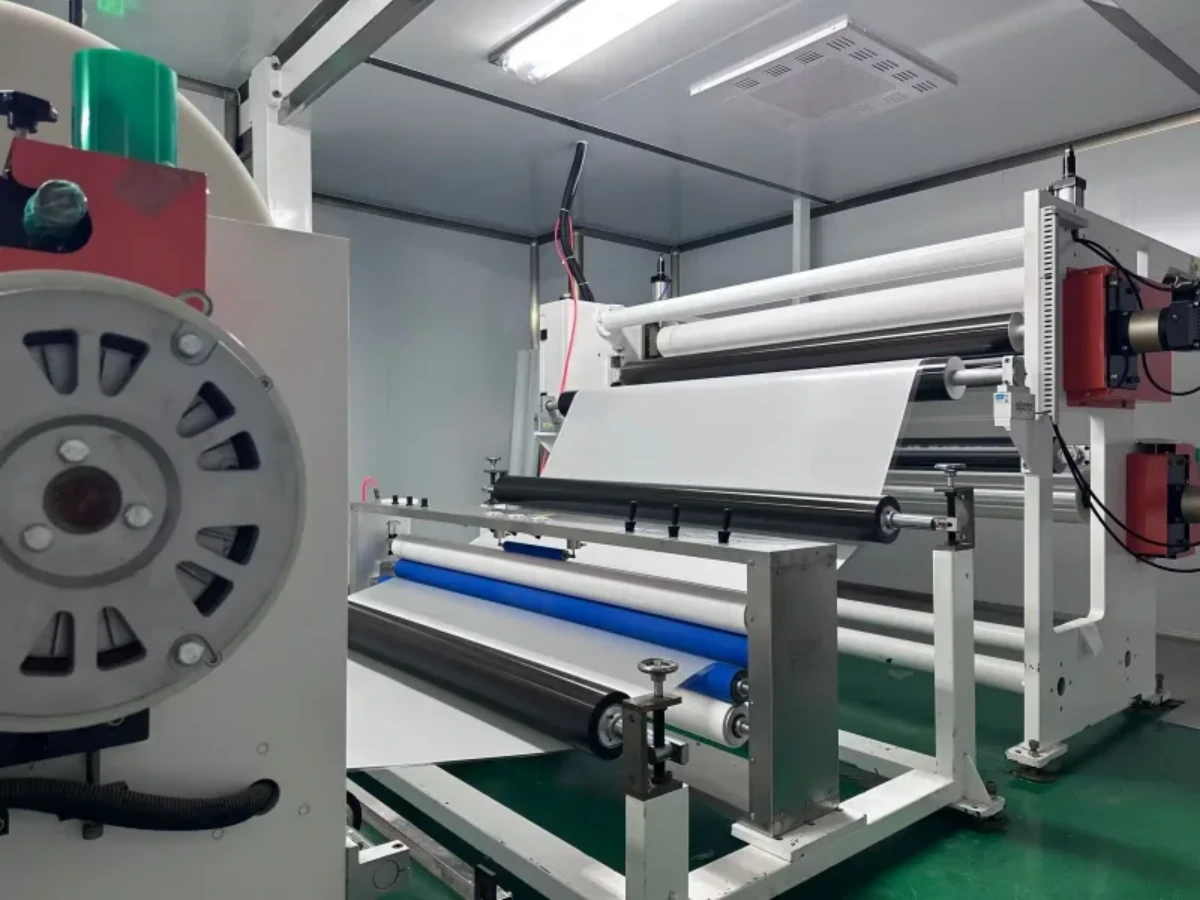
The construction and maintenance of PPF:
- Self-Healing for Minor Scratches – Applying gentle heat (e.g., hair dryer on low) accelerates repair of swirl marks or light scratches.
- Heat Activation for Adhesion – A heat gun (60–80°C) activates adhesives along edges and curves to secure long-term bonding.
- Test Applications on Scrap Panels – Practicing on metal scraps refines squeegee pressure before applying PPF to the vehicle.
- Surface Decontamination – Pre-installation cleaning uses clay bars and iron-removing sprays to eliminate embedded contaminants like rail dust.
- Squeegee Technique – Using firm, overlapping strokes with a felt-edge squeegee removes water and air bubbles for a tight bond.
- Oxidation Correction Pre-Install – Polishing oxidized paint ensures PPF adheres smoothly to uniform surfaces.
- Long-Term Replacement Planning – Scheduling replacement before topcoat failure (typically 5–10 years) avoids adhesive residue buildup.
- Edge Sealing – Heat-sealing edges with a microfiber cloth prevents moisture ingress and future lifting in car washes.
The user pain points of PPF and their solutions:
- DIY Installation Failures – Resolved with pre-cut laser patterns, air-release adhesives, and step-by-step video tutorials.
- Scratches from Automated Car Washes – Prevented by scratch-resistant topcoats (9H hardness) and “brushless wash safe” certifications.
- Warranty Void Due to DIY Installation – Resolved by offering “DIY-friendly” kits with warranty coverage for proper application.
- High Heat Damage (EV Batteries) – Solved by heat-resistant PPF (120°C ) with thermal conductivity for battery zone protection.
- Complex Warranty Transfers – Simplified via blockchain-based systems enabling easy ownership transfers with digital validation.
- Unclear Warranty Coverage – Clarified via digital warranty passports detailing exclusions (wear, improper maintenance) and inclusions.
- Poor Performance in Cold Climates – Fixed with cold-flexible TPU (-40°C tolerance) and frost-resistant adhesives to avoid cracking.
The cutting-edge technology research and development of PPF:
- Bio-Based UV Stabilizers – Plant-derived flavonoids and carotenoids replace synthetic HALS, maintaining UV resistance for 10 years.
- Nano-Textured Anti-Icing Surfaces – Laser-induced nanostructures reduce ice adhesion strength by 80%, preventing snow accumulation on vehicles.
- Bio-Based Flame Retardant Coatings – Chitosan and ammonium polyphosphate composites provide V-0 rating in UL 94 tests with <1% loading.
- Dynamic Mechanical Response Coatings – Shape memory polyurethanes with programmable stress-strain curves adapt to impact forces in automotive collisions.
- Nano-Structured Anti-Graffiti Coatings – Superhydrophobic and oleophobic surfaces repel spray paint, allowing easy removal with water rinsing.
- Multifunctional Smart Films – Integrated humidity sensors and pH indicators in PPF provide real-time environmental monitoring for agricultural applications.
- AI-Powered Material Discovery – High-throughput screening platforms identify novel TPU formulations with tailored properties in days instead of years.
- Nano-Composite Barrier Films – Layered double hydroxides (LDHs) in PPF block oxygen and water vapor transmission by 99.9% for food packaging.
- Smart Sensor Integration – MEMS-based pressure and temperature sensors embedded in PPF monitor impact forces and environmental conditions in real-time.
The production supply chain and quality control system of PPF:
- Quality Gates in Production – In-line inspections after extrusion, coating, and curing stages to catch defects early.
- UV Resistance Testing – Accelerated weathering (QUV testing) for 1,000 hours to validate anti-yellowing performance.
- Third-Party Certification – Independent labs (e.g., SGS, Intertek) validating performance claims for warranties and marketing.
- Hydrophobicity Checks – Contact angle measurements (>110°) confirming topcoat water repellency before roll winding.
- Distribution Network Optimization – Regional hubs in NA, EU, and APAC reducing delivery times to installers by 30–40%.
- Failure Mode and Effects Analysis (FMEA) – Proactive risk assessment of production processes to prevent failures.
AUTOLI(CN) PPF(Paint Protection Film) factory
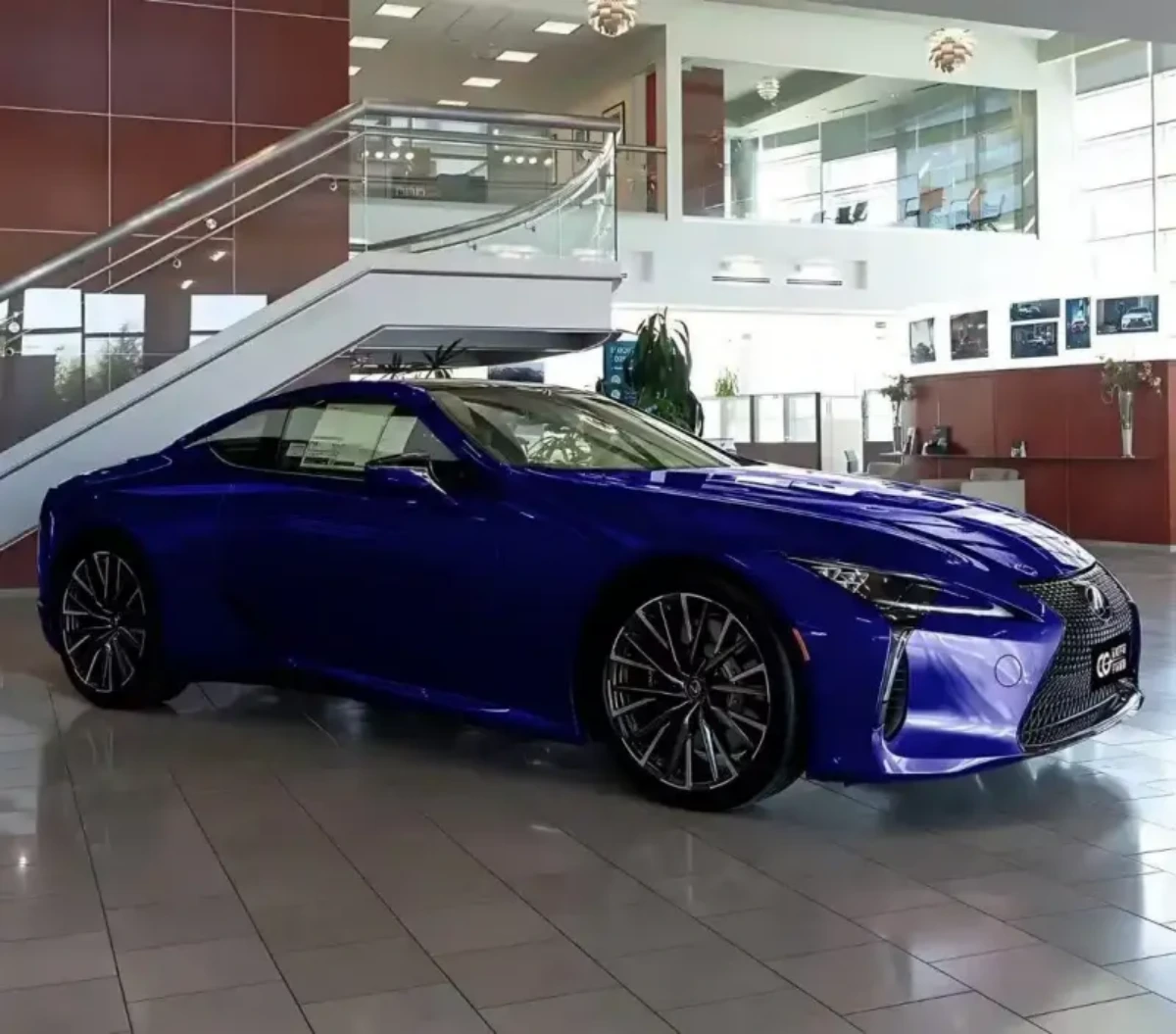
autoli TPU PPF Applied to all brand car models as Land Rover、Jaguar、binli、Land Rover.Our factory cooperates with PPF trading、Car Customization Shop、PPF distributor、Auto Spa、PPF installer and all so in many countries and regions around the world,like Australia,Iraq,Venezuela,Ireland,Warranty: 10 years.Our advantages:Raw material purchasing advantage;Your Key to Profitable PPF Ventures;Collaborate for Lucrative Returns: Source factory;High quality raw materials and advanced technology;Unlock Business Growth with Our Factory’s PPF.Our factory also provides Window tint、car film、Vinyl Car Wrap.