

PPF’s protection during transport/ delivery shields new cars from dealer mishaps like accidental scratches or debris.,Protects roof rails from cargo scratches.,Bulk PPF from Factory: Great Deals for Importers.
The regulations of PPF and after-sales services:
- Recall Protocols for Defects – In cases of material defects (e.g., delamination), manufacturers like PurePPF coordinate nationwide recalls and replacements via authorized installers .
- Supply Chain Traceability – EU PPWR mandates tracking PPF materials from production to disposal, ensuring compliance with recycled content targets (e.g., 30% by 2030) .
- EU Digital Product Passport – PPF manufacturers must disclose material composition and recycling details via the EU’s Digital Product Passport, enhancing supply chain transparency .
- Anti-Yellowing Guarantees – Brands like Aegis Eternal 400 offer 15-year warranties against yellowing, using HALS stabilizers to maintain optical clarity over extended periods .
- Class Action Liability – Manufacturers face potential litigation for non-compliant PPFs, as seen in cases involving PFAS contamination or false warranty claims .
- EU PPWR Packaging Mandates – The EU’s Packaging and Packaging Waste Regulation (PPWR) requires PPF packaging to be recyclable by 2030 and prohibits PFAS in food-contact packaging, impacting material choices and disposal practices .
- Nano-Coating Warranty Bundles – Hybrid solutions combining PPF with ceramic coatings (e.g., Onyx PPF Nano Coat) offer extended warranties covering both layers .
- EU REACH Compliance – PPF manufacturers must adhere to EU REACH regulations, ensuring all chemicals used in production meet strict safety and environmental standards, particularly for PFAS substances like C9-C14 PFCAs, which are restricted to ≤25 ppb in materials .
Before & After: How PPF Transforms a 10-Year-Old Car:
- Before: Door striker plates with paint worn from contact; After: PPF lines striker areas, covering wear and reducing friction between metal and paint.
- Before: Fog light surrounds with yellowing and stone chips; After: PPF covers discoloration and shields against debris, maintaining consistent appearance.
- Before: Headlight washer nozzles with paint chipping around edges; After: PPF covers nozzle perimeters, hiding chips and preventing debris damage.
- Before: License plate area with rust bleeding through paint; After: PPF acts as a moisture barrier, covering rust signs and preventing further corrosion.
- Before: Wheel well drain holes with rust around openings; After: PPF covers drain edges, hiding rust and preventing water from spreading corrosion.
- Final transformation: A 10-year-old car, once showing decades of wear, looks refreshed and protected with PPF, extending its aesthetic life by 5 years.
- Before: Rear bumper step pad with paint worn away; After: PPF adds protective layer, hiding bare spots and resisting future wear from stepping.
The construction and maintenance of PPF:
- LED Light Inspection Post-Install – Bright LED lighting reveals hidden bubbles or misalignments missed in natural light.
- Post-Repair Curing – Allowing 24 hours after minor repairs (e.g., bubble removal) before washing to ensure adhesion.
- Soft Rubber Squeegees for Curves – Flexible squeegees conform to rounded surfaces like fenders, reducing edge lifting risk during application.
- Quality Inspection – 48-hour post-installation checks for bubbles, misalignment, or edge lifting to address issues promptly.
- Avoid Automated Car Washes with Brushes – Brushless washes prevent abrasive contact that can scratch PPF.
- Dust Mitigation – HEPA filters and air ionizers in the workspace reduce dust particles that cause bubbles or imperfections.
- Humidity-Controlled Workspace – Maintaining 40–60% humidity during installation prevents rapid adhesive drying and ensures proper bonding.
- Monthly Top-Coat Boost – Applying a PPF-specific sealant enhances hydrophobicity and restores gloss over time.
- Tapered Overlap Seams – Feathered edge overlaps (≤0.5mm) create invisible, water-resistant seams between panel sections.
The protective performance of PPF:
- High-Speed Debris Impact Resistance – Thickened formulations like Suntek Ultra Defense shield against gravel and high-velocity road debris at highway speeds.
- Longevity – Offers long-term protection, with warranties ranging from 5 to 10 years depending on the product.
- Ceramic Coating Compatibility – Optional ceramic layers enhance hydrophobicity and chemical resistance without compromising self-healing.
- **Weatherproof Sealant Effect** – It creates a weatherproof sealant – like effect, protecting the paint from the combined effects of rain, wind, and sunlight.
- **Enhanced Surface Smoothness** – PPF creates a smooth surface, which not only improves the appearance but also reduces the friction that could potentially cause scratches or abrasions.
- Self-Healing Properties – Automatically repairs minor scratches and swirl marks when exposed to heat (e.g., sunlight or warm water).
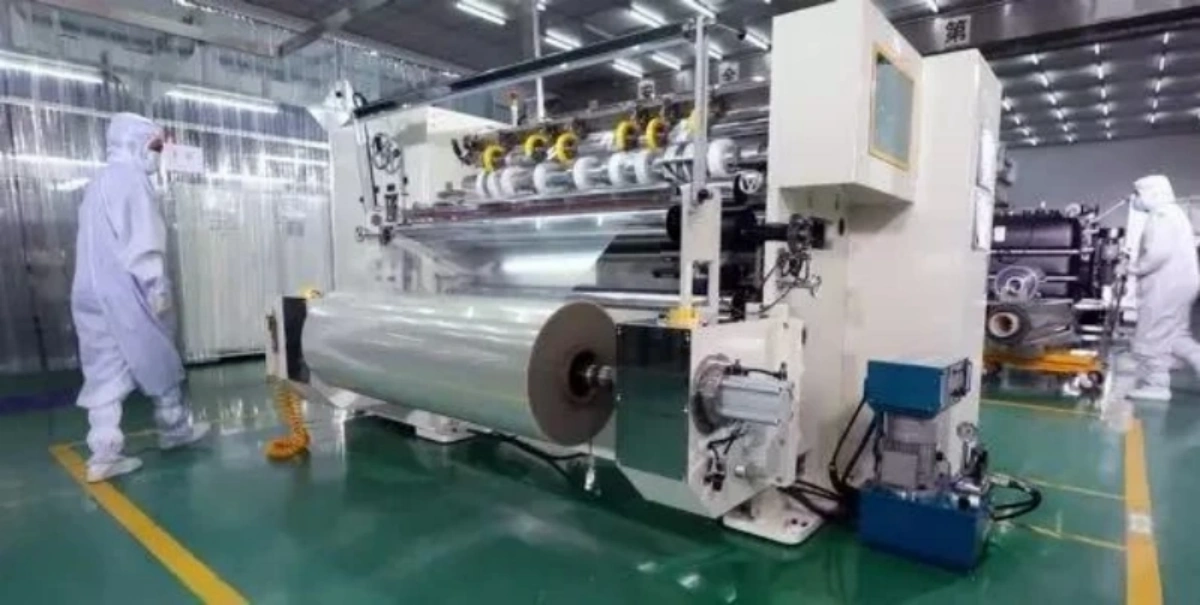
The cutting-edge technology research and development of PPF:
- Bio-Based Flame Retardants – Chitosan-functionalized ammonium polyphosphate (CS-APP) and phenylphosphonic difurfurylamine (PPDF) provide V-0 rating in UL 94 tests with <1% loading.
- Aerospace-Grade Composites – Polycarbonate-TPU blends engineered for aircraft windshields offer ballistic resistance and impact absorption in automotive applications.
- Smart Adhesive Systems – Pressure-sensitive adhesives with shape memory properties adjust bonding strength based on temperature and humidity.
- Bio-Based TPU – Algae-derived and waste cooking oil-based TPU reduces carbon footprint by 70% compared to petroleum-based alternatives.
- Multilayer Barrier Films – Nanolaminate structures with alternating TPU and ceramic layers resist chemical corrosion from road salt and bird droppings.
- Dynamic Wettability Coatings – pH-responsive surfaces switch between superhydrophobic and hydrophilic states to adapt to varying environmental conditions.
The regulations of PPF and after-sales services:
- Recall Protocols for Defects – In cases of material defects (e.g., delamination), manufacturers like PurePPF coordinate nationwide recalls and replacements via authorized installers .
- Supply Chain Traceability – EU PPWR mandates tracking PPF materials from production to disposal, ensuring compliance with recycled content targets (e.g., 30% by 2030) .
- EU Digital Product Passport – PPF manufacturers must disclose material composition and recycling details via the EU’s Digital Product Passport, enhancing supply chain transparency .
- Anti-Yellowing Guarantees – Brands like Aegis Eternal 400 offer 15-year warranties against yellowing, using HALS stabilizers to maintain optical clarity over extended periods .
- Class Action Liability – Manufacturers face potential litigation for non-compliant PPFs, as seen in cases involving PFAS contamination or false warranty claims .
- EU PPWR Packaging Mandates – The EU’s Packaging and Packaging Waste Regulation (PPWR) requires PPF packaging to be recyclable by 2030 and prohibits PFAS in food-contact packaging, impacting material choices and disposal practices .
- Nano-Coating Warranty Bundles – Hybrid solutions combining PPF with ceramic coatings (e.g., Onyx PPF Nano Coat) offer extended warranties covering both layers .
- EU REACH Compliance – PPF manufacturers must adhere to EU REACH regulations, ensuring all chemicals used in production meet strict safety and environmental standards, particularly for PFAS substances like C9-C14 PFCAs, which are restricted to ≤25 ppb in materials .
The market trends and industry changes of PPF:
- Water-Based Adhesive Adoption – PPF manufacturers are shifting to water-based adhesives, reducing VOC emissions by 60% to meet EU and California air quality regulations.
- Anti-Microbial PPF Growth – Post-pandemic, 15% of interior PPF includes silver-ion coatings, inhibiting 99% of bacteria on high-touch surfaces like door handles.
- AI Quality Control in Production – Machine vision systems inspect 100% of PPF rolls for defects, reducing post-installation warranty claims by 45%.
- TPU Dominance in Material Innovation – Thermoplastic polyurethane (TPU) films now account for 25% of global PPF installations, with self-healing TPU shipments rising 38% since 2021 due to superior scratch resistance and durability.
- Personalization Trends in Aesthetics – Demand for matte finishes, colored PPF, and custom textures is surging, with TPU-based films offering UV-resistant, self-healing properties to meet consumer preferences for vehicle customization.
- IoT-Enabled Performance Monitoring – Smart PPF prototypes with embedded sensors are being tested to monitor UV exposure and damage levels, providing real-time data for predictive maintenance.
- Tropical UV Protection Boost – Films for equatorial regions include 5% more UV absorbers, extending anti-fading performance by 3 years in intense sunlight.
- Regional Finish Preferences – Matte PPF dominates Europe (45% of sales) while glossy finishes lead in North America (60%), reflecting aesthetic cultural differences.
- E-Bike/Scooter PPF Demand – 40% of e-mobility retailers offer PPF for scooter bodies, protecting against urban scratches and extending resale value.
The materials and technologies of PPF:
- Antibacterial and mold-resistant coating technology: Silver ion antibacterial agent is added to the membrane surface, which inhibits the growth of mold and bacteria in humid environments. This technology is particularly suitable for long-term use in areas with frequent rainfall and high humidity.
- Hydrographic printing integration: Allows custom patterns (e.g., carbon fiber, brushed metal) to be embedded within the film without compromising clarity.
- Hydrophobic-hydrophilic bilayer design: Combines a superhydrophobic top layer (water contact angle >150°) and a hydrophilic sub-layer to prevent water spotting and improve cleaning efficiency.
- Energy-harvesting film: Integrates photovoltaic cells to generate 0.5W/m2 of power for vehicle electronics.
- UV-responsive fluorescence: Glows under UV light for enhanced visibility in low-light conditions, ideal for emergency vehicles.
- Low-temperature shaping flexible technology: Through optimizing the molecular structure of the substrate, it enables curved surface shaping at temperatures ranging from 0 to 15 degrees Celsius, suitable for complex arc-shaped bodywork construction, and reducing stress damage caused by heating contraction.
- Surface hardness enhancement technology: By incorporating nano-ceramic particles into the coating, the pencil hardness of the film surface is increased to 9H level, enhancing the anti-scuff and anti-abrasion performance against hard objects such as keys and sand.
- Marine-grade corrosion resistance: Passes 5,000-hour salt spray testing (ASTM B117), protecting vehicles in coastal and winter road salt environments.
- Anti-icing coating: Reduces ice adhesion by 60% through superhydrophobic surfaces, improving safety in winter conditions.
AUTOLI(CN) PPF(Paint Protection Film) manufacturer

autoli TPU PPF Applied to all brand car models as Jaguar、Ferrari、Porsche、ds、Land Rover、Jaguar.Our factory cooperates with PPF brand、Car Customization Shop、Auto Detailing、Auto Detailing service、Auto Detailing Shop and all so in many countries and regions around the world,like Austria,Chile,Italy,Greece,Warranty: 10 years.Our advantages:Unlock Business Growth with Our Factory’s PPF;Your Key to Profitable PPF Ventures;Short production cycle, quick delivery.Our factory also provides Window tint、Car Wrap.