

PPF’s self-healing tech repairs hairline scratches at 40-60℃, with nano-coatings accelerating recovery—even activated by warm water.,Heat-repositionable during installation.,Partner with Our Factory: PPF – Fueled Profit Growth, Quarter – by – Quarter.
The horizontal comparison of PPF with other protection methods:
- PPF vs. Clear Bra (Old-Generation) – Modern PPF offers self-healing and flexibility, outperforming rigid old-gen clear bras that crack in cold weather and lack repair abilities.
- PPF vs. Truck Bed Liners – Liners protect cargo areas from heavy impacts, while PPF shields exterior panels from road debris, with distinct application zones and purposes.
- PPF vs. Rubber Sealants – Rubber sealants protect gaskets from drying but have no role in paint protection, highlighting PPF’s focus on exterior surfaces.
- PPF vs. Paint Sealant Sprays – Sealant sprays offer 6–9 months of UV protection but no scratch defense, while PPF combines both for extended durability.
- PPF vs. Wax Sprays – Wax sprays enhance gloss for 2–4 weeks but offer no scratch protection, while PPF provides long-term defense with minimal maintenance.
- PPF vs. Graphite Coatings – Graphite coatings reduce friction on metal parts but don’t protect paint, unlike PPF which shields exterior surfaces from physical damage.
- PPF vs. Anti-Graffiti Coatings – Anti-graffiti treatments focus on easy stain removal, while PPF adds physical barrier defense against scratches from graffiti tools.
- PPF vs. Silicone Coatings – Silicone coatings repel water but degrade quickly (1–2 years) under UV exposure, whereas PPF maintains hydrophobicity for 5 years with UV stabilizers.
- PPF vs. Paint Correction – Paint correction fixes existing swirls/scratches, while PPF prevents future damage, with PPF often applied post-correction to preserve results.
The product classification and selection logic of PPF:
- Removability Requirement – Choosing residue-free adhesives for lease vehicles to avoid end-of-term penalties.
- Anti-Microbial Needs – Choosing silver-ion infused PPF for high-touch interior surfaces in family or commercial vehicles.
- Brand Reputation Consideration – Opting for established brands with proven track records over generic alternatives for reliability.
- Usage Pattern Matching – Opting for 10 mil thick PPF for highway commuters vs. 6–8mil for urban drivers with lower debris exposure.
- Coverage Scope Classes – Divided into partial (hood/fenders), full vehicle, or component-specific (headlights, trim) coverage options.
- Budget-Driven Selection – Prioritizing economy-tier PPF for cost-sensitive buyers, balancing protection with affordability.
The protective performance of PPF:
- Anti-Static for Electronics – Reduces dust accumulation on touchscreens and interiors by minimizing static charge attraction.
- ASTM D1044 Compliance – Meets rigorous scratch resistance standards, ensuring reliable performance in real-world use.
- **Resistance to Abrasion from Roadside Vegetation** – When driving on narrow roads with overhanging vegetation, PPF protects the vehicle’s paint from scratches caused by the plants.
- Stone Chip Protection – Shields against chips and dents caused by stones, gravel, and other road debris.
- Long-Term Colorfastness – Resists fading for years, keeping colored PPF vibrant under harsh UV exposure.
- **Chip and Dent Deterrence** – By acting as a buffer, PPF helps deter chips and small dents from forming on the vehicle’s bodywork caused by flying debris on the highway.
The product classification and selection logic of PPF:
- Removability Requirement – Choosing residue-free adhesives for lease vehicles to avoid end-of-term penalties.
- Anti-Microbial Needs – Choosing silver-ion infused PPF for high-touch interior surfaces in family or commercial vehicles.
- Brand Reputation Consideration – Opting for established brands with proven track records over generic alternatives for reliability.
- Usage Pattern Matching – Opting for 10 mil thick PPF for highway commuters vs. 6–8mil for urban drivers with lower debris exposure.
- Coverage Scope Classes – Divided into partial (hood/fenders), full vehicle, or component-specific (headlights, trim) coverage options.
- Budget-Driven Selection – Prioritizing economy-tier PPF for cost-sensitive buyers, balancing protection with affordability.
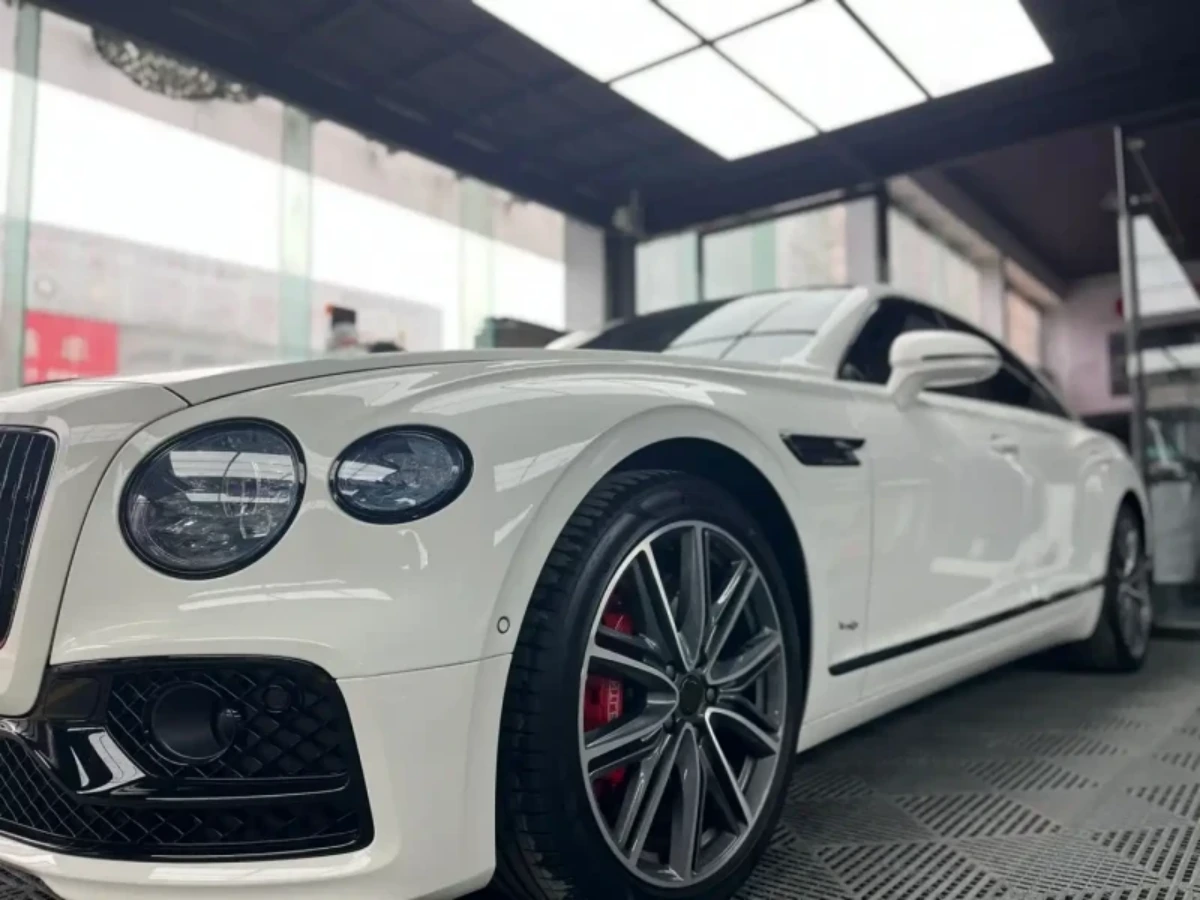
The extension of PPF’s functions:
- Before: Front license plate bracket with rust and paint loss; After: PPF covers bracket edges, hiding rust and preventing water from worsening corrosion.
- Before: Rear wiper blade pivot point with rust; After: PPF seals the pivot, covering rust and preventing water from accelerating corrosion.
- Before: Antenna base with rust spreading to surrounding paint; After: PPF seals the base, covering rust and preventing moisture from worsening corrosion.
- Before: Tailgate handle with paint worn from repeated use; After: PPF wraps the handle, covering wear patterns and maintaining grip without damage.
- Before: Wheel center caps with faded logos and scratches; After: Clear PPF covers caps, preserving logos and resisting scratches from cleaning.
- Before: Side skirts with scrapes from curbs and speed bumps; After: Thick PPF hides scrapes and absorbs impact energy, preventing new damage on low-hanging parts.
- Before: Faded red paint with uneven color from UV exposure; After: UV-blocking PPF revives depth and uniformity, making the color pop like fresh factory paint.
- Before: Front license plate frame with rust staining; After: PPF covers frame edges, hiding stains and preventing rust from spreading to bumper paint.
- Before: Under-hood battery terminals with corrosion staining nearby; After: PPF covers surrounding area, hiding stains and protecting against acid damage.
How TPU Redefines PPF:
- Solar Reflection – TPU’s heat-reflective topcoats redefined PPF from heat-absorbing covers to cooling solutions reducing interior temperatures by 5–8°C.
- Anti-Static Properties – Carbon-infused TPU redefined PPF from dust-attracting films to static-dissipating solutions reducing dirt buildup.
- Global Regulatory Compliance – TPU’s meet REACH, FDA, and OEM standards redefined PPF from region-limited products to globally marketable solutions.
- Pet-Friendly Protection – TPU’s scratch resistance redefined PPF from delicate films to pet-safe solutions withstanding claws and fur on family vehicles.
- Low-Labor Requirements – TPU’s forgiving installation redefined PPF from skilled-labor-dependent products to accessible services requiring less training.
- Adhesive Innovation – TPU’s low-tack yet strong adhesives redefined PPF from permanent-only films to removable options safe for lease vehicles.
- Safety Enhancement – TPU’s impact absorption redefined PPF from cosmetic protectors to safety features reducing debris-related damage in accidents.
- Optical Clarity – High-transparency TPU redefined PPF from slightly hazy covers to invisible barriers preserving paint’s original appearance.
- High-Pressure Wash Safe – TPU’s strong adhesion redefined PPF from hand-wash-only films to pressure washer-compatible protectors simplifying cleaning.
The cost structure and price composition of PPF:
- Supply Chain Premiums – Post-pandemic, material shortages increased prices by 10–15% in 2023–2024.
- Currency Fluctuation Impact – Dollar/Euro volatility adds 3–5% price variability for cross-border transactions.
- Installation Training Costs – Certified installer programs add $50–$100 per vehicle to cover technician certification.
- Long-Term Contract Discounts – 3–5 year fleet contracts reduce per-vehicle costs by 10–15% via guaranteed volume.
- Insurance Partnerships – Bundling with auto insurance reduces customer costs by 5–10% via insurer subsidies.
- Insurance Costs – Liability coverage for installation errors adds 2–3% to service prices.
The horizontal comparison of PPF with other protection methods:
- PPF vs. Clear Bra (Old-Generation) – Modern PPF offers self-healing and flexibility, outperforming rigid old-gen clear bras that crack in cold weather and lack repair abilities.
- PPF vs. Truck Bed Liners – Liners protect cargo areas from heavy impacts, while PPF shields exterior panels from road debris, with distinct application zones and purposes.
- PPF vs. Rubber Sealants – Rubber sealants protect gaskets from drying but have no role in paint protection, highlighting PPF’s focus on exterior surfaces.
- PPF vs. Paint Sealant Sprays – Sealant sprays offer 6–9 months of UV protection but no scratch defense, while PPF combines both for extended durability.
- PPF vs. Wax Sprays – Wax sprays enhance gloss for 2–4 weeks but offer no scratch protection, while PPF provides long-term defense with minimal maintenance.
- PPF vs. Graphite Coatings – Graphite coatings reduce friction on metal parts but don’t protect paint, unlike PPF which shields exterior surfaces from physical damage.
- PPF vs. Anti-Graffiti Coatings – Anti-graffiti treatments focus on easy stain removal, while PPF adds physical barrier defense against scratches from graffiti tools.
- PPF vs. Silicone Coatings – Silicone coatings repel water but degrade quickly (1–2 years) under UV exposure, whereas PPF maintains hydrophobicity for 5 years with UV stabilizers.
- PPF vs. Paint Correction – Paint correction fixes existing swirls/scratches, while PPF prevents future damage, with PPF often applied post-correction to preserve results.
The differentiated user group needs matching of PPF:
- Vintage Airplane Owners – Opt for aviation-grade PPF that protects aluminum surfaces from corrosion and UV damage during storage and display.
- Beachside Rental Car Fleets – Choose sand-resistant PPF with enhanced hydrophobicity, reducing cleaning time between rentals in coastal areas.
- Matte Paint Owners – Select matte-specific PPF (20–30% gloss) to preserve texture without altering the factory matte finish or causing shine spots.
- Food Truck Operators – Need grease-resistant PPF for exterior surfaces, simplifying cleanup of food splatters and road grime.
- Disaster Response Vehicles – Require durable PPF that withstands harsh conditions, protecting paint from debris during flood or wildfire relief.
- Forestry Service Trucks – Need debris-resistant PPF for cabs and beds, withstanding tree branches and wood chips during forest management.
AUTOLI(CN) PPF(Paint Protection Film) manufacturer
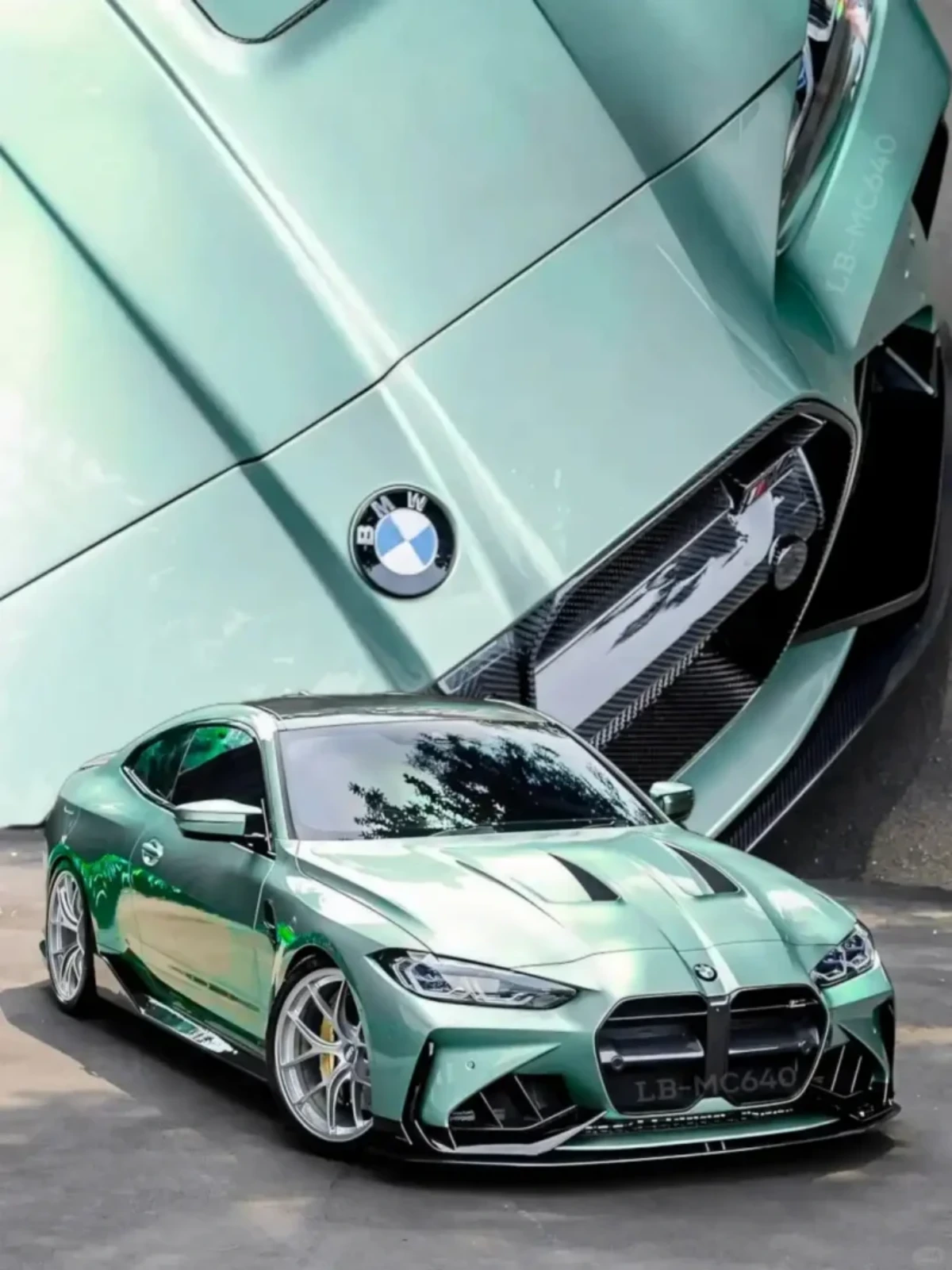
autoli TPU PPF Applied to all brand car models as mini、binli、Rolls-Royce、mini.Our factory cooperates with ppf installation、AutoZone、Auto Detailing and all so in many countries and regions around the world,like Slovenia,Canada,Pakistan,Philippines,Spain,Belgium,Warranty: 10 years.Our advantages:Large stock of styles for you to choose from;Your Key to Profitable PPF Ventures;Strict quality control system.Our factory also provides vinyl car wrapping、Car Wrap Vinyl.