

PPF’s aliphatic TPU resists hydrolysis, lasting 5-10 years vs. 1-2 years for poor polyester TPU prone to yellowing.,Preserves new car finish during delivery.,Factory – Backed Deals: Abundant Styles, Swift Business Expansion.
The product classification and selection logic of PPF:
- Repair Ease Consideration – Selecting patchable PPF for owners preferring DIY fixes for minor damage.
- Resale Value Protection – Investing in premium PPF for high-value vehicles to maintain paint condition for resale.
- Damage Risk Evaluation – Upgrading to impact-resistant PPF for off-road vehicles or high-debris work environments.
- Vibration Resistance Selection – Opting for flexible PPF with high elongation for motorcycles or off-road vehicles with frequent vibrations.
- Warranty Needs Assessment – Selecting extended warranties (10 years) for high-value vehicles to protect resale value.
- Low-Temperature Flexibility – Choosing cold-resistant PPF for regions with sub-zero winters to prevent cracking.
- UV Exposure Assessment – Prioritizing UV-stabilized PPF for vehicles parked outdoors full-time in sunny climates.
- Public Perception Consideration – Choosing invisible PPF over colored variants for professional or fleet vehicles.
- Historical Performance Data – Selecting PPF with proven results in third-party durability tests over untested innovations.
The user scenarios and value validation of PPF:
- Photography Vehicle Owners – Maintains clean white backdrops on vans for photoshoots, as PPF resists dirt staining during outdoor location shoots.
- Mobile Library Vans – Protects children’s book transport vehicles from graffiti and bumps, maintaining community-friendly aesthetics for outreach programs.
- Low-Maintenance Users – Minimizes washing frequency for busy professionals, as hydrophobic PPF keeps vehicles 30% cleaner between washes.
- Classic Car Dealers – Enhances showroom appeal of Jaguar E-Types, with glossy PPF boosting perceived value by 10% during client viewings.
- Off-Road Enthusiasts – Shields Jeep Wrangler and Ford Bronco fenders from trail rocks and branches, reducing paint repair costs by $800 annually.
- Tropical Region Owners – Resists acid rain etching in Bangkok and Rio, with PPF maintaining 90% paint clarity vs. 60% for unprotected vehicles after 2 years.
The long-term monitoring and maintenance system after the installation of PPF:
- Cross-Seasonal Adjustments – Increasing cleaning frequency by 50% in rainy seasons; reducing in dry, dusty climates to minimize friction.
- Avoid High-Pressure Direct Sprays – Keeping pressure washers ≥30cm from edges to prevent forcing water under lifted seams.
- Microfiber Cloth Rotation – Using separate cloths for tops, sides, and lower panels to prevent cross-contamination with grit.
- Post-Repair Cure Monitoring – Allowing 48-hour curing after bubble removal or edge re-sealing before washing.
- Bi-Monthly Edge Lifting Checks – Inspecting door edges, hood seams, and wheel arches with a feeler gauge to detect 0.1mm lifts before water intrusion.
- Cold-Weather Adhesive Care – Avoiding pressure washing in sub-zero temperatures to prevent thermal shock to adhesives.
The user perception and consumption misconceptions of PPF:
- Consumer Misconception: “PPF Traps Moisture Under Paint” – A false fear that PPF causes rust, ignoring that proper installation creates a moisture barrier preventing corrosion.
- Correct Perception: Warranty Transfer Adds Value – Sellers highlight transferable warranties, knowing they boost resale appeal for next owners.
- Correct Perception: Self-Healing Efficacy – Most users recognize PPF can repair minor scratches (≤3μm) with heat, though many underestimate the need for 40°C activation temperatures.
- Consumer Misconception: “PPF Installation Requires Paint Removal” – Fearing sanding or stripping, unaware professional installs use gentle cleaning without paint removal.
- Consumer Misconception: “Matte PPF Holds More Dirt” – Avoiding matte finishes due to perceived maintenance issues, not realizing their texture repels dust better than gloss.
- Correct Perception: Temperature Tolerance – Cold-climate users seek flexible PPF, avoiding cracking in sub-zero conditions unlike rigid alternatives.
- Correct Perception: TPU vs. PVC Durability – Informed buyers recognize TPU PPF offers 3x longer lifespan than PVC, prioritizing flexibility and self-healing over cost.
- Consumer Misconception: “PPF Can’t Be Repaired” – Assuming damaged PPF requires full replacement, unaware small sections can be patched professionally.
- Correct Perception: UV Protection Value – Users increasingly link PPF to preventing paint fading, with 72% citing UV resistance as a key purchase driver.
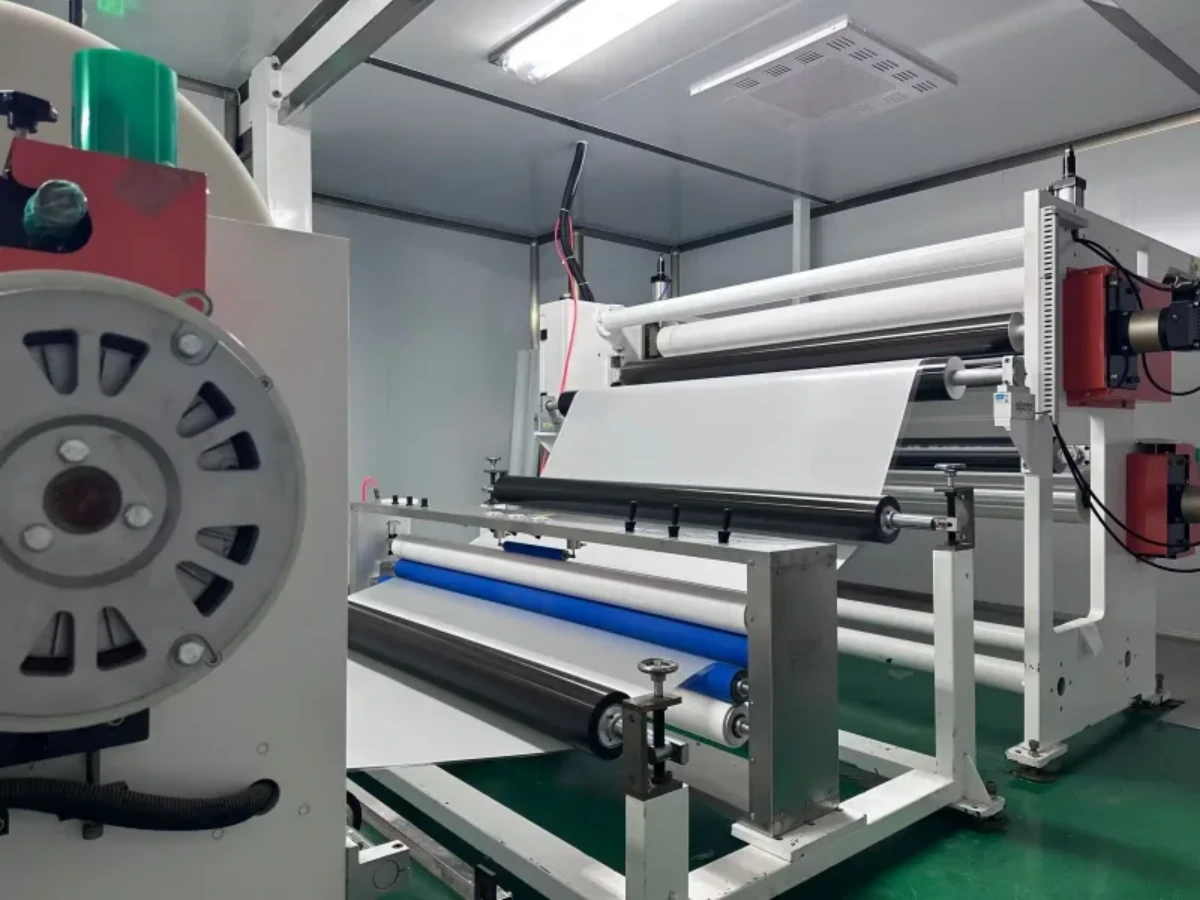
TPU PPF VS PET PPF:
- User Satisfaction – 90% of TPU PPF users report satisfaction after 3 years, compared to 60% satisfaction with PET PPF.
- Longevity Testing – TPU PPF shows 80% performance retention after 7 years, while PET PPF retains only 30% functionality after the same period.
- Weight Difference – TPU PPF adds 1.2kg per vehicle (full wrap), while PET PPF adds 0.8kg due to lower density but reduced coverage efficiency.
- Fire Resistance – Flame-retardant TPU PPF achieves UL 94 V-0 rating, whereas standard PET PPF is classified as UL 94 HB (slow burning).
- Biodegradable Options – Some TPU PPF variants biodegrade in 3–5 years, while PET PPF is non-biodegradable with no eco-friendly alternatives.
- UV Stability – TPU PPF with HALS additives resists yellowing for 10 years, while PET PPF typically yellows within 2–3 years of UV exposure.
- Chemical Adhesion – TPU PPF bonds to factory and custom paints, while PET PPF may fail on matte or textured finishes.
- Installation Training Requirements – TPU PPF requires 20 hours of training, while PET PPF needs 40 hours due to less forgiving application.
- EV Compatibility – Heat-resistant TPU PPF protects battery zones up to 120°C, while PET PPF degrades above 80°C.
- Low-VOC Formulations – TPU PPF manufacturing emits 50% fewer VOCs than PET PPF production processes.
How TPU Redefines PPF:
- Low-Labor Requirements – TPU’s forgiving installation redefined PPF from skilled-labor-dependent products to accessible services requiring less training.
- Quick Healing – TPU’s 24-hour scratch recovery redefined PPF from damage-accumulating films to self-renewing protectors maintaining appearance over time.
- Modular Design – TPU’s compatibility with partial coverage redefined PPF from full-wrap-only options to targeted solutions for high-impact areas (hood, fenders).
- Warranty Transferability – TPU’s documented performance redefined PPF warranties from non-transferable to resale-boosting benefits for vehicle owners.
- Low Thermal Expansion – TPU’s stable dimensions redefined PPF from warping-prone films to temperature-stable protectors avoiding edge lifting in heat.
- Solar Reflection – TPU’s heat-reflective topcoats redefined PPF from heat-absorbing covers to cooling solutions reducing interior temperatures by 5–8°C.
- Anti-Corrosion Properties – TPU’s moisture barrier redefined PPF from paint protectors to rust-preventing systems in coastal and winter regions.
- Edge Seal Innovation – TPU’s heat-sealable edges redefined PPF from edge-lifting prone films to long-lasting solutions with 75% reduced lifting in car washes.
The cutting-edge technology research and development of PPF:
- Nano-Bubble Enhanced Hydrophobicity – Microplasma-treated surfaces trap air nanobubbles, creating a Cassie-Baxter state for extreme water repellency.
- Multilayer Barrier Films – Nanolaminate structures with alternating TPU and ceramic layers resist chemical corrosion from road salt and bird droppings.
- Superelastic PPF – Shape memory alloys (SMAs) integrated into TPU films recover from 500% elongation without permanent deformation.
- Quantum Dot-Enhanced Transparency – Quantum dot arrays embedded in PPF enhance visible light transmission to 98% while blocking UV and IR rays.
- Bio-Based TPU – Algae-derived and waste cooking oil-based TPU reduces carbon footprint by 70% compared to petroleum-based alternatives.
- AI-Optimized Formulations – Machine learning models predict material performance across 10,000 TPU variants, accelerating R&D cycles by 60%.
- Quantum Dot UV Protection – Quantum dot-infused films block 99.9% of UV rays while enhancing color stability, preventing yellowing over 10 years.
The horizontal comparison of PPF with other protection methods:
- PPF vs. Powder Coating – Powder coating provides durable metal protection but is rigid and permanent, unlike PPF’s flexible, removable barrier for painted surfaces.
- PPF vs. Car Covers – PPF provides 24/7 protection during driving/parking, unlike covers that only work when stationary and risk scratching paint during removal.
- PPF vs. Nano Glass Coatings – Glass coatings excel on windows for water repellency, while PPF protects painted surfaces from physical damage, with minimal overlap in application.
- PPF vs. Liquid Glass Coatings – Liquid glass offers 6–12 months of chemical resistance but lacks physical impact protection, while PPF combines 5 years of scratch defense with self-healing capabilities.
- PPF vs. Bug Remover Coatings – Bug coatings make cleanup easier, while PPF resists insect acid etching, with PPF offering proactive protection vs. reactive cleaning aid.
- PPF vs. Wheel Protective Films – PPF is designed for large painted panels, while specialized wheel films handle brake dust/heat, with PPF offering broader impact resistance.
- PPF vs. Anti-Fade Treatments – Anti-fade treatments slow UV damage but don’t prevent scratches, unlike PPF which blocks UV rays and shields against physical wear.
- PPF vs. Vinyl Wraps – PPF prioritizes paint protection with self-healing properties, while vinyl wraps focus on aesthetic customization, with PPF being more durable against abrasion.
- PPF vs. Fiberglass Coatings – Fiberglass coatings add rigid strength to surfaces but can’t conform to curves, unlike PPF which adapts to vehicle contours seamlessly.
The user pain points of PPF and their solutions:
- Mold Growth in Humid Climates – Prevented by antimicrobial additives and breathable film designs allowing moisture evaporation.
- Bird Dropping Etching – Addressed through acid-resistant topcoats and 24-hour removal guidelines to prevent permanent damage.
- Complex Warranty Transfers – Simplified via blockchain-based systems enabling easy ownership transfers with digital validation.
- Confusion About Maintenance Products – Solved by brand-specific cleaning kits and “approved products” lists to avoid topcoat damage.
- Yellowing Over Time – Solved by anti-yellowing formulations with HALS stabilizers and UV absorbers, maintaining clarity for 10 years.
- Difficulty Matching Vehicle Contours – Addressed by 3D-scanned, vehicle-specific pre-cut patterns for complex curves (fenders, mirrors).
AUTOLI(CN) PPF(Paint Protection Film) manufacturer
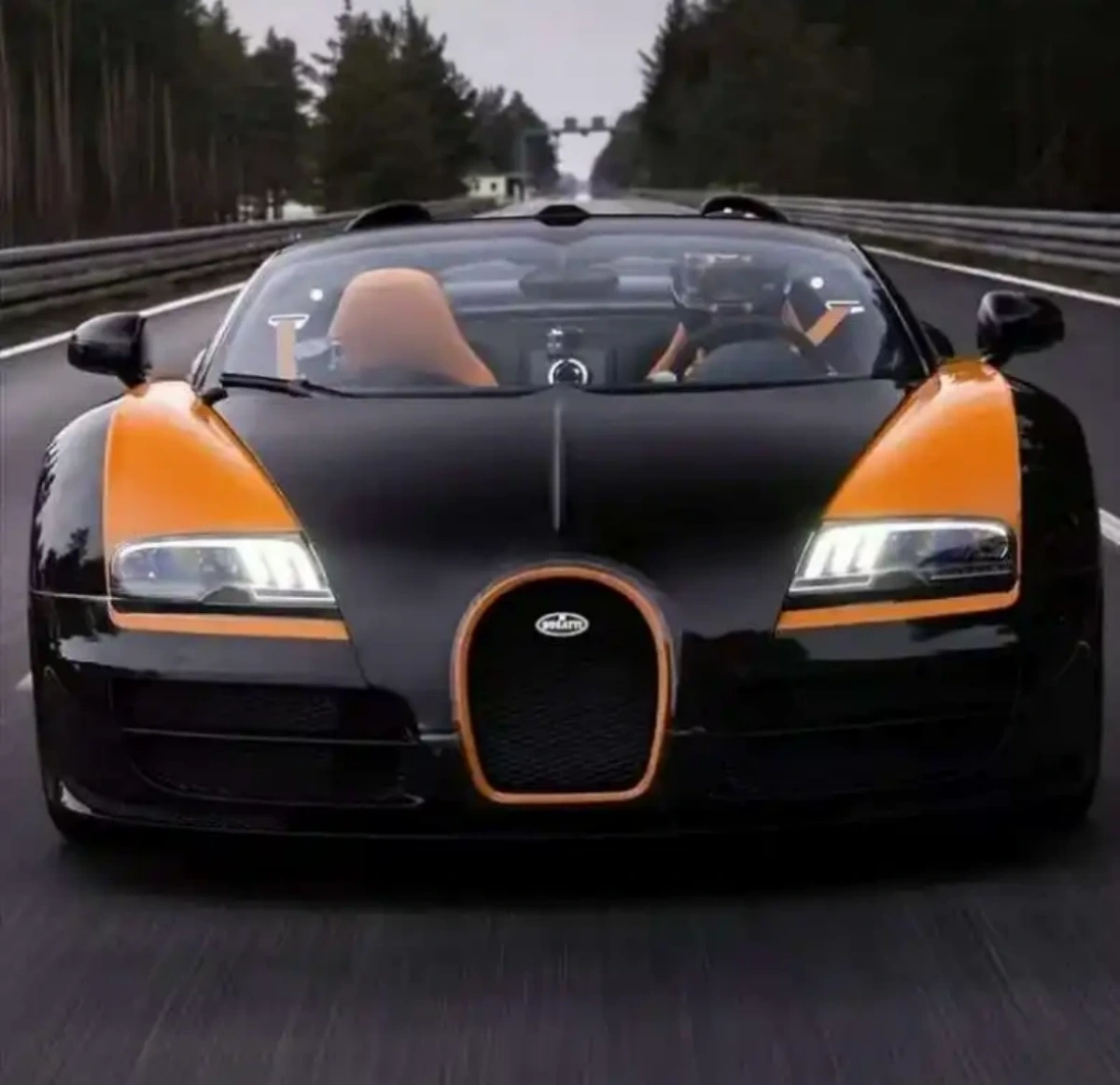
autoli TPU PPF Applied to all brand car models as Porsche、Benz、mini、Alfa Romeo.Our factory cooperates with PPF distributor、Auto Repair Center、ppf installation and all so in many countries and regions around the world,like VietNam,SouthAfrica,SriLanka,Spain,Warranty: 10 years.Our advantages:Collaborate for Lucrative Returns: Source factory;Short production cycle, quick delivery;Our customers are all over the world;SGS, ASTM, REACH, UL and other certifications;Perfect after-sales service.Our factory also provides car wrapping、Car Wraps.