

PPF’s application on fuel doors protects against fingernail scratches from repeated opening/closing.,Shields rocker panels from tire stone chips.,Bulk PPF from Factory: Great Deals for Importers.
The user perception and consumption misconceptions of PPF:
- Consumer Misconception: “DIY Installation Saves Money” – Consumers underestimate skill requirements, with 45% of DIY installs requiring professional correction due to bubbles or misalignment.
- Correct Perception: Professional Installation Worth Cost – 90% of satisfied users attribute results to certified installers, valuing dust-free environments and precision tools.
- Consumer Misconception: “PPF Yellowing Is Visible Immediately” – Expecting instant discoloration, not realizing quality films take 5 years to show subtle yellowing.
- Consumer Misconception: “Thicker PPF = Better Protection” – Assuming 10mil PPF is always superior, ignoring that excessive thickness can cause edge lifting on curved surfaces.
- Correct Perception: Ceramic Coating Synergy – Savvy users pair PPF with ceramic topcoats, enhancing hydrophobicity and scratch resistance by 40%.
- Correct Perception: Impact Absorption Benefits – Off-road enthusiasts correctly rely on PPF to disperse rock impacts, reducing paint chipping by 75%.
- Correct Perception: Multi-Surface Application – Users increasingly apply PPF to headlights and trim, reducing fogging and scratches on high-wear areas.
- Correct Perception: Lease Protection Value – Leaseholders use PPF to avoid $500 end-of-term fees, with 95% passing inspections without paint-related charges.
- Correct Perception: Pre-Cut vs. Hand-Cut Tradeoffs – Users understand pre-cut kits save time, while hand-cut offers better precision on complex curves.
How TPU Redefines PPF:
- Heritage Preservation – TPU’s reversible application redefined PPF from damaging products to safe protectors for classic car original paint during shows and storage.
- Disaster Recovery – TPU’s protection during storms redefined PPF from daily-use products to emergency preparedness tools reducing post-storm repair costs.
- UV Protection Enhancement – TPU infused with UV absorbers redefined PPF from physical protectors to dual-function films preventing paint fading.
- EV Compatibility – Heat-resistant TPU redefined PPF from standard protectors to EV-specific solutions withstanding battery zone temperatures up to 120°C.
- Hydrophobic Integration – TPU compatible with ceramic topcoats redefined PPF from basic protectors to water-repellent systems reducing cleaning needs by 50%.
- Customization Capability – TPU’s laser-cuttable nature redefined PPF from generic sheets to vehicle-specific kits with precision fits for complex curves.
The product classification and selection logic of PPF:
- Pattern Complexity Matching – Opting for laser-cut PPF for vehicles with intricate contours (sports cars, classics).
- Saltwater Exposure Protection – Choosing marine-grade PPF for coastal vehicles to resist salt-induced corrosion.
- Budget-Driven Selection – Prioritizing economy-tier PPF for cost-sensitive buyers, balancing protection with affordability.
- Weathering Resistance Needs – Selecting multi-layer PPF with ceramic topcoats for extended hydrophobicity in rainy regions.
- Multi-Surface Compatibility – Selecting PPF safe for paint, plastic, and chrome to enable full-vehicle protection with one product.
- Abrasion Resistance Needs – Upgrading to ceramic-infused PPF for high-traffic areas (door handles, step plates).
The environmental protection and sustainability of PPF:
- Reduced Vehicle Weight Impact – Lightweight PPF (6–10mil) adds minimal weight, avoiding increased fuel consumption compared to heavier protective alternatives.
- Eco-Friendly Certification – PPF meeting ECOCERT or UL Environment standards verifies reduced environmental impact across product lifecycles.
- Carbon-Negative Initiatives – Brands invest in reforestation, sequestering 1.2x more CO? than their production emits annually.
- Solvent-Free Adhesives – Water-based adhesives eliminate VOC emissions during production and installation, meeting EU REACH and California CARB standards.
- WEEE Directive Compliance – PPF recycling aligns with EU WEEE standards, ensuring proper disposal of polymer waste to prevent soil contamination.
- Renewable Raw Materials – TPU derived from castor oil or sugarcane reduces reliance on petroleum, with 30% lower carbon footprint than conventional TPU.
- Water Conservation in Production – Closed-loop water systems in manufacturing reduce freshwater usage by 70%, limiting strain on local water resources.
The differentiated user group needs matching of PPF:
- Vintage Scooter Collectors – Use ultra-thin 5mil PPF to conform to curved fenders and fuel tanks, preserving retro paint jobs from scratches.
- Senior Living Community Shuttles – Need scratch-resistant PPF on step plates and door handles, enduring frequent passenger entry/exit.
- DIY Enthusiasts – Prefer pre-cut PPF kits with air-release adhesives for bubble-free application without professional tools or training.
- Mobile Library Vans – Prefer child-friendly scratch-resistant PPF, withstanding frequent door slams and book cart impacts during outreach.
- Mobile Bookstore Vans – Select scratch-resistant PPF for door edges, withstanding frequent customer entry/exit and book cart impacts.
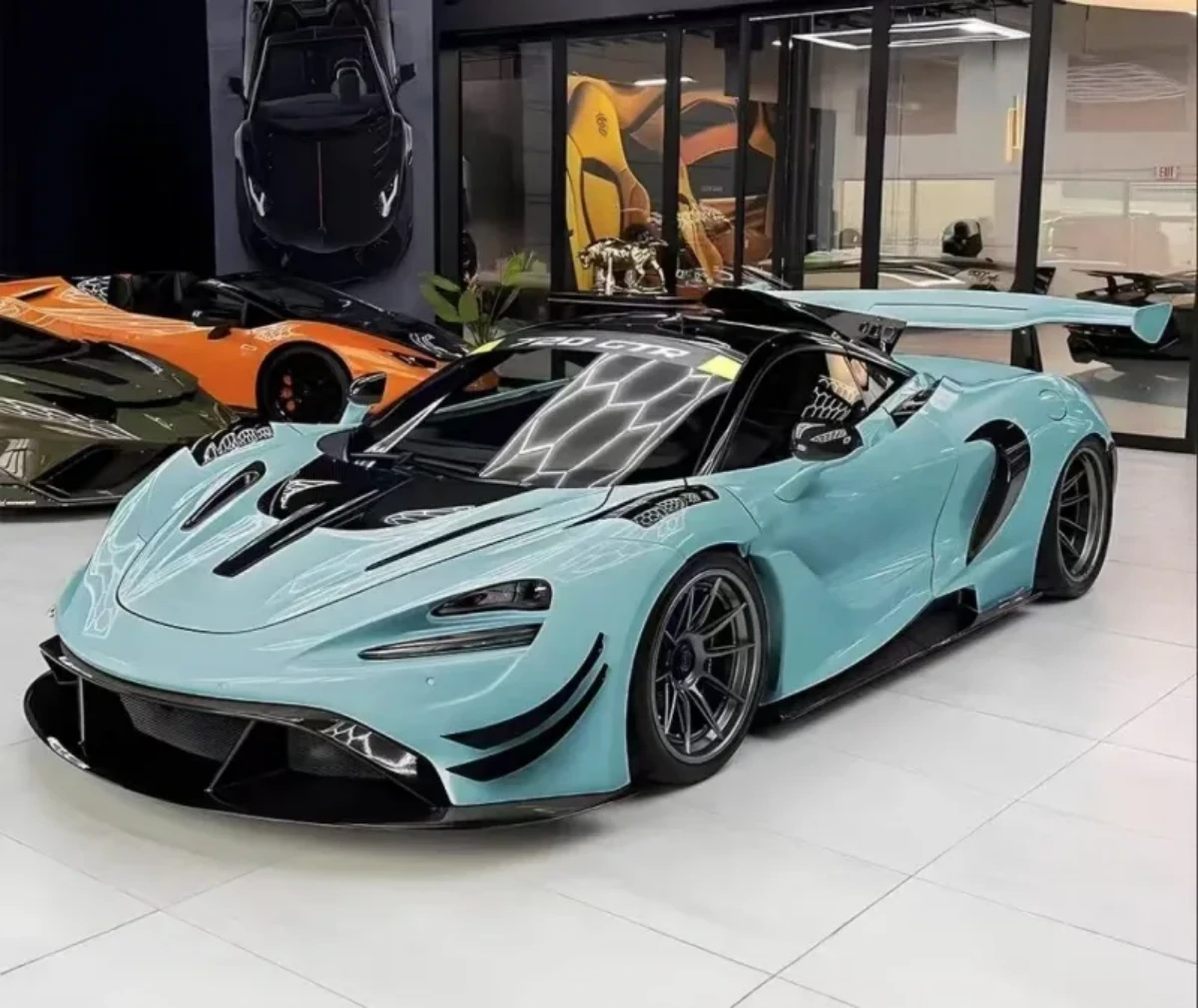
TPU PPF VS PET PPF:
- Heat Dissipation – TPU PPF’s thermal conductivity reduces under-hood temperatures by 3–5°C, while PET PPF traps 10% more heat.
- Low-VOC Formulations – TPU PPF manufacturing emits 50% fewer VOCs than PET PPF production processes.
- Moisture Barrier – TPU PPF prevents water intrusion for 72 hours, while PET PPF allows moisture penetration after 24 hours at edges.
- Removability – TPU PPF peels cleanly after 5 years, whereas PET PPF often leaves adhesive residue requiring professional removal.
- Edge Sealing Options – TPU PPF accepts heat sealing for permanent edges, while PET PPF requires adhesive sealants that degrade faster.
- Impact Indication – Some TPU PPF uses color-changing layers to show hidden damage, a feature unavailable in PET PPF.
- Multi-Layer Construction – TPU PPF integrates adhesive, core, and topcoat layers seamlessly, while PET PPF layers delaminate 2x more frequently.
- Fire Resistance – Flame-retardant TPU PPF achieves UL 94 V-0 rating, whereas standard PET PPF is classified as UL 94 HB (slow burning).
- High-Speed Performance – TPU PPF resists stone chips at 120km/h, while PET PPF fails at 80km/h in highway tests.
The market trends and industry changes of PPF:
- Regional Finish Preferences – Matte PPF dominates Europe (45% of sales) while glossy finishes lead in North America (60%), reflecting aesthetic cultural differences.
- Integration of Ceramic Coatings – PPF-safe ceramic coatings applied post-installation (e.g., Onyx PPF Nano Coat) boost scratch resistance by 40%, creating hybrid protection solutions.
- Tropical UV Protection Boost – Films for equatorial regions include 5% more UV absorbers, extending anti-fading performance by 3 years in intense sunlight.
- Heat-Activated Self-Healing Advancements – Next-gen TPU films activate self-healing at lower temperatures (45°C), repairing 98% of micro-scratches within 8 minutes, enhancing consumer appeal.
- Subscription-Based PPF Services – Startups offer monthly PPF maintenance subscriptions, including cleaning and inspections, with 20% renewal rates after the first year.
- Cross-Industry Collaborations – Material suppliers (e.g., Lubrizol) are partnering with PPF manufacturers to develop specialized films for extreme climates, such as heat-resistant variants for desert regions.
The cost structure and price composition of PPF:
- Raw Material Costs – TPU resin constitutes 35–45% of total production costs, with premium grades (self-healing) costing 2x standard TPU.
- Mid-Range Price Points – 8mil self-healing PPF sells for $8–$12 per square foot, balancing quality and affordability.
- Export Pricing Adjustments – FOB prices 10–15% lower than domestic to remain competitive in global markets.
- Research & Development – New formulations (e.g., anti-yellowing) add 2–4% to unit costs but enable 10–15% price premiums.
- Aftermarket Service Margins – Maintenance kits (cleaners, sealants) carry 60–70% margins, boosting overall profitability.
- Recycled Material Savings – 30% recycled TPU blends reduce raw material costs by 8–12% without significant quality loss.
Say Goodbye to Car Scratches: Self-Healing PPF Revealed!:
- Family cars stay presentable as scratches from children’s toys or pet claws heal quickly, even with daily use.
- Consistent repair quality across flat and curved panels ensures your entire vehicle maintains a flawless appearance.
- Sunlight, engine heat, or even a hair dryer triggers the healing process, with most minor scratches vanishing within 24 hours of temperature exposure.
- Self-healing PPF works with ceramic topcoats, combining water repellency with scratch repair for enhanced protection.
- TPU’s molecular structure “remembers” its original form, reforming even after repeated minor damage over time.
- Matte finish owners get scratch repair that preserves texture, avoiding glossy spots from traditional polishing.
- Hard-to-reach areas like wheel arches and bumper edges receive the same healing benefits, ensuring uniform appearance across your vehicle.
AUTOLI(CN) PPF(Paint Protection Film) manufacturer
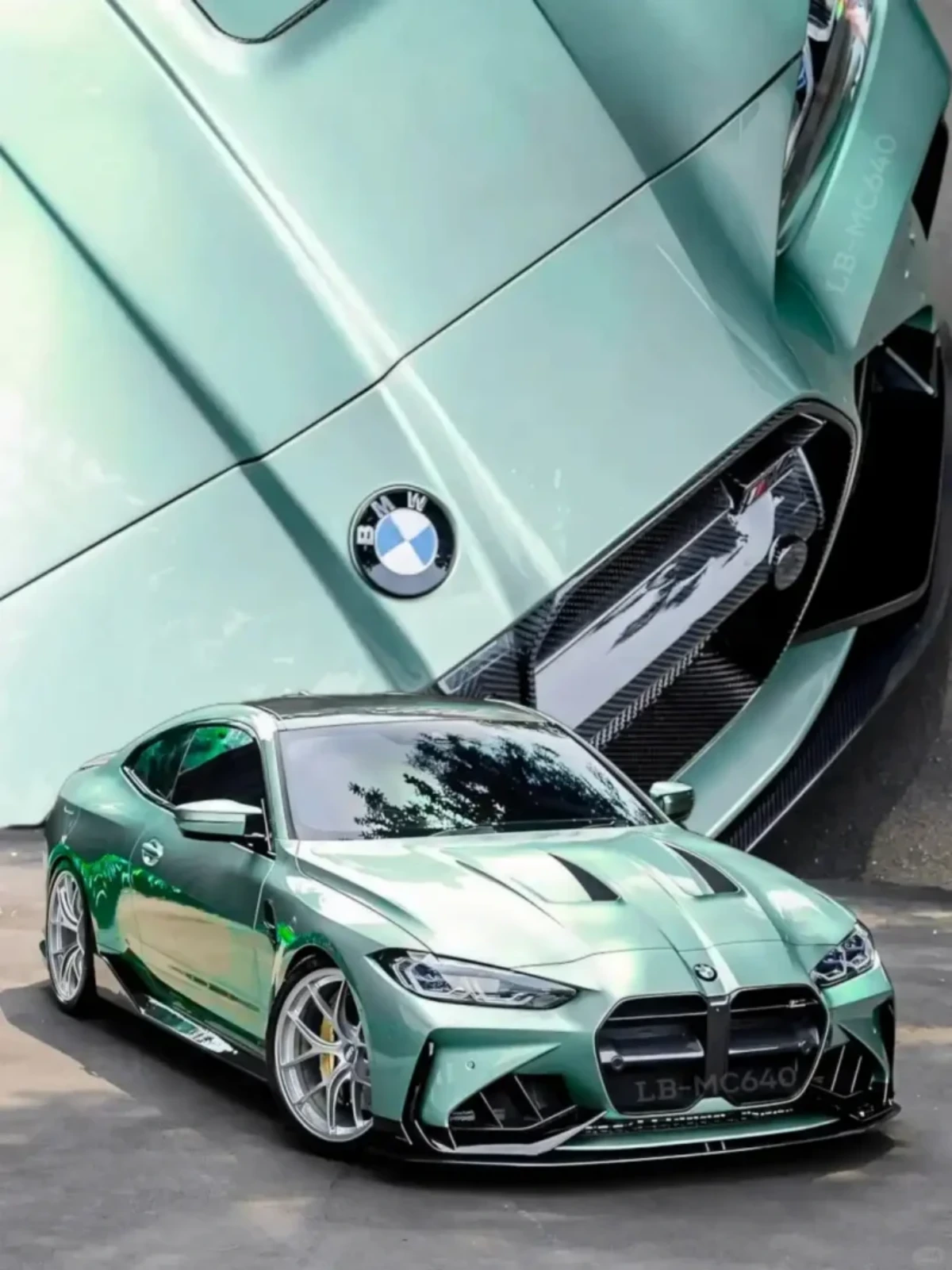
autoli TPU PPF Applied to all brand car models as ford、Ferrari、Alfa Romeo、Maserati、Volkswagen、Nissan.Our factory cooperates with Car Customization Shop、Auto Spa、AutoZone and all so in many countries and regions around the world,like Turkey,Iran,Malaysia,India,Warranty: 10 years.Our advantages:Your Key to Profitable PPF Ventures;High quality raw materials and advanced technology;Large stock of styles for you to choose from;Raw material purchasing advantage.Our factory also provides Window Film、car wrapping、Car Wrap.