

PPF safeguards car paint from stone chips and scratches via durable TPU, absorbing over 90% of daily impact energy to preserve the original finish.,Reduces insurance claims for minor damage.,Collaborate for Profit Riches: Factory – Made PPF, Skyrocketing Your Profit Scale.
Before & After: How PPF Transforms a 10-Year-Old Car:
- Before: Hood insulation with paint stains from oil leaks; After: PPF on adjacent metal covers stains and creates a barrier against future leaks.
- Before: Fender flare mounting screws with rust around heads; After: PPF covers screw heads, hiding rust and preventing water from worsening corrosion.
- Before: Front bumper parking sensor housings with paint chipping; After: PPF covers housings, hiding chips and preventing debris from damaging sensors.
- Before: A 10-year-old car shows extensive swirl marks and sun fade; After: PPF application hides defects and restores 90% of original gloss, making it look 5 years newer.
- Before: Wheel well liners with paint transfer from tires; After: PPF lines liners, hiding transfer and preventing rubber from damaging paint further.
- Before: Under-hood fuse box cover with faded plastic; After: Interior PPF covers plastic, restoring color and protecting against oil and dust damage.
- Before: Hood insulation clips with rust staining surrounding paint; After: PPF covers clip areas, hiding stains and preventing rust from spreading.
The construction and maintenance of PPF:
- Storage Protection – Covering vehicles with breathable car covers in storage prevents dust buildup and UV overexposure.
- Edge Sealing – Heat-sealing edges with a microfiber cloth prevents moisture ingress and future lifting in car washes.
- Edge Lifting Fix – Applying heat (60–80°C) and pressing edges with a microfiber cloth restores adhesion if lifting occurs.
- Post-Repair Curing – Allowing 24 hours after minor repairs (e.g., bubble removal) before washing to ensure adhesion.
- Dust Mitigation – HEPA filters and air ionizers in the workspace reduce dust particles that cause bubbles or imperfections.
The market trends and industry changes of PPF:
- Cross-Industry Collaborations – Material suppliers (e.g., Lubrizol) are partnering with PPF manufacturers to develop specialized films for extreme climates, such as heat-resistant variants for desert regions.
- Social Proof-Driven Sales – 65% of consumers cite online reviews and before/after videos as key factors in PPF brand selection, fueling influencer marketing growth.
- IoT-Enabled Performance Monitoring – Smart PPF prototypes with embedded sensors are being tested to monitor UV exposure and damage levels, providing real-time data for predictive maintenance.
- Data-Driven Marketing Strategies – Brands are using AI analytics to identify regional demand patterns, tailoring product launches (e.g., anti-yellowing films for high-sun areas) to specific markets.
- Automation in Production Processes – Laser cutting technologies (e.g., GCC RX II) with 600g cutting force enable precise, waste-reducing PPF customization, improving material utilization efficiency to 94%.
- Standardization of Installation Training – Industry-wide certifications (e.g., XPEL’s Accredited Installer Program) ensure consistency in application techniques, reducing warranty claims due to improper installation.
- Circular Economy Initiatives – Closed-loop recycling programs for end-of-life PPF are being piloted, with companies like MBA Polymers achieving 80% carbon reduction in recycled PP production.
- Subscription-Based PPF Services – Startups offer monthly PPF maintenance subscriptions, including cleaning and inspections, with 20% renewal rates after the first year.
- Maintenance App Ecosystems – Brands like XPEL offer apps with PPF care reminders and digital warranty tracking, boosting customer retention by 28%.
The extension of PPF’s functions:
- Before: Tailgate hinge areas with paint worn from movement; After: PPF covers hinges, hiding wear and reducing friction during tailgate operation.
- Before: Side marker lights with cracked lenses from impacts; After: PPF’s impact absorption covers minor cracks and prevents lens breakage.
- Before: Tailgate with faded decals and paint transfer from loading; After: PPF covers decals to preserve them and resists paint transfer, maintaining graphics.
- Before: Rear bumper step pad with paint worn away; After: PPF adds protective layer, hiding bare spots and resisting future wear from stepping.
- Before: Side skirts with scrapes from curbs and speed bumps; After: Thick PPF hides scrapes and absorbs impact energy, preventing new damage on low-hanging parts.
- Before: Door window trim with peeling black paint; After: PPF’s color-stable film covers trim, restoring uniform appearance and preventing further peeling.
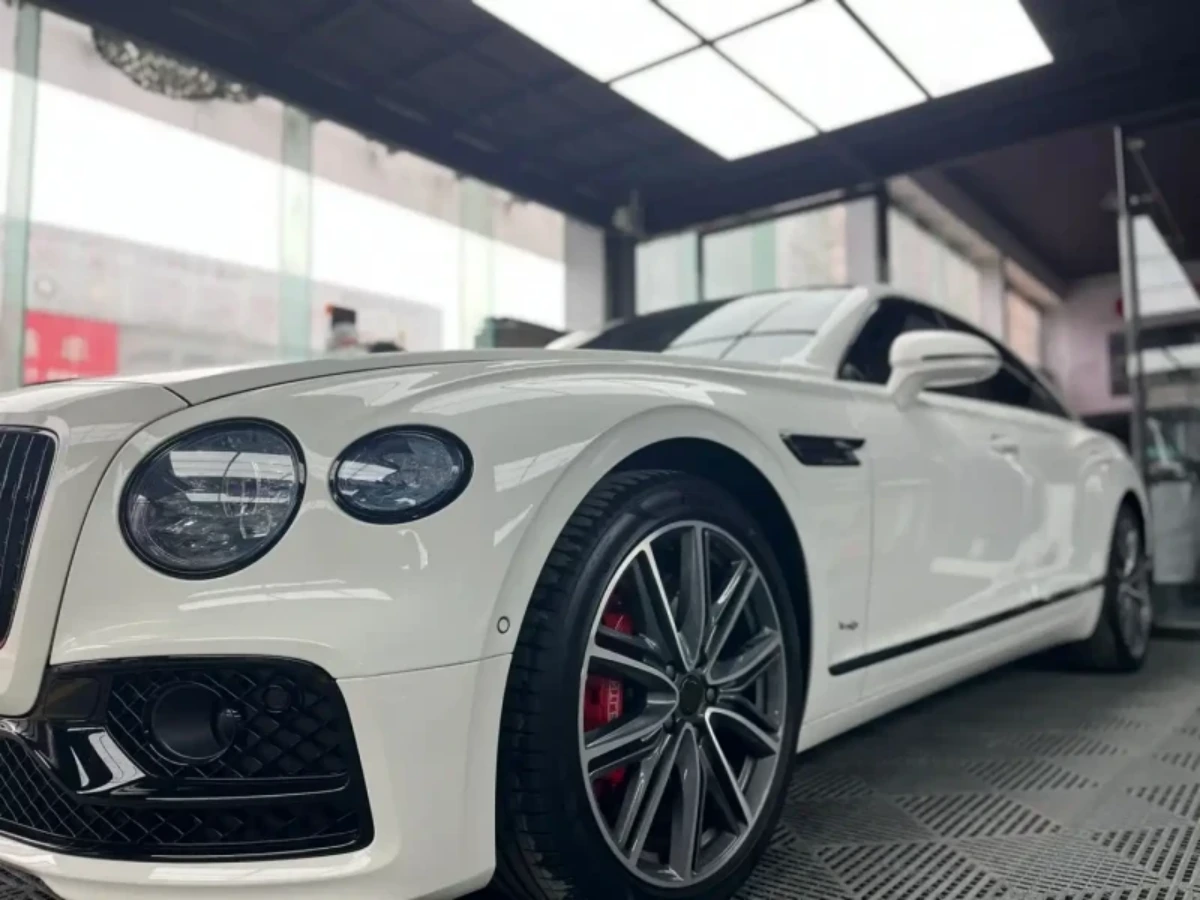
The protective performance of PPF:
- Environmental Friendliness – Recyclable TPU materials and solvent-free adhesives reduce ecological impact during production and disposal.
- Self-Healing in Low-Temperature Conditions – Advanced films like CarPro Immortal? activate self-healing even at -20°C without external heat.
- 10-Year Warranty Coverage – Protects against yellowing, cracking, delamination, and bubbling for decade-long peace of mind.
- **Preservation of Resale Value** – A vehicle with well – protected paint due to PPF is likely to have a higher resale value as the paint remains in better condition compared to non – protected vehicles.
- Chemical Resistance – Resists damage from acids, oils, solvents, and corrosive substances like road salt and industrial pollutants.
- Efficient Installation Process – Pre-cut kits and dry/wet application methods reduce installation time by 30% compared to traditional wraps.
- High Clarity – Maintains the vehicle’s original paint color and gloss without distortion or yellowing over time.
The horizontal comparison of PPF with other protection methods:
- PPF vs. Wheel Protective Films – PPF is designed for large painted panels, while specialized wheel films handle brake dust/heat, with PPF offering broader impact resistance.
- PPF vs. Anti-Static Sprays – Sprays reduce dust attraction temporarily, while PPF’s anti-static properties last for years, with both aiding cleanliness but PPF offering more durability.
- PPF vs. Chassis Undercoating – Undercoating protects metal from rust, while PPF defends visible painted surfaces from chips, with both addressing different vehicle vulnerability areas.
- PPF vs. Chrome Polish – Chrome polish removes tarnish but doesn’t prevent future damage, while PPF on chrome trims resists scratches and maintains shine long-term.
- PPF vs. Silicone Coatings – Silicone coatings repel water but degrade quickly (1–2 years) under UV exposure, whereas PPF maintains hydrophobicity for 5 years with UV stabilizers.
- PPF vs. Anti-Fade Treatments – Anti-fade treatments slow UV damage but don’t prevent scratches, unlike PPF which blocks UV rays and shields against physical wear.
- PPF vs. Rubberized Undercoating – Undercoating protects metal from rust, while PPF defends painted surfaces from road debris, with non-overlapping application zones.
- PPF vs. Anti-Corrosion Sprays – Sprays inhibit rust on bare metal but don’t protect paint, whereas PPF blocks corrosion triggers (salt, moisture) from reaching painted surfaces.
- PPF vs. Stone Guard Films (Thin) – Thin stone guards protect against small debris but lack self-healing, while PPF handles larger impacts and repairs minor damage automatically.
TPU PPF VS PET PPF:
- DIY Friendliness – TPU PPF’s forgiving installation suits DIY users, whereas PET PPF’s rigid nature makes professional installation advisable.
- Production Waste – TPU PPF manufacturing generates 25% less waste than PET PPF production processes.
- Wear Pattern Distribution – TPU PPF distributes wear evenly across surfaces, whereas PET PPF shows concentrated wear in high-traffic areas.
- User Satisfaction – 90% of TPU PPF users report satisfaction after 3 years, compared to 60% satisfaction with PET PPF.
- Pressure Washing Resistance – TPU PPF withstands 2,000 psi pressure washes, while PET PPF lifts at edges above 1,500 psi.
- Modular Repair Compatibility – TPU PPF allows seamless patch repairs, while PET PPF patch edges are visibly distinct from original film.
The differentiated user group needs matching of PPF:
- SUV Owners – Prefer full-coverage 8–9mil PPF with reinforced wheel arches to protect larger surfaces from off-road debris and parking scrapes.
- Wildlife Research Vehicles – Choose low-gloss PPF that reduces vehicle visibility to animals, while protecting paint from brush and mud in remote areas.
- Limousine Services – Select mirror-finish PPF for black exteriors, minimizing swirl marks from frequent client pickups and drop-offs.
- Mobile Pet Grooming Vans – Select water-resistant PPF for exteriors, simplifying cleanup of pet hair, water, and grooming product splatters.
- Desert Off-Road Racers – Require sand-resistant PPF with anti-abrasion topcoats, preventing paint damage from blowing sand during races.
- Classic Car Auction Transport – Use temporary protective PPF for transit, shielding vehicles from road debris during transport to auctions.
The production supply chain and quality control system of PPF:
- Low-Temperature Flexibility – Testing at -40°C to ensure no cracking or brittleness in cold climates.
- Impact Resistance Validation – Dart impact tests (160g at 3m) ensuring films resist punctures under standard conditions.
- Regulatory Compliance Support – Suppliers providing documentation for REACH, FDA, and OEM material approvals.
- Machine Vision Inspection – High-resolution cameras detecting micro-defects (≥20μm) in TPU films during production.
- Packaging Optimization – Collaborative design with logistics firms for space-efficient palletization, reducing transport emissions.
- Strategic Stockpiles – 3–6 month reserves of critical materials during high-demand periods or supply chain disruptions.
- Predictive Maintenance – IoT sensors on production equipment forecasting part failures to prevent unplanned downtime.
AUTOLI(CN) PPF(Paint Protection Film) factory
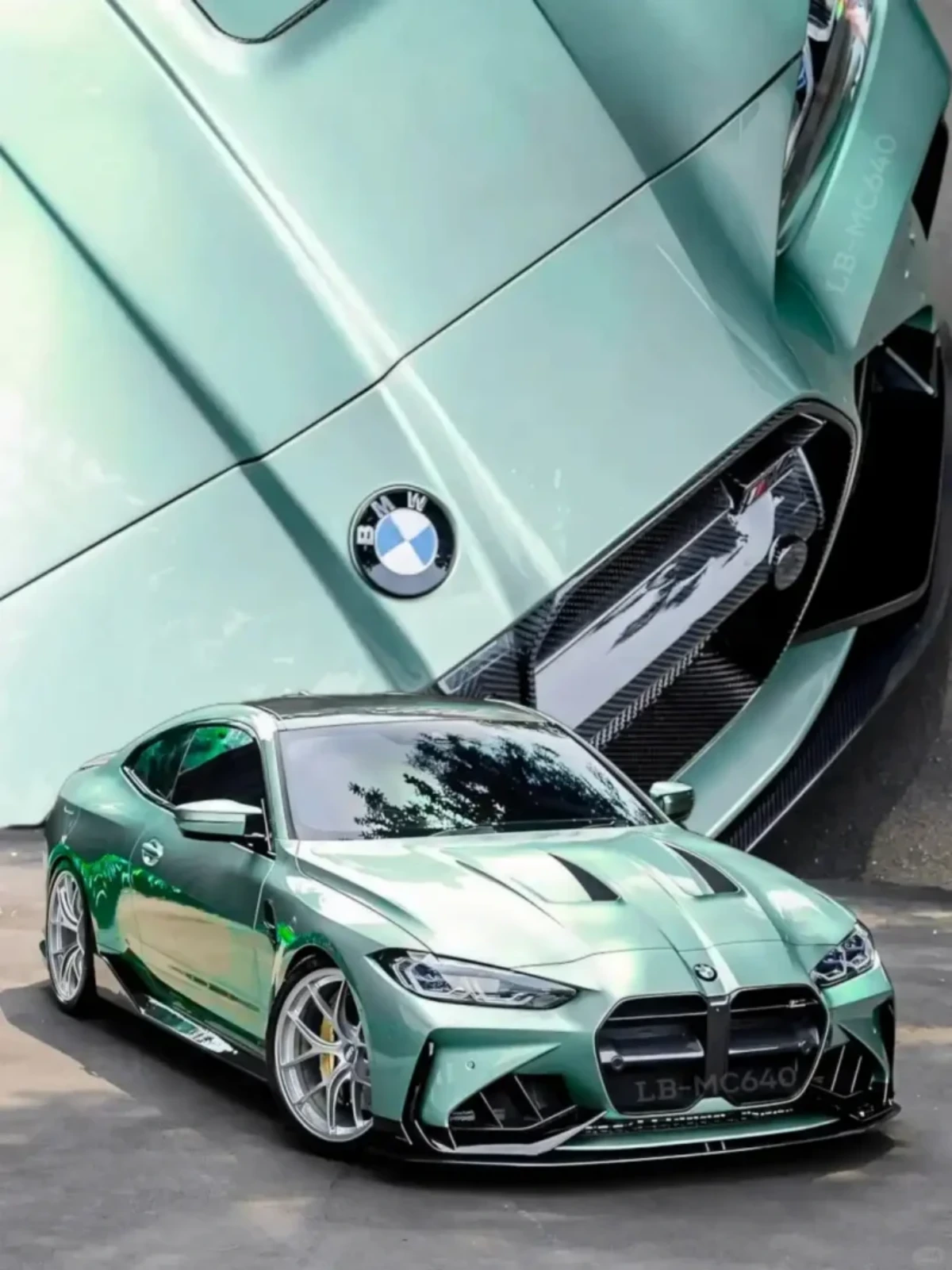
autoli TPU PPF Applied to all brand car models as Tesla、Lamborghini、AstonMartin、Honda.Our factory cooperates with car Detail、PPF wholesale、Auto Spa and all so in many countries and regions around the world,like Finland,Ireland,Paraguay,Luxembourg,Warranty: 10 years.Our advantages:Perfect after-sales service;Strict quality control system;Raw material purchasing advantage;SGS, ASTM, REACH, UL and other certifications;Your Key to Profitable PPF Ventures.Our factory also provides carwraps、vinyl Wrap.