

PPF’s seamless wrapping covers edge gaps, preventing water/ dirt ingress that causes paint peeling under traditional protection.,No aerodynamic impact on vehicle performance.,Hey, Partner with Our Factory! Top – Notch PPF, Broaden Your Business Scope.
The construction and maintenance of PPF:
- Surface Decontamination – Pre-installation cleaning uses clay bars and iron-removing sprays to eliminate embedded contaminants like rail dust.
- Bubble Removal – Puncturing large bubbles with a needle and re-squeegeeing ensures a flawless finish during installation.
- Infrared Curing for Cold Conditions – Low-heat infrared lamps accelerate adhesive setting in workshops below 20°C.
- Tri-Stage Surface Cleaning – Washing, clay barring, and alcohol wipe-downs ensure 99% contaminant removal before PPF application.
- Soft Rubber Squeegees for Curves – Flexible squeegees conform to rounded surfaces like fenders, reducing edge lifting risk during application.
- Pre-Installation Paint Thickness Gauging – Using a paint meter ensures PPF application won’t exceed safe layers on thin factory paint finishes.
Before & After: How PPF Transforms a 10-Year-Old Car:
- Before: Door edge moldings with cracked rubber and exposed paint; After: PPF wraps edges under moldings, hiding exposed areas and preventing water intrusion.
- Before: Fuel door with faded paint from repeated opening/closing; After: PPF covers wear patterns and reduces friction, maintaining a like-new appearance.
- Before: Sunroof surround with cracked paint from thermal expansion; After: Flexible PPF accommodates temperature changes, covering cracks and preventing new ones.
- Before: Side mirror turn signal lenses with scratches; After: Clear PPF covers lenses, hiding scratches and maintaining visibility of turn signals.
- Before: Chrome trims tarnished and pitted from weathering; After: PPF’s protective layer covers corrosion and maintains shine, restoring reflective quality.
- Before: Door edge guards with peeling rubber and exposed paint; After: PPF wraps edges, covering exposed areas and preventing further guard deterioration.
- Before: Matte finish dulled by oxidation and fine scratches; After: Matte-specific PPF preserves texture while restoring vibrancy, eliminating “shiny spots” from wear.
- Before: Door handles with worn paint from repeated use; After: PPF wraps handle cups, covering wear and resisting new scratches from daily use.
Why TPU PPF:
- Custom Rafter Spacing – 400mm–600mm spacing options balance shade coverage and material efficiency.
- Multi-Zone Use – Can cover dining, lounging, and cooking areas in large outdoor spaces.
- Custom Cutouts – Optional decorative laser-cut panels for personalized design elements.
- Easy Assembly – Bolt-together systems enable DIY installation in 1–2 days with basic tools.
- Height Adjustability – Leg extensions allow 2.4m–3.0m height customization for clearance needs.
- Chemical Resistance – Unaffected by pool chemicals, making it ideal for poolside installations.
- Customizable Sizes – Available in standard (3m×4m) to large (6m×10m) dimensions, with modular designs for expansion.
The cutting-edge technology research and development of PPF:
- Dynamic Mechanical Response Coatings – Shape memory polyurethanes with programmable stress-strain curves adapt to impact forces in automotive collisions.
- AI-Driven Material Design – Generative adversarial networks (GANs) create novel TPU formulations with tailored mechanical and thermal properties.
- AI-Optimized Recycling – Machine learning algorithms sort end-of-life PPF by material composition, improving recycling efficiency to 95%.
- AI-Powered Quality Control – Machine vision systems with deep learning algorithms detect sub-micron defects in real-time, achieving 99.9% accuracy in production lines.
- Energy-Efficient Curing – Infrared curing systems reduce energy consumption by 50% compared to convection ovens, aligning with ISO 14001 sustainability standards.
- Smart Sensor Integration – MEMS-based pressure and temperature sensors embedded in PPF monitor impact forces and environmental conditions in real-time.
The long-term monitoring and maintenance system after the installation of PPF:
- Annual Topcoat Thickness Testing – Using coating thickness gauges to ensure topcoat retains ≥80% original thickness.
- Contaminant Identification Guides – Referring to brand charts to distinguish between tar, sap, and paint overspray for proper removal.
- Petroleum Product Avoidance Zones – Keeping PPF away from gasoline, diesel, and motor oil spills that dissolve adhesives.
- Smart Film Data Logging – IoT-enabled PPF recording daily UV doses, temperature fluctuations, and impact events for trend analysis.
- 24-Hour Bird Dropping Protocol – Spraying droppings with water, letting sit 5 minutes, then wiping with microfiber to avoid etching.
- Bi-Monthly Edge Lifting Checks – Inspecting door edges, hood seams, and wheel arches with a feeler gauge to detect 0.1mm lifts before water intrusion.
The product classification and selection logic of PPF:
- Impact Energy Absorption – Prioritizing viscoelastic PPF for highway drivers to reduce stone chip damage at high speeds.
- Installation Tool Compatibility – Choosing PPF optimized for specific tools (squeegees, heat guns) used by installers.
- Application-Specific Lines – Categorized for automotive, motorcycle, marine, or industrial use, each optimized for their environment.
- Long-Term Storage Consideration – Opting for breathable PPF for vehicles in long-term storage to prevent moisture trapping.
- Brand Reputation Consideration – Opting for established brands with proven track records over generic alternatives for reliability.
- User Skill Level Matching – Choosing beginner-friendly PPF with forgiving adhesives for first-time DIY installers.
Before & After: How PPF Transforms a 10-Year-Old Car:
- Before: Door edge moldings with cracked rubber and exposed paint; After: PPF wraps edges under moldings, hiding exposed areas and preventing water intrusion.
- Before: Fuel door with faded paint from repeated opening/closing; After: PPF covers wear patterns and reduces friction, maintaining a like-new appearance.
- Before: Sunroof surround with cracked paint from thermal expansion; After: Flexible PPF accommodates temperature changes, covering cracks and preventing new ones.
- Before: Side mirror turn signal lenses with scratches; After: Clear PPF covers lenses, hiding scratches and maintaining visibility of turn signals.
- Before: Chrome trims tarnished and pitted from weathering; After: PPF’s protective layer covers corrosion and maintains shine, restoring reflective quality.
- Before: Door edge guards with peeling rubber and exposed paint; After: PPF wraps edges, covering exposed areas and preventing further guard deterioration.
- Before: Matte finish dulled by oxidation and fine scratches; After: Matte-specific PPF preserves texture while restoring vibrancy, eliminating “shiny spots” from wear.
- Before: Door handles with worn paint from repeated use; After: PPF wraps handle cups, covering wear and resisting new scratches from daily use.
TPU PPF VS PET PPF:
- Thermal Cycling Performance – TPU PPF survives 500 freeze-thaw cycles, while PET PPF shows cracking after 200 cycles.
- Production Waste – TPU PPF manufacturing generates 25% less waste than PET PPF production processes.
- Gloss Retention – TPU PPF maintains 90% gloss after 5 years, while PET PPF loses 40% gloss within 2 years of outdoor exposure.
- Light Transmission – TPU PPF maintains 98% light transmission for headlights, while PET PPF reduces light output by 5–8%.
- Heat Dissipation – TPU PPF’s thermal conductivity reduces under-hood temperatures by 3–5°C, while PET PPF traps 10% more heat.
- Chemical Resistance – TPU PPF resists bird droppings and road salt for 72 hours, while PET PPF shows etching after 24 hours of exposure.
- Outdoor Storage Performance – TPU PPF-protected vehicles show 70% less fading in outdoor storage, compared to 30% reduction with PET PPF.
- Anti-Fog Properties – Hydrophilic TPU PPF options prevent headlight fogging, a feature absent in PET PPF.
- DIY Friendliness – TPU PPF’s forgiving installation suits DIY users, whereas PET PPF’s rigid nature makes professional installation advisable.
The user perception and consumption misconceptions of PPF:
- Consumer Misconception: “PPF Traps Moisture Under Paint” – A false fear that PPF causes rust, ignoring that proper installation creates a moisture barrier preventing corrosion.
- Correct Perception: Thickness Depends on Use Case – Off-roaders choose 10mil PPF, while daily drivers opt for 8mil to balance protection and flexibility.
- Correct Perception: Warranty Transfer Adds Value – Sellers highlight transferable warranties, knowing they boost resale appeal for next owners.
- Correct Perception: Partial Coverage Value – Many opt for high-impact areas (hood, fenders) over full wraps, balancing protection and cost effectively.
- Consumer Misconception: “Matte PPF Holds More Dirt” – Avoiding matte finishes due to perceived maintenance issues, not realizing their texture repels dust better than gloss.
- Consumer Misconception: “PPF Can Be Applied in Rainy Weather” – Attempting installation in humid conditions, increasing bubble risks due to moisture trapped under film.
- Correct Perception: PPF Preserves Custom Paint Investments – Owners of $5k custom paint jobs use PPF, avoiding costly touch-ups from minor damage.
- Consumer Misconception: “PPF Installation Requires Paint Removal” – Fearing sanding or stripping, unaware professional installs use gentle cleaning without paint removal.
- Correct Perception: Brand Reputation Matters – Discerning buyers choose established brands, associating 3M or XPEL with consistent quality over generic alternatives.
AUTOLI(CN) PPF(Paint Protection Film) oem factory
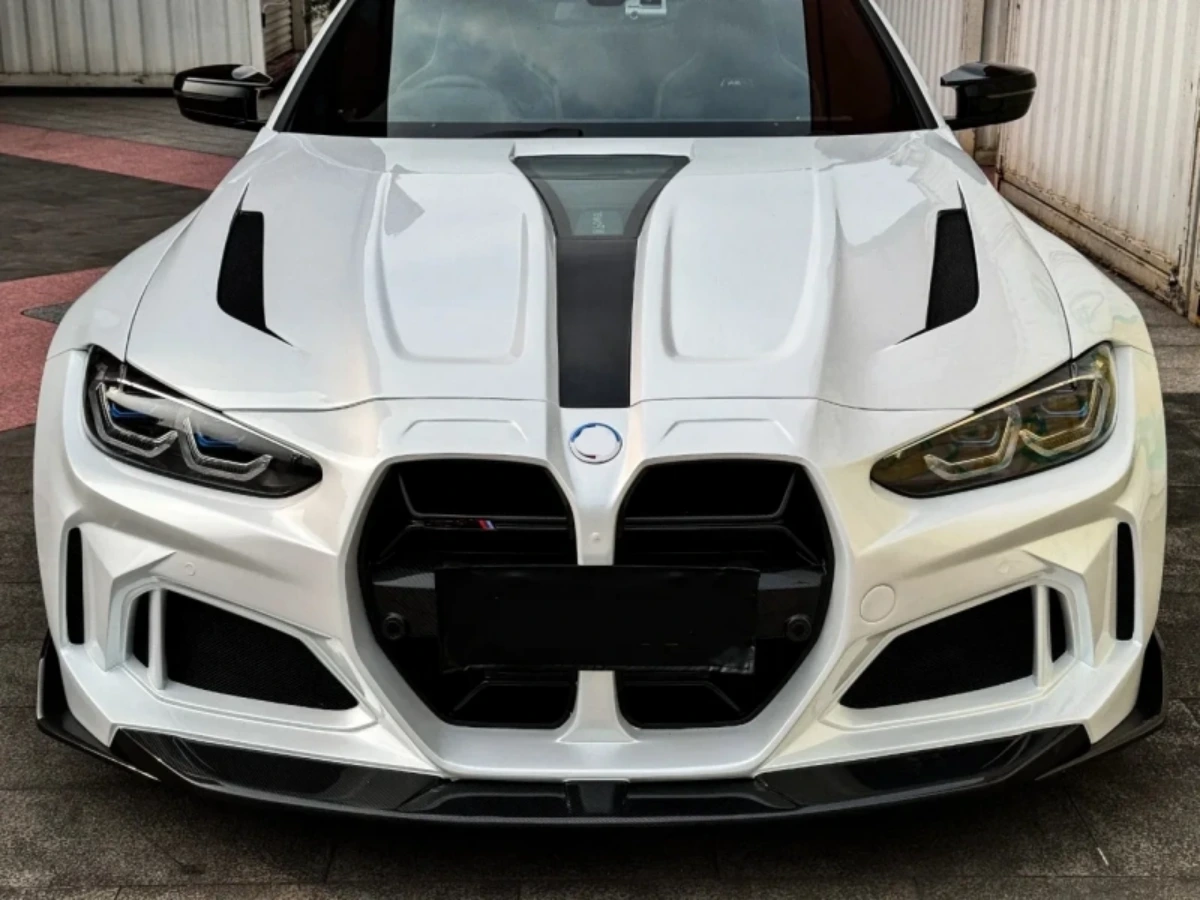
autoli TPU PPF Applied to all brand car models as Porsche、Benz、Honda、Lincoln.Our factory cooperates with ppf installation、PPF agent、AutoZone and all so in many countries and regions around the world,like Ireland,Portugal,Mexico,Holland,Norway,Belgium,Warranty: 10 years.Our advantages:SGS, ASTM, REACH, UL and other certifications;Efficient production reduces costs;Large stock of styles for you to choose from;High quality raw materials and advanced technology;Efficient production reduces costs.Our factory also provides PET FILM、Vinyl wrapping、car wrapping.