

PPF’s longevity means fewer replacements, reducing waste compared to short-lived protective products.,Certified technician application guarantee.,Bridge to Business Greatness: Collaborate with Our Factory’s Certified PPF.
The materials and technologies of PPF:
- Cleanable biomimetic coating technology: By imitating the effect of lotus leaves, a micro-nano uneven structure is designed. This causes water and oil stains to form a rolling effect on the membrane surface, allowing them to naturally slide off and reduce residue.
- Anti-glare optical optimization: Through coating micro-textures, it reduces mirror reflection glare under direct sunlight, maintaining the visual clarity of the original paint color.
- Desert heat resistance: Reflects 85% of infrared radiation, reducing under-film temperatures by 10°C in desert environments.
- Thermal insulation buffer layer design: An elastic buffer layer is added between the substrate and the coating to alleviate the internal stress caused by the thermal expansion and contraction of the material under extreme temperature differences, thereby reducing the risk of cracking.
- Edge-locking micro-groove design: Prevents water ingress and edge lifting through interlocking grooves, backed by 10-year edge retention warranties.
- High-performance adhesive layer technology: Utilizing low initial tack and high final tack pressure-sensitive adhesive, it allows for repeated positioning adjustments during installation. Once cured, it adheres tightly to the vehicle body without de-bonding or leaving residue.
The extension of PPF’s functions:
- Before: Roof antenna with cracked paint from weathering; After: PPF’s flexible layer covers cracks and protects against rain/snow intrusion.
- Before: Side mirror housing gaskets with paint peeling at edges; After: PPF wraps gasket edges, hiding peeling and preventing water from getting under paint.
- Before: Wheel valve stem caps with faded color; After: PPF covers caps, preserving color and resisting scratches from tire pressure checks.
- Before: Door handles with worn paint from repeated use; After: PPF wraps handle cups, covering wear and resisting new scratches from daily use.
- Before: Faded red paint with uneven color from UV exposure; After: UV-blocking PPF revives depth and uniformity, making the color pop like fresh factory paint.
- Before: Rear bumper step pad with paint worn away; After: PPF adds protective layer, hiding bare spots and resisting future wear from stepping.
- Before: Gas cap door with faded paint from sun exposure; After: PPF’s UV protection covers fading and maintains color consistency with the rest of the car.
- Final transformation: A 10-year-old car, once showing decades of wear, looks refreshed and protected with PPF, extending its aesthetic life by 5 years.
- Before: Front license plate bracket with rust and paint loss; After: PPF covers bracket edges, hiding rust and preventing water from worsening corrosion.
The construction and maintenance of PPF:
- Heat Gun Distance Control – Keeping heat guns 15–20cm from edges prevents film shrinkage during edge sealing.
- Avoid High-Pressure Direct Sprays – Keeping pressure washers 30cm from edges prevents water from lifting film edges.
- Edge Lifting Fix – Applying heat (60–80°C) and pressing edges with a microfiber cloth restores adhesion if lifting occurs.
- Post-Cut Edge Deburring – Trimming excess film with a fresh blade removes sharp edges that could catch dirt or lift over time.
- Infrared Curing for Cold Conditions – Low-heat infrared lamps accelerate adhesive setting in workshops below 20°C.
- Soft Rubber Squeegees for Curves – Flexible squeegees conform to rounded surfaces like fenders, reducing edge lifting risk during application.
- Long-Term Replacement Planning – Scheduling replacement before topcoat failure (typically 5–10 years) avoids adhesive residue buildup.
- Tri-Stage Surface Cleaning – Washing, clay barring, and alcohol wipe-downs ensure 99% contaminant removal before PPF application.
- Non-Acidic Wheel Cleaner Use – Acid-free wheel cleaners prevent overspray damage to adjacent PPF panels.
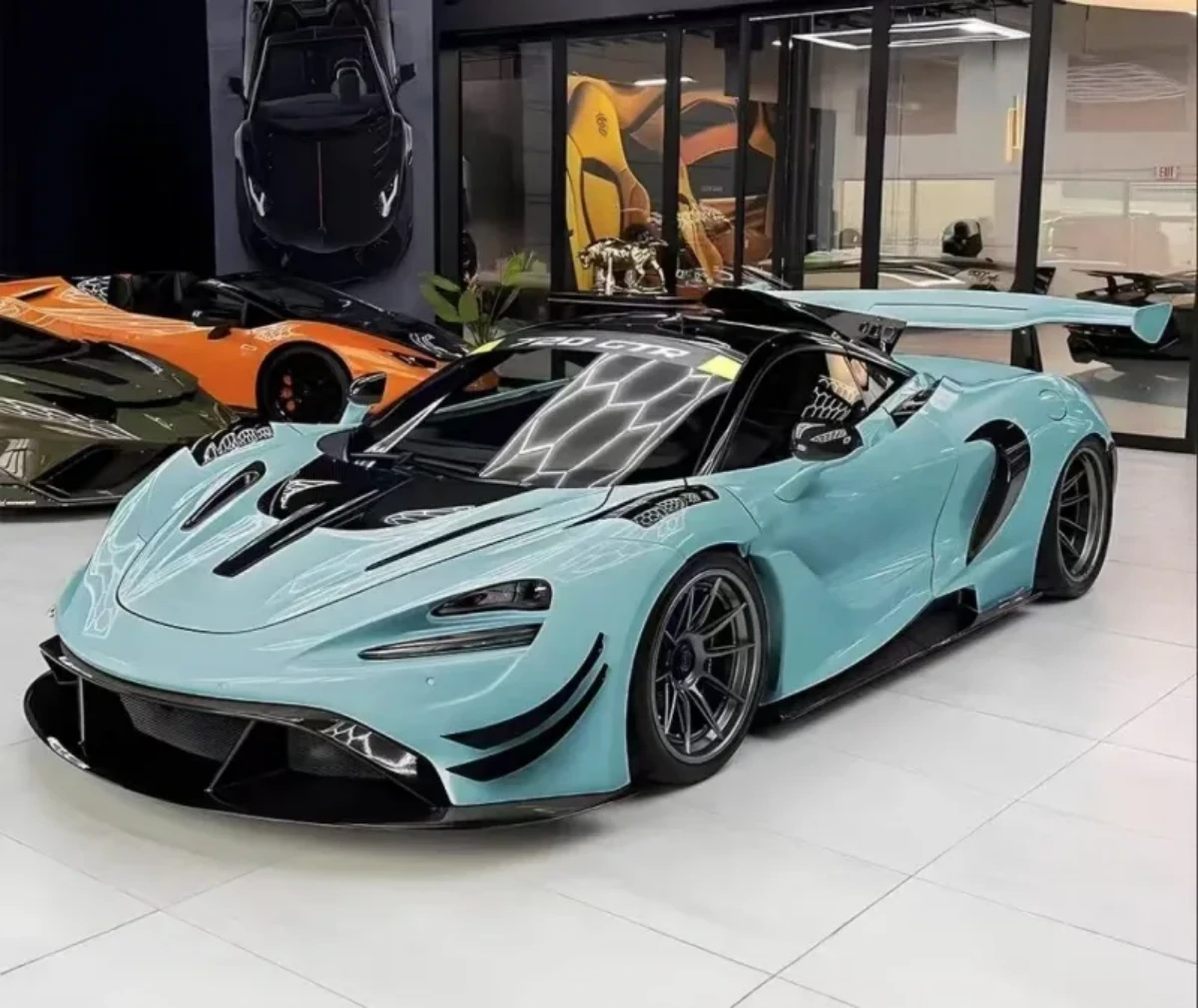
How TPU Redefines PPF:
- Long-Term Value – TPU’s preservation of resale value redefined PPF from expense to investment, increasing vehicle resale prices by 5–10%.
- Inclusive Design – TPU’s compatibility with all vehicle makes/models redefined PPF from luxury-only products to accessible protection for economy cars and classics.
- High-Traffic Durability – TPU’s abrasion resistance redefined PPF from personal vehicle products to commercial fleet solutions for taxis and delivery vans.
- Lightweight Shipping – TPU’s low density redefined PPF from high-freight-cost products to cost-efficient options reducing transportation emissions by 30%.
- Pest Resistance – TPU’s non-organic composition redefined PPF from insect-attracting products to pest-safe solutions avoiding termite or rodent damage.
- Artistic Compatibility – TPU’s printable surface redefined PPF from clear-only films to customizable protectors for graphics and murals on commercial vehicles.
The market trends and industry changes of PPF:
- Integration of Ceramic Coatings – PPF-safe ceramic coatings applied post-installation (e.g., Onyx PPF Nano Coat) boost scratch resistance by 40%, creating hybrid protection solutions.
- Local Sourcing Trends – Post-pandemic, 55% of North American PPF brands source TPU locally, reducing supply chain delays by 30%.
- Automotive Designer Collaborations – PPF brands work with OEM designers to create pre-cut patterns for concept cars, ensuring seamless protection on unique contours.
- China’s ECOCERT Compliance – Chinese PPF producers now meet ECOCERT standards, with 40% of exports to Europe using recycled TPU blends.
- Rise of Mobile Installation Services – On-demand PPF installation units equipped with portable dust-free booths are gaining traction, targeting busy urban consumers who prefer doorstep service.
- Supply Chain Localization – Regional production hubs in Asia-Pacific are emerging to reduce reliance on Western suppliers, with China and India scaling TPU film manufacturing to meet domestic demand.
The regulations of PPF and after-sales services:
- Heat-Activated Self-Healing Warranties – Brands guarantee self-healing performance (e.g., 98% micro-scratch repair within 8 minutes at 45°C) under warranty, reflecting confidence in material durability .
- Post-Installation Inspections – Professional installers like NAR PPF conduct post-installation checks to ensure edge sealing and material adherence, minimizing warranty claims .
- Blockchain Warranty Verification – 3M utilizes blockchain to secure digital warranties, enabling traceable ownership transfers and fraud prevention .
- EU PPWR Packaging Mandates – The EU’s Packaging and Packaging Waste Regulation (PPWR) requires PPF packaging to be recyclable by 2030 and prohibits PFAS in food-contact packaging, impacting material choices and disposal practices .
- California CARB VOC Limits – PPF adhesives sold in California must comply with CARB’s strict VOC regulations, reducing harmful emissions during installation to align with regional air quality standards .
- EU Digital Product Passport – PPF manufacturers must disclose material composition and recycling details via the EU’s Digital Product Passport, enhancing supply chain transparency .
- WEEE Directive Compliance – End-of-life PPF must be recycled in accordance with the EU’s WEEE directive, promoting circular economy practices for electronic and automotive waste .
TPU PPF VS PET PPF:
- Weathering Testing – TPU PPF passes 3,000 hours of QUV testing, while PET PPF fails at 1,500 hours with significant cracking.
- Brand Availability – 80% of premium PPF brands use TPU, while PET PPF is primarily offered by budget or generic manufacturers.
- Custom Thickness Matching – TPU PPF tailors thickness to vehicle zones (e.g., 10mil for hoods), while PET PPF uses uniform thickness due to manufacturing limits.
- Weight Difference – TPU PPF adds 1.2kg per vehicle (full wrap), while PET PPF adds 0.8kg due to lower density but reduced coverage efficiency.
- Weather Adaptability – TPU PPF performs in coastal salt spray, while PET PPF shows corrosion under film in high-humidity environments.
The user perception and consumption misconceptions of PPF:
- Consumer Misconception: “Thicker PPF = Better Protection” – Assuming 10mil PPF is always superior, ignoring that excessive thickness can cause edge lifting on curved surfaces.
- Correct Perception: Edge Sealing Importance – Savvy users check for heat-sealed edges, knowing proper sealing reduces lifting by 80% in car washes.
- Correct Perception: Professional Installation Worth Cost – 90% of satisfied users attribute results to certified installers, valuing dust-free environments and precision tools.
- Correct Perception: Environmental Adaptability – Users in coastal areas correctly prioritize saltwater-resistant PPF, reducing corrosion-related repairs by 60%.
- Consumer Misconception: “PPF Hides Existing Paint Damage” – A false belief that PPF covers swirl marks or chips, when pre-installation paint correction is actually required.
- Correct Perception: Long-Term Cost Savings – 68% of users understand PPF reduces repaint costs over 5 years, aligning with data showing $2,000 savings on luxury vehicles.
- Consumer Misconception: “Once Applied, No Maintenance Needed” – A common myth that PPF requires zero upkeep, ignoring the need for pH-neutral cleaning to preserve hydrophobicity.
- Consumer Misconception: “PPF Blocks Radar and GPS Signals” – Fearing interference with ADAS, unaware modern PPF is engineered for 99% signal transparency.
- Consumer Misconception: “PPF Is Only for Luxury Cars” – Overlooking value for mainstream vehicles, where PPF still cuts repair costs by $300–$800 annually.
- Consumer Misconception: “Once Applied, No Maintenance Needed” – A common myth that PPF requires zero upkeep, ignoring the need for pH-neutral cleaning to preserve hydrophobicity.
AUTOLI(CN) PPF(Paint Protection Film) manufacturer
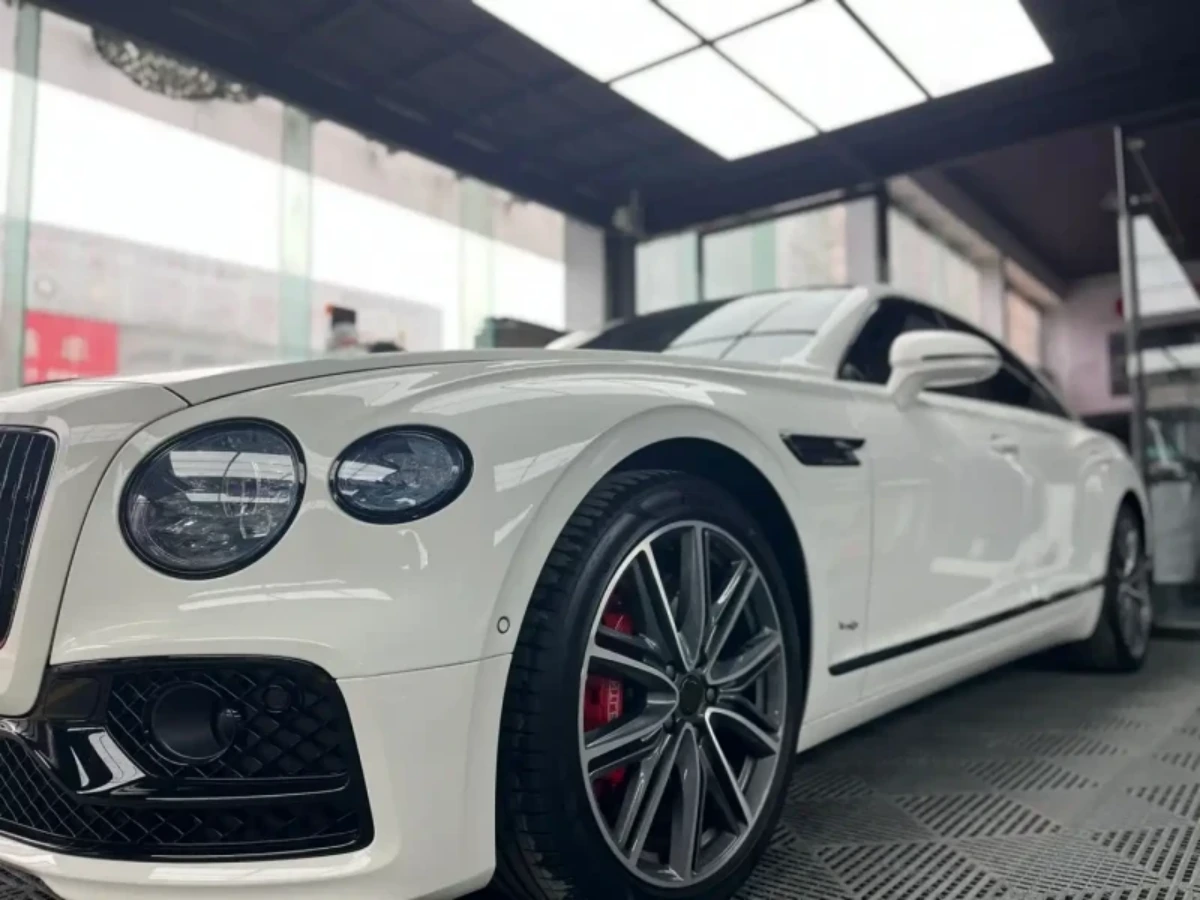
autoli TPU PPF Applied to all brand car models as Nissan、Lexus、bmw、jeep.Our factory cooperates with PPF wholesaler、ppf installation、PPF wholesale and all so in many countries and regions around the world,like Morocco,Portugal,Holland,Romania,Iceland,Brunei Darussalam,Warranty: 10 years.Our advantages:Unlock Business Growth with Our Factory’s PPF;Large stock of styles for you to choose from;Raw material purchasing advantage.Our factory also provides PET FILM、car film.