

PPF uses PFAS-free materials, passing EU REACH 173 tests; VOC emissions <0.1mg/m3, safe for cars.,Resists industrial fallout rust spots.,Step Ahead of Competitors: Factory – Direct PPF, Swift Delivery, Unbeatable Quality.
TPU PPF VS PET PPF:
- Brand Availability – 80% of premium PPF brands use TPU, while PET PPF is primarily offered by budget or generic manufacturers.
- Impact Resistance – TPU PPF absorbs 75% of rock chip energy at 60km/h, while PET PPF transfers 60% of impact force to underlying paint.
- Material Memory – TPU PPF returns to original shape after stretching, while PET PPF retains deformation from installation stress.
- Storm Resilience – TPU PPF withstands hailstones up to 12mm, whereas PET PPF cracks under 8mm hail impacts.
- Custom Cutting – TPU PPF laser-cuts cleanly for complex curves, while PET PPF tends to crack during precision cutting on sharp angles.
- Multi-Layer Construction – TPU PPF integrates adhesive, core, and topcoat layers seamlessly, while PET PPF layers delaminate 2x more frequently.
- Anti-Fog Properties – Hydrophilic TPU PPF options prevent headlight fogging, a feature absent in PET PPF.
- Warranty Claims – TPU PPF has 30% fewer warranty claims than PET PPF due to superior durability and performance consistency.
The market trends and industry changes of PPF:
- Water-Based Adhesive Adoption – PPF manufacturers are shifting to water-based adhesives, reducing VOC emissions by 60% to meet EU and California air quality regulations.
- Automation in Production Processes – Laser cutting technologies (e.g., GCC RX II) with 600g cutting force enable precise, waste-reducing PPF customization, improving material utilization efficiency to 94%.
- Deep Scratch Self-Healing – Advanced films repair 5μm-deep scratches (vs. 3μm previously) using microcapsule technology, activated by body heat or sunlight.
- IoT-Enabled Performance Monitoring – Smart PPF prototypes with embedded sensors are being tested to monitor UV exposure and damage levels, providing real-time data for predictive maintenance.
- E-Bike/Scooter PPF Demand – 40% of e-mobility retailers offer PPF for scooter bodies, protecting against urban scratches and extending resale value.
- Digital Print Integration – UV-curable digital printing on PPF allows custom graphics/logos, with 35% of commercial fleets now using branded PPF for marketing.
- Blockchain Warranty Verification – Brands like 3M use blockchain to secure digital warranties, preventing fraud and simplifying transfers between vehicle owners.
The construction and maintenance of PPF:
- Sunlight Healing Activation – Parking in direct sunlight allows minor scratches to self-heal via heat-induced molecular repair.
- Quality Inspection – 48-hour post-installation checks for bubbles, misalignment, or edge lifting to address issues promptly.
- Tapered Overlap Seams – Feathered edge overlaps (≤0.5mm) create invisible, water-resistant seams between panel sections.
- Adhesive Activation Heat Range – Applying 65–75°C heat to edges activates adhesives without damaging the PPF’s topcoat.
- LED Light Inspection Post-Install – Bright LED lighting reveals hidden bubbles or misalignments missed in natural light.
The user perception and consumption misconceptions of PPF:
- Correct Perception: Professional Installation Worth Cost – 90% of satisfied users attribute results to certified installers, valuing dust-free environments and precision tools.
- Consumer Misconception: “PPF Can Be Applied in Rainy Weather” – Attempting installation in humid conditions, increasing bubble risks due to moisture trapped under film.
- Consumer Misconception: “PPF Makes Car Washes Obsolete” – Thinking hydrophobic properties eliminate washing, not realizing heavy grime still requires cleaning.
- Correct Perception: Ceramic Coating Enhances PPF Life – Users layer ceramic coatings over PPF, extending topcoat longevity by 2–3 years.
- Correct Perception: Ceramic Coating Synergy – Savvy users pair PPF with ceramic topcoats, enhancing hydrophobicity and scratch resistance by 40%.
- Consumer Misconception: “PPF Yellowing Is Inevitable” – Fearing all PPF yellows, unaware that modern anti-yellowing formulas with HALS stabilizers last 10 years clear.
- Consumer Misconception: “All PPFs Are Identical” – Many buyers assume no quality difference between $500 and $3,000 PPF, neglecting TPU vs. PVC material distinctions.
- Consumer Misconception: “PPF Installation Requires Paint Removal” – Fearing sanding or stripping, unaware professional installs use gentle cleaning without paint removal.
- Correct Perception: UV Protection Value – Users increasingly link PPF to preventing paint fading, with 72% citing UV resistance as a key purchase driver.
The cost structure and price composition of PPF:
- Scrap Recycling Revenue – Production scrap sold for recycling offsets 1–2% of raw material costs.
- Warranty Reserves – 2–3% of revenue is allocated to warranty claims, higher for lifetime warranty products.
- Sales Commission – Dealer and distributor margins add 15–25% to wholesale prices before retail markup.
- Customer Acquisition Costs – Average $200–$500 per new client, factored into initial service pricing.
- Waste Allowance – 5–10% material waste factored into pricing, higher for complex vehicle shapes.
- OEM Partnership Pricing – Factory-installed PPF sold at 15–20% below aftermarket due to bulk production deals.
- Import Duties & Tariffs – Regional tariffs (e.g., 10% in EU) increase landed costs by 5–12% for imported PPF.
- Aftermarket Service Margins – Maintenance kits (cleaners, sealants) carry 60–70% margins, boosting overall profitability.
- Retailer Markup Structure – Wholesalers add 20–30%, retailers add 50–70% to cover overhead and profit.
- Military/First Responder Discounts – 10–15% price reductions, offset by tax benefits for businesses.

The environmental protection and sustainability of PPF:
- Wind-Powered Manufacturing – PPF producers using wind energy reduce production emissions by 35% compared to grid-powered facilities, aligning with renewable energy goals.
- 10-Year Lifespan – Extended durability reduces replacement needs by 70% compared to annual sealants, lowering overall material consumption.
- Natural Anti-Microbial Additives – Tea tree oil extracts replace synthetic biocides, maintaining hygiene with renewable ingredients.
- LED Lighting in Factories – Energy-efficient LED lighting cuts factory electricity use by 40% compared to fluorescent systems.
- Non-Toxic Disposal – PVC-free PPF avoids toxic chlorine release during incineration, making disposal safer for waste management workers.
- Cradle to Cradle Certification – PPF meeting C2C Silver standards ensures material recyclability and safe end-of-life disposal.
- Carbon-Neutral Manufacturing – Brands like 3M offset production emissions via reforestation projects, achieving carbon-neutral status for select PPF lines.
- Auto Recycler Partnerships – Programs with auto recyclers ensure 85% of end-of-life PPF is collected for recycling, not landfilled.
- Minimalist Packaging – Brands eliminate unnecessary plastic inserts, using 40% less packaging material while maintaining product protection.
The horizontal comparison of PPF with other protection methods:
- PPF vs. Plastic Trim Restorers – Restorers revive faded trim, while PPF prevents UV damage and scratches on trim, maintaining appearance without frequent reapplication.
- PPF vs. Glass Polish – Polish removes water spots from glass, while PPF on paint prevents spots via hydrophobicity, with distinct surface applications.
- PPF vs. Paint Sealant Sprays – Sealant sprays offer 6–9 months of UV protection but no scratch defense, while PPF combines both for extended durability.
- PPF vs. Stone Guard Films (Thin) – Thin stone guards protect against small debris but lack self-healing, while PPF handles larger impacts and repairs minor damage automatically.
- PPF vs. Silicone Coatings – Silicone coatings repel water but degrade quickly (1–2 years) under UV exposure, whereas PPF maintains hydrophobicity for 5 years with UV stabilizers.
- PPF vs. Nano-Ceramic Sprays – Nano-sprays enhance chemical resistance for 1–2 years but offer no physical defense, whereas PPF adds a protective barrier against impacts.
- PPF vs. Ceramic Waxes – Ceramic waxes boost hydrophobicity for 6–12 months but lack impact protection, whereas PPF combines water repellency with scratch resistance.
- PPF vs. Anti-Fade Treatments – Anti-fade treatments slow UV damage but don’t prevent scratches, unlike PPF which blocks UV rays and shields against physical wear.
- PPF vs. Traditional Wax – PPF provides long-term scratch/dent defense (5 years) compared to wax’s 2–3 months of mild UV protection and gloss enhancement.
The protective performance of PPF:
- Pre-Cut Interior Patterns – Precise-fit films for door handles, dashboards, and trims, ensuring hassle-free installation.
- Salt Spray Resistance – Protects against corrosion caused by road salt used in winter or coastal environments.
- Antimicrobial Coating – Inhibits microbial growth on touchscreens and interiors, enhancing hygiene in high-traffic areas.
- Pet Hair Abrasion Resistance – Smooth surfaces resist snagging from pet claws or fur, ideal for family vehicles.
- **Flexibility for Complex Surfaces** – PPF is flexible enough to conform to the complex curves and shapes of a vehicle, providing consistent protection all over the body.
- Hydrophobic Coating for Water Beading – Reduces water spots and makes cleaning easier by repelling liquids, keeping surfaces drier and cleaner.
AUTOLI(CN) PPF(Paint Protection Film) manufacturer
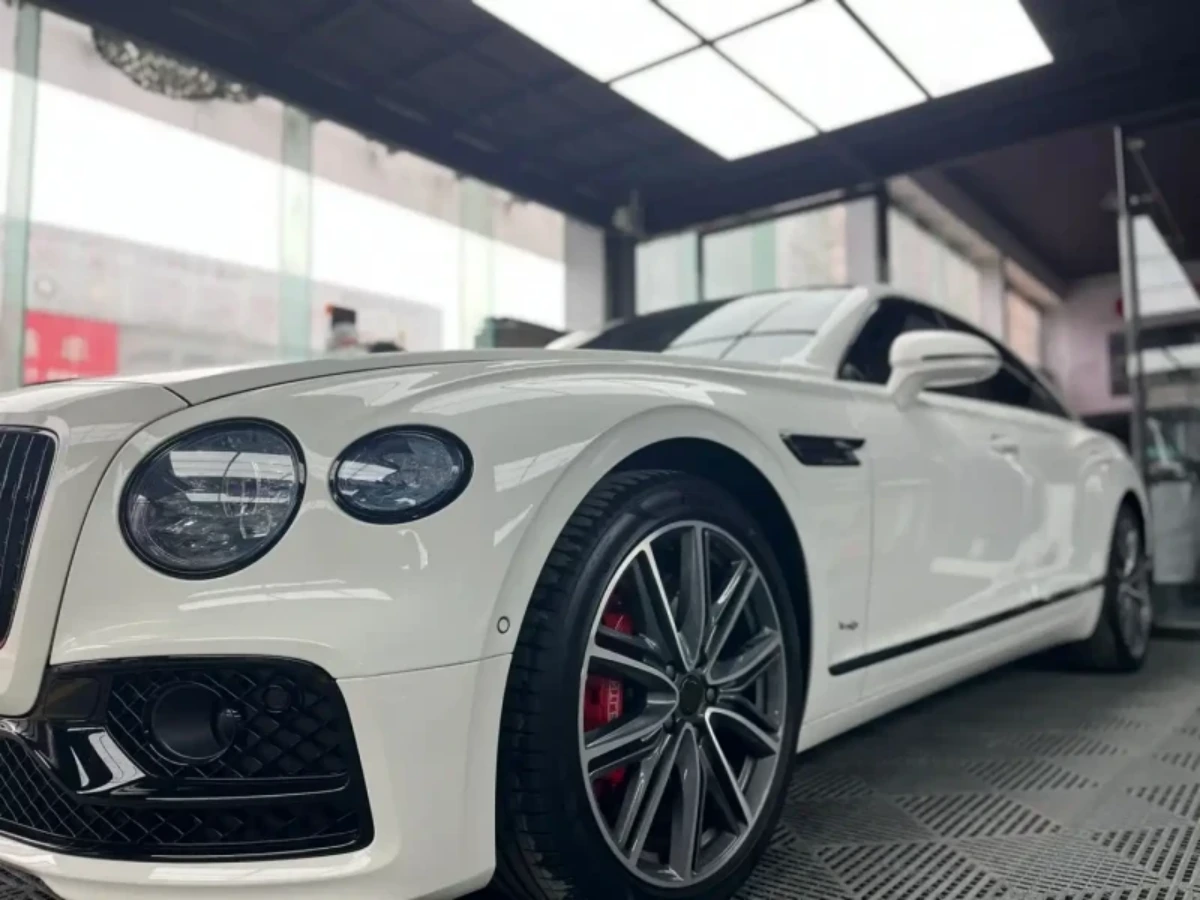
autoli TPU PPF Applied to all brand car models as Infiniti、McLaren、volvo、Porsche、byd、binli.Our factory cooperates with Car Customization Shop、Auto Detailing service、PPF distributor and all so in many countries and regions around the world,like Jamaica,Sweden,Cyprus,Slovakia,Warranty: 10 years.Our advantages:Perfect after-sales service;Our customers are all over the world;Collaborate for Lucrative Returns: Source factory.Our factory also provides Vinyl wrapping、car film.