

PPF’s elasticity at -30℃ retains 80% ductility, preventing northern winter embrittlement unlike rigid protective alternatives.,Protects original paint for 10-20% resale boost.,Collaborate with Our Factory: PPF – Powered Profit Escalation.
The materials and technologies of PPF:
- Thermal conductivity regulation: Optimizes heat transfer through the film to prevent paint overheating in direct sunlight, reducing thermal stress on clear coats.
- Edge-locking micro-groove design: Prevents water ingress and edge lifting through interlocking grooves, backed by 10-year edge retention warranties.
- Hydrographic printing integration: Allows custom patterns (e.g., carbon fiber, brushed metal) to be embedded within the film without compromising clarity.
- Low-VOCs production certification: Meets global eco-standards like GREENGUARD Gold, ensuring volatile organic compound emissions below 50μg/m3 during manufacturing.
- High-performance adhesive layer technology: Utilizing low initial tack and high final tack pressure-sensitive adhesive, it allows for repeated positioning adjustments during installation. Once cured, it adheres tightly to the vehicle body without de-bonding or leaving residue.
- AI-powered installation assistant: Uses augmented reality (AR) glasses to guide installers through precise alignment, reducing labor time by 30%.
- Self-healing temperature threshold optimization: Activates repair mechanisms at 30°C (vs. 40°C traditionally), enabling faster recovery in mild climates.
- Self-healing touch-up pen: Provides a portable solution for repairing localized scratches, leveraging the same TPU memory technology as the film.
- Anti-ultraviolet penetration enhancement technology: Nano-sized UV-blocking particles are added to the coating, resulting in an ultraviolet absorption rate of over 99%. This reduces the aging damage to the substrate and car paint caused by direct sunlight exposure.
- EV-specific lightweight optimization: Reduces base material density by 15% for electric vehicles, minimizing added weight impact on battery range.
Say Goodbye to Car Scratches: Self-Healing PPF Revealed!:
- Car owners report a 70% reduction in visible scratches after installing self-healing PPF, boosting vehicle pride and resale value.
- Heat-activated repair eliminates the need for abrasive polishes that thin your car’s paint or degrade protective layers over time.
- Self-healing PPF reduces the visual impact of “paint transfer” from minor collisions, buying time for professional repairs.
- The healing process leaves no residue or discoloration, ensuring repairs are invisible and maintain the original paint’s finish.
- Desert sand scratches heal, protecting paint in harsh, windy environments with abrasive particles.
- Road tar or adhesive residue removal scratches heal, ensuring necessary maintenance doesn’t harm paint.
- Self-healing PPF’s topcoat works with its TPU layer to ensure repairs don’t compromise water resistance or gloss.
- Matte finish owners get scratch repair that preserves texture, avoiding glossy spots from traditional polishing.
The construction and maintenance of PPF:
- Panel Sectioning – Applying PPF in smaller panel sections (e.g., hood, fenders) ensures better conformity to complex contours.
- Remove Bird Droppings Promptly – Cleaning acidic bird droppings within 24 hours prevents etching through the protective layer.
- Storage Protection – Covering vehicles with breathable car covers in storage prevents dust buildup and UV overexposure.
- Avoid Vinyl Cleaners on PPF – Vinyl-specific products can contain chemicals that dull or degrade PPF topcoats.
- Soft Rubber Squeegees for Curves – Flexible squeegees conform to rounded surfaces like fenders, reducing edge lifting risk during application.
- Silicone-Free Cleaners – Avoiding silicone-based products prevents glossy residue that attracts dust to PPF surfaces.
- 45° Pressure Washer Nozzle Angle – Directing spray at an angle prevents water from forcing PPF edges loose.
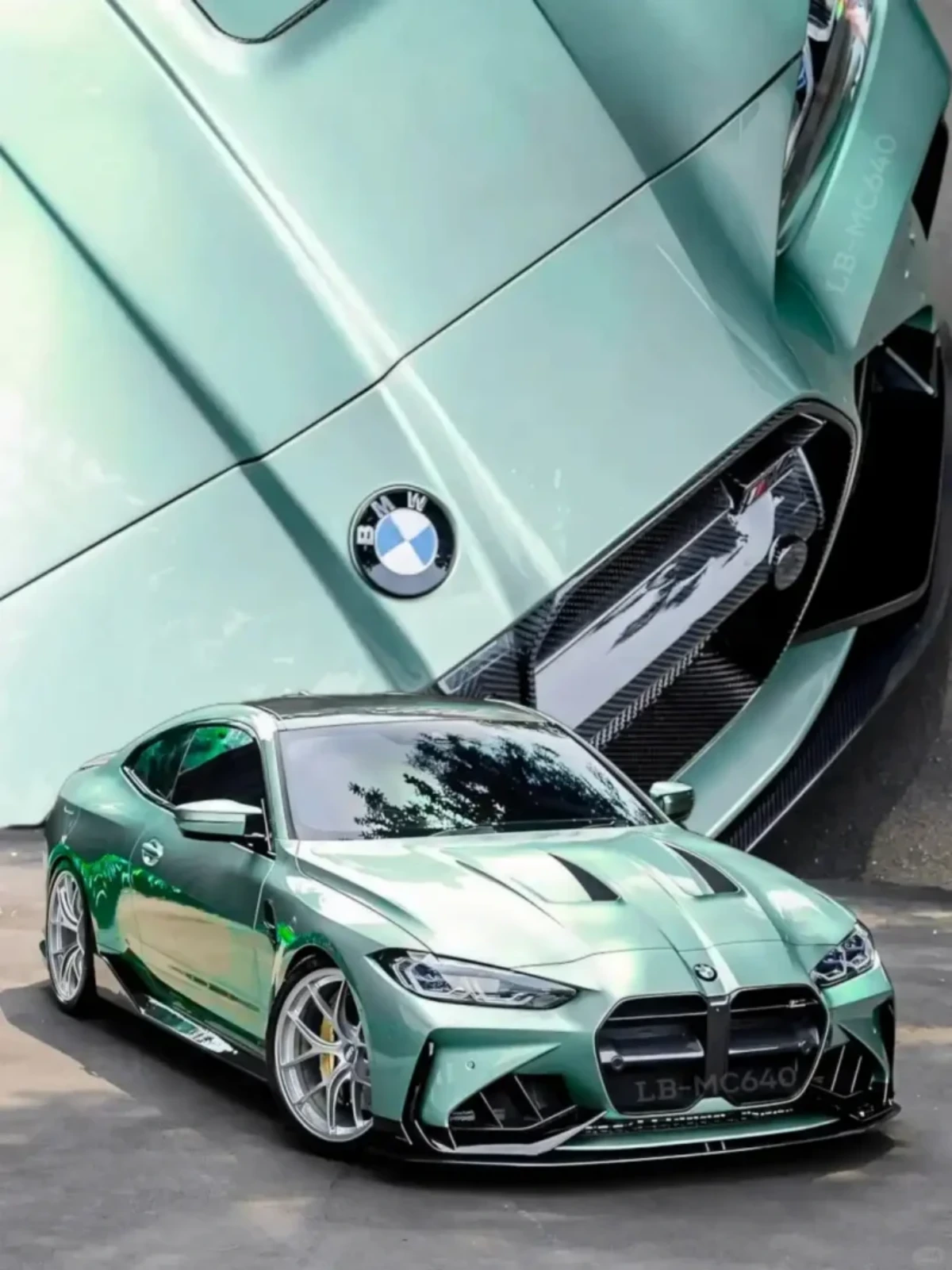
The differentiated user group needs matching of PPF:
- Forestry Service Trucks – Need debris-resistant PPF for cabs and beds, withstanding tree branches and wood chips during forest management.
- DIY Enthusiasts – Prefer pre-cut PPF kits with air-release adhesives for bubble-free application without professional tools or training.
- Mobile Coffee Trucks – Need heat-resistant PPF near grills and espresso machines, withstanding high temperatures and coffee spills.
- Ride-Share Drivers – Opt for durable 8mil PPF with quick-healing properties to resist passenger-related scratches and maintain vehicle appearance.
- Mobile Business Vans – Select logo-friendly clear PPF to protect brand graphics from road wear while maintaining visibility of company messaging.
Before & After: How PPF Transforms a 10-Year-Old Car:
- Before: Rear tail light wiring harness entry points with paint peeling; After: PPF seals entry points, hiding peeling and preventing water damage to wiring.
- Before: Rear bumper reflectors with paint chipping around edges; After: PPF covers reflector perimeters, hiding chips and maintaining consistent appearance.
- Before: Tailgate hinge areas with paint worn from movement; After: PPF covers hinges, hiding wear and reducing friction during tailgate operation.
- Before: Wheel balance weights with rust staining around them; After: PPF covers weight areas, hiding stains and preventing rust from spreading under paint.
- Before: Front bumper parking sensor housings with paint chipping; After: PPF covers housings, hiding chips and preventing debris from damaging sensors.
- Before: Tailgate handle with paint worn from repeated use; After: PPF wraps the handle, covering wear patterns and maintaining grip without damage.
- Before: License plate area with rust bleeding through paint; After: PPF acts as a moisture barrier, covering rust signs and preventing further corrosion.
- Before: Rear bumper step pad with paint worn away; After: PPF adds protective layer, hiding bare spots and resisting future wear from stepping.
- Before: Front license plate bracket mounting holes with rust around them; After: PPF covers hole perimeters, hiding rust and preventing corrosion spread.
- Before: Headlight washer nozzles with paint chipping around edges; After: PPF covers nozzle perimeters, hiding chips and preventing debris damage.
The materials and technologies of PPF:
- Thermal conductivity regulation: Optimizes heat transfer through the film to prevent paint overheating in direct sunlight, reducing thermal stress on clear coats.
- Edge-locking micro-groove design: Prevents water ingress and edge lifting through interlocking grooves, backed by 10-year edge retention warranties.
- Hydrographic printing integration: Allows custom patterns (e.g., carbon fiber, brushed metal) to be embedded within the film without compromising clarity.
- Low-VOCs production certification: Meets global eco-standards like GREENGUARD Gold, ensuring volatile organic compound emissions below 50μg/m3 during manufacturing.
- High-performance adhesive layer technology: Utilizing low initial tack and high final tack pressure-sensitive adhesive, it allows for repeated positioning adjustments during installation. Once cured, it adheres tightly to the vehicle body without de-bonding or leaving residue.
- AI-powered installation assistant: Uses augmented reality (AR) glasses to guide installers through precise alignment, reducing labor time by 30%.
- Self-healing temperature threshold optimization: Activates repair mechanisms at 30°C (vs. 40°C traditionally), enabling faster recovery in mild climates.
- Self-healing touch-up pen: Provides a portable solution for repairing localized scratches, leveraging the same TPU memory technology as the film.
- Anti-ultraviolet penetration enhancement technology: Nano-sized UV-blocking particles are added to the coating, resulting in an ultraviolet absorption rate of over 99%. This reduces the aging damage to the substrate and car paint caused by direct sunlight exposure.
- EV-specific lightweight optimization: Reduces base material density by 15% for electric vehicles, minimizing added weight impact on battery range.
The cost structure and price composition of PPF:
- Regional Labor Rate Differences – Installation labor costs 30–50% more in North America vs. Southeast Asia.
- Mid-Range Price Points – 8mil self-healing PPF sells for $8–$12 per square foot, balancing quality and affordability.
- Export Pricing Adjustments – FOB prices 10–15% lower than domestic to remain competitive in global markets.
- Regional Price Variations – EU prices 15–20% higher than Asia due to stricter regulations and higher labor costs.
- Post-Install Inspection Fees – 24-hour quality checks add $50–$100 per vehicle but reduce warranty claims by 20%.
- Military/First Responder Discounts – 10–15% price reductions, offset by tax benefits for businesses.
- Customer Acquisition Costs – Average $200–$500 per new client, factored into initial service pricing.
- Energy Consumption – Extrusion and curing processes account for 8–15% of production costs, higher for multi-layer films.
The user scenarios and value validation of PPF:
- Classic Muscle Car Racers – Protects 1970s Dodge Chargers during vintage races, with self-healing PPF hiding minor track debris impacts.
- Low-Maintenance Users – Minimizes washing frequency for busy professionals, as hydrophobic PPF keeps vehicles 30% cleaner between washes.
- Construction Managers’ Trucks – Shields Ford F-150s from concrete splatters and tool drops, extending time between repaints from 12 to 24 months.
- Commercial Fleet Operators – Reduces repaint frequency for Amazon delivery vans by 60%, cutting maintenance downtime by 15 hours per vehicle yearly.
- Family Car Owners – Protects minivan door sills from kids’ shoes and pet claws, with 80% reporting “like-new” interior/exterior after 3 years of use.
- Cold-Climate Users – Prevents salt and ice melt damage in Stockholm and Toronto, with PPF-treated bumpers showing 50% less winter-related etching.
- Electric Scooter Fleets – Shields shared e-scooter bodies from urban abuse, reducing repair frequency by 55% for companies like Bird and Lime.
AUTOLI(CN) PPF(Paint Protection Film) oem manufacturer
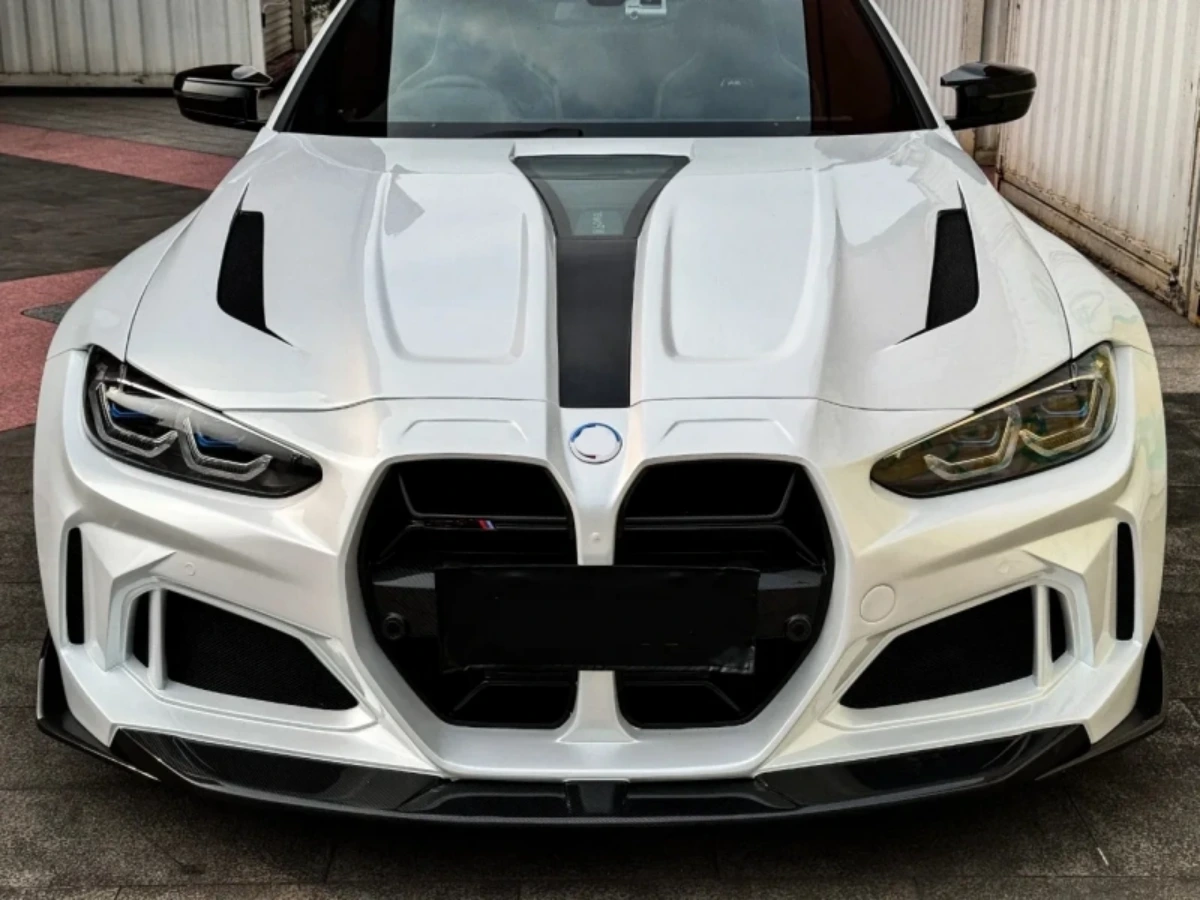
autoli TPU PPF Applied to all brand car models as Lincoln、Mazda、Lexus、Porsche.Our factory cooperates with ppf installation、Auto Detailing Shop、Auto Repair Center and all so in many countries and regions around the world,like Philippines,Brunei Darussalam,Iraq,Paraguay,Warranty: 10 years.Our advantages:Large stock of styles for you to choose from;Your Key to Profitable PPF Ventures;Efficient production reduces costs;Collaborate for Lucrative Returns: Source factory;Short production cycle, quick delivery.Our factory also provides Vinyl Car Wrap、PET FILM.