

PPF’s flexibility during temperature changes avoids cracking in summer heat or winter cold, unlike rigid films.,Reduces insurance claims for minor damage.,Factory – Partner: Quality PPF, More Profits.
The user pain points of PPF and their solutions:
- Discoloration on Dark Paint – Solved by high-clarity TPU with low-iron content, preventing blue/green tint on black vehicles.
- High Installation Costs – Mitigated by tiered pricing (DIY kits vs. premium pro installs) and financing options for budget flexibility.
- Expensive Repairs for Damage – Reduced via self-healing technology (repairs 3μm scratches with heat) and patchable film sections.
- Warranty Claim Denials – Prevented by transparent warranty terms, certified installer networks, and digital claim tracking.
- Matte Paint Distortion – Solved by matte-specific PPF (20–30% gloss) designed to preserve texture without shine spots.
The materials and technologies of PPF:
- Smart damage detection layer: Embeds micro-sensors that interact with smartphone apps to alert users of hidden impacts or coating wear via subtle color shifts.
- Multi-layer optical coating: Combines anti-reflective and color-enhancing layers to boost paint color saturation by 5-8% while maintaining high light transmittance.
- UL ECOLOGO Certification: Validates environmental sustainability and low chemical emissions.
- Thermal insulation buffer layer design: An elastic buffer layer is added between the substrate and the coating to alleviate the internal stress caused by the thermal expansion and contraction of the material under extreme temperature differences, thereby reducing the risk of cracking.
- High-performance adhesive layer technology: Utilizing low initial tack and high final tack pressure-sensitive adhesive, it allows for repeated positioning adjustments during installation. Once cured, it adheres tightly to the vehicle body without de-bonding or leaving residue.
- Thermal conductivity regulation: Optimizes heat transfer through the film to prevent paint overheating in direct sunlight, reducing thermal stress on clear coats.
- Low-temperature shaping flexible technology: Through optimizing the molecular structure of the substrate, it enables curved surface shaping at temperatures ranging from 0 to 15 degrees Celsius, suitable for complex arc-shaped bodywork construction, and reducing stress damage caused by heating contraction.
- ISO 12646 Color Management Certification: Ensures color accuracy and consistency across production batches.
- Conductive air release adhesive technology: The adhesive layer is designed with micro-nano air channels, which enable rapid air discharge during construction, preventing air bubbles from remaining, improving the bonding efficiency and flatness, and reducing the risk of bulging in the later stage.
The regulations of PPF and after-sales services:
- EU Digital Product Passport – PPF manufacturers must disclose material composition and recycling details via the EU’s Digital Product Passport, enhancing supply chain transparency .
- Warranty Transferability – Transferred vehicle ownership often requires warranty re-registration, with brands like 3M requiring updated documentation to maintain coverage .
- DIY Installation Void Policies – Most warranties, including PurePPF and 3M, void coverage for self-installed films, emphasizing the need for certified professional application .
- Class Action Liability – Manufacturers face potential litigation for non-compliant PPFs, as seen in cases involving PFAS contamination or false warranty claims .
- Lifetime Warranty Programs – Premium PPF brands like 3M offer 7-year warranties on Pro Series films, covering defects like delamination and yellowing, while excluding wear and tear or improper installation .
- EU PPWR Packaging Mandates – The EU’s Packaging and Packaging Waste Regulation (PPWR) requires PPF packaging to be recyclable by 2030 and prohibits PFAS in food-contact packaging, impacting material choices and disposal practices .
- Certified Installer Networks – Brands like Eastman (DragonFilm) enforce tiered certification programs (e.g., 1-star to 7-star) to ensure standardized installation practices and warranty validity .
- Anti-Yellowing Guarantees – Brands like Aegis Eternal 400 offer 15-year warranties against yellowing, using HALS stabilizers to maintain optical clarity over extended periods .
- China’s Consumer Complaint Channels – PPF buyers in China can file quality-related disputes through the national 12315 hotline, facilitating regulatory oversight and resolution .
- Japan’s Window Tinting Restrictions – Japanese regulations ban PPF installation on front driver/passenger windows and mandate partial windshield film transparency to ensure unobstructed visibility .
The differentiated user group needs matching of PPF:
- Vintage Fire Engine Ralliers – Opt for heat-resistant PPF on hoods, protecting paint from engine heat during parade displays and demonstrations.
- Mobile Library Vans – Prefer child-friendly scratch-resistant PPF, withstanding frequent door slams and book cart impacts during outreach.
- Mobile Farmers Market Vans – Need produce-safe PPF that resists fruit/vegetable juice stains, maintaining clean exteriors during market days.
- Classic Motorcycle Riders – Seek thin (6–7mil) flexible PPF to conform to curved fuel tanks and fairings, protecting vintage paint from belt/buckle scratches.
- Vintage Airplane Owners – Opt for aviation-grade PPF that protects aluminum surfaces from corrosion and UV damage during storage and display.
- Vintage Motorcycle Show Vehicles – Use mirror-finish PPF to enhance chrome and paint shine for competitions, with easy removal for judging.
- Lease Vehicle Users – Prefer removable, residue-free PPF to avoid end-of-lease paint repair fees, with easy removal without damaging factory finishes.
- Drag Racing Vehicles – Require heat-resistant PPF for wheel wells and undercarriages, withstanding high temperatures from tire friction and exhaust.
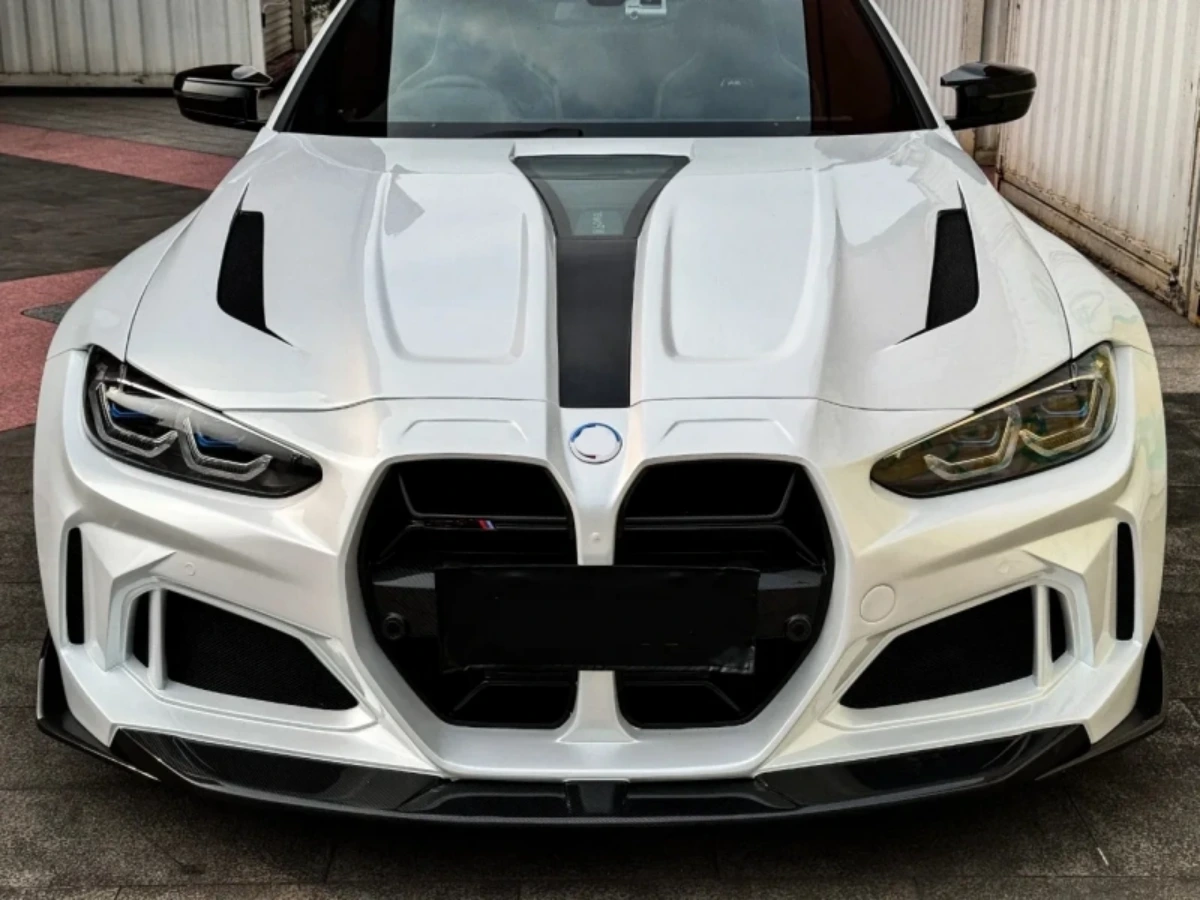
The construction and maintenance of PPF:
- Wet Application Method – Spraying a soapy water solution between the film and surface allows repositioning before final adhesion.
- Adhesive Priming – Using tack promoters on low-energy surfaces (e.g., plastic trim) enhances adhesion in challenging areas.
- Low-Pressure Pre-Rinse – Gentle initial rinsing loosens surface dirt, reducing friction during washing to avoid swirl marks.
- Avoid Parking Near Construction – Reducing exposure to heavy dust, gravel, or paint overspray preserves PPF integrity.
- pH-Neutral Cleaning – Using pH 6–8 car wash soap avoids damaging the PPF’s protective topcoat or weakening adhesives.
- Avoid Parking Under Trees – Reducing exposure to sap, berries, and debris minimizes cleaning frequency and potential stains.
- Humidity-Controlled Workspace – Maintaining 40–60% humidity during installation prevents rapid adhesive drying and ensures proper bonding.
The user perception and consumption misconceptions of PPF:
- Consumer Misconception: “PPF Yellowing Is Visible Immediately” – Expecting instant discoloration, not realizing quality films take 5 years to show subtle yellowing.
- Consumer Misconception: “Lifetime Warranty Means Forever” – Misunderstanding that “lifetime” warranties cover all damage, when most exclude improper maintenance or extreme impacts.
- Consumer Misconception: “All PPFs Are Identical” – Many buyers assume no quality difference between $500 and $3,000 PPF, neglecting TPU vs. PVC material distinctions.
- Consumer Misconception: “All PPF Installers Are Equal” – Choosing based on price alone, ignoring differences in training, tools, and workspace quality.
- Correct Perception: Matte Finish Compatibility – Educated buyers seek matte-specific PPF, avoiding gloss films that ruin specialty paint textures.
- Consumer Misconception: “PPF Traps Moisture Under Paint” – A false fear that PPF causes rust, ignoring that proper installation creates a moisture barrier preventing corrosion.
The long-term monitoring and maintenance system after the installation of PPF:
- Seasonal Yellowing Assessments – Comparing paint color with a reference sample using spectrophotometers to track ΔE values under varying UV exposure.
- Post-Repair Cure Monitoring – Allowing 48-hour curing after bubble removal or edge re-sealing before washing.
- Warranty-Compliant Products – Using only brand-recommended cleaners (e.g., XPEL Fusion Plus) to maintain warranty validity.
- 6-Month Bubble Detection – Using polarized light to identify subsurface bubbles invisible to the naked eye, especially post-installation.
- Monthly Deep Cleaning – Using pH-neutral (6–8) PPF-specific cleaners to dissolve road grime without damaging topcoats.
- Bi-Annual Hydrophobicity Tests – Spraying water to check contact angles (>110° indicates effective topcoat; re-seal if below 90°).
The protective performance of PPF:
- Gloss Enhancement Technology – Optical-grade clarity amplifies paint depth, creating a showroom finish without additional waxing.
- Interior Resale Preservation – Reduces interior wear and tear, boosting resale value by keeping surfaces pristine.
- Road Tar Stain Resistance – Hydrophobic topcoats repel sticky road tar, allowing easy removal with mild solvents.
- Acid Rain Etching Resistance – Neutralizes acidic pollutants in rain, preventing pitting and corrosion on painted surfaces.
- Warranty Exclusions Clarity – Specifies coverage limits for damage from accidents, improper installation, or modifications.
- Professional Installation Training – Certified installers ensure bubble-free application and optimal edge sealing.
The market trends and industry changes of PPF:
- Aerospace PPF Expansion – Lightweight PPF is being tested on aircraft exteriors, protecting against bird strikes and UV degradation in high-altitude environments.
- Social Proof-Driven Sales – 65% of consumers cite online reviews and before/after videos as key factors in PPF brand selection, fueling influencer marketing growth.
- ADAS Sensor Compatibility – PPF films with 99.9% LiDAR/radar transparency are becoming standard, ensuring autonomous driving systems function unimpeded post-installation.
- Local Sourcing Trends – Post-pandemic, 55% of North American PPF brands source TPU locally, reducing supply chain delays by 30%.
- Online Certification Courses – Platforms like PPF University offer $99 online installer certifications, increasing skilled labor availability in underserved markets.
- Data-Driven Marketing Strategies – Brands are using AI analytics to identify regional demand patterns, tailoring product launches (e.g., anti-yellowing films for high-sun areas) to specific markets.
- 15-Year Anti-Yellowing Warranties – Premium brands now offer 15-year guarantees against yellowing, using advanced HALS stabilizers to outlast traditional 10-year warranties.
- AI Quality Control in Production – Machine vision systems inspect 100% of PPF rolls for defects, reducing post-installation warranty claims by 45%.
- Water-Based Adhesive Adoption – PPF manufacturers are shifting to water-based adhesives, reducing VOC emissions by 60% to meet EU and California air quality regulations.
AUTOLI(CN) PPF(Paint Protection Film) factory
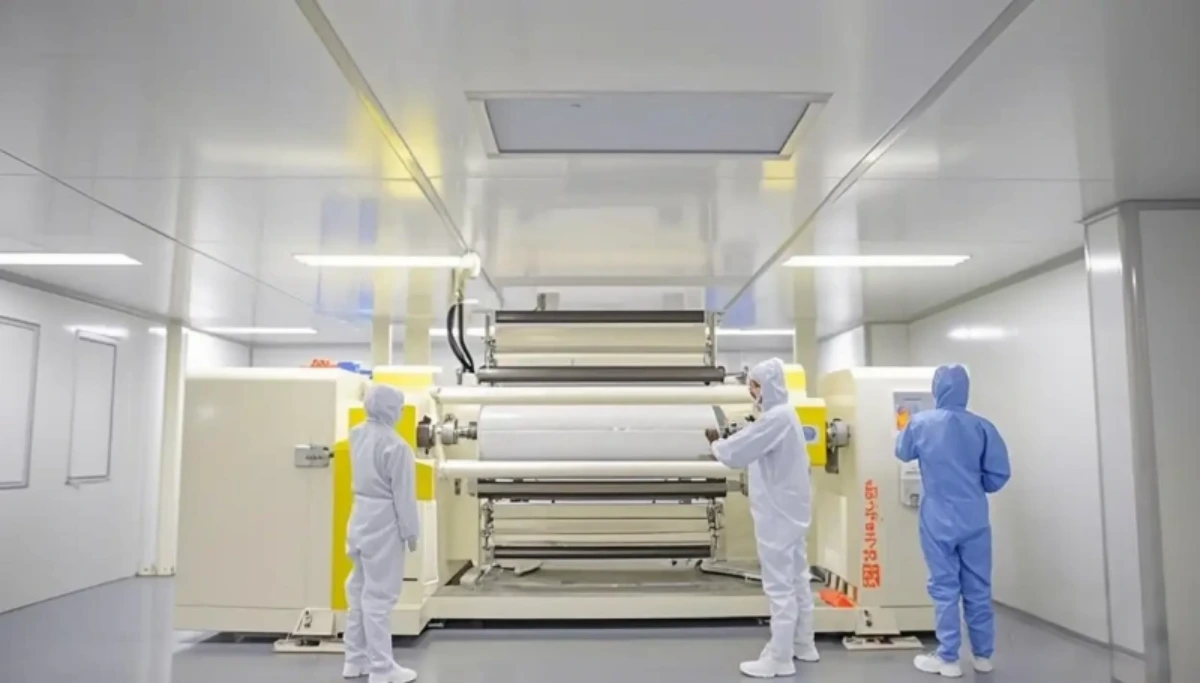
autoli TPU PPF Applied to all brand car models as McLaren、Chevrolet、Chrysler、Rolls-Royce.Our factory cooperates with PPF brand、Auto Detailing service、Auto Detailing、PPF brand、PPF agent and all so in many countries and regions around the world,like USA,Romania,Morocco,Chile,Canada,Warranty: 10 years.Our advantages:Perfect after-sales service;Efficient production reduces costs;High quality raw materials and advanced technology;Unlock Business Growth with Our Factory’s PPF;Collaborate for Lucrative Returns: Source factory.Our factory also provides car wrapping、Window Film、PPF Vinyl Car Wrap.