

PPF’s seamless wrapping covers edge gaps, preventing water/ dirt ingress that causes paint peeling under traditional protection.,Anti-static for dust-free application.,Join with Us: Premium – Quality PPF, Color – Profuse Choices, Fast Fulfillment.
TPU PPF VS PET PPF:
- Multi-Layer Construction – TPU PPF integrates adhesive, core, and topcoat layers seamlessly, while PET PPF layers delaminate 2x more frequently.
- Adhesive Aging – TPU PPF’s adhesive retains 80% strength after 5 years, while PET PPF’s adhesive loses 50% strength in 3 years.
- Edge Sealing Options – TPU PPF accepts heat sealing for permanent edges, while PET PPF requires adhesive sealants that degrade faster.
- Solvent Resistance – TPU PPF resists gasoline and brake fluid spills, while PET PPF shows swelling within 10 minutes of exposure.
- Brand Availability – 80% of premium PPF brands use TPU, while PET PPF is primarily offered by budget or generic manufacturers.
- Impact Testing Standards – TPU PPF meets ASTM D3763 impact standards at 16 ft-lbs, while PET PPF fails at 8 ft-lbs.
- Abrasion Recovery – TPU PPF’s topcoat recovers from light abrasion, while PET PPF’s surface damage is permanent.
- User Satisfaction – 90% of TPU PPF users report satisfaction after 3 years, compared to 60% satisfaction with PET PPF.
The extension of PPF’s functions:
- Before: Hood latch area with accumulated dirt and paint wear; After: PPF covers the area, hiding grime stains and reducing friction-related wear.
- Before: Front grille with chipped paint on edges; After: PPF’s impact-absorbing layer covers chips and shields vulnerable grille edges from debris.
- Before: Exhaust tip surrounds with heat discoloration; After: High-temperature PPF covers blueing and resists heat damage, maintaining appearance.
- Before: Roof with bird dropping etchings and tree sap stains; After: PPF’s chemical-resistant topcoat hides stains and prevents new etching, creating a uniform surface.
- Before: Tail light housings with scratches from car washes; After: Clear PPF covers scratches and resists brush damage, keeping lenses clear.
- Before: Wheel arches with paint chipping from gravel; After: Thick 10mil PPF lines arches, hiding existing damage and preventing new chips during turns.
- Before: Door window trim with peeling black paint; After: PPF’s color-stable film covers trim, restoring uniform appearance and preventing further peeling.
Why TPU PPF:
- No Warping – Maintains dimensional stability in high humidity, unlike wood which swells/shrinks.
- Noise Reduction – Damped connections minimize creaking sounds in windy conditions.
- Wind Resistance – Engineered to withstand 120 km/h winds with reinforced frame designs.
- Anti-Glare Options – Matte finishes reduce sun glare on adjacent windows and surfaces.
- Low Wind Load Impact – Aerodynamic designs reduce wind resistance compared to solid-roof structures.
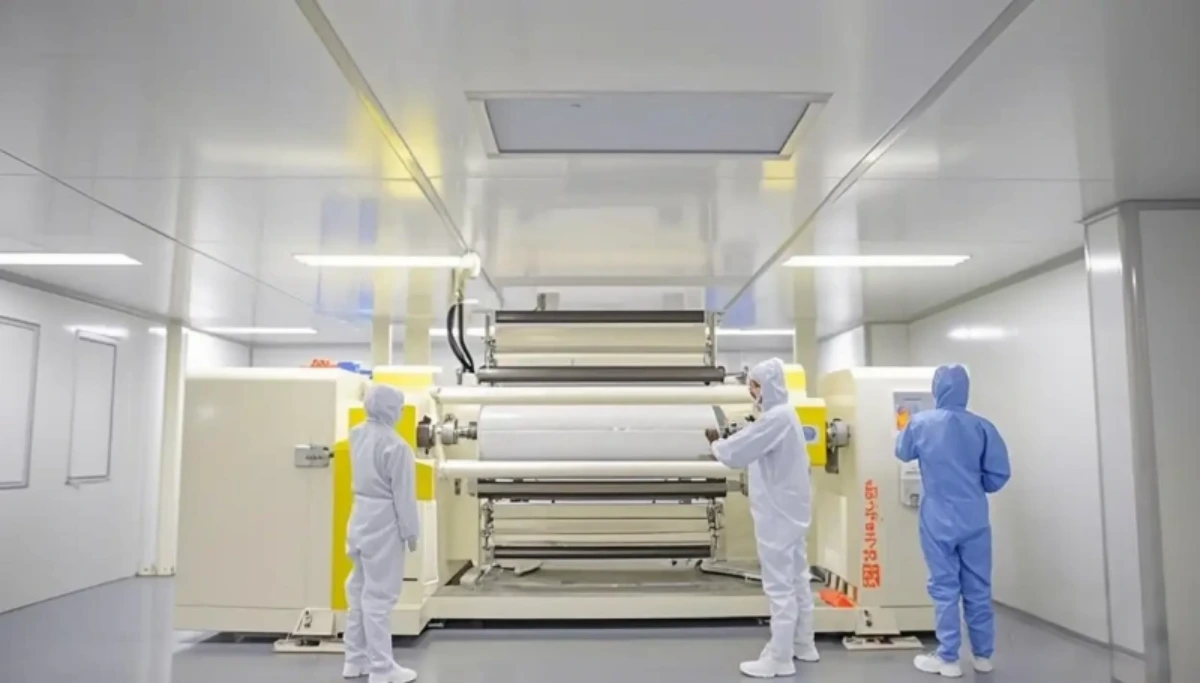
Say Goodbye to Car Scratches: Self-Healing PPF Revealed!:
- Winter ice scraper scratches heal once temperatures rise, preserving paint through cold-weather maintenance.
- Unlike rigid PVC films that crack, TPU-based self-healing PPF maintains flexibility to absorb impacts and repair the resulting damage.
- EV owners get scratch repair around charging ports, where frequent plugging/unplugging can cause minor damage.
- Fleet managers report higher driver satisfaction, as self-healing PPF keeps vehicles presentable with minimal effort.
- Unlike conventional paint protection, self-healing PPF doesn’t just hide scratches—it actively restores the film’s integrity through molecular reformation.
- Scratches from parking sensors or automatic door closers heal, maintaining a clean look on tech-integrated cars.
- Self-healing PPF reduces light diffraction from micro-scratches, keeping paint looking brighter and more reflective.
- Scratches from automatic car washes—even with soft brushes—heal quickly, eliminating the need to avoid convenient cleaning options.
- Car dealerships keep demo vehicles looking new with self-healing PPF, reducing reconditioning costs between test drives.
The materials and technologies of PPF:
- Anti-static surface treatment: Incorporates permanent anti-static agents to reduce dust adhesion by 70%, extending the time between washes.
- OE-K02 Automotive OEM Certification: Meets original equipment manufacturer standards for adhesion and durability.
- RFID tracking chip: Embeds a passive RFID tag for anti-theft tracking and warranty management, readable via smartphone NFC.
- Anti-glare optical optimization: Through coating micro-textures, it reduces mirror reflection glare under direct sunlight, maintaining the visual clarity of the original paint color.
- Closed-loop recycling system: Integrates physical recycling processes for TPU waste, achieving 95% material recovery rate while maintaining mechanical properties.
- Multi-layer color gradient: Creates seamless transitions between colors (e.g., from black to red) using nano-layer deposition techniques.
- Marine-grade corrosion resistance: Passes 5,000-hour salt spray testing (ASTM B117), protecting vehicles in coastal and winter road salt environments.
- Multi-layer optical coating: Combines anti-reflective and color-enhancing layers to boost paint color saturation by 5-8% while maintaining high light transmittance.
- Conductive air release adhesive technology: The adhesive layer is designed with micro-nano air channels, which enable rapid air discharge during construction, preventing air bubbles from remaining, improving the bonding efficiency and flatness, and reducing the risk of bulging in the later stage.
- Anti-microbial coating infusion: Incorporates silver-ion nanoparticles to inhibit 99% of bacteria and mold growth on film surfaces in humid climates.
The market trends and industry changes of PPF:
- Online Certification Courses – Platforms like PPF University offer $99 online installer certifications, increasing skilled labor availability in underserved markets.
- AI Quality Control in Production – Machine vision systems inspect 100% of PPF rolls for defects, reducing post-installation warranty claims by 45%.
- Insurance Partnerships and Bundling – EV manufacturers like BYD are integrating PPF into insurance packages, offering discounted rates for customers who opt for factory-installed protection.
- Regional Market Expansion in Asia-Pacific – The Asia-Pacific PPF market is growing at a 6.6% CAGR, led by China and India, where rising vehicle ownership and premium car sales drive demand for long-lasting protection solutions.
- Southeast Asia Market Surge**- Indonesia and Vietnam’s PPF markets are growing at 11% CAGR, driven by rising middle-class car ownership and demand for affordable protection packages.
- Detailing Chain Partnerships – PPF brands are collaborating with chains like Detail Garage, offering co-branded training and product bundles to expand reach.
- Tropical UV Protection Boost – Films for equatorial regions include 5% more UV absorbers, extending anti-fading performance by 3 years in intense sunlight.
- Automation in Production Processes – Laser cutting technologies (e.g., GCC RX II) with 600g cutting force enable precise, waste-reducing PPF customization, improving material utilization efficiency to 94%.
- Nano-Coating Enhancements – Nano-based topcoats (e.g., Nasiol FCC) improve hydrophobicity and chemical resistance, extending PPF lifespan while maintaining self-healing capabilities.
The user perception and consumption misconceptions of PPF:
- Correct Perception: UV Protection Value – Users increasingly link PPF to preventing paint fading, with 72% citing UV resistance as a key purchase driver.
- Consumer Misconception: “PPF Is Only for Luxury Cars” – Overlooking value for mainstream vehicles, where PPF still cuts repair costs by $300–$800 annually.
- Correct Perception: Lease Protection Value – Leaseholders use PPF to avoid $500 end-of-term fees, with 95% passing inspections without paint-related charges.
- Consumer Misconception: “PPF Removes Easily Without Residue” – Assuming all PPF peels cleanly, neglecting that old or low-quality films often leave adhesive residue requiring professional removal.
- Correct Perception: Post-Install Break-In Period – Following 30-day no-wash guidelines, understanding adhesives need time to fully bond.
- Consumer Misconception: “PPF Needs Waxing Like Paint” – Over-maintaining with wax, unaware that PPF’s topcoat排斥 traditional waxes, requiring specialized sealants.
- Consumer Misconception: “Thicker PPF = Better Protection” – Assuming 10mil PPF is always superior, ignoring that excessive thickness can cause edge lifting on curved surfaces.
- Consumer Misconception: “All PPF Self-Heals the Same” – Assuming budget films repair as well as premium ones, unaware that microcapsule density varies by price point.
- Consumer Misconception: “Matte PPF Holds More Dirt” – Avoiding matte finishes due to perceived maintenance issues, not realizing their texture repels dust better than gloss.
AUTOLI(CN) PPF(Paint Protection Film) oem manufacturer
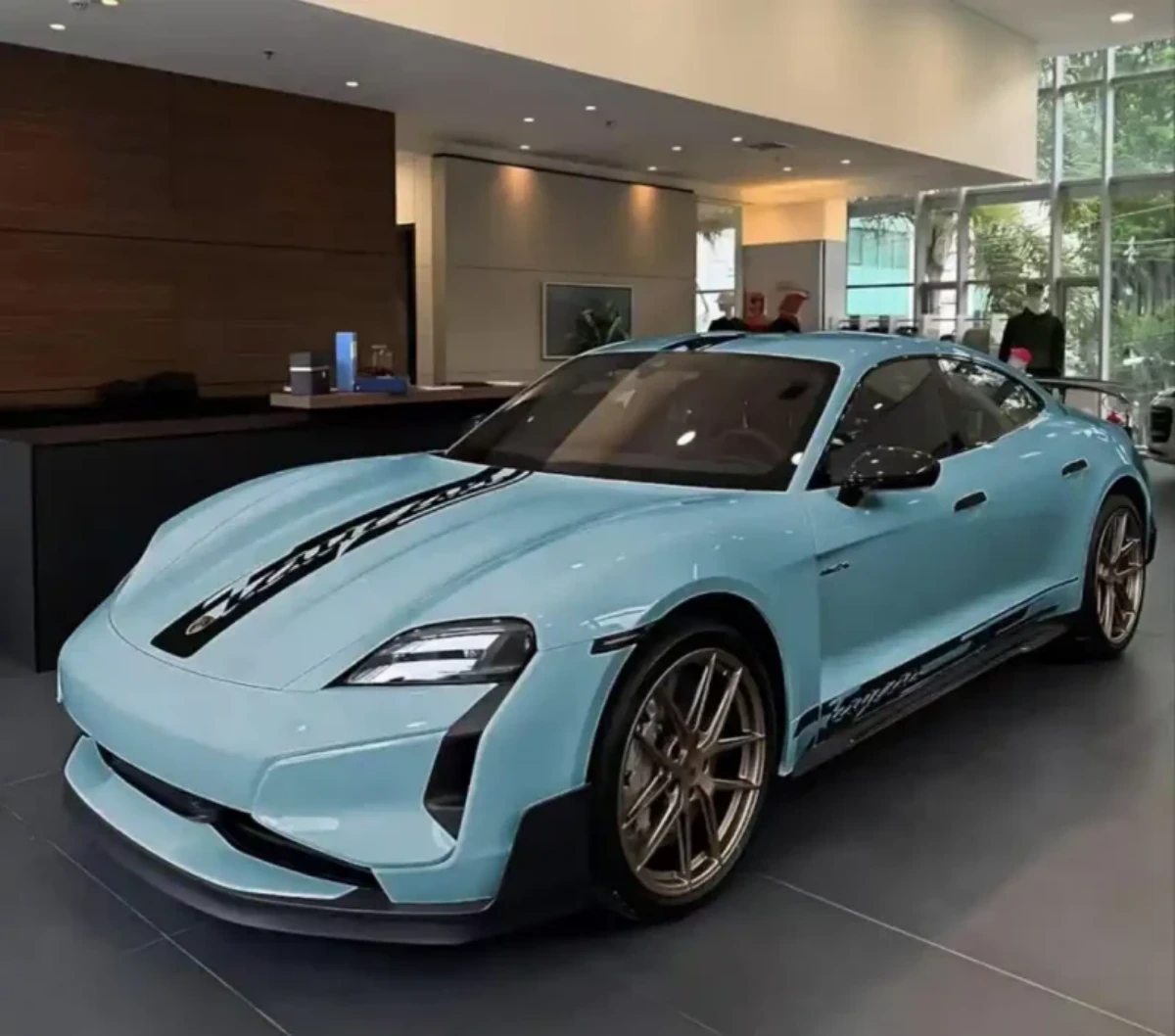
autoli TPU PPF Applied to all brand car models as Toyota、Benz、Honda、binli、Dodge.Our factory cooperates with Car Customization Shop、AutoZone、PPF trading、Auto Detailing Shop and all so in many countries and regions around the world,like Denmark,Macedonia,Sweden,Japan,Warranty: 10 years.Our advantages:SGS, ASTM, REACH, UL and other certifications;Strict quality control system;Raw material purchasing advantage;Efficient production reduces costs;Collaborate for Lucrative Returns: Source factory.Our factory also provides car wrapping、car film、Car Wraps.