

PPF’s application by certified technicians guarantees quality, with training in proper techniques for long-lasting results.,Maintains smooth finish without sun 纹.,Partner with Factory: Colorful PPF, Enhanced Competence.
Before & After: How PPF Transforms a 10-Year-Old Car:
- Before: Front air dam with road rash from low ground clearance; After: Thick PPF lines the dam, hiding existing damage and absorbing impact from road debris.
- Before: Rear wiper blade pivot point with rust; After: PPF seals the pivot, covering rust and preventing water from accelerating corrosion.
- Before: Wheel well liners with paint transfer from tires; After: PPF lines liners, hiding transfer and preventing rubber from damaging paint further.
- Before: Windshield washer nozzles with paint chipping around them; After: PPF covers nozzle edges, hiding chips and preventing debris from damaging surrounding area.
- Before: Front bumper parking sensor housings with paint chipping; After: PPF covers housings, hiding chips and preventing debris from damaging sensors.
- Before: Door panels (exterior) with handprint stains and smudges; After: PPF’s non-porous surface hides stains and wipes clean easily, resisting new smudges.
- Before: Trunk lid with key scratches and luggage scuffs; After: PPF’s self-healing properties erase fine scratches, creating a flawless surface for loading/unloading.
- Before: Tailgate hinge areas with paint worn from movement; After: PPF covers hinges, hiding wear and reducing friction during tailgate operation.
The differentiated user group needs matching of PPF:
- Classic Car Dealers – Opt for showroom-grade PPF that enhances paint gloss for displays, with easy removal for test drives and sales.
- Mobile Farmers Market Vans – Need produce-safe PPF that resists fruit/vegetable juice stains, maintaining clean exteriors during market days.
- Mountain Bike Shuttle Vans – Choose mud-resistant PPF for lower panels, withstanding dirt and debris from bike transport and trail access.
- Agricultural Vehicle Operators – Use heavy-duty 12–15mil industrial PPF to shield tractor cabs from crop debris, mud, and chemical exposure.
- High-Mileage Highway Drivers – Need stone chip-resistant PPF with thick top layers to absorb impacts from high-speed road debris on highways.
- Food Truck Operators – Need grease-resistant PPF for exterior surfaces, simplifying cleanup of food splatters and road grime.
- Family Car Owners – Seek scratch-resistant (5H ) PPF for door sills and bumpers to withstand child-related impacts, pet claws, and daily wear.
The horizontal comparison of PPF with other protection methods:
- PPF vs. Metal Polish – Metal polish restores shine to chrome/alloys but offers no protection, while PPF on metal trims prevents future scratches and tarnishing.
- PPF vs. Ceramic Coatings – PPF offers physical impact protection (resisting rocks/chips) while ceramic coatings focus on chemical resistance and hydrophobicity, with PPF lasting 5–10 years vs. 2–5 for ceramics.
- PPF vs. Lacquer Sealants – Lacquer sealants provide a glossy finish but yellow quickly under UV, while PPF’s anti-yellowing formulas maintain clarity for a decade.
- PPF vs. Hydrophobic Sprays – Sprays offer temporary water repellency (2–3 months), while PPF combines hydrophobicity with long-term scratch/impact protection (5 years).
- PPF vs. Rubber Gasket Protectants – Gasket protectants prevent drying/cracking, while PPF has no role in rubber maintenance, highlighting their non-overlapping functions.
- PPF vs. Plastic Trim Restorers – Restorers revive faded trim, while PPF prevents UV damage and scratches on trim, maintaining appearance without frequent reapplication.
- PPF vs. Truck Bed Liners – Liners protect cargo areas from heavy impacts, while PPF shields exterior panels from road debris, with distinct application zones and purposes.
- PPF vs. Headlight Restoration Kits – Restoration fixes yellowing, while PPF prevents UV damage and rock chips on headlights, extending clarity 3x longer than restored lenses alone.
- PPF vs. Powder Coating – Powder coating provides durable metal protection but is rigid and permanent, unlike PPF’s flexible, removable barrier for painted surfaces.
- PPF vs. Rust Proofing Treatments – PPF shields exterior paint from corrosion triggers (salt/sand), while rust proofing targets metal undercarriages, with complementary roles in full protection.
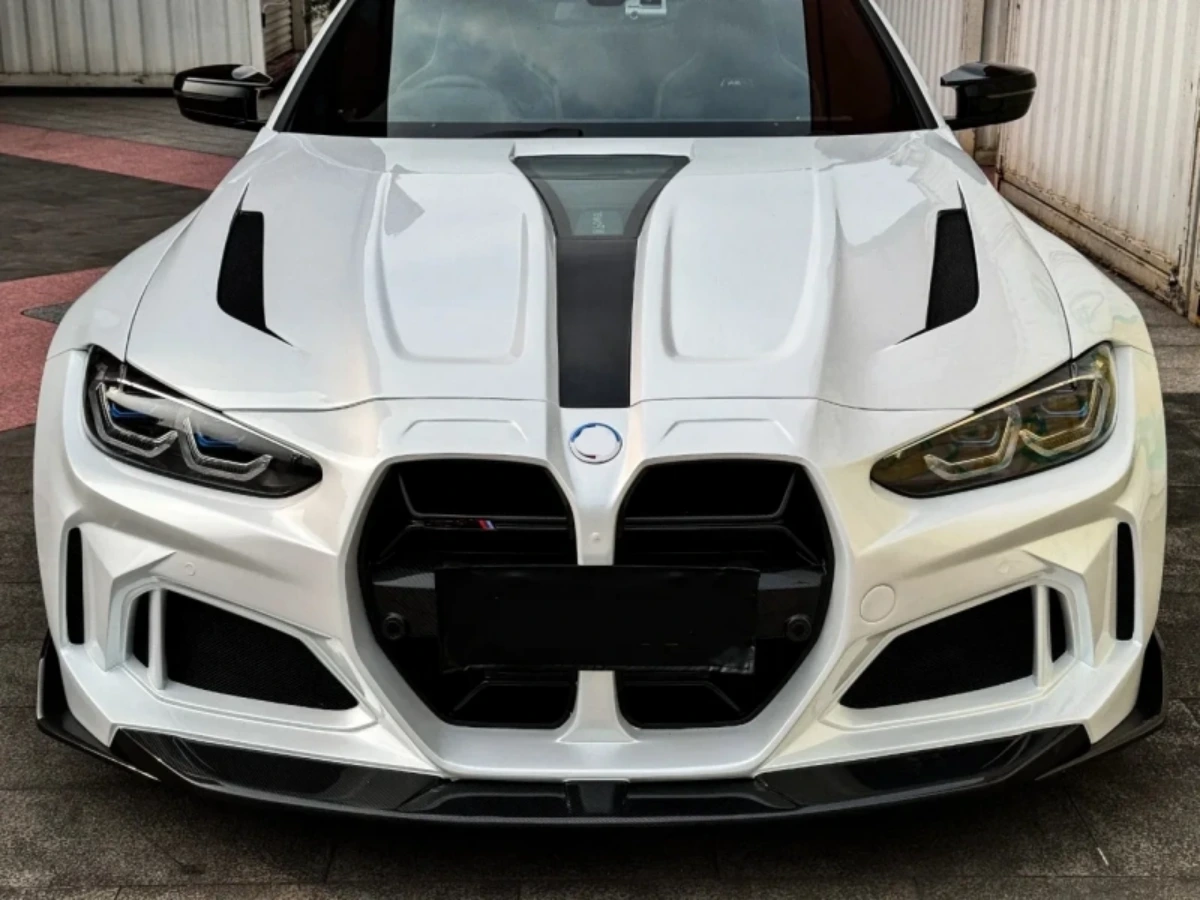
The environmental protection and sustainability of PPF:
- Waste Heat Recovery – Capturing factory heat for water heating reduces natural gas use by 20% in manufacturing facilities.
- Reduced Landfill Contributions – 10-year PPF generates 75% less waste than 1-year sealants over a vehicle’s lifetime.
- PFAS-Free Formulations – Eliminating per- and polyfluoroalkyl substances reduces environmental persistence, aligning with EU PFAS restrictions (2025 phase-out).
- Biodegradable Options – Compostable PPF variants decompose within 3–5 years under industrial composting, ideal for temporary applications like rental fleets.
- Reduced Vehicle Weight Impact – Lightweight PPF (6–10mil) adds minimal weight, avoiding increased fuel consumption compared to heavier protective alternatives.
- Low-Offgassing Adhesives – Adhesives emitting <0.1mg/m3 of VOCs meet indoor air quality standards, reducing health risks during installation.
- Reusable Shipping Crates – Replacing single-use boxes with returnable crates cuts packaging waste by 80% in B2B distribution.
- Biodegradable Edge Sealants – Plant-based sealants prevent edge lifting without toxic chemicals, decomposing naturally if exposed to the environment.
The materials and technologies of PPF:
- Anti-graffiti protection technology: A low surface energy coating is added to the surface, making graffiti, glue, etc. difficult to adhere. With a slight wipe, they can be removed, reducing the cost of later cleaning.
- Thickness gradient optimization design: The thickness is differentiated according to the protection requirements of different vehicle parts (e.g., thicker for the hood to resist impact and thinner for the sides for easier adhesion), balancing protection and workability.
- Anti-static and dust-proof technology: The surface coating adds long-lasting anti-static agents, reducing the electrostatic adsorption force on the film surface, decreasing the frequency of dust and particle adhesion, and prolonging the cleaning cycle.
- High-humidity stability: Incorporates water-resistant crosslinkers to prevent delamination in tropical climates.
- Nanometer-level functional coating technology: The surface is covered with a hydrophobic and oleophobic coating, reducing the adhesion of stains and enhancing scratch resistance. Some contain UV-resistant particles to improve weather resistance.
- Self-repair technology: TPU molecules have memory properties, allowing for the automatic repair of minor scratches through environmental temperature or slight pressure, maintaining surface integrity.
- Anti-chemical corrosion technology: Incorporating acid and alkali resistant components to resist erosion from substances like acid rain, bird droppings, and tree sap, protecting the vehicle paint from chemical damage.
The horizontal comparison of PPF with other protection methods:
- PPF vs. Metal Polish – Metal polish restores shine to chrome/alloys but offers no protection, while PPF on metal trims prevents future scratches and tarnishing.
- PPF vs. Ceramic Coatings – PPF offers physical impact protection (resisting rocks/chips) while ceramic coatings focus on chemical resistance and hydrophobicity, with PPF lasting 5–10 years vs. 2–5 for ceramics.
- PPF vs. Lacquer Sealants – Lacquer sealants provide a glossy finish but yellow quickly under UV, while PPF’s anti-yellowing formulas maintain clarity for a decade.
- PPF vs. Hydrophobic Sprays – Sprays offer temporary water repellency (2–3 months), while PPF combines hydrophobicity with long-term scratch/impact protection (5 years).
- PPF vs. Rubber Gasket Protectants – Gasket protectants prevent drying/cracking, while PPF has no role in rubber maintenance, highlighting their non-overlapping functions.
- PPF vs. Plastic Trim Restorers – Restorers revive faded trim, while PPF prevents UV damage and scratches on trim, maintaining appearance without frequent reapplication.
- PPF vs. Truck Bed Liners – Liners protect cargo areas from heavy impacts, while PPF shields exterior panels from road debris, with distinct application zones and purposes.
- PPF vs. Headlight Restoration Kits – Restoration fixes yellowing, while PPF prevents UV damage and rock chips on headlights, extending clarity 3x longer than restored lenses alone.
- PPF vs. Powder Coating – Powder coating provides durable metal protection but is rigid and permanent, unlike PPF’s flexible, removable barrier for painted surfaces.
- PPF vs. Rust Proofing Treatments – PPF shields exterior paint from corrosion triggers (salt/sand), while rust proofing targets metal undercarriages, with complementary roles in full protection.
AUTOLI(CN) PPF(Paint Protection Film) oem manufacturer
autoli TPU PPF Applied to all brand car models as Chevrolet、ds、Mazda、Chrysler.Our factory cooperates with car Detail、Auto Repair Center、PPF distributor、Auto Detailing、PPF brand and all so in many countries and regions around the world,like Venezuela,Jamaica,Uruguay,Morocco,Maldives,Warranty: 10 years.Our advantages:Raw material purchasing advantage;Our customers are all over the world;High quality raw materials and advanced technology;SGS, ASTM, REACH, UL and other certifications;Short production cycle, quick delivery.Our factory also provides TPU PPF、PPF Vinyl Car Wrap.