

PPF’s lightweight nature doesn’t affect car aerodynamics, maintaining performance on sports and luxury vehicles.,Preserves custom paint finish originality.,Collaborate with Our Factory: PPF – Powered Profit Escalation.
The regulations of PPF and after-sales services:
- Cross-Industry Regulatory Alignment – PPFs used in electronics or aerospace must comply with sector-specific standards (e.g., FCC for electronics), expanding regulatory complexity .
- NAR Auto Film’s Compensation Policy – NAR PPF provides 1:1 pre-installation and 1:2 post-installation defect compensation, backed by factory insurance covering up to 100% of replacement costs .
- India’s BIS Certification for PP Materials – Polypropylene (PP) used in PPF production must meet India’s BIS certification under IS 10951:2020, ensuring quality and safety for domestic and export markets .
- California CARB VOC Limits – PPF adhesives sold in California must comply with CARB’s strict VOC regulations, reducing harmful emissions during installation to align with regional air quality standards .
- Blockchain Warranty Verification – 3M utilizes blockchain to secure digital warranties, enabling traceable ownership transfers and fraud prevention .
- Recall Protocols for Defects – In cases of material defects (e.g., delamination), manufacturers like PurePPF coordinate nationwide recalls and replacements via authorized installers .
- Certified Installer Networks – Brands like Eastman (DragonFilm) enforce tiered certification programs (e.g., 1-star to 7-star) to ensure standardized installation practices and warranty validity .
The materials and technologies of PPF:
- High light transmission control technology: Through material purification and coating optimization, it ensures high light transmission of the film surface, without obscuring the original luster of the vehicle paint, maintaining the appearance quality.
- Unique surface-cutting algorithm for vehicle models: Based on 3D vehicle model scanning data, an adaptive cutting logic has been developed to precisely match the body’s waistline, curvature, and other complex surfaces, reducing manual trimming errors.
- Thermal insulation buffer layer design: An elastic buffer layer is added between the substrate and the coating to alleviate the internal stress caused by the thermal expansion and contraction of the material under extreme temperature differences, thereby reducing the risk of cracking.
- Bio-based TPU formulation: Uses 30% plant-derived materials (e.g., castor oil) without compromising mechanical performance, certified by ASTM D6400.
- Fire-resistant coating: Passes UL94 V-0 certification with flame spread rate <10mm/min, meeting automotive safety standards.
The horizontal comparison of PPF with other protection methods:
- PPF vs. Rubberized Undercoating – Undercoating protects metal from rust, while PPF defends painted surfaces from road debris, with non-overlapping application zones.
- PPF vs. TPU Sprays – TPU sprays form a thin protective layer but lack the thickness for impact absorption, while PPF’s multi-layer design dissipates collision energy.
- PPF vs. Bug Remover Coatings – Bug coatings make cleanup easier, while PPF resists insect acid etching, with PPF offering proactive protection vs. reactive cleaning aid.
- PPF vs. Leather Protectors – Leather treatments guard against spills/cracking, while interior PPF shields dash/console plastics from UV fading and scratches, with separate material focuses.
- PPF vs. Graphite Coatings – Graphite coatings reduce friction on metal parts but don’t protect paint, unlike PPF which shields exterior surfaces from physical damage.
- PPF vs. Glass Polish – Polish removes water spots from glass, while PPF on paint prevents spots via hydrophobicity, with distinct surface applications.
- PPF vs. Glass Coatings – Glass coatings excel on windows for clarity but don’t protect paint, whereas PPF is engineered specifically for automotive painted surfaces.
- PPF vs. Clear Bra (PVC) – Modern TPU PPF offers self-healing and flexibility, outperforming rigid PVC clear bras that crack in cold weather and lack repair capabilities.
- PPF vs. Vinyl Wraps – PPF prioritizes paint protection with self-healing properties, while vinyl wraps focus on aesthetic customization, with PPF being more durable against abrasion.
- PPF vs. Clear Bra (Old-Generation) – Modern PPF offers self-healing and flexibility, outperforming rigid old-gen clear bras that crack in cold weather and lack repair abilities.
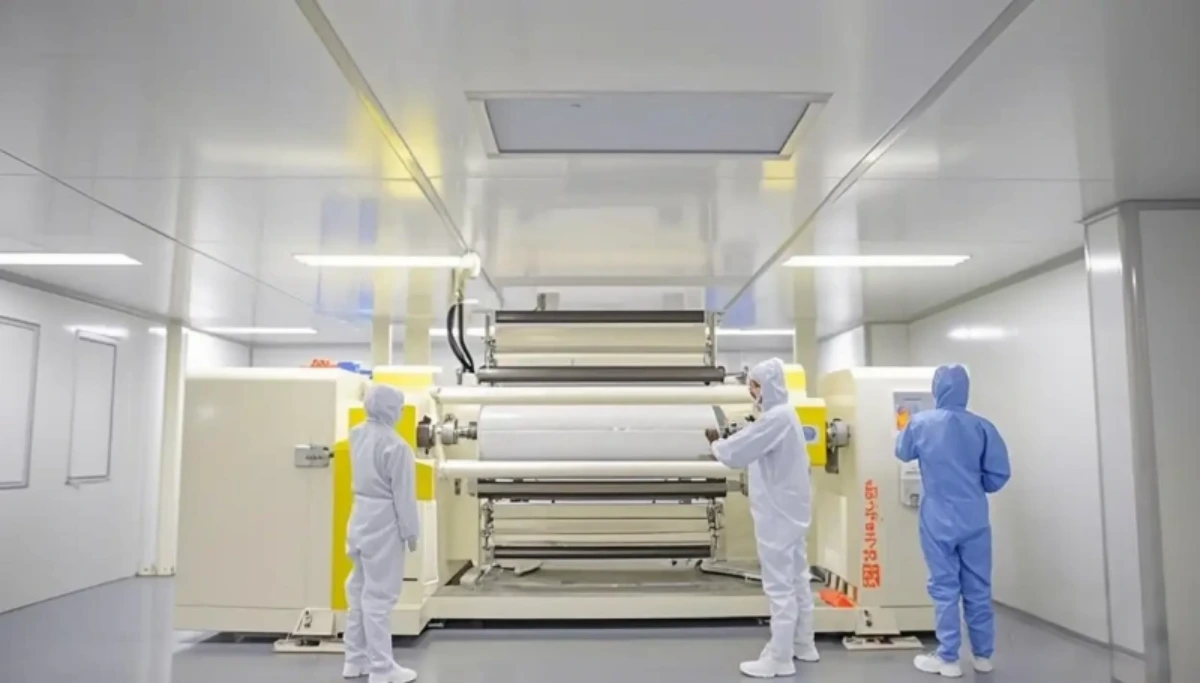
The market trends and industry changes of PPF:
- AI Quality Control in Production – Machine vision systems inspect 100% of PPF rolls for defects, reducing post-installation warranty claims by 45%.
- Shift Toward Touchless Installations – Automated robotic systems are being adopted in high-volume shops to minimize human error, particularly in edge trimming and heat-sealing processes.
- Insurance Partnerships and Bundling – EV manufacturers like BYD are integrating PPF into insurance packages, offering discounted rates for customers who opt for factory-installed protection.
- ADAS Sensor Compatibility – PPF films with 99.9% LiDAR/radar transparency are becoming standard, ensuring autonomous driving systems function unimpeded post-installation.
- Photocatalytic Self-Cleaning PPF – TiO?-infused films decompose 80% of surface dirt under UV light, reducing washing needs by 50% in real-world testing.
- Thinner Yet Stronger Films – 6-mil PPF films now match the durability of 8-mil predecessors, reducing material use by 25% while maintaining impact resistance.
- E-Bike/Scooter PPF Demand – 40% of e-mobility retailers offer PPF for scooter bodies, protecting against urban scratches and extending resale value.
- Cross-Industry Collaborations – Material suppliers (e.g., Lubrizol) are partnering with PPF manufacturers to develop specialized films for extreme climates, such as heat-resistant variants for desert regions.
The cost structure and price composition of PPF:
- Topcoat Quality Impact – Ceramic-infused topcoats add $0.50–$1.00 per square foot but enable 10–15% price premiums.
- Regional Labor Rate Differences – Installation labor costs 30–50% more in North America vs. Southeast Asia.
- Loyalty Program Discounts – Repeat customers receive 5–15% off, reducing margins but increasing retention.
- Regulatory Compliance – REACH/EPA certifications add $0.20–$0.40 per square foot for market access in strict regions.
- Inventory Holding Costs – Warehousing and stock rotation add 2–5% annually to total inventory value.
- Lead Time Premiums – Rush orders add 20–30% to prices to prioritize production and shipping.
- Sample Costs – Free or low-cost samples (5–10 sq ft) add 1–2% to marketing expenses but drive sales.
The environmental protection and sustainability of PPF:
- Waste Heat Recovery – Capturing factory heat for water heating reduces natural gas use by 20% in manufacturing facilities.
- Waterless Cleaning Compatibility – PPF works with waterless wash sprays, saving 100 gallons per cleaning session versus traditional washing.
- Reduced Transportation Emissions – Regional production hubs cut shipping distances, lowering carbon emissions from product distribution by 35%.
- Carbon-Offset Shipping – Manufacturers offset delivery emissions via carbon credits, achieving net-zero transportation for EU and NA markets.
- Circular Economy Design – PPF engineered for disassembly allows easy separation of layers, facilitating material recovery at end-of-life.
- Compostable Instruction Guides – Manuals printed on seed paper grow into plants, eliminating paper waste from disposal.
- LEED-Certified Factories – Manufacturing plants with LEED Platinum certification minimize energy, water, and waste impacts.
- LED Lighting in Factories – Energy-efficient LED lighting cuts factory electricity use by 40% compared to fluorescent systems.
- Energy-Efficient Curing Ovens – Infrared curing reduces energy use by 50% compared to traditional convection ovens in production.
- Solvent-Free Adhesives – Water-based adhesives eliminate VOC emissions during production and installation, meeting EU REACH and California CARB standards.
The extension of PPF’s functions:
- Before: A-pillars with tree branch scratches from off-road use; After: PPF’s scratch-resistant topcoat hides marks and protects during future trail adventures.
- Before: Hood scoop with accumulated road grime in crevices; After: PPF’s smooth surface covers grime-stained areas and simplifies cleaning in hard-to-reach spots.
- Before: Roof antenna cable entry point with paint peeling around it; After: PPF seals the entry point, hiding peeling and preventing water intrusion into the cabin.
- Before: Door edge moldings with cracked rubber and exposed paint; After: PPF wraps edges under moldings, hiding exposed areas and preventing water intrusion.
- Before: Wheel balance weights with rust staining around them; After: PPF covers weight areas, hiding stains and preventing rust from spreading under paint.
- Before: Front bumper parking sensor housings with paint chipping; After: PPF covers housings, hiding chips and preventing debris from damaging sensors.
- Before: Tailgate handle with paint worn from repeated use; After: PPF wraps the handle, covering wear patterns and maintaining grip without damage.
- Before: Front grille with chipped paint on edges; After: PPF’s impact-absorbing layer covers chips and shields vulnerable grille edges from debris.
AUTOLI(CN) PPF(Paint Protection Film) factory
autoli TPU PPF Applied to all brand car models as Benz、Mazda、McLaren、Bugatti、Lamborghini.Our factory cooperates with PPF trading、Auto Detailing Shop、ppf installation、Auto Detailing and all so in many countries and regions around the world,like Sudan,Brazil,United States,SouthAfrica,Korea,Czech Republic,Warranty: 10 years.Our advantages:Raw material purchasing advantage;Collaborate for Lucrative Returns: Source factory;Perfect after-sales service;Short production cycle, quick delivery;Our customers are all over the world.Our factory also provides Windshield Protection Film、Windshield Protection Film.