

PPF’s self-healing at room temp over time fixes micro-scratches, maintaining a smooth finish without intervention.,Reduces water spots with beading effect.,Our Factory Offers: Certified PPF, Competitive Rates.
The environmental protection and sustainability of PPF:
- Low-Energy Drying Processes – Air-dried production stages replace energy-intensive heat drying, cutting factory energy use by 15%.
- Biodegradable Edge Trims – Paper-based edge trims on PPF rolls decompose naturally, avoiding plastic trim waste.
- Recycled Water in Production – Closed-loop water systems reuse 90% of process water, limiting freshwater withdrawals.
- Extended Product Lifespan – 10 year durability reduces replacement frequency, lowering overall material consumption compared to annual waxing or sealants.
- Solar-Powered Warehousing – Solar panels on distribution centers meet 60% of energy needs, reducing reliance on fossil fuels.
- Renewable Raw Materials – TPU derived from castor oil or sugarcane reduces reliance on petroleum, with 30% lower carbon footprint than conventional TPU.
- 30% Recycled TPU Blends – Films incorporating recycled TPU reduce virgin plastic use, with mechanical properties matching 100% virgin materials.
- Low-Offgassing Adhesives – Adhesives emitting <0.1mg/m3 of VOCs meet indoor air quality standards, reducing health risks during installation.
- Renewable Energy Credits – Purchasing RECs offsets 100% of grid electricity use, making production carbon-neutral.
TPU PPF VS PET PPF:
- Cleaning Compatibility – TPU PPF works with pH-neutral cleaners, while PET PPF is sensitive to alcohol-based products, causing clouding.
- Cost Per Square Foot – TPU PPF averages $8–$15/sq ft, compared to PET PPF’s $3–$7/sq ft price point.
- Chemical Resistance – TPU PPF resists bird droppings and road salt for 72 hours, while PET PPF shows etching after 24 hours of exposure.
- Temperature Tolerance – TPU PPF withstands -40°C to 80°C without cracking, unlike PET PPF which becomes brittle below 0°C.
- Weathering Testing – TPU PPF passes 3,000 hours of QUV testing, while PET PPF fails at 1,500 hours with significant cracking.
- Ease of Repositioning – TPU PPF allows 3–5 repositioning attempts, whereas PET PPF’s adhesive activates permanently after initial contact.
The user scenarios and value validation of PPF:
- Police and Emergency Vehicles – Extends service life of patrol car paint by 2 years, reducing taxpayer costs for fleet repaints by $200k annually per department.
- Snowmobile Trail Groomers – Resists ice and salt corrosion on heavy machinery, reducing rust formation by 55% in cold-weather operations.
- Classic Muscle Car Racers – Protects 1970s Dodge Chargers during vintage races, with self-healing PPF hiding minor track debris impacts.
- Agricultural Vehicle Users – Shields tractor cabs from crop debris and mud, maintaining visibility and reducing cleaning time by 30% per week.
- Cold-Climate Users – Prevents salt and ice melt damage in Stockholm and Toronto, with PPF-treated bumpers showing 50% less winter-related etching.
- Police and Emergency Vehicles – Extends service life of patrol car paint by 2 years, reducing taxpayer costs for fleet repaints by $200k annually per department.
The cost structure and price composition of PPF:
- Volume Discounts – Fleet purchases reduce per-unit prices by 10–15% for orders over 50 vehicles.
- Raw Material Costs – TPU resin constitutes 35–45% of total production costs, with premium grades (self-healing) costing 2x standard TPU.
- Damage Waiver Fees – Optional $50–$100 waivers cover minor installation errors, adding 2–3% to revenue.
- Customer Acquisition Costs – Average $200–$500 per new client, factored into initial service pricing.
- Local Sourcing Savings – Regional TPU suppliers cut logistics costs by 10–15%, reflected in lower prices.
- Freight & Logistics – International shipping adds $0.50–$1.50 per square foot, higher for expedited delivery.
- Sales Commission – Dealer and distributor margins add 15–25% to wholesale prices before retail markup.
- Topcoat Quality Impact – Ceramic-infused topcoats add $0.50–$1.00 per square foot but enable 10–15% price premiums.
- End-of-Line Discounts – Discontinued models sold at 20–30% off to clear inventory.
The production supply chain and quality control system of PPF:
- Customs Broker Partnerships – Global logistics firms managing import/export documentation to comply with regional regulations.
- Third-Party Certification – Independent labs (e.g., SGS, Intertek) validating performance claims for warranties and marketing.
- Ethical Sourcing Policies – Prohibition of materials from conflict zones or suppliers with labor violations.
- Hydrophobicity Checks – Contact angle measurements (>110°) confirming topcoat water repellency before roll winding.
- Energy Supply Chain – Contracts with renewable energy providers for factories, reducing carbon emissions from production.
- Predictive Maintenance – IoT sensors on production equipment forecasting part failures to prevent unplanned downtime.
- Supplier Scorecards – Quarterly evaluation of suppliers on quality, delivery, cost, and sustainability metrics.
- Water Recycling Systems – Closed-loop water usage in cooling processes, sourced from local utilities with treatment partnerships.
- Additive Supply Chain – Strategic partnerships with specialty chemical firms for UV stabilizers, self-healing agents, and nano-ceramic additives.
The materials and technologies of PPF:
- Acoustic dampening technology: Reduces wind noise by 3-5 dB through porous foam layers embedded within the film structure.
- Smart damage detection layer: Embeds micro-sensors that interact with smartphone apps to alert users of hidden impacts or coating wear via subtle color shifts.
- Multi-layer color gradient: Creates seamless transitions between colors (e.g., from black to red) using nano-layer deposition techniques.
- High-humidity stability: Incorporates water-resistant crosslinkers to prevent delamination in tropical climates.
- Closed-loop recycling system: Integrates physical recycling processes for TPU waste, achieving 95% material recovery rate while maintaining mechanical properties.
- Self-healing quantum dot coating: Uses photoluminescent particles to repair micro-scratches within 10 minutes under sunlight.
The differentiated user group needs matching of PPF:
- Mountain Bike Shuttle Vans – Choose mud-resistant PPF for lower panels, withstanding dirt and debris from bike transport and trail access.
- College Students – Choose affordable 6mil PPF kits for first cars, balancing basic scratch protection with budget constraints.
- Mobile Veterinary Clinics – Require antimicrobial PPF for interior surfaces, inhibiting bacteria growth from animal interactions.
- Racing Team Vehicles – Require fire-resistant PPF (up to 200°C) for engine bays and fenders, withstanding high temperatures during track days.
- Limousine Services – Select mirror-finish PPF for black exteriors, minimizing swirl marks from frequent client pickups and drop-offs.
- Mobile Blood Donation Vans – Prefer easy-to-sanitize PPF for interior surfaces, maintaining hygiene standards between donor appointments.
The product classification and selection logic of PPF:
- Eco-Friendly Segmentation – Grouped as petroleum-based, bio-based, or recyclable PPF to align with sustainability priorities.
- Large Surface Coverage – Selecting wide-width rolls for RVs or commercial vehicles to minimize seam visibility.
- Aesthetic Priority Selection – Matching finish type (matte/gloss) to vehicle paint to preserve original appearance.
- Brand Reputation Consideration – Opting for established brands with proven track records over generic alternatives for reliability.
- Finish Sensitivity Matching – Using matte-specific PPF to prevent gloss distortion on specialty paint jobs.
- Function-Centric Categories – Segmented into self-healing, UV-resistant, anti-yellowing, and hydrophobic variants based on core benefits.
- Resale Value Protection – Investing in premium PPF for high-value vehicles to maintain paint condition for resale.
The horizontal comparison of PPF with other protection methods:
- PPF vs. Stone Guard Films (Thin) – Thin stone guards protect against small debris but lack self-healing, while PPF handles larger impacts and repairs minor damage automatically.
- PPF vs. Acrylic Sealants – Acrylic sealants offer temporary gloss (3–6 months) without impact resistance, while PPF adds a physical layer shielding against chips and scratches.
- PPF vs. Clear Enamel – Clear enamel is a permanent paint layer that cracks under impact, whereas PPF flexes to absorb collisions and can be replaced if damaged.
- PPF vs. Traditional Wax – PPF provides long-term scratch/dent defense (5 years) compared to wax’s 2–3 months of mild UV protection and gloss enhancement.
- PPF vs. Silicone Spray – Silicone spray repels water temporarily but attracts dust, unlike PPF’s long-lasting hydrophobicity that resists dirt buildup.
AUTOLI(CN) PPF(Paint Protection Film) manufacturer
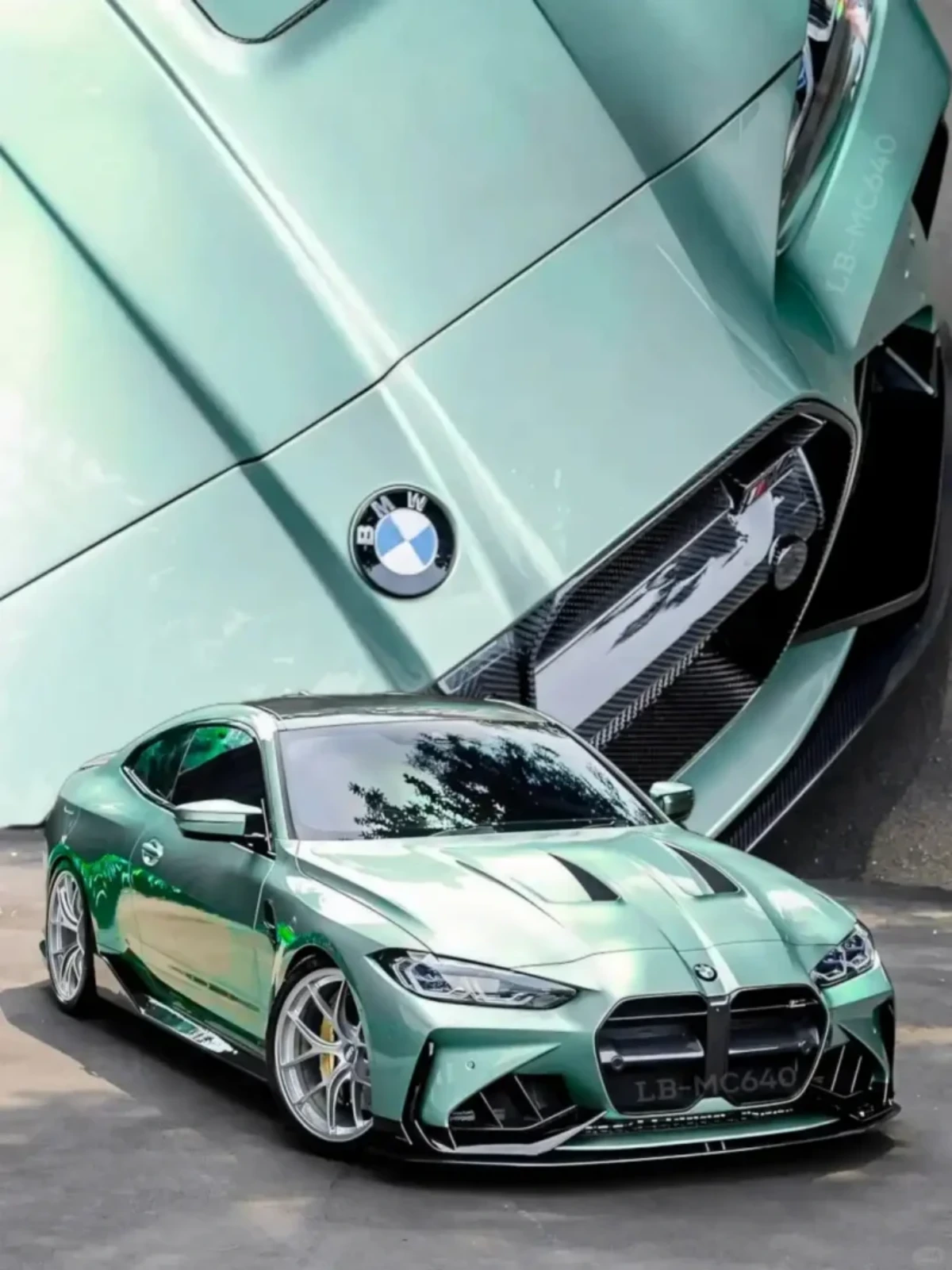
autoli TPU PPF Applied to all brand car models as Ferrari、Infiniti、Maserati、bmw.Our factory cooperates with Auto Detailing service、Auto Detailing Shop、ppf installation、PPF brand、Car Customization Shop and all so in many countries and regions around the world,like India,Paraguay,Morocco,Indonesia,Warranty: 10 years.Our advantages:Unlock Business Growth with Our Factory’s PPF;Perfect after-sales service;Our customers are all over the world.Our factory also provides Car Wrap Vinyl、Car PPF.