

PPF’s anti-static properties repel dust during application, ensuring a cleaner finish in the final product.,Heat-repositionable during installation.,Factory – Made: Rich – Style PPF, Quick Shipments.
The protective performance of PPF:
- Impact Energy Dispersion – Multi-layer design spreads collision forces across the film, minimizing stress on paint.
- Self-Healing Properties – Automatically repairs minor scratches and swirl marks when exposed to heat (e.g., sunlight or warm water).
- Environmental Friendliness – Recyclable TPU materials and solvent-free adhesives reduce ecological impact during production and disposal.
- **Long – Term Durability in Harsh Climates** – Whether in a hot and arid climate or a cold and snowy one, PPF maintains its protective qualities over an extended period.
- **Mechanical Abrasion Protection** – Protects against abrasions from objects rubbing against the vehicle, such as shopping carts in a parking lot or branches brushing against the side during off – road driving.
- Harsh Chemical Resistance – Stands up to brake fluid, carb cleaner, and road salts without staining or damage.
- Antimicrobial Coating – Inhibits microbial growth on touchscreens and interiors, enhancing hygiene in high-traffic areas.
- Off-Road Impact Protection – Thick films like Suntek Ultra Defense shield against branches, mud, and gravel in rugged terrains.
- Gasoline Spill Resistance – Withstands accidental fuel spills without swelling or discoloration, crucial for fuel-efficient vehicles.
- **Resistance to Abrasion from Roadside Vegetation** – When driving on narrow roads with overhanging vegetation, PPF protects the vehicle’s paint from scratches caused by the plants.
The long-term monitoring and maintenance system after the installation of PPF:
- Seasonal Yellowing Assessments – Comparing paint color with a reference sample using spectrophotometers to track ΔE values under varying UV exposure.
- Impact Damage Documentation – Taking timestamped photos of chips/scratches to monitor self-healing progress over weeks.
- Chemical Exposure Audits – Checking for discoloration or softening after contact with gasoline, brake fluid, or industrial cleaners.
- Abrasive Product Bans – Prohibiting use of clay bars, polishes with abrasives, or acidic cleaners that wear topcoats.
- Thermal Healing Activation – Parking in sunlight (or using low-heat hair dryers) to accelerate self-healing of minor scratches in cool weather.
- Post-Repair Sealing – Applying heat (60–70°C) with a heat gun after edge re-sealing to ensure adhesive reactivation.
- Cross-Seasonal Adjustments – Increasing cleaning frequency by 50% in rainy seasons; reducing in dry, dusty climates to minimize friction.
- End-of-Warranty Pre-Assessments – Comprehensive inspections 6 months before warranty expiry to address issues proactively.
The environmental protection and sustainability of PPF:
- Compostable Adhesives – Plant-based adhesives break down in 18 months under composting, avoiding persistent chemical residues in soil.
- Recycled Packaging – 90% of premium PPF brands use recycled cardboard and biodegradable film wrap, reducing packaging waste by 75%.
- Solar-Powered Warehousing – Solar panels on distribution centers meet 60% of energy needs, reducing reliance on fossil fuels.
- Heavy Metal-Free Pigments – Colored PPF uses organic pigments, eliminating lead, cadmium, and chromium from formulations.
- NGO Partnerships for Reforestation – Collaborations with WWF fund tree planting, offsetting 50% of production emissions annually.
- Reduced Landfill Contributions – 10-year PPF generates 75% less waste than 1-year sealants over a vehicle’s lifetime.
- Low-Impact Installation – Water-based application solutions replace harsh solvents, minimizing environmental harm during professional installation.
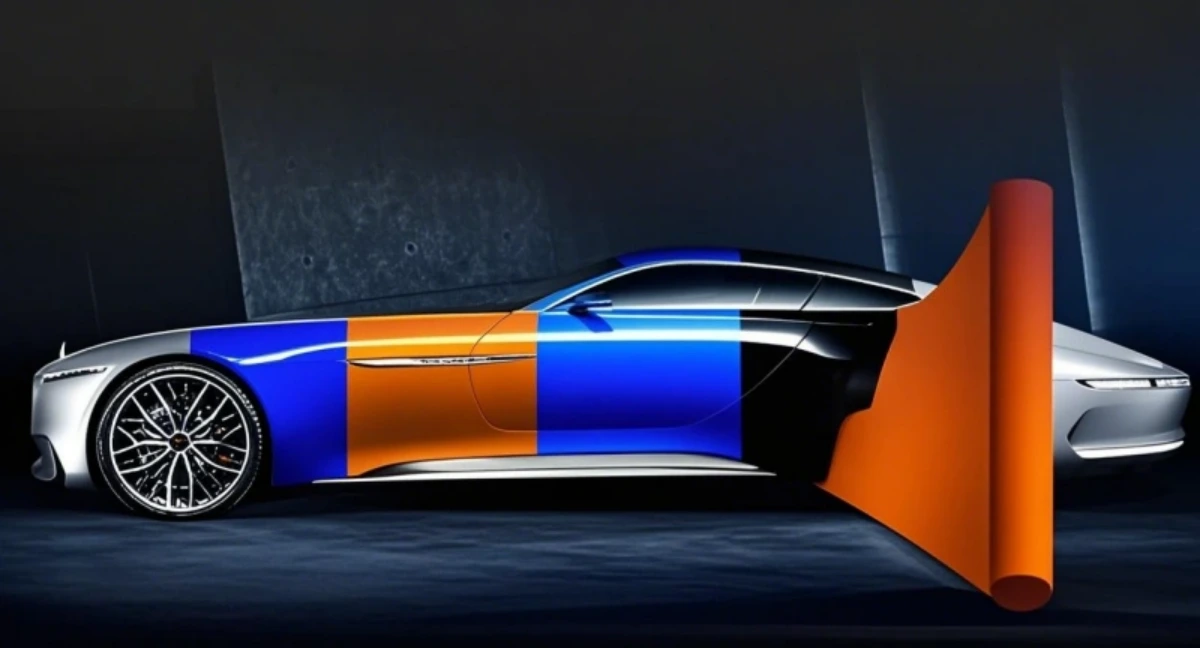
Why TPU PPF:
- Resale Value Boost – Adds outdoor living space appeal, increasing home value by 3–5%.
- Accessibility Compliance – Can be integrated with wheelchair-accessible pathways and ramps.
- Sloped Roof Compatibility – Adaptable to single-pitch or gable designs for water runoff in rainy regions.
- High-Strength Alloys – 6005-T5 aluminum provides optimal strength-to-weight ratio for structural beams.
- Cost-Effective Over Time – Lower lifetime costs despite 30% higher upfront price vs. wood.
- Space Optimization – Open rafter designs maximize usable space without visual clutter.
- Low Vibration Transfer – Stable structure minimizes shaking during storms or high winds.
- UV Protection – Reflective finishes reduce heat absorption, keeping underpergola areas 5–8°C cooler.
- Anti-Slip Flooring Support – Structurally sound for stone, wood, or composite decking installations.
The user pain points of PPF and their solutions:
- Uncertainty About Product Quality – Resolved by third-party certifications (ECOCERT, ISO 9001) and transparent material disclosure.
- Warranty Claim Denials – Prevented by transparent warranty terms, certified installer networks, and digital claim tracking.
- High Installation Costs – Mitigated by tiered pricing (DIY kits vs. premium pro installs) and financing options for budget flexibility.
- Damage from Road Debris – Mitigated by impact-dispersing multi-layer films, reducing stone chips by 70% at highway speeds.
- Uncertainty About Lifespan – Resolved by clear warranty durations (5–15 years) and real-world durability data from field tests.
- ADAS Sensor Interference – Prevented by radar-transparent PPF (99.9% signal transmission) tested with OEM systems.
The cutting-edge technology research and development of PPF:
- Multifunctional Nanocomposites – Black phosphorus nanosheets in PPF bone cements combine osteogenic activity with photothermal tumor ablation.
- Nano-Ceramic Reinforced PPF – Zirconia and alumina nanoparticles increase PPF hardness to 9H while maintaining 85% transparency.
- Multifunctional Self-Healing Films – Microcapsules containing both healing agents and antimicrobial silver ions offer dual functionality for medical devices.
- Photocatalytic Self-Cleaning – Titanium dioxide (TiO?) coatings decompose organic contaminants under UV light, reducing manual cleaning needs by 80%.
- Bio-Based UV Stabilizers – Plant-derived flavonoids and carotenoids replace synthetic HALS, maintaining UV resistance for 10 years.
- AI-Optimized Formulations – Machine learning models predict material performance across 10,000 TPU variants, accelerating R&D cycles by 60%.
The regulations of PPF and after-sales services:
- Cross-Industry Regulatory Alignment – PPFs used in electronics or aerospace must comply with sector-specific standards (e.g., FCC for electronics), expanding regulatory complexity .
- Supply Chain Traceability – EU PPWR mandates tracking PPF materials from production to disposal, ensuring compliance with recycled content targets (e.g., 30% by 2030) .
- Nano-Coating Warranty Bundles – Hybrid solutions combining PPF with ceramic coatings (e.g., Onyx PPF Nano Coat) offer extended warranties covering both layers .
- Regional Warranty Variations – PPF warranties often differ by region; for example, monsoon-prone areas may offer extended coverage for water ingress issues .
- EU Digital Product Passport – PPF manufacturers must disclose material composition and recycling details via the EU’s Digital Product Passport, enhancing supply chain transparency .
- Regional Regulatory Exemptions – Medical device packaging and hazardous goods transportation are exempt from EU PPWR’s recyclability rules, affecting niche PPF applications .
- DIY Installation Void Policies – Most warranties, including PurePPF and 3M, void coverage for self-installed films, emphasizing the need for certified professional application .
- California CARB VOC Limits – PPF adhesives sold in California must comply with CARB’s strict VOC regulations, reducing harmful emissions during installation to align with regional air quality standards .
- Warranty Transferability – Transferred vehicle ownership often requires warranty re-registration, with brands like 3M requiring updated documentation to maintain coverage .
The market trends and industry changes of PPF:
- AI Quality Control in Production – Machine vision systems inspect 100% of PPF rolls for defects, reducing post-installation warranty claims by 45%.
- TPU Dominance in Material Innovation – Thermoplastic polyurethane (TPU) films now account for 25% of global PPF installations, with self-healing TPU shipments rising 38% since 2021 due to superior scratch resistance and durability.
- Detailing Chain Partnerships – PPF brands are collaborating with chains like Detail Garage, offering co-branded training and product bundles to expand reach.
- Personalization Trends in Aesthetics – Demand for matte finishes, colored PPF, and custom textures is surging, with TPU-based films offering UV-resistant, self-healing properties to meet consumer preferences for vehicle customization.
- Consumer Education and Awareness – Social media campaigns and in-store demos are educating buyers on PPF benefits, with 72% of new luxury car owners now considering PPF as a must-have accessory.
- Ceramic-PPF Hybrid Kits – Pre-packaged ceramic coating PPF bundles now account for 25% of aftermarket sales, simplifying multi-layer protection for consumers.
- Photocatalytic Self-Cleaning PPF – TiO?-infused films decompose 80% of surface dirt under UV light, reducing washing needs by 50% in real-world testing.
- Sustainability-Driven Material Shifts – The EU’s Packaging and Packaging Waste Regulation (PPWR) mandates recyclable materials by 2030, prompting PPF manufacturers to adopt bio-based TPU and recycled polypropylene (PP) to reduce environmental impact.
- IoT-Enabled Performance Monitoring – Smart PPF prototypes with embedded sensors are being tested to monitor UV exposure and damage levels, providing real-time data for predictive maintenance.
- Rise of Professional Detailing Chains – Organized car care franchises in India and Thailand are offering PPF as a core service, bundling it with ceramic coatings and detailing packages to attract premium customers.
AUTOLI(CN) PPF(Paint Protection Film) oem manufacturer
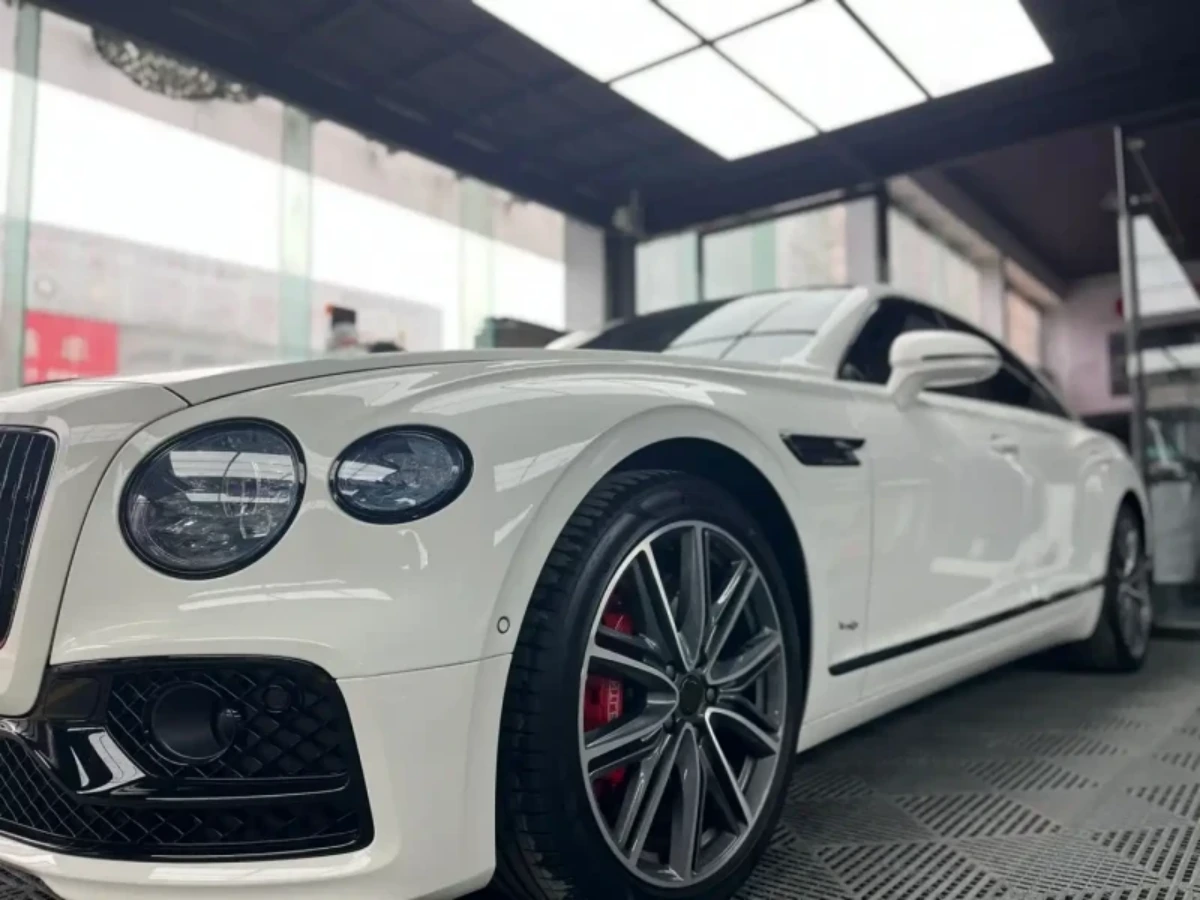
autoli TPU PPF Applied to all brand car models as ford、Mazda、AstonMartin、Honda.Our factory cooperates with Car Customization Shop、PPF wholesale、Auto Detailing Shop and all so in many countries and regions around the world,like Paraguay,Ecuador,Iran,India,Austria,Warranty: 10 years.Our advantages:Your Key to Profitable PPF Ventures;Efficient production reduces costs;Large stock of styles for you to choose from;Raw material purchasing advantage;Perfect after-sales service.Our factory also provides car wrapping、Vinyl Car Wrap、Paint Protection Film、Car Wraps.