

PPF’s protection during off-roading shields paint from mud, rocks, and debris encountered on rough terrain.,VOC emissions <0.1mg/m3 for safety.,Collaborate for Expansion: Fast Deliveries, Style – Rich PPF, and Authoritative Certifications.
The market trends and industry changes of PPF:
- Water-Based Adhesive Adoption – PPF manufacturers are shifting to water-based adhesives, reducing VOC emissions by 60% to meet EU and California air quality regulations.
- E-Bike/Scooter PPF Demand – 40% of e-mobility retailers offer PPF for scooter bodies, protecting against urban scratches and extending resale value.
- Premiumization Amid Inflation – Luxury PPF prices rose 12% in 2024, while budget options stayed stable, as brands prioritize high-margin segments.
- Rapid Growth of High-End PPF Market – The high-end PPF market is projected to reach $4.2 billion by 2033 at an 8% CAGR, driven by luxury vehicle ownership and demand for advanced protection features like self-healing technology.
- Aerospace PPF Expansion – Lightweight PPF is being tested on aircraft exteriors, protecting against bird strikes and UV degradation in high-altitude environments.
- Integration of Ceramic Coatings – PPF-safe ceramic coatings applied post-installation (e.g., Onyx PPF Nano Coat) boost scratch resistance by 40%, creating hybrid protection solutions.
The user pain points of PPF and their solutions:
- Warranty Void Due to DIY Installation – Resolved by offering “DIY-friendly” kits with warranty coverage for proper application.
- Confusion About Maintenance Products – Solved by brand-specific cleaning kits and “approved products” lists to avoid topcoat damage.
- Mold Growth in Humid Climates – Prevented by antimicrobial additives and breathable film designs allowing moisture evaporation.
- Complex Maintenance – Simplified via pH-neutral cleaning kits, hydrophobic topcoats, and quarterly sealant boosters.
- Matte Paint Distortion – Solved by matte-specific PPF (20–30% gloss) designed to preserve texture without shine spots.
- Yellowing Over Time – Solved by anti-yellowing formulations with HALS stabilizers and UV absorbers, maintaining clarity for 10 years.
The extension of PPF’s functions:
- Before: Rear bumper step pad with paint worn away; After: PPF adds protective layer, hiding bare spots and resisting future wear from stepping.
- Before: Faded red paint with uneven color from UV exposure; After: UV-blocking PPF revives depth and uniformity, making the color pop like fresh factory paint.
- Before: Front fenders with “spider web” cracks from age; After: PPF’s flexible layer covers fine cracks and reduces stress that causes further splitting.
- Before: Exhaust manifold heat shield with paint burned off; After: High-heat PPF covers shield, restoring appearance and resisting further heat damage.
- Before: Door latch striker plates with paint worn from contact; After: PPF lines striker areas, hiding wear and reducing friction between metal and paint.
- Before: Running boards with worn paint from foot traffic; After: PPF’s durable layer covers wear and resists scuffs from shoes and boots.
The cutting-edge technology research and development of PPF:
- Bio-Based Crosslinkers – Plant-derived citric acid and tannic acid replace toxic crosslinkers, achieving 100% biodegradability.
- Self-Healing Antimicrobial Films – Silver-ion-doped microcapsules combine scratch repair with 99.9% bacterial reduction for medical device applications.
- Self-Healing Microcapsules – Microencapsulated healing agents embedded in TPU films automatically repair scratches upon impact, restoring surface integrity without external heat.
- Multifunctional Smart Films – Integrated humidity sensors and pH indicators in PPF provide real-time environmental monitoring for agricultural applications.
- Smart UV Indicators – Photochromic dyes in PPF change color when UV exposure exceeds safe levels, alerting users to replacement needs.
- 3D-Printed Customization – Selective Absorption Fusion (SAF?) 3D printing allows complex PPF geometries with integrated channels for thermal management.
- Biodegradable Nanocomposites – Coconut husk-derived bioplastics and black phosphorus-reinforced PPF degrade in 3–5 years under industrial composting.
- Energy-Efficient Curing – Infrared curing systems reduce energy consumption by 50% compared to convection ovens, aligning with ISO 14001 sustainability standards.
- Dynamic Wettability Coatings – pH-responsive surfaces switch between superhydrophobic and hydrophilic states to adapt to varying environmental conditions.
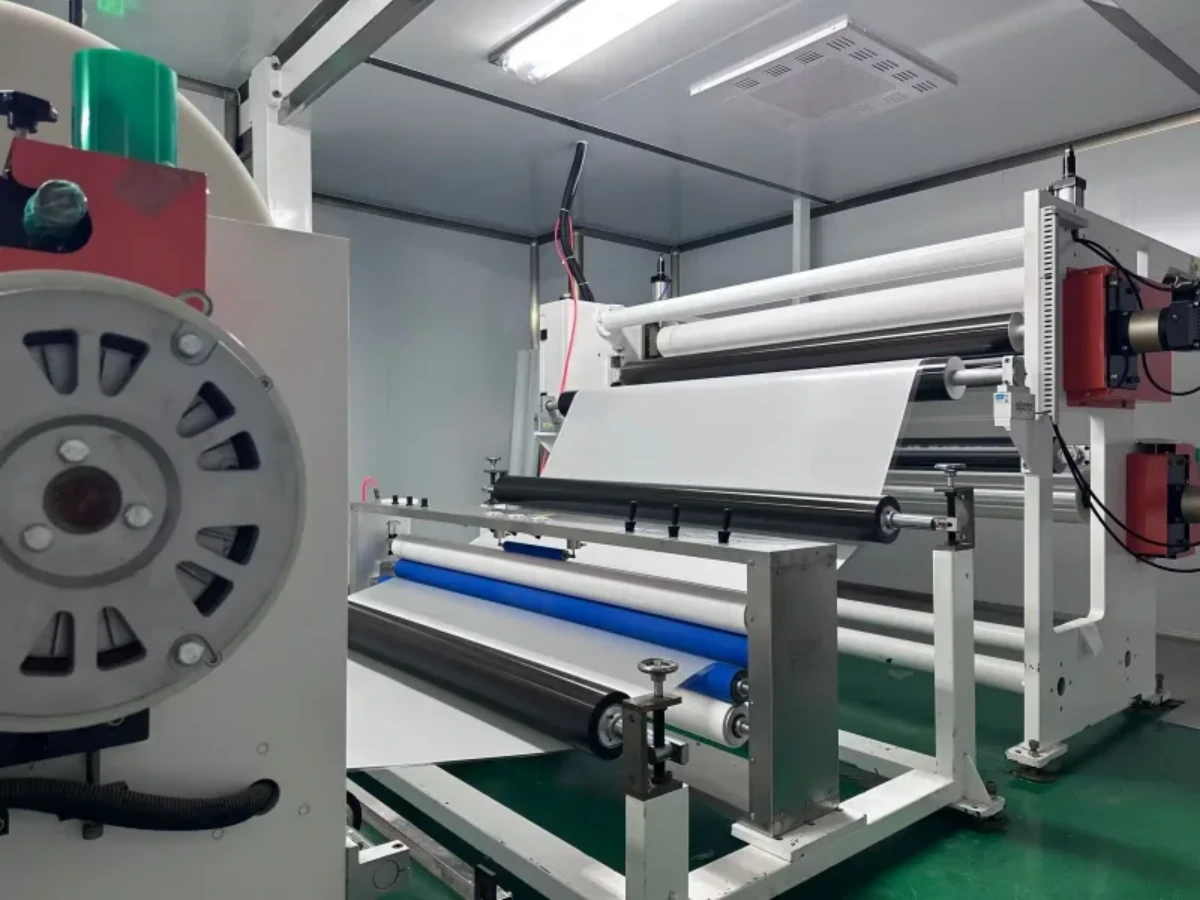
The environmental protection and sustainability of PPF:
- Circular Economy Design – PPF engineered for disassembly allows easy separation of layers, facilitating material recovery at end-of-life.
- Low-Impact Installation – Water-based application solutions replace harsh solvents, minimizing environmental harm during professional installation.
- Renewable Energy Credits – Purchasing RECs offsets 100% of grid electricity use, making production carbon-neutral.
- End-of-Life Recycling Guides – Consumer-facing tools explain how to recycle PPF, increasing proper disposal rates by 60%.
- Zero-Waste Manufacturing – Scrap PPF is recycled into production pellets, achieving 95% material utilization in closed-loop systems.
- Eco-Friendly Certification – PPF meeting ECOCERT or UL Environment standards verifies reduced environmental impact across product lifecycles.
- Natural Anti-Microbial Additives – Tea tree oil extracts replace synthetic biocides, maintaining hygiene with renewable ingredients.
- Plant-Derived UV Stabilizers – Natural antioxidants replace synthetic HALS, maintaining anti-yellowing performance with 60% renewable content.
- LED Lighting in Factories – Energy-efficient LED lighting cuts factory electricity use by 40% compared to fluorescent systems.
The horizontal comparison of PPF with other protection methods:
- PPF vs. Anti-Fade Treatments – Anti-fade treatments slow UV damage but don’t prevent scratches, unlike PPF which blocks UV rays and shields against physical wear.
- PPF vs. Anti-Static Sprays – Sprays reduce dust attraction temporarily, while PPF’s anti-static properties last for years, with both aiding cleanliness but PPF offering more durability.
- PPF vs. Rust Proofing Treatments – PPF shields exterior paint from corrosion triggers (salt/sand), while rust proofing targets metal undercarriages, with complementary roles in full protection.
- PPF vs. Hydrophobic Sprays – Sprays offer temporary water repellency (2–3 months), while PPF combines hydrophobicity with long-term scratch/impact protection (5 years).
- PPF vs. Anti-Corrosion Sprays – Sprays inhibit rust on bare metal but don’t protect paint, whereas PPF blocks corrosion triggers (salt, moisture) from reaching painted surfaces.
- PPF vs. Chrome Polish – Chrome polish removes tarnish but doesn’t prevent future damage, while PPF on chrome trims resists scratches and maintains shine long-term.
The cost structure and price composition of PPF:
- Low-Volume Vehicle Surcharges – Custom cuts for rare models add 20–30% due to template creation costs.
- Quality Control Expenses – Automated inspection systems add 3–5% to production costs but reduce warranty claims by 40%.
- Referral Program Incentives – $50–$100 discounts for referrals reduce net prices by 3–5% but lower acquisition costs.
- Energy-Efficient Production Savings – Solar-powered factories reduce energy costs by 20–30%, lowering unit prices marginally.
- Packaging Costs – Recyclable cardboard rolls and protective liners contribute 1–3% of total product costs.
- Equipment Rental Fees – Laser cutters and heat guns add $20–$50 per install to professional service costs.
- Regional Labor Rate Differences – Installation labor costs 30–50% more in North America vs. Southeast Asia.
The user scenarios and value validation of PPF:
- Solar Farm Maintenance Trucks – Resists dust and chemical exposure in desert solar sites, keeping vehicles operational with 25% less detailing.
- Desert Dwellers – Blocks UV-induced fading in Dubai and Phoenix, keeping paint vibrant 3x longer than unprotected vehicles in 45°C heat.
- Snowmobile Trail Groomers – Resists ice and salt corrosion on heavy machinery, reducing rust formation by 55% in cold-weather operations.
- Tropical Region Owners – Resists acid rain etching in Bangkok and Rio, with PPF maintaining 90% paint clarity vs. 60% for unprotected vehicles after 2 years.
- Beachside Rental Cars – Resists sand abrasion and salt spray in三亚 and Malibu, keeping rental fleets rentable with 40% fewer cosmetic repairs.
- Boat Owners – Protects fiberglass hulls from dock scratches and saltwater staining, reducing annual detailing costs by $1,200 for 20 foot boats.
- Off-Road Enthusiasts – Shields Jeep Wrangler and Ford Bronco fenders from trail rocks and branches, reducing paint repair costs by $800 annually.
- Commercial Fleet Operators – Reduces repaint frequency for Amazon delivery vans by 60%, cutting maintenance downtime by 15 hours per vehicle yearly.
- Luxury Vehicle Owners – Preserves factory paint on high-end cars like Mercedes-Maybach, with 92% of owners reporting retained resale value after 3 years of PPF use.
The extension of PPF’s functions:
- Before: Rear bumper step pad with paint worn away; After: PPF adds protective layer, hiding bare spots and resisting future wear from stepping.
- Before: Faded red paint with uneven color from UV exposure; After: UV-blocking PPF revives depth and uniformity, making the color pop like fresh factory paint.
- Before: Front fenders with “spider web” cracks from age; After: PPF’s flexible layer covers fine cracks and reduces stress that causes further splitting.
- Before: Exhaust manifold heat shield with paint burned off; After: High-heat PPF covers shield, restoring appearance and resisting further heat damage.
- Before: Door latch striker plates with paint worn from contact; After: PPF lines striker areas, hiding wear and reducing friction between metal and paint.
- Before: Running boards with worn paint from foot traffic; After: PPF’s durable layer covers wear and resists scuffs from shoes and boots.
AUTOLI(CN) PPF(Paint Protection Film) factory
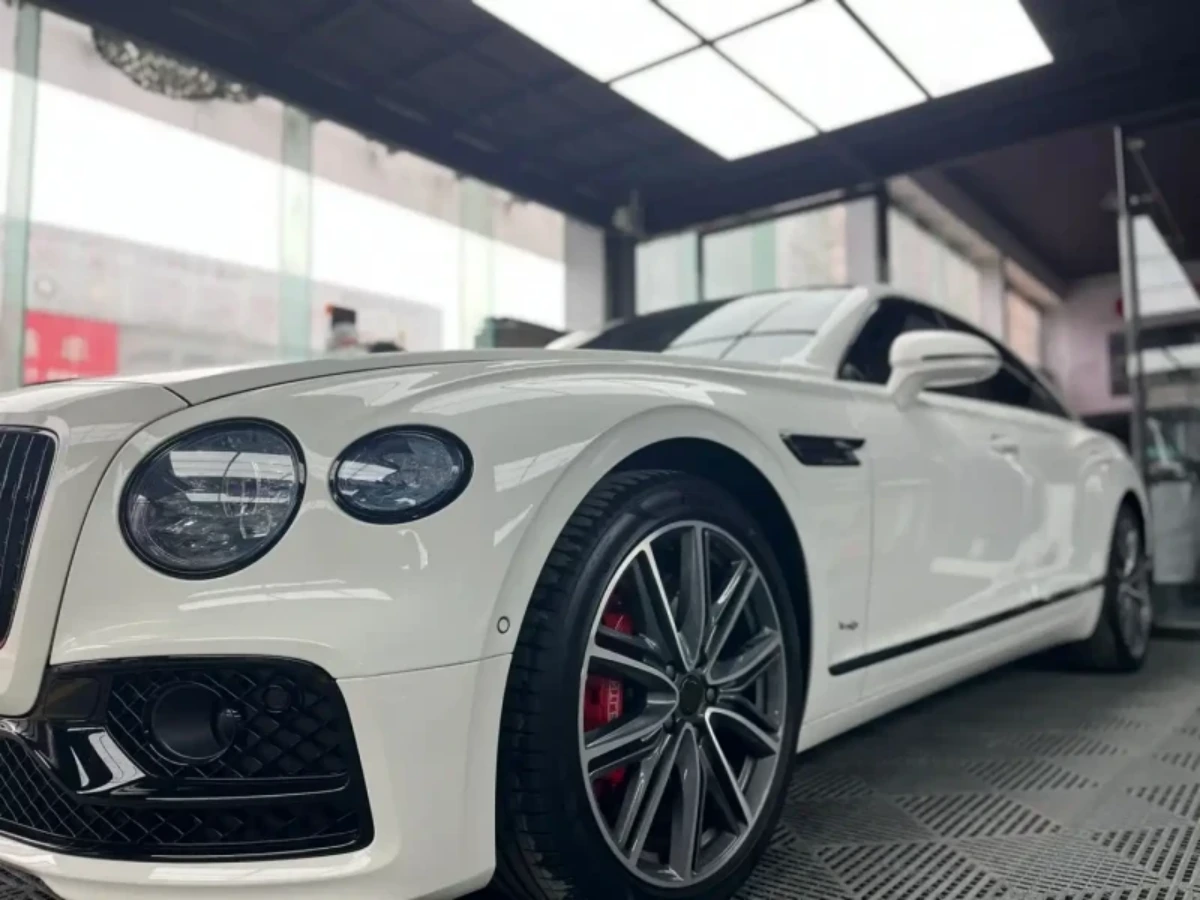
autoli TPU PPF Applied to all brand car models as ds、Buick、binli、AstonMartin.Our factory cooperates with PPF installer、Auto Detailing、ppf installation、AutoZone、Auto Repair Center and all so in many countries and regions around the world,like Jamaica,Venezuela,UK,Madagascar,Belgium,Warranty: 10 years.Our advantages:Large stock of styles for you to choose from;Short production cycle, quick delivery;Collaborate for Lucrative Returns: Source factory;Unlock Business Growth with Our Factory’s PPF;Strict quality control system.Our factory also provides car film、PET FILM.