

PPF’s lightweight nature doesn’t affect car aerodynamics, maintaining performance on sports and luxury vehicles.,Requires only soap-water for cleaning.,ccelerate Business Triumph: Low – Cost PPF, Ultra – Fast Delivery, Top – Notch Quality Marks.
The horizontal comparison of PPF with other protection methods:
- PPF vs. Liquid Glass Coatings – Liquid glass offers 6–12 months of chemical resistance but lacks physical impact protection, while PPF combines 5 years of scratch defense with self-healing capabilities.
- PPF vs. Leather Protectors – Leather treatments guard against spills/cracking, while interior PPF shields dash/console plastics from UV fading and scratches, with separate material focuses.
- PPF vs. Multi-Surface Sealants – Multi-surface sealants offer mild protection across materials, while PPF provides specialized, high-impact defense for painted surfaces alone.
- PPF vs. Anti-Graffiti Coatings – Anti-graffiti treatments focus on easy stain removal, while PPF adds physical barrier defense against scratches from graffiti tools.
- PPF vs. Silicone Spray – Silicone spray repels water temporarily but attracts dust, unlike PPF’s long-lasting hydrophobicity that resists dirt buildup.
- PPF vs. Stone Chip Resistant Paint – Factory chip-resistant paint offers minimal defense, while PPF adds a flexible layer that absorbs impacts, reducing chips by 75%.
- PPF vs. Traditional Wax – PPF provides long-term scratch/dent defense (5 years) compared to wax’s 2–3 months of mild UV protection and gloss enhancement.
- PPF vs. Clear Bra (Old-Generation) – Modern PPF offers self-healing and flexibility, outperforming rigid old-gen clear bras that crack in cold weather and lack repair abilities.
The user pain points of PPF and their solutions:
- Unclear Warranty Coverage – Clarified via digital warranty passports detailing exclusions (wear, improper maintenance) and inclusions.
- Poor Hydrophobicity Over Time – Restored by SiO? sealant boosters, reviving water repellency every 3–6 months.
- Warranty Void Due to DIY Installation – Resolved by offering “DIY-friendly” kits with warranty coverage for proper application.
- Expensive Repairs for Damage – Reduced via self-healing technology (repairs 3μm scratches with heat) and patchable film sections.
- Salt Corrosion in Coastal Areas – Mitigated by anti-corrosion additives and salt-resistant adhesives reducing rust under film.
- DIY Installation Failures – Resolved with pre-cut laser patterns, air-release adhesives, and step-by-step video tutorials.
The differentiated user group needs matching of PPF:
- Racing Team Vehicles – Require fire-resistant PPF (up to 200°C) for engine bays and fenders, withstanding high temperatures during track days.
- Park Ranger Vehicles – Choose camouflage-matched PPF that blends with natural environments while protecting paint from brush and wildlife impacts.
- Disaster Response Vehicles – Require durable PPF that withstands harsh conditions, protecting paint from debris during flood or wildfire relief.
- Food Truck Operators – Need grease-resistant PPF for exterior surfaces, simplifying cleanup of food splatters and road grime.
- Daily Urban Commuters – Seek 7–8mil UV-stabilized PPF for scratch resistance against parking lot dings and road debris during city driving.
- Delivery Drivers – Need high-abrasion 10mil PPF for rear bumpers and door edges, enduring frequent loading and curbside impacts.
- Farm Equipment Operators – Apply heavy-duty 12mil PPF to tractor hoods and cabs, resisting crop debris, mud, and chemical splatters.
The product classification and selection logic of PPF:
- Installation Environment Adaptation – Selecting low-temperature curing PPF for professional shops without climate control.
- Finish Enhancement Goals – Selecting high-gloss PPF to amplify paint shine for show vehicles or luxury cars.
- Multi-Surface Compatibility – Selecting PPF safe for paint, plastic, and chrome to enable full-vehicle protection with one product.
- Coverage Scope Classes – Divided into partial (hood/fenders), full vehicle, or component-specific (headlights, trim) coverage options.
- Function-Centric Categories – Segmented into self-healing, UV-resistant, anti-yellowing, and hydrophobic variants based on core benefits.
The protective performance of PPF:
- Easy Maintenance – Requires minimal cleaning and upkeep, reducing the need for frequent waxing or polishing.
- Multi-Surface Application – Suitable for glass, headlights, and chrome trim, providing uniform protection across diverse materials.
- High-Impact Energy Absorption – Multi-layer TPU films disperse collision forces, protecting against deep dents from rocks or debris.
- Salt Spray Resistance – Protects against corrosion caused by road salt used in winter or coastal environments.
- RAPID EDGE? Technology – Simplifies installation with warm water activation, reducing chemical reliance and securing edges efficiently.
- Edge Sealing Technology for Longevity – Prevents edge lifting through precise installation and heat-activated adhesive, ensuring 10 year durability.
- **Reduced Risk of Paint Cracking** – By providing a flexible and protective layer, PPF reduces the risk of paint cracking due to temperature changes or minor impacts.
- Harsh Chemical Resistance – Stands up to brake fluid, carb cleaner, and road salts without staining or damage.
- UV Resistance – Blocks harmful UV rays to prevent paint fading, oxidation, and premature aging.
- Long-Term Flexibility Retention – Maintains elasticity in extreme temperatures (-40°C to 120°C), preventing cracking or embrittlement.
The differentiated user group needs matching of PPF:
- Racing Team Vehicles – Require fire-resistant PPF (up to 200°C) for engine bays and fenders, withstanding high temperatures during track days.
- Park Ranger Vehicles – Choose camouflage-matched PPF that blends with natural environments while protecting paint from brush and wildlife impacts.
- Disaster Response Vehicles – Require durable PPF that withstands harsh conditions, protecting paint from debris during flood or wildfire relief.
- Food Truck Operators – Need grease-resistant PPF for exterior surfaces, simplifying cleanup of food splatters and road grime.
- Daily Urban Commuters – Seek 7–8mil UV-stabilized PPF for scratch resistance against parking lot dings and road debris during city driving.
- Delivery Drivers – Need high-abrasion 10mil PPF for rear bumpers and door edges, enduring frequent loading and curbside impacts.
- Farm Equipment Operators – Apply heavy-duty 12mil PPF to tractor hoods and cabs, resisting crop debris, mud, and chemical splatters.
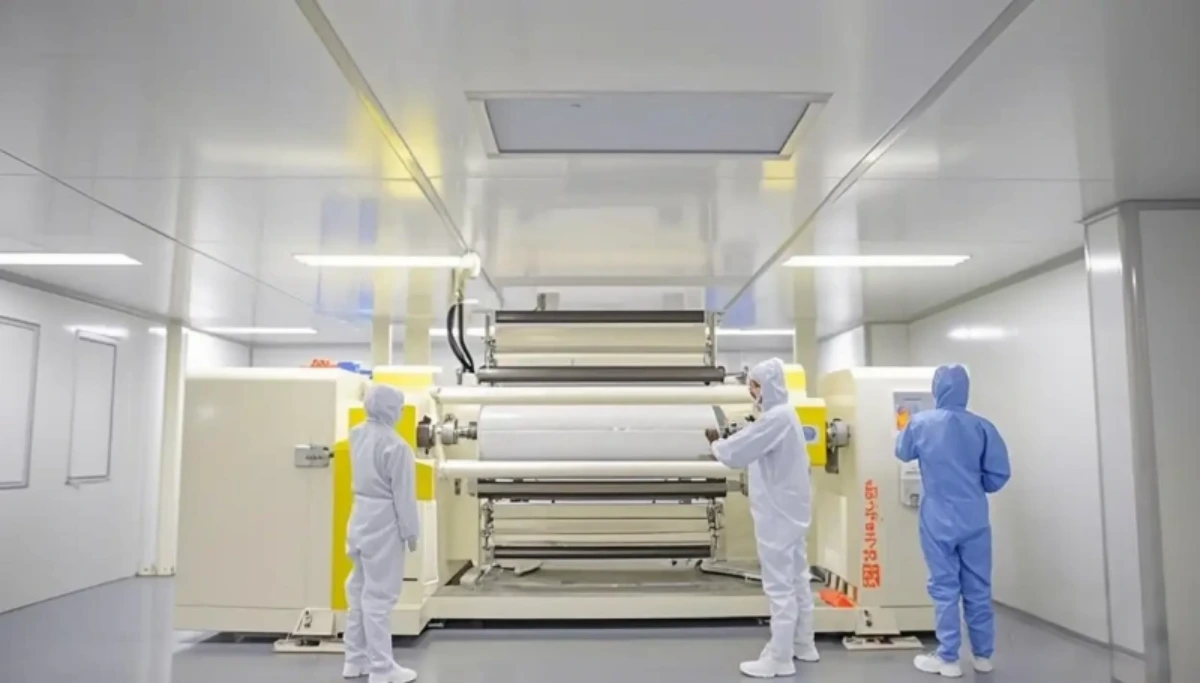
The production supply chain and quality control system of PPF:
- Root Cause Analysis – 5 Whys methodology applied to recurring defects to prevent reoccurrence.
- Predictive Maintenance – IoT sensors on production equipment forecasting part failures to prevent unplanned downtime.
- Digital Quality Records – Cloud-based storage of test results and audit reports for regulatory compliance and traceability.
- Transportation Logistics – Temperature-controlled trucking and ocean freight for long-distance shipments to prevent adhesive degradation.
- Coating Equipment Sourcing – Procurement of ceramic and self-healing coating lines from specialized industrial machinery providers.
- Global Raw Material Network – Multi-region sourcing of TPU to mitigate supply risks from geopolitical or logistical disruptions.
- Quality Management System (QMS) – ISO 9001-certified processes governing all stages from raw material to finished product.
- Additive Supply Chain – Strategic partnerships with specialty chemical firms for UV stabilizers, self-healing agents, and nano-ceramic additives.
How TPU Redefines PPF:
- Solar Reflection – TPU’s heat-reflective topcoats redefined PPF from heat-absorbing covers to cooling solutions reducing interior temperatures by 5–8°C.
- Heritage Preservation – TPU’s reversible application redefined PPF from damaging products to safe protectors for classic car original paint during shows and storage.
- Low-Maintenance Design – TPU’s self-cleaning properties redefined PPF from high-upkeep products to “set-it-and-forget-it” solutions requiring minimal care.
- Safety Enhancement – TPU’s impact absorption redefined PPF from cosmetic protectors to safety features reducing debris-related damage in accidents.
- Insurance Benefits – TPU’s damage reduction redefined PPF from cosmetic upgrades to insurance-pleasing investments lowering repair claims by 40%.
- Material Safety Shift – TPU’s non-toxic composition redefined PPF from PVC-based films (with harmful plasticizers) to eco-friendly options meeting global safety standards.
- High-Speed Protection – TPU’s impact-dispersing properties redefined PPF from urban-use products to highway-ready shields resisting high-velocity rock chips.
AUTOLI(CN) PPF(Paint Protection Film) manufacturer
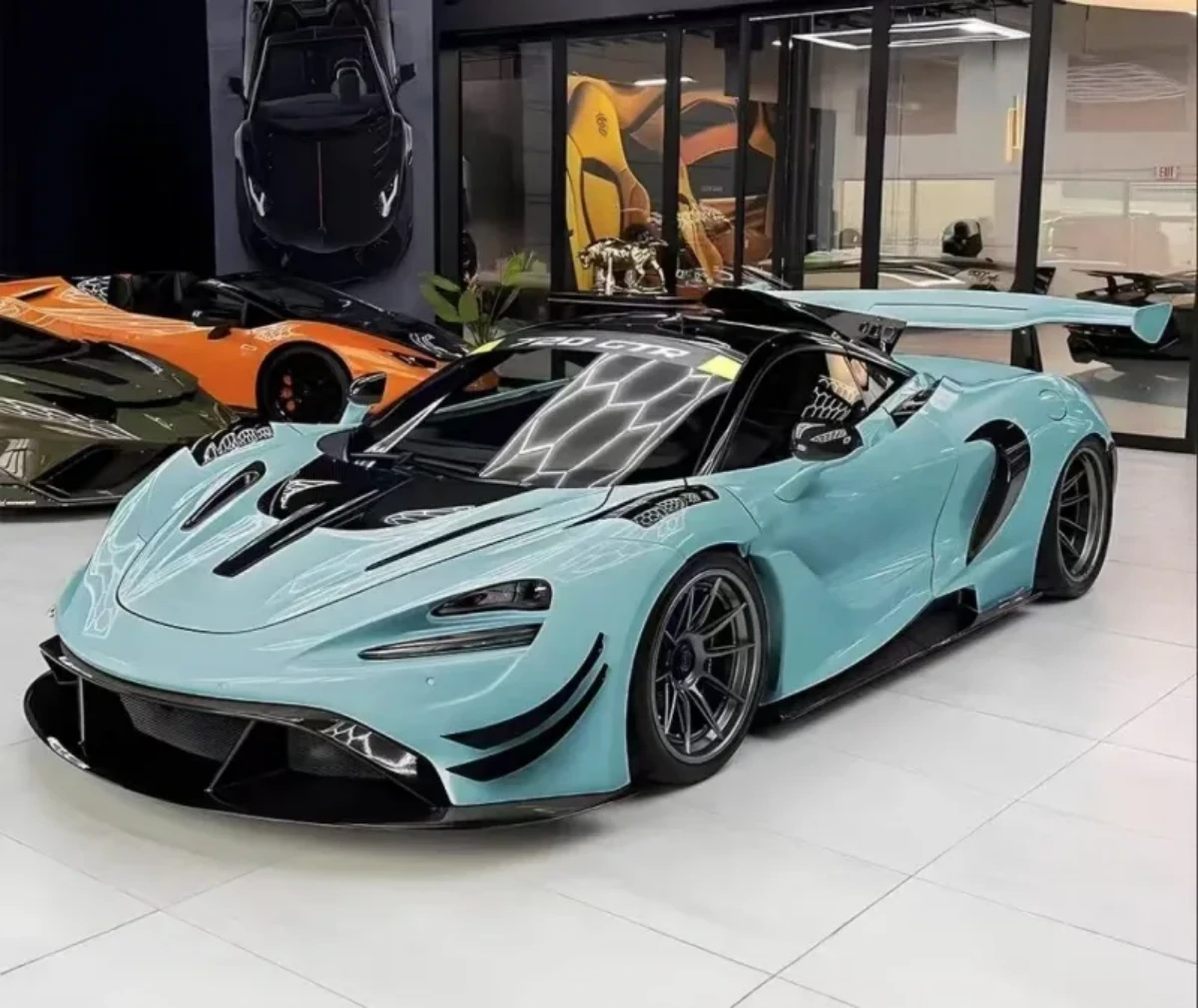
autoli TPU PPF Applied to all brand car models as Lexus、Tesla、Alfa Romeo、jeep、Audi.Our factory cooperates with car Detail、Car Customization Shop、PPF agent、PPF wholesaler and all so in many countries and regions around the world,like Australia,Turkey,Mexico,Norway,Colombia,Indonesia,Warranty: 10 years.Our advantages:Large stock of styles for you to choose from;Strict quality control system;Your Key to Profitable PPF Ventures;SGS, ASTM, REACH, UL and other certifications;Efficient production reduces costs.Our factory also provides car vinyl wrap、PPF FILM、Car Wraps.