

PPF’s nano-coatings lower surface temp by 8-12℃ in hot climates, reducing mold growth and interior heat buildup.,Self-heals hairline scratches at 40-60℃ temperature.,Unleash Your Business’s True Power: Partner with Our Factory’s Premier PPF.
The regulations of PPF and after-sales services:
- Post-Installation Inspections – Professional installers like NAR PPF conduct post-installation checks to ensure edge sealing and material adherence, minimizing warranty claims .
- China’s Consumer Complaint Channels – PPF buyers in China can file quality-related disputes through the national 12315 hotline, facilitating regulatory oversight and resolution .
- Regulatory Updates for EVs – EV-specific PPFs must comply with OEM heat resistance standards (e.g., 120°C for battery zones) to avoid delamination .
- NAR Auto Film’s Compensation Policy – NAR PPF provides 1:1 pre-installation and 1:2 post-installation defect compensation, backed by factory insurance covering up to 100% of replacement costs .
- DIY Installation Void Policies – Most warranties, including PurePPF and 3M, void coverage for self-installed films, emphasizing the need for certified professional application .
The long-term monitoring and maintenance system after the installation of PPF:
- UV Degradation Monitoring – Using colorimeters to measure ΔE values (ΔE 3 requires evaluation).
- Quarterly Sealant Boosts – Applying PPF-grade SiO? sealants to restore hydrophobicity and enhance scratch resistance.
- Warranty-Compliant Products – Using only brand-recommended cleaners (e.g., XPEL Fusion Plus) to maintain warranty validity.
- Seasonal Storage Preparation – Cleaning thoroughly, applying sealant, and using breathable covers before 30 day storage periods.
- Color-Enhancing Cleaners for Gloss PPF – Using polymer-enhanced cleaners to boost shine without abrasives on glossy finishes.
- High-Mileage Wear Mapping – Documenting wear patterns on PPF after 10k, 25k, and 50k miles to identify high-impact zones for future reinforcement.
- Monthly Deep Cleaning – Using pH-neutral (6–8) PPF-specific cleaners to dissolve road grime without damaging topcoats.
- Quarterly Thickness Gauging – Using ultrasonic thickness meters to ensure PPF retains ≥90% of original thickness, indicating minimal wear.
- Aftermarket Accessory Compatibility – Ensuring car bras or covers have soft liners that won’t scratch PPF during wind movement.
- Warranty-Approved Tools – Using only brand-recommended squeegees and applicators for DIY maintenance to avoid warranty voidance.
The differentiated user group needs matching of PPF:
- Desert Dwellers – Require sand-resistant PPF with anti-abrasion topcoats to prevent paint damage from blowing sand and extreme UV radiation.
- Ambulance Fleets – Need chemical-resistant PPF to withstand disinfectant exposure, maintaining markings and paint integrity during emergencies.
- Off-Grid Adventurers – Prioritize puncture-resistant PPF with 500% elongation, withstanding brush scratches during remote expeditions.
- Military Vehicle Collectors – Use camouflage-compatible PPF that preserves original paint while hiding minor scratches from display and transport.
- Photography Vehicle Owners – Select high-gloss white PPF for van exteriors, maintaining clean backdrops for on-location photo shoots.
- Luxury Yacht Tenders – Choose marine-grade PPF resistant to saltwater and UV, protecting fiberglass hulls from dock collisions and sun damage.
- Solar Farm Maintenance Trucks – Use dust-resistant PPF to protect cabs from desert sand, maintaining visibility and reducing cleaning needs.
- Mobile Bookstore Vans – Select scratch-resistant PPF for door edges, withstanding frequent customer entry/exit and book cart impacts.
- Historic Preservation Vehicles – Use reversible PPF that protects antique paint while allowing documentation of original surfaces for restoration records.
The construction and maintenance of PPF:
- Avoid Parking Near Construction – Reducing exposure to heavy dust, gravel, or paint overspray preserves PPF integrity.
- Sunlight Healing Activation – Parking in direct sunlight allows minor scratches to self-heal via heat-induced molecular repair.
- Tri-Stage Surface Cleaning – Washing, clay barring, and alcohol wipe-downs ensure 99% contaminant removal before PPF application.
- Avoid Vinyl Cleaners on PPF – Vinyl-specific products can contain chemicals that dull or degrade PPF topcoats.
- Test Applications on Scrap Panels – Practicing on metal scraps refines squeegee pressure before applying PPF to the vehicle.
- Masking Non-Target Areas – Using painter’s tape to protect glass, rubber trim, and emblems during cutting and application.
- Remove Bird Droppings Promptly – Cleaning acidic bird droppings within 24 hours prevents etching through the protective layer.
- Heat Activation for Adhesion – A heat gun (60–80°C) activates adhesives along edges and curves to secure long-term bonding.
- High-Temperature Tolerance Care – Parking in shaded areas during extreme heat (≥35°C) reduces topcoat oxidation risk.
The user perception and consumption misconceptions of PPF:
- Correct Perception: TPU vs. PVC Durability – Informed buyers recognize TPU PPF offers 3x longer lifespan than PVC, prioritizing flexibility and self-healing over cost.
- Consumer Misconception: “PPF Makes Car Washes Obsolete” – Thinking hydrophobic properties eliminate washing, not realizing heavy grime still requires cleaning.
- Correct Perception: Edge Sealing Importance – Savvy users check for heat-sealed edges, knowing proper sealing reduces lifting by 80% in car washes.
- Consumer Misconception: “PPF Removes Easily Without Residue” – Assuming all PPF peels cleanly, neglecting that old or low-quality films often leave adhesive residue requiring professional removal.
- Correct Perception: EV-Specific PPF Benefits – EV owners prioritize heat-resistant PPF for battery zones, reducing thermal damage risks during charging.
- Consumer Misconception: “Once Applied, No Maintenance Needed” – A common myth that PPF requires zero upkeep, ignoring the need for pH-neutral cleaning to preserve hydrophobicity.
The long-term monitoring and maintenance system after the installation of PPF:
- UV Degradation Monitoring – Using colorimeters to measure ΔE values (ΔE 3 requires evaluation).
- Quarterly Sealant Boosts – Applying PPF-grade SiO? sealants to restore hydrophobicity and enhance scratch resistance.
- Warranty-Compliant Products – Using only brand-recommended cleaners (e.g., XPEL Fusion Plus) to maintain warranty validity.
- Seasonal Storage Preparation – Cleaning thoroughly, applying sealant, and using breathable covers before 30 day storage periods.
- Color-Enhancing Cleaners for Gloss PPF – Using polymer-enhanced cleaners to boost shine without abrasives on glossy finishes.
- High-Mileage Wear Mapping – Documenting wear patterns on PPF after 10k, 25k, and 50k miles to identify high-impact zones for future reinforcement.
- Monthly Deep Cleaning – Using pH-neutral (6–8) PPF-specific cleaners to dissolve road grime without damaging topcoats.
- Quarterly Thickness Gauging – Using ultrasonic thickness meters to ensure PPF retains ≥90% of original thickness, indicating minimal wear.
- Aftermarket Accessory Compatibility – Ensuring car bras or covers have soft liners that won’t scratch PPF during wind movement.
- Warranty-Approved Tools – Using only brand-recommended squeegees and applicators for DIY maintenance to avoid warranty voidance.
The regulations of PPF and after-sales services:
- Post-Installation Inspections – Professional installers like NAR PPF conduct post-installation checks to ensure edge sealing and material adherence, minimizing warranty claims .
- China’s Consumer Complaint Channels – PPF buyers in China can file quality-related disputes through the national 12315 hotline, facilitating regulatory oversight and resolution .
- Regulatory Updates for EVs – EV-specific PPFs must comply with OEM heat resistance standards (e.g., 120°C for battery zones) to avoid delamination .
- NAR Auto Film’s Compensation Policy – NAR PPF provides 1:1 pre-installation and 1:2 post-installation defect compensation, backed by factory insurance covering up to 100% of replacement costs .
- DIY Installation Void Policies – Most warranties, including PurePPF and 3M, void coverage for self-installed films, emphasizing the need for certified professional application .
The cost structure and price composition of PPF:
- Additive Expenses – UV stabilizers and self-healing agents add $0.50–$1.20 per square foot to material costs.
- Environmental Certification Premiums – Eco-friendly PPF costs 5–10% more due to sustainable material sourcing.
- Regulatory Compliance – REACH/EPA certifications add $0.20–$0.40 per square foot for market access in strict regions.
- Topcoat Quality Impact – Ceramic-infused topcoats add $0.50–$1.00 per square foot but enable 10–15% price premiums.
- Military/First Responder Discounts – 10–15% price reductions, offset by tax benefits for businesses.
- Automation Savings – AI quality control reduces labor costs by 5–8%, enabling 2–3% price reductions.
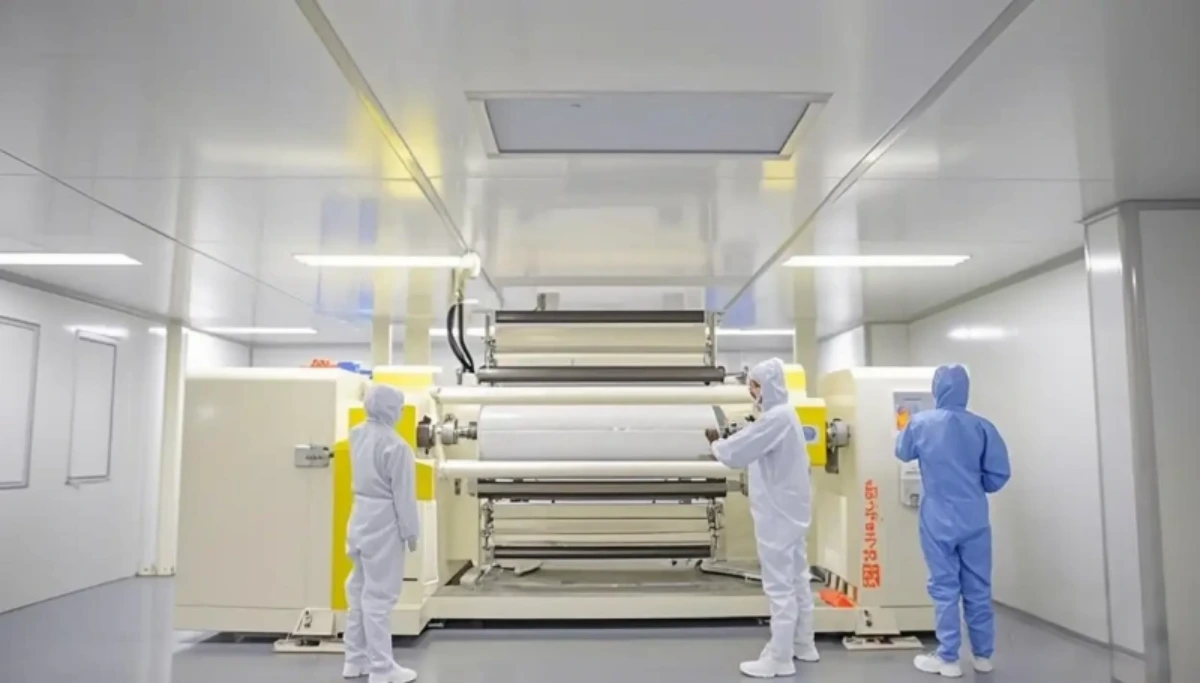
AUTOLI(CN) PPF(Paint Protection Film) oem manufacturer

autoli TPU PPF Applied to all brand car models as acura、binli、Bugatti、Jaguar.Our factory cooperates with PPF brand、ppf installation、Auto Spa and all so in many countries and regions around the world,like Brazil,UK,Indonesia,India,Finland,Warranty: 10 years.Our advantages:Efficient production reduces costs;Perfect after-sales service;Short production cycle, quick delivery;Large stock of styles for you to choose from;Your Key to Profitable PPF Ventures.Our factory also provides Windshield Protection Film、Car Paint Protection Film.