

PPF boosts paint gloss by 20-40% with 95% light transmittance and <1.5% haze, retaining the factory finish’s natural luster.,Shields paint from scratches with durable TPU material.,Factory – Direct PPF: Perfect for Budget – Conscious Users.
The protective performance of PPF:
- Sound Dampening via Multi-Layer Design – Engineered with acoustic layers to minimize road noise transmission, enhancing cabin comfort.
- Brake Dust Chemical Resistance – Resists etching from iron-rich brake dust, maintaining wheel and fender clarity in high-performance vehicles.
- Stone Chip Protection – Shields against chips and dents caused by stones, gravel, and other road debris.
- Advanced Anti-Yellowing Formula – Incorporates UV inhibitors and stabilizers to prevent discoloration over 5 years of exposure.
- Chemical Resistance – Resists damage from acids, oils, solvents, and corrosive substances like road salt and industrial pollutants.
- Crystal-Clear Clarity – Maintains original interior aesthetics without distortion, preserving factory finishes.
TPU PPF VS PET PPF:
- Abrasion Recovery – TPU PPF’s topcoat recovers from light abrasion, while PET PPF’s surface damage is permanent.
- User Satisfaction – 90% of TPU PPF users report satisfaction after 3 years, compared to 60% satisfaction with PET PPF.
- Eco-Friendliness – TPU PPF is 100% recyclable, while PET PPF’s adhesive layers complicate recycling, resulting in 60% lower recovery rates.
- Temperature Tolerance – TPU PPF withstands -40°C to 80°C without cracking, unlike PET PPF which becomes brittle below 0°C.
- Adhesive Aging – TPU PPF’s adhesive retains 80% strength after 5 years, while PET PPF’s adhesive loses 50% strength in 3 years.
- UV Stability – TPU PPF with HALS additives resists yellowing for 10 years, while PET PPF typically yellows within 2–3 years of UV exposure.
- Scratch Hardness – TPU PPF with ceramic topcoats achieves 9H hardness, while PET PPF maxes at 6H, showing more visible scratches.
- Installation Ease – TPU PPF’s air-release adhesives allow repositioning, while PET PPF’s aggressive adhesives make alignment errors irreversible.
Say Goodbye to Car Scratches: Self-Healing PPF Revealed!:
- Years of healing cycles won’t thin the film—PPF retains 90% of its original thickness, avoiding premature replacement.
- Classic car owners protect original paint with self-healing PPF, as scratches heal without damaging vintage finishes.
- Microfiber drying scratches vanish, making DIY cleaning safer for preserving your car’s finish.
- Morning scratches from your commute can vanish by afternoon sunlight, keeping your car looking pristine throughout the day.
- Car dealerships keep demo vehicles looking new with self-healing PPF, reducing reconditioning costs between test drives.
- Modern self-healing PPF reduces “micro-marring” that dulls paint over time, keeping finishes brighter longer.
- Matte finish owners get scratch repair that preserves texture, avoiding glossy spots from traditional polishing.
The long-term monitoring and maintenance system after the installation of PPF:
- Industrial Zone Contamination Checks – Increasing cleaning frequency near factories to remove chemical particulates that degrade topcoats.
- DIY Maintenance Guides – Following step-by-step brand protocols for cleaning, avoiding common mistakes like circular wiping.
- Seasonal Yellowing Assessments – Comparing paint color with a reference sample using spectrophotometers to track ΔE values under varying UV exposure.
- Cold-Weather Adhesive Care – Avoiding pressure washing in sub-zero temperatures to prevent thermal shock to adhesives.
- Professional Detailing Partnerships – Scheduling annual professional decontamination (iron removal, tar cleanup) to preserve topcoat.
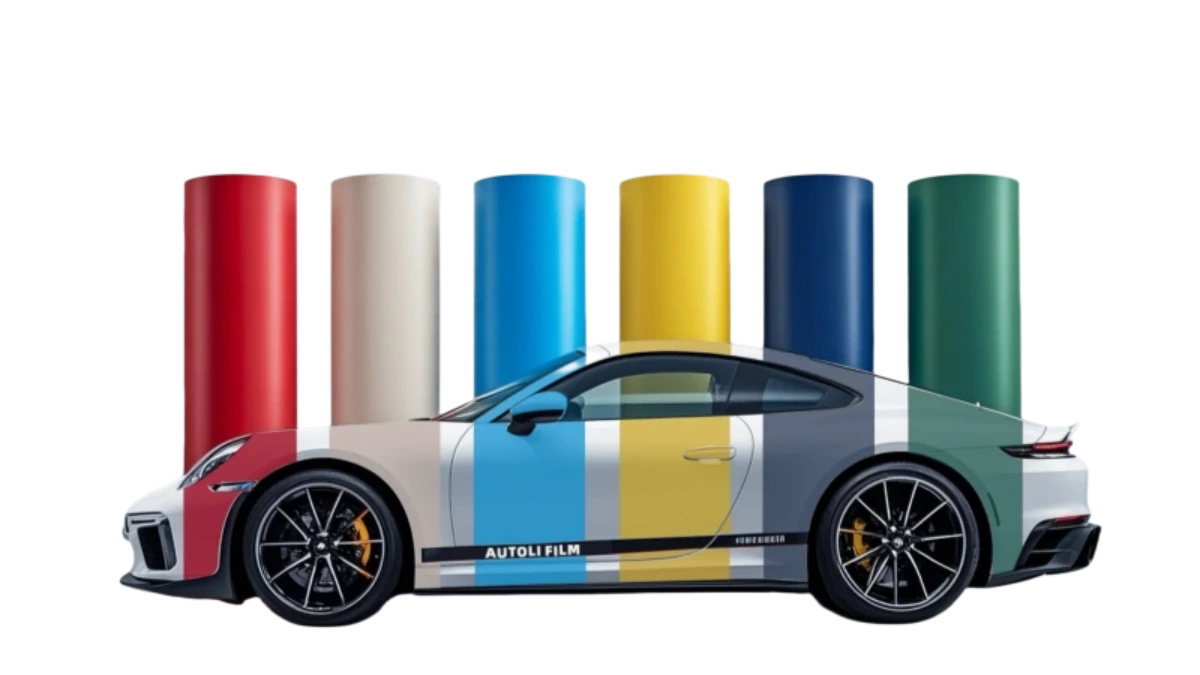
The user scenarios and value validation of PPF:
- Tropical Region Owners – Resists acid rain etching in Bangkok and Rio, with PPF maintaining 90% paint clarity vs. 60% for unprotected vehicles after 2 years.
- Custom Paint Owners – Preserves expensive matte or chameleon finishes, with PPF preventing swirl marks that would ruin $5,000 custom paint jobs.
- Dirt Bike Racers – Shields plastic fenders from rock impacts during motocross events, with PPF extending part life by 2 seasons.
- Historic Vehicle Restorers – Preserves rare 1930s Ford Model A paint while allowing safe display, with removable PPF avoiding damage to delicate finishes.
- Low-Maintenance Users – Minimizes washing frequency for busy professionals, as hydrophobic PPF keeps vehicles 30% cleaner between washes.
- Desert Dwellers – Blocks UV-induced fading in Dubai and Phoenix, keeping paint vibrant 3x longer than unprotected vehicles in 45°C heat.
- Senior Drivers – Reduces anxiety about minor parking mishaps, with PPF hiding 90% of small dents and scratches from low-speed impacts.
- Cold-Climate Users – Prevents salt and ice melt damage in Stockholm and Toronto, with PPF-treated bumpers showing 50% less winter-related etching.
- Mobile Veterinary Vans – Shields interiors from animal fluids and scratches, with PPF making sanitization 30% more efficient between appointments.
- Military Reserve Vehicle Owners – Protects surplus Jeep Wranglers from off-road training damage, maintaining functionality for both duty and leisure use.
The horizontal comparison of PPF with other protection methods:
- PPF vs. Chassis Undercoating – Undercoating protects metal from rust, while PPF defends visible painted surfaces from chips, with both addressing different vehicle vulnerability areas.
- PPF vs. Silicone Coatings – Silicone coatings repel water but degrade quickly (1–2 years) under UV exposure, whereas PPF maintains hydrophobicity for 5 years with UV stabilizers.
- PPF vs. Vinyl Wraps – PPF prioritizes paint protection with self-healing properties, while vinyl wraps focus on aesthetic customization, with PPF being more durable against abrasion.
- PPF vs. Stone Guard Films (Thin) – Thin stone guards protect against small debris but lack self-healing, while PPF handles larger impacts and repairs minor damage automatically.
- PPF vs. Clear Enamel – Clear enamel is a permanent paint layer that cracks under impact, whereas PPF flexes to absorb collisions and can be replaced if damaged.
- PPF vs. Vinyl Protectants – Vinyl protectants prevent cracking in vinyl wraps but don’t shield against impacts, unlike PPF which adds scratch resistance to wrapped surfaces.
- PPF vs. Anti-Static Sprays – Sprays reduce dust attraction temporarily, while PPF’s anti-static properties last for years, with both aiding cleanliness but PPF offering more durability.
The production supply chain and quality control system of PPF:
- Ethical Sourcing Policies – Prohibition of materials from conflict zones or suppliers with labor violations.
- Quality Incentives – Employee bonuses tied to quality metrics (e.g., first-pass yield, defect reduction).
- Transportation Logistics – Temperature-controlled trucking and ocean freight for long-distance shipments to prevent adhesive degradation.
- Predictive Maintenance – IoT sensors on production equipment forecasting part failures to prevent unplanned downtime.
- Quality Metrics Dashboard – Real-time monitoring of PPM (parts per million) defects, yield rates, and CPK values.
The product classification and selection logic of PPF:
- Function-Centric Categories – Segmented into self-healing, UV-resistant, anti-yellowing, and hydrophobic variants based on core benefits.
- Cleaning Compatibility Logic – Choosing PPF compatible with automated car washes for owners using convenience services.
- Vibration Resistance Selection – Opting for flexible PPF with high elongation for motorcycles or off-road vehicles with frequent vibrations.
- Application-Specific Lines – Categorized for automotive, motorcycle, marine, or industrial use, each optimized for their environment.
- Installation Method Groups – Divided into DIY pre-cut kits, professional bulk rolls, and hybrid options balancing ease and precision.
- Resale Value Protection – Investing in premium PPF for high-value vehicles to maintain paint condition for resale.
- Brand Support Evaluation – Opting for brands offering installer training and technical support for complex applications.
- Multi-Surface Compatibility – Selecting PPF safe for paint, plastic, and chrome to enable full-vehicle protection with one product.
- Budget-Driven Selection – Prioritizing economy-tier PPF for cost-sensitive buyers, balancing protection with affordability.
How TPU Redefines PPF:
- Easy Removal – TPU’s residue-free adhesives redefined PPF from permanent modifications to temporary protection safe for classic cars and leases.
- Global Regulatory Compliance – TPU’s meet REACH, FDA, and OEM standards redefined PPF from region-limited products to globally marketable solutions.
- Insurance Benefits – TPU’s damage reduction redefined PPF from cosmetic upgrades to insurance-pleasing investments lowering repair claims by 40%.
- DIY Accessibility – TPU’s user-friendly installation redefined PPF from professional-only services to accessible DIY projects with pre-cut kits.
- Lightweight Shipping – TPU’s low density redefined PPF from high-freight-cost products to cost-efficient options reducing transportation emissions by 30%.
- Bio-Based Options – Plant-derived TPU redefined PPF from petroleum-reliant products to sustainable alternatives with 50% renewable content.
AUTOLI(CN) PPF(Paint Protection Film) factory
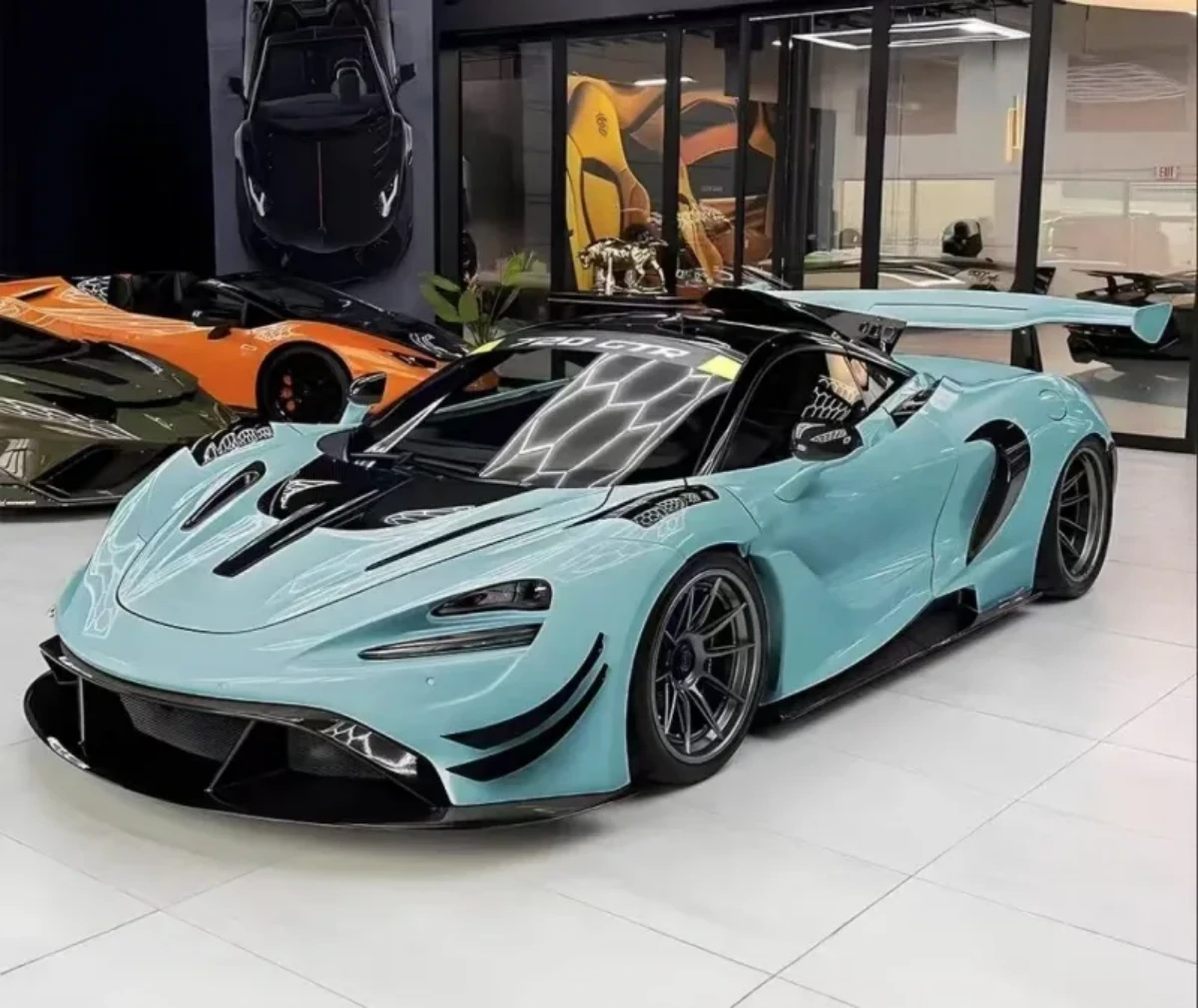
autoli TPU PPF Applied to all brand car models as byd、McLaren、Cadillac、Audi.Our factory cooperates with Auto Repair Center、Auto Detailing service、PPF wholesaler and all so in many countries and regions around the world,like United States,Denmark,Luxembourg,Bulgaria,UK,Iceland,Warranty: 10 years.Our advantages:Strict quality control system;Perfect after-sales service;Unlock Business Growth with Our Factory’s PPF.Our factory also provides car film、Paint Protection Film.