

PPF’s hydrophobic layer reduces ice adhesion in winter, making snow removal easier without scratching.,Anti-static for dust-free application.,Claim Your Business Edge: Factory – Backed PPF, Multiple Styles, Unmatched Value.
Say Goodbye to Car Scratches: Self-Healing PPF Revealed!:
- Self-healing PPF reduces light diffraction from micro-scratches, keeping paint looking brighter and more reflective.
- Pet owners benefit from scratch repair on door panels and trims, as claw marks disappear with mild heat from sunlight or interior warmth.
- Hard-to-reach areas like wheel arches and bumper edges receive the same healing benefits, ensuring uniform appearance across your vehicle.
- Micro-scratches from car washes, keys, or road debris are no match for TPU’s “memory” to return to its original smooth state when heated.
- Road tar or adhesive residue removal scratches heal, ensuring necessary maintenance doesn’t harm paint.
- Professional detailers confirm self-healing PPF cuts correction time by 50%, as fewer scratches require manual polishing.
- New car owners avoid “break-in anxiety,” knowing minor initial scratches will disappear with normal use.
- Winter scratches from road salt or sand heal once temperatures rise, preventing permanent damage in cold climates.
- Self-healing properties work year-round, from summer sun triggering rapid repairs to winter garage warmth gradually fixing cold-weather scratches.
- Lease vehicle owners avoid end-of-term fees, as self-healing PPF repairs minor surface damage before return.
The materials and technologies of PPF:
- Anti-static and dust-proof technology: The surface coating adds long-lasting anti-static agents, reducing the electrostatic adsorption force on the film surface, decreasing the frequency of dust and particle adhesion, and prolonging the cleaning cycle.
- Edge-locking micro-groove design: Prevents water ingress and edge lifting through interlocking grooves, backed by 10-year edge retention warranties.
- Anti-chemical corrosion technology: Incorporating acid and alkali resistant components to resist erosion from substances like acid rain, bird droppings, and tree sap, protecting the vehicle paint from chemical damage.
- Low haze light transmission technology: Through substrate purification and mirror-level polishing of the coating, light scattering on the film surface is reduced, minimizing the “white fog” phenomenon under sunlight, and maintaining the original color tone of the car paint.
- Anti-yellowing technology: Antioxidants and UV absorbers are added to inhibit oxidation and yellowing under long-term exposure to light, extending the appearance stability of the protective film.
- Warm water activation adhesive: Enables repositioning for up to 24 hours post-installation using only water, reducing reliance on chemicals.
- Electromagnetic interference (EMI) shielding: Integrates graphene nanosheets to block 99% of electromagnetic radiation, critical for electric vehicle electronics.
- Environmentally friendly and formaldehyde-free process: The production uses a VOCs-free formula, with no irritating odor during installation and use, meeting environmental standards.
The extension of PPF’s functions:
- Before: Hood covered in rock chips from a decade of highway driving; After: PPF’s impact-resistant layer conceals existing chips and prevents new ones, creating a smooth surface.
- Before: Door edge moldings with cracked rubber and exposed paint; After: PPF wraps edges under moldings, hiding exposed areas and preventing water intrusion.
- Before: Door striker plates with paint worn from contact; After: PPF lines striker areas, covering wear and reducing friction between metal and paint.
- Before: Rocker panels with mud and salt damage from winters; After: PPF’s corrosion-resistant layer covers rust-prone areas and blocks future salt intrusion.
- Before: Matte finish dulled by oxidation and fine scratches; After: Matte-specific PPF preserves texture while restoring vibrancy, eliminating “shiny spots” from wear.
- Before: Fender flares with paint peeling at the edges; After: PPF wraps flare edges, hiding peeling and preventing water from getting under the paint.
- Before: Side vent louvers with paint chipping on edges; After: PPF covers louver edges, hiding chips and preventing debris from catching and causing more damage.
The user pain points of PPF and their solutions:
- DIY Installation Failures – Resolved with pre-cut laser patterns, air-release adhesives, and step-by-step video tutorials.
- Salt Corrosion in Coastal Areas – Mitigated by anti-corrosion additives and salt-resistant adhesives reducing rust under film.
- Uncertainty About Product Quality – Resolved by third-party certifications (ECOCERT, ISO 9001) and transparent material disclosure.
- Yellowing Over Time – Solved by anti-yellowing formulations with HALS stabilizers and UV absorbers, maintaining clarity for 10 years.
- High Installation Costs – Mitigated by tiered pricing (DIY kits vs. premium pro installs) and financing options for budget flexibility.
- Damage from Road Debris – Mitigated by impact-dispersing multi-layer films, reducing stone chips by 70% at highway speeds.
- Difficulty Matching Vehicle Contours – Addressed by 3D-scanned, vehicle-specific pre-cut patterns for complex curves (fenders, mirrors).
- Difficulty Removing Old PPF – Simplified with low-tack, residue-free adhesives and professional heat-assisted removal services.
- High Heat Damage (EV Batteries) – Solved by heat-resistant PPF (120°C ) with thermal conductivity for battery zone protection.
Before & After: How PPF Transforms a 10-Year-Old Car:
- Before: Door panels (exterior) with handprint stains and smudges; After: PPF’s non-porous surface hides stains and wipes clean easily, resisting new smudges.
- Before: Running boards with worn paint from foot traffic; After: PPF’s durable layer covers wear and resists scuffs from shoes and boots.
- Before: Hood insulation clips with rust staining surrounding paint; After: PPF covers clip areas, hiding stains and preventing rust from spreading.
- Before: Tailgate handle with paint worn from repeated use; After: PPF wraps the handle, covering wear patterns and maintaining grip without damage.
- Before: Side vent actuator arms with paint chipping from movement; After: PPF covers arms, hiding chips and reducing friction-related damage.
- Before: Tailgate hinge areas with paint worn from movement; After: PPF covers hinges, hiding wear and reducing friction during tailgate operation.
The regulations of PPF and after-sales services:
- WEEE Directive Compliance – End-of-life PPF must be recycled in accordance with the EU’s WEEE directive, promoting circular economy practices for electronic and automotive waste .
- Blockchain Warranty Verification – 3M utilizes blockchain to secure digital warranties, enabling traceable ownership transfers and fraud prevention .
- Cross-Industry Regulatory Alignment – PPFs used in electronics or aerospace must comply with sector-specific standards (e.g., FCC for electronics), expanding regulatory complexity .
- California CARB VOC Limits – PPF adhesives sold in California must comply with CARB’s strict VOC regulations, reducing harmful emissions during installation to align with regional air quality standards .
- Japan’s Window Tinting Restrictions – Japanese regulations ban PPF installation on front driver/passenger windows and mandate partial windshield film transparency to ensure unobstructed visibility .
- EU PPWR Packaging Mandates – The EU’s Packaging and Packaging Waste Regulation (PPWR) requires PPF packaging to be recyclable by 2030 and prohibits PFAS in food-contact packaging, impacting material choices and disposal practices .
The long-term monitoring and maintenance system after the installation of PPF:
- Post-Repair Sealing – Applying heat (60–70°C) with a heat gun after edge re-sealing to ensure adhesive reactivation.
- Humidity-Controlled Storage – Covering vehicles with breathable covers in humid climates to reduce mold risk under PPF.
- End-of-Warranty Pre-Assessments – Comprehensive inspections 6 months before warranty expiry to address issues proactively.
- Seasonal Ceramic Coating Boosts – Applying PPF-compatible ceramic sprays (SiO? content ≥30%) to enhance hydrophobicity.
- Self-Healing Activation in Cold Weather – Parking in sunlight on mild days or using a hair dryer (low heat, 30cm distance) to repair micro-scratches.
- Professional Inspection Scheduling – Booking certified installer checks every 12 months to catch early wear invisible to owners.
- 24-Hour Bird Dropping Protocol – Spraying droppings with water, letting sit 5 minutes, then wiping with microfiber to avoid etching.
- Annual Adhesion Testing – Performing tape pull tests on inconspicuous areas to verify adhesive strength remains within factory specifications.
- Thermal Stability Testing – Assessing film performance after extreme temperature swings (e.g., -20°C to 40°C) for cracking or delamination.
The cost structure and price composition of PPF:
- Local Sourcing Savings – Regional TPU suppliers cut logistics costs by 10–15%, reflected in lower prices.
- Economic Downturn Pricing – Recessionary periods see 5–10% price reductions to maintain sales volume.
- Facility Overhead – Factory rent, utilities, and maintenance add $0.30–$0.60 per square foot to production costs.
- Marketing Surcharges – Limited-edition or co-branded PPF includes 5–8% markup for brand collaborations.
- Post-Install Inspection Fees – 24-hour quality checks add $50–$100 per vehicle but reduce warranty claims by 20%.
- OEM Partnership Pricing – Factory-installed PPF sold at 15–20% below aftermarket due to bulk production deals.
- Referral Program Incentives – $50–$100 discounts for referrals reduce net prices by 3–5% but lower acquisition costs.
- Small-Batch Premium – Custom colors or finishes cost 30–50% more due to low-volume production inefficiencies.
- Loyalty Program Discounts – Repeat customers receive 5–15% off, reducing margins but increasing retention.
- Warranty Administration Fees – Digital warranty systems add $0.05–$0.10 per square foot but reduce claim processing time.
Why TPU PPF:
- Fastening Flexibility – Accepts screws, bolts, and rivets for secure accessory attachment.
- Patio Extension – Creates covered transitions between indoor and outdoor living spaces.
- Storm Resilience – Quick-disconnect accessories prevent damage during severe weather.
- Cost-Effective Over Time – Lower lifetime costs despite 30% higher upfront price vs. wood.
- Accessibility Compliance – Can be integrated with wheelchair-accessible pathways and ramps.
- Recyclability at End-of-Life – 95% of components can be recycled, reducing landfill waste.
- Chemical Resistance – Unaffected by pool chemicals, making it ideal for poolside installations.
- Modular Components – Replaceable parts simplify repairs if individual pieces are damaged.
AUTOLI(CN) PPF(Paint Protection Film) oem manufacturer
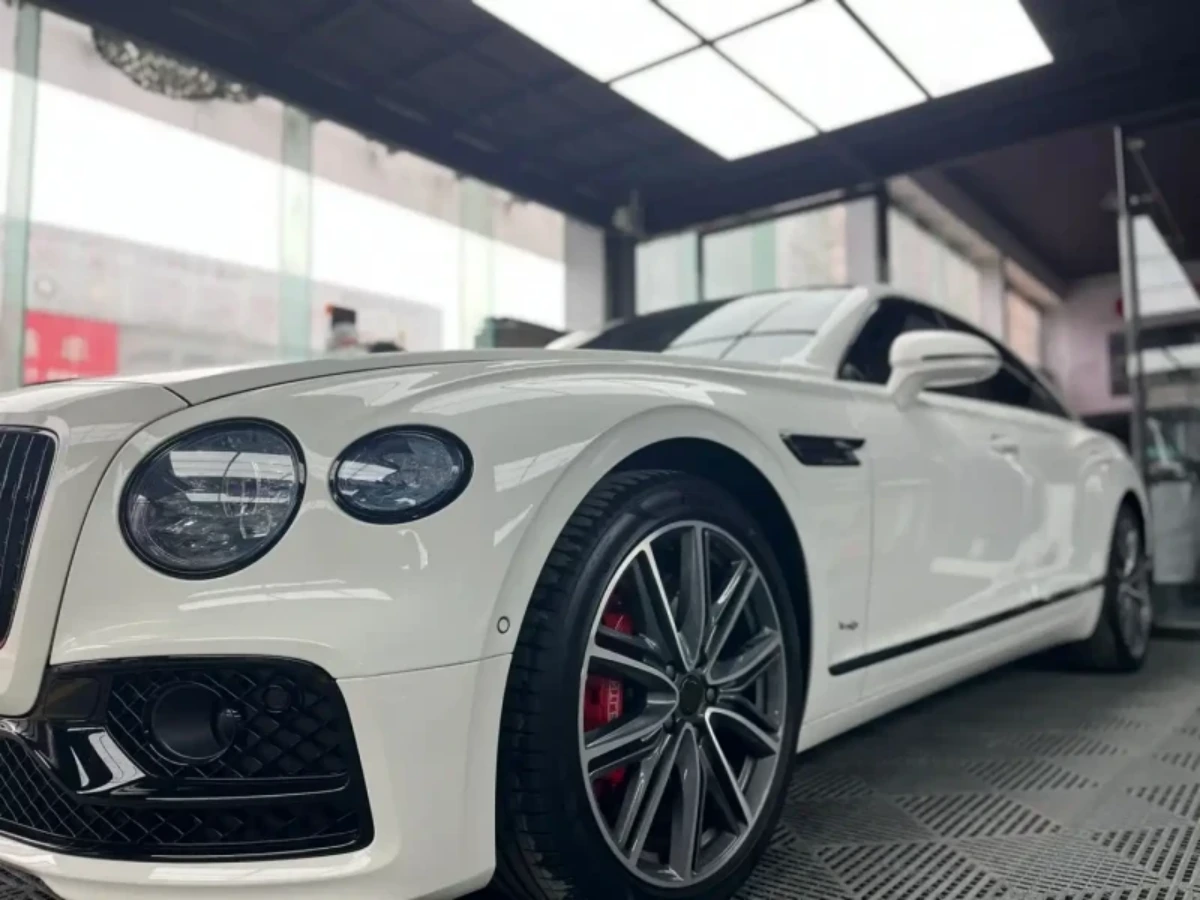
autoli TPU PPF Applied to all brand car models as Lexus、Volkswagen、Buick、Rolls-Royce、Jaguar.Our factory cooperates with Auto Detailing、PPF wholesaler、Car Customization Shop、PPF trading and all so in many countries and regions around the world,like Czech,Madagascar,Norway,Brunei Darussalam,Warranty: 10 years.Our advantages:Unlock Business Growth with Our Factory’s PPF;Large stock of styles for you to choose from;Efficient production reduces costs;Our customers are all over the world.Our factory also provides carwraps、car film.